
 EN
EN
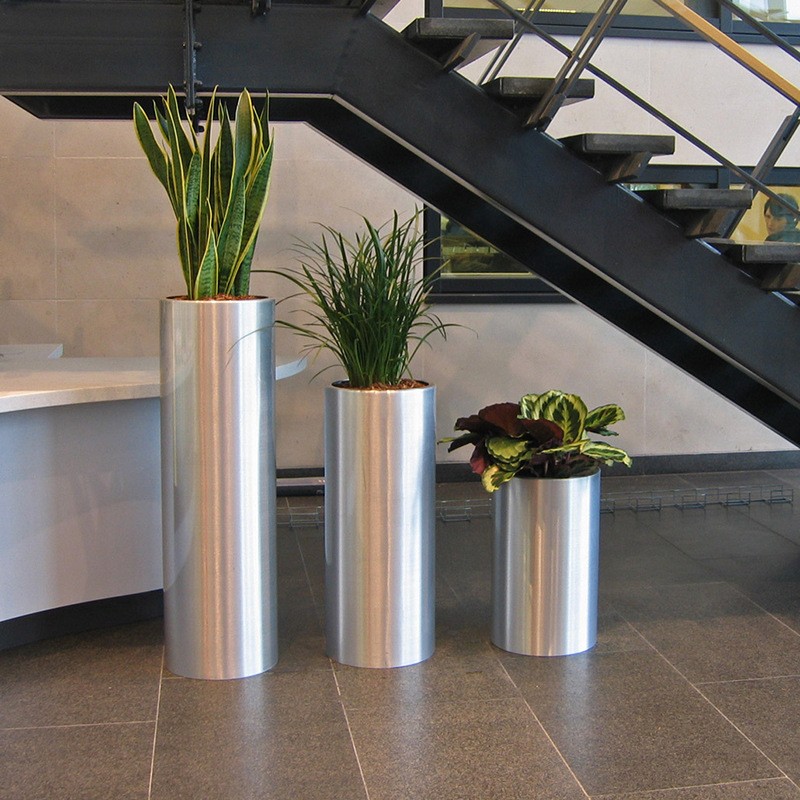
A stainless steel flower box represents a significant investment in landscape durability and aesthetic appeal for commercial and municipal properties. Unlike traditional wooden or plastic alternatives, a stainless steel flower box offers superior longevity, minimal maintenance requirements, and a modern professional appearance that enhances property value. Organizations managing public spaces, commercial facilities, and large-scale landscaping projects increasingly recognize that a stainless steel flower box delivers measurable returns through reduced replacement cycles and consistent visual impact over decades.
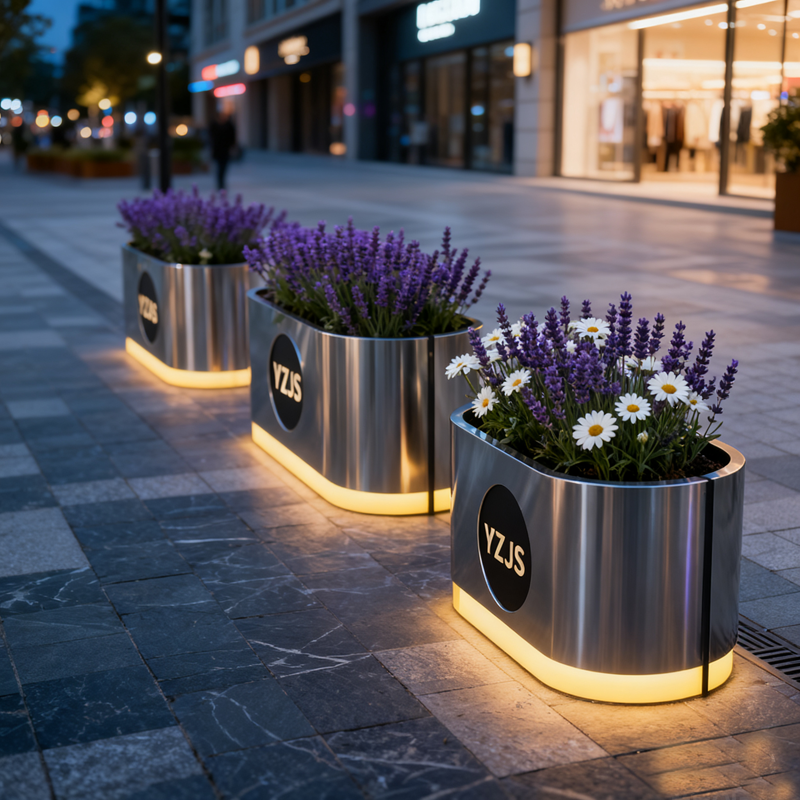
The decision to purchase a stainless steel flower box extends beyond simple aesthetics. It reflects a strategic commitment to infrastructure that withstands harsh environmental conditions while maintaining functionality and appearance year-round. For facility managers and landscape architects, choosing a stainless steel flower box means eliminating recurring maintenance headaches, avoiding seasonal replacements, and projecting a professional image that communicates investment in quality and longevity.
Durability and Longevity Benefits
Superior Material Resistance
Stainless steel flower box construction provides exceptional resistance to corrosion, rust, and environmental degradation. The material composition of a stainless steel flower box includes chromium and nickel alloys that create a protective oxide layer, preventing moisture penetration and rust formation. Even in coastal environments with salt spray exposure or industrial areas with chemical pollution, a stainless steel flower box maintains structural integrity and visual appearance. This corrosion resistance ensures that a stainless steel flower box remains functional and attractive for 15 to 25 years or more without significant deterioration.
Weather and Temperature Performance
A stainless steel flower box performs reliably across extreme temperature ranges, from harsh winter conditions to intense summer heat. Unlike wood, which warps and cracks under thermal stress, or plastic, which becomes brittle in cold and warps in heat, a stainless steel flower box maintains dimensional stability. The material properties of a stainless steel flower box allow it to expand and contract minimally, preventing structural failures and ensuring consistent drainage and soil containment. This thermal resilience means a stainless steel flower box requires no seasonal adjustments or protective measures.
Cost Efficiency and Maintenance Advantages
Reduced Lifecycle Costs
While the initial purchase price of a stainless steel flower box exceeds wooden or plastic options, the total cost of ownership proves significantly lower over time. A stainless steel flower box typically requires replacement only once every two to three decades, compared to wooden boxes needing replacement every 3 to 5 years and plastic versions every 5 to 10 years. When calculating labor costs, material expenses, disposal fees, and landscape downtime associated with replacements, a stainless steel flower box delivers substantial financial savings. Organizations managing large landscaping portfolios find that investing in a stainless steel flower box reduces capital expenditure volatility and improves budget predictability.
Minimal Maintenance Requirements
A stainless steel flower box requires only basic periodic cleaning with water and mild detergent, eliminating the need for sanding, repainting, sealing, or protective treatments. Wooden flower boxes demand regular staining or painting to prevent weather damage, while plastic versions accumulate UV damage and discoloration. A stainless steel flower box maintains its professional appearance with minimal intervention, freeing facility staff to focus on landscape care rather than container maintenance. Occasional pressure washing removes dust and pollen buildup, and the material resists staining from fertilizers, soil residue, and environmental contaminants far better than alternatives.
Aesthetic and Professional Impact
Contemporary Design Appeal
A stainless steel flower box projects a modern, professional aesthetic that elevates the visual identity of commercial properties, municipal spaces, and hospitality venues. The sleek metallic finish of a stainless steel flower box complements contemporary architecture, corporate campuses, and upscale commercial districts. Unlike weathered wood or faded plastic, a stainless steel flower box maintains visual consistency with building materials and landscape hardscaping elements. This professional appearance signals to visitors, clients, and stakeholders that the organization invests in quality infrastructure and maintains high standards for property presentation.
Customization and Flexibility
A stainless steel flower box can be fabricated in various sizes, depths, and configurations to meet specific landscape design requirements. Architects and landscape designers value a stainless steel flower box for its ability to integrate seamlessly into custom installations, from linear planters along building facades to freestanding sculptural arrangements in plazas. The customization options for a stainless steel flower box extend to finish selections, accent materials, and integrated drainage systems. This flexibility ensures that a stainless steel flower box adapts to diverse aesthetic visions while maintaining structural reliability and long-term performance.
Environmental and Operational Sustainability
Recyclability and Resource Efficiency
A stainless steel flower box aligns with sustainability goals because the material is fully recyclable at end-of-life, reducing landfill burden and supporting circular economy principles. Unlike wooden boxes that become waste after degradation or plastic containers that require decades to decompose, a stainless steel flower box enters recycling streams with established infrastructure and economic value. Organizations committed to environmental stewardship find that specifying a stainless steel flower box demonstrates responsible resource management. The manufacturing efficiency of a stainless steel flower box also minimizes production waste and energy consumption compared to producing multiple replacement containers over equivalent timeframes.
Operational Safety and Stability
A stainless steel flower box provides superior structural stability and weight distribution compared to lightweight alternatives, reducing tipping risks in high-traffic areas. The material rigidity of a stainless steel flower box ensures consistent plant support and prevents container deformation under soil pressure or seasonal weather stress. For public spaces and venues with liability considerations, a stainless steel flower box offers documented safety performance and predictable long-term reliability. The durability characteristics of a stainless steel flower box also mean fewer emergency repairs or replacements that could disrupt public access or create temporary hazards.
FAQ
What size stainless steel flower box is best for municipal landscaping projects?
Municipal projects benefit from large-capacity stainless steel flower box designs that accommodate substantial soil volumes and support extensive root systems. Typical commercial installations use stainless steel flower box models ranging from 24 to 48 inches in length, 18 to 24 inches in width, and 12 to 18 inches in depth. A stainless steel flower box at this scale provides visual impact, allows diverse planting combinations, and reduces watering frequency compared to smaller containers. Selection depends on specific site conditions, aesthetic objectives, and maintenance resources available for the stainless steel flower box installation.
How does a stainless steel flower box compare to composite or recycled plastic planters?
A stainless steel flower box outperforms composite and recycled plastic planters in durability, UV resistance, and structural integrity across extended lifecycles. Composite materials and recycled plastics degrade under UV exposure, thermal cycling, and environmental stressors, typically requiring replacement every 7 to 12 years. A stainless steel flower box maintains functionality and appearance for two to three decades without surface degradation, discoloration, or structural compromise. While a stainless steel flower box requires higher initial investment, the extended service life and minimal maintenance make it superior economically and environmentally for demanding commercial applications.
Can a stainless steel flower box be customized for specific drainage and irrigation needs?
Yes, a stainless steel flower box can be fabricated with integrated drainage systems, perforated bottoms, overflow outlets, and custom internal configurations to accommodate automated irrigation connections. Manufacturers design a stainless steel flower box with specifications matching landscape irrigation infrastructure, allowing seamless integration into smart watering systems. A stainless steel flower box can include removable internal liners for soil containment, preventing moisture from contacting the metal directly and extending container lifespan further. Custom specifications for a stainless steel flower box ensure optimal plant health, water efficiency, and maintenance compatibility with existing facility management protocols.