
 EN
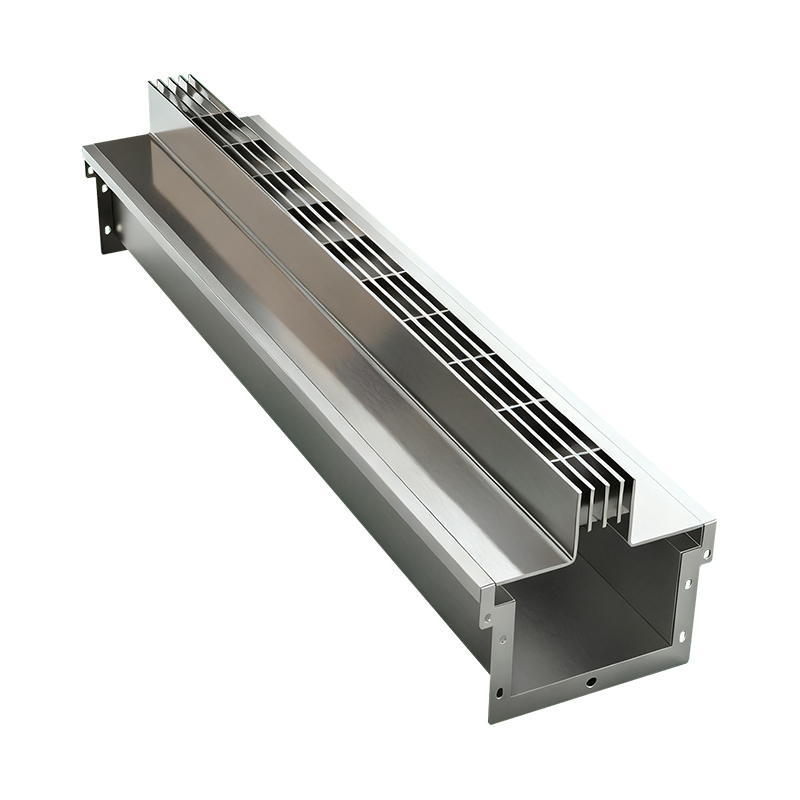
When it comes to managing water drainage in outdoor environments, the material you choose for your stainless steel rainwater grate makes all the difference between a system that lasts decades and one that requires constant maintenance. A stainless steel rainwater grate combines structural integrity, aesthetic appeal, and exceptional durability in a way that few alternatives can match. Whether you're designing a residential landscape, managing commercial property drainage, or overseeing municipal infrastructure projects, understanding the value of a stainless steel rainwater grate is essential for making informed decisions about long-term outdoor solutions.
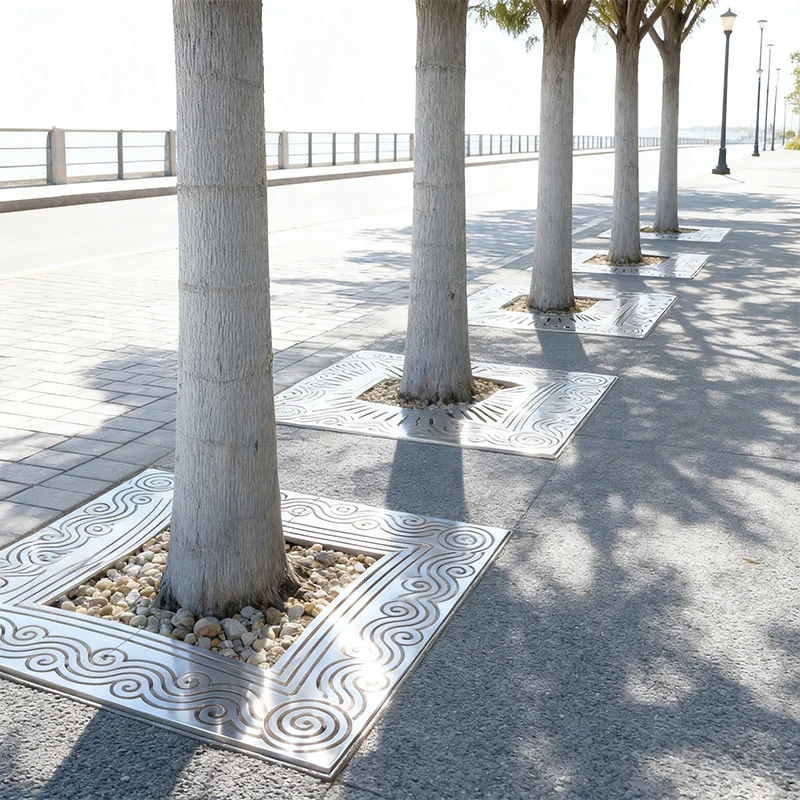
The choice of drainage materials directly impacts both operational costs and environmental responsibility. A stainless steel rainwater grate eliminates the corrosion problems, safety hazards, and premature replacement cycles that plague conventional iron or aluminum alternatives. By choosing a stainless steel rainwater grate, you invest in reliable performance that withstands harsh weather, chemical exposure, and heavy traffic without compromising functionality or appearance.
Superior Corrosion Resistance and Material Longevity
Why Corrosion Resistance Matters in Outdoor Drainage
Outdoor drainage systems face constant exposure to moisture, salt, UV radiation, and environmental pollutants that accelerate material degradation. A stainless steel rainwater grate resists rust and corrosion in ways that traditional materials cannot, thanks to its chromium-rich composition that forms a self-healing oxide layer. This passive film protects the underlying metal and continues to renew itself even after minor scratches or damage occur. In coastal regions, industrial areas, or climates with road salt application, a stainless steel rainwater grate maintains structural integrity far longer than standard alternatives.
Long-Term Cost Benefits of Corrosion-Resistant Material
While a stainless steel rainwater grate typically carries a higher initial investment than basic alternatives, the lifecycle cost analysis strongly favors stainless steel. The extended service life of a stainless steel rainwater grate means fewer replacement cycles, reduced maintenance labor, and predictable budgeting over decades. Unlike galvanized or painted grates that require periodic treatment and coating reapplication, a stainless steel rainwater grate maintains its performance properties without these ongoing interventions. Property managers and facility planners consistently report that selecting a stainless steel rainwater grate reduces total cost of ownership by 40 to 60 percent over a 25-year period.
Structural Performance and Safety Advantages
Load-Bearing Capacity and Durability Under Stress
A stainless steel rainwater grate must support not only the weight of accumulated debris and water but also the dynamic loads from foot traffic, vehicle movement, and environmental forces. Stainless steel's high strength-to-weight ratio ensures that a stainless steel rainwater grate delivers exceptional load-bearing capacity without requiring excessive material thickness. This property allows designers to create drainage solutions that are both structurally robust and lightweight, reducing installation complexity and material consumption. The consistent material properties of a stainless steel rainwater grate mean predictable performance across temperature fluctuations and seasonal cycles.
Safety and Aesthetic Integration
A stainless steel rainwater grate eliminates the surface degradation, rust staining, and sharp edges that create safety and liability concerns with conventional materials. The smooth, finished appearance of a stainless steel rainwater grate complements modern architectural designs while maintaining professional industrial aesthetics. Stainless steel's non-reactive nature prevents discoloration of adjacent surfaces, protecting landscaping materials, pavers, and concrete from rust bleeding or chemical staining. This combination of safety, durability, and visual coherence makes a stainless steel rainwater grate the preferred choice for high-visibility locations and premium property applications.
Environmental and Regulatory Compliance Benefits
Sustainability and Material Lifecycle
Selecting a stainless steel rainwater grate aligns with modern sustainability practices because stainless steel is endlessly recyclable without loss of material properties. The extended service life of a stainless steel rainwater grate reduces manufacturing waste and transportation impacts associated with frequent replacements. Additionally, a stainless steel rainwater grate does not leach harmful substances into soil or groundwater, meeting stringent environmental protection standards. For organizations committed to LEED certification, green building standards, or corporate sustainability goals, a stainless steel rainwater grate represents a responsible choice that supports long-term environmental stewardship.
Regulatory Compliance and Industry Standards
Municipal codes, industrial standards, and facility regulations increasingly specify stainless steel materials for drainage systems in sensitive environments. A stainless steel rainwater grate manufactured to international standards ensures compliance with water quality protections, structural safety requirements, and accessibility guidelines. Wastewater treatment facilities, food processing plants, pharmaceutical manufacturers, and medical facilities prioritize a stainless steel rainwater grate because it resists corrosion from specialized chemical exposure and meets strict material specifications. Specifying a stainless steel rainwater grate simplifies the compliance verification process and reduces risk of regulatory non-conformance during facility inspections or audits.
FAQ
What makes a stainless steel rainwater grate superior to galvanized or painted alternatives?
A stainless steel rainwater grate offers inherent corrosion resistance through its chromium content, eliminating the need for protective coatings that degrade over time. Galvanized grates lose their protective coating when scratched and eventually rust completely, while a stainless steel rainwater grate maintains performance through decades of exposure. The self-healing oxide layer on a stainless steel rainwater grate continuously regenerates, whereas painted surfaces require periodic maintenance and recoating. This fundamental material difference means a stainless steel rainwater grate delivers superior longevity and lower total maintenance burden compared to coated alternatives.
Can a stainless steel rainwater grate withstand harsh coastal or industrial environments?
Yes, a stainless steel rainwater grate is specifically engineered for extreme environmental exposure. Even in coastal regions with salt spray, industrial areas with chemical pollutants, or climates with road salt application, a stainless steel rainwater grate maintains structural integrity and appearance. Different stainless steel grades offer varying levels of corrosion resistance; higher grades like 316 stainless provide enhanced performance in the most aggressive environments. Selecting the appropriate stainless grade ensures that a stainless steel rainwater grate delivers reliable performance in your specific location and application context.
Is the initial cost investment in a stainless steel rainwater grate justified by long-term savings?
Absolutely. While a stainless steel rainwater grate requires higher upfront capital compared to basic alternatives, lifecycle cost analysis demonstrates substantial financial advantages. A stainless steel rainwater grate eliminates replacement cycles, maintenance labor, and unplanned downtime associated with corroded or failed conventional grates. Over 20 to 30 years, property owners typically recover their initial investment through avoided replacement costs and reduced operational expenses. For any application where drainage system failure creates safety, environmental, or operational risks, a stainless steel rainwater grate represents both a financially prudent and practically essential choice.