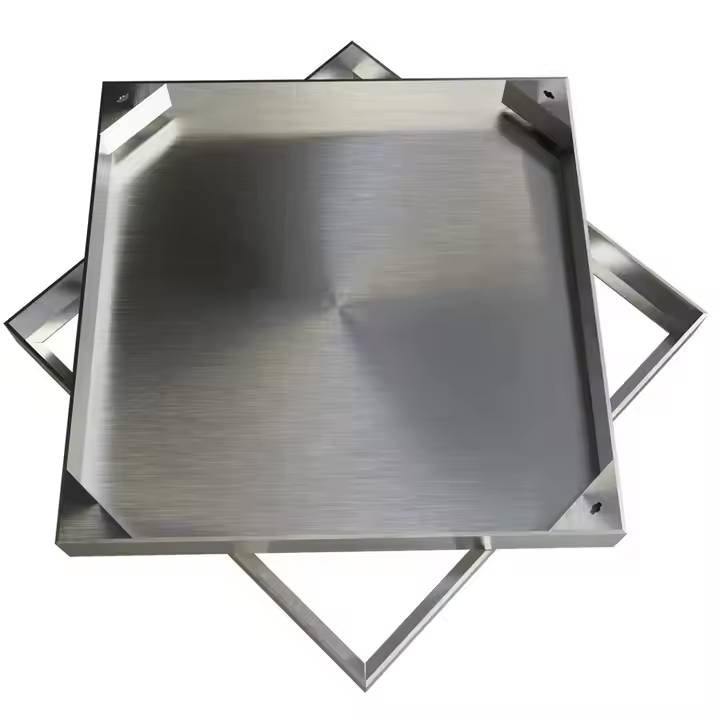
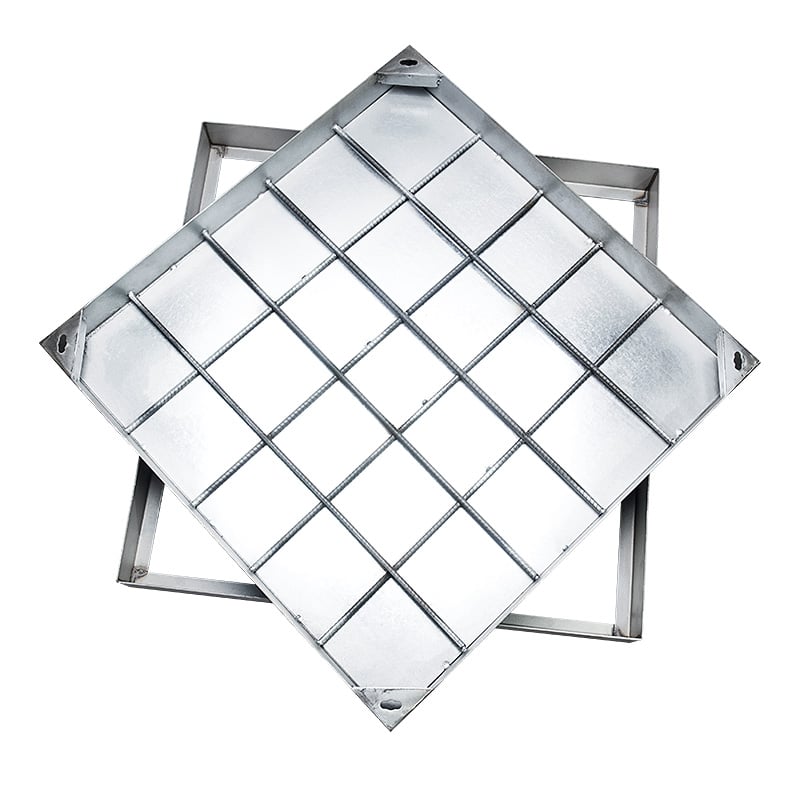
poklopac kanalizacije od nerđajućeg čelika
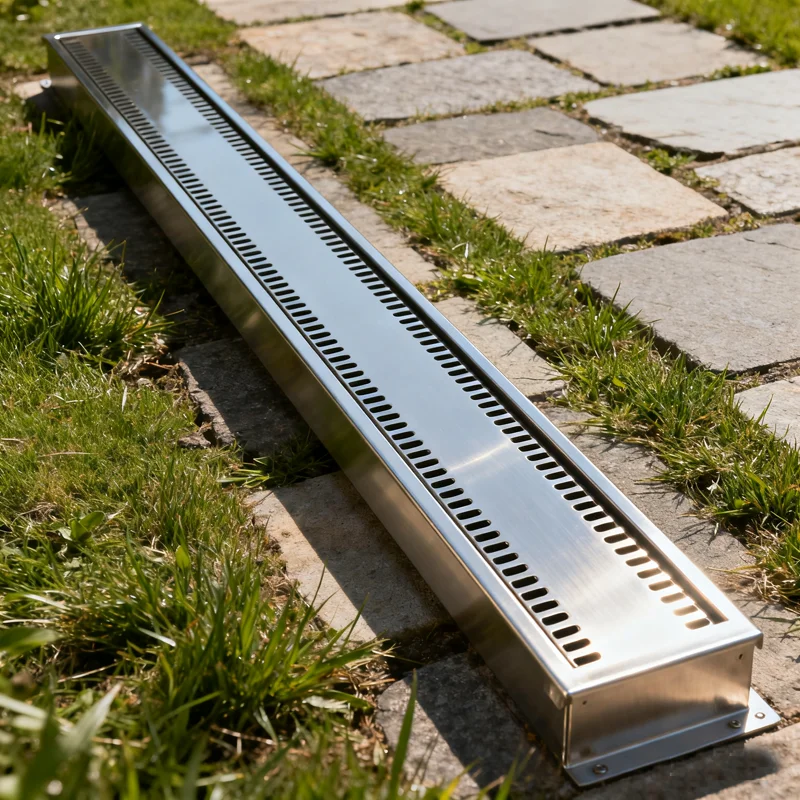
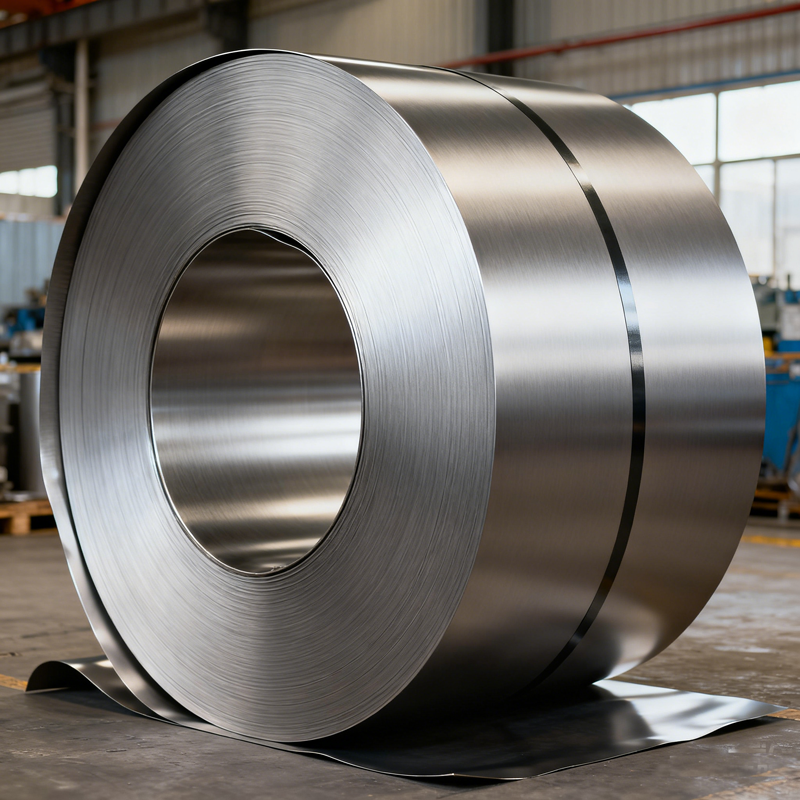
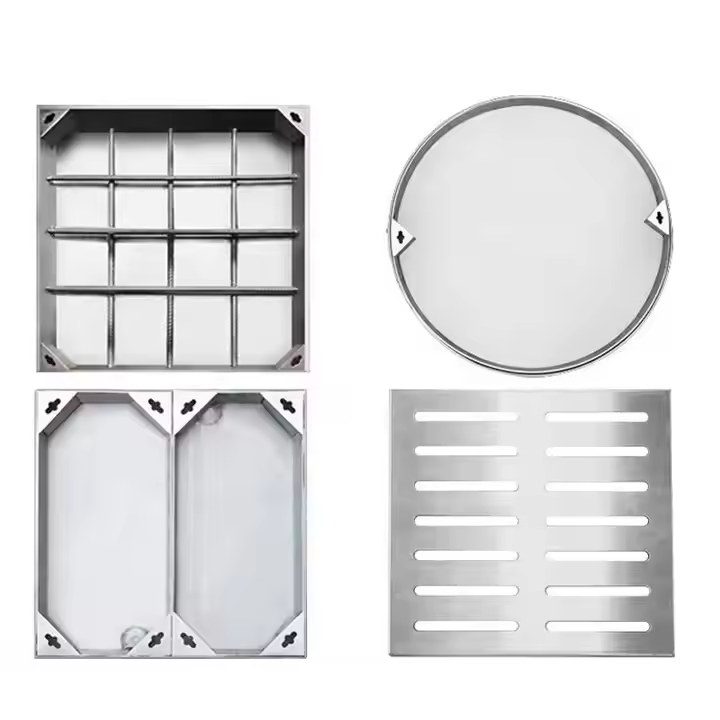
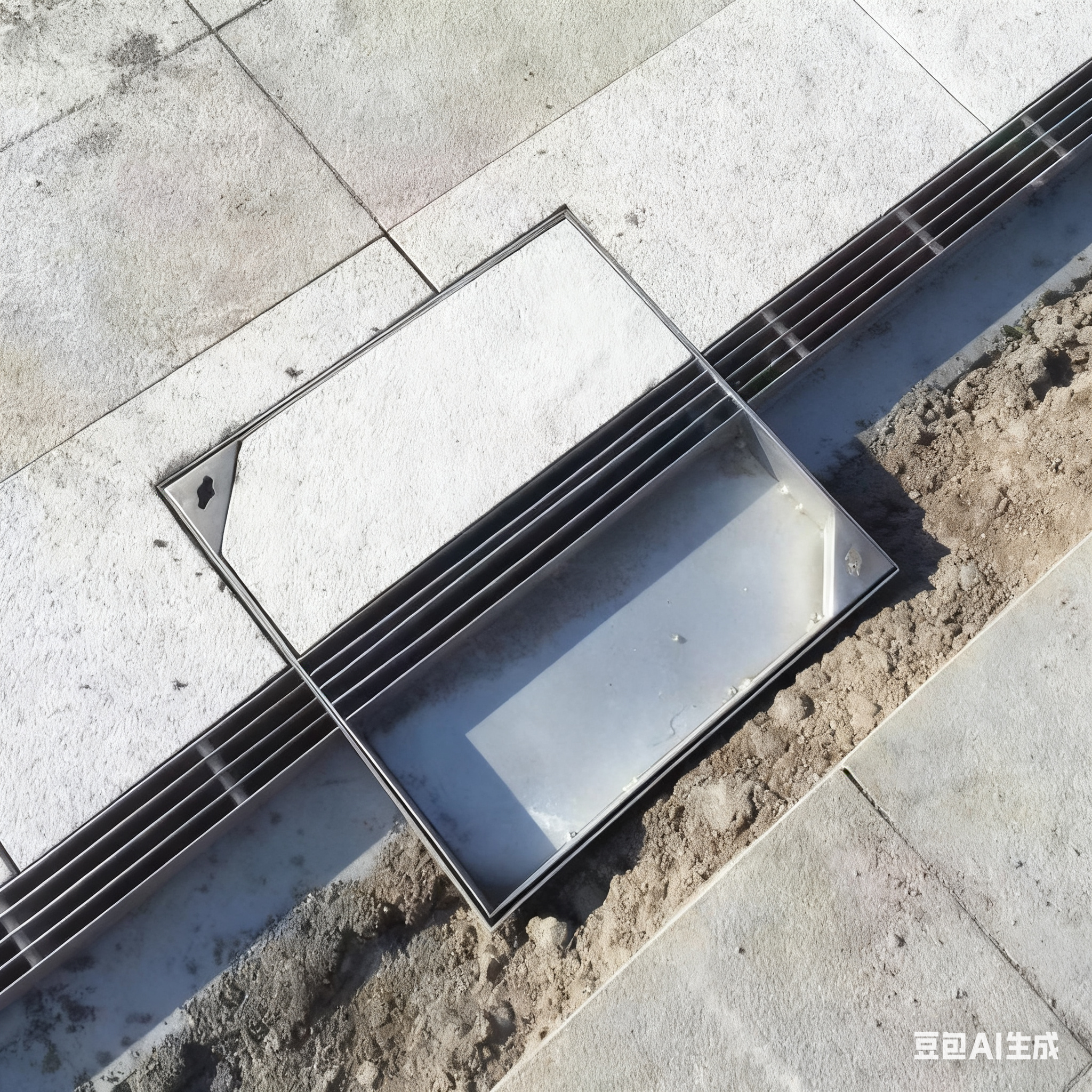
Poklopac kanalizacije od nehrđajućeg čelika je izdržljiva pristupna tačka dizajnirana za zaštitu podzemnih kanalizacionih sistema i drenažne infrastrukture. Ova industrijska komponenta služi kao zaštitna barijera koja omogućava osoblju za održavanje siguran pristup kanalizacijskim vodovima, cijevima i postrojenjima za prečišćavanje dok zadržava onečišćenje i otpad iz sistema. Poklopac kanalizacije od nehrđajućeg čelika služi kao sigurnosna mera i operativna nužnost u upravljanju komunalnim otpadnim vodama, komercijalnim vodovodnim sistemima i stambenim kanalizacijskim mrežama. Poklopac kanalizacije od nerđajućeg čelika ima napredna tehnološka svojstva koja ga razlikuju od tradicionalnih materijala. Proizveden od vrhunskog nehrđajućeg čelika, obično 304 ili 316 legura, ovaj poklopac nudi izuzetnu otpornost na koroziju, hrđu i hemijsku degradaciju. Materijal izdržava teške uslove u okolini, agresivne kompozicije kanalizacije i ekstremne fluktuacije temperature koje se javljaju u podzemnim kanalizacijskim sistemima. Moderni dizajn kanalizacijskih pokrivača od nehrđajućeg čelika uključuje ojačane mehanizme za zaključavanje, antislazne površine i precizno inženjerstvo kako bi se osigurala stabilnost i sigurnost. Primjene za poklopac kanalizacije od nerđajućeg čelika se protežu kroz različite sektore. Opštine se oslanjaju na ove pokrivače za upravljanje javnim kanalizacijskim sistemima, postrojenjima za prečišćavanje otpadnih voda i infrastrukturom za upravljanje kišnim vodama. Industrijski objekti koriste otvore za kanalizaciju od nehrđajućeg čelika za postrojenja za hemijsku obradu, postrojenja za obradu hrane i proizvodne operacije gdje je otpornost na koroziju kritična. Stambeni razvoj, komercijalne nekretnine i institucionalne zgrade imaju koristi od dugotrajne pouzdanosti i minimalnih zahtjeva za održavanjem koje osigurava poklopac kanalizacije od nehrđajućeg čelika. Prilagođenost dizajna kanalizacijskih pokrivača od nehrđajućeg čelika omogućava prilagođavanje za različite prečnike cijevi i zahtjeve pristupa.

 EN
EN