
 EN
EN
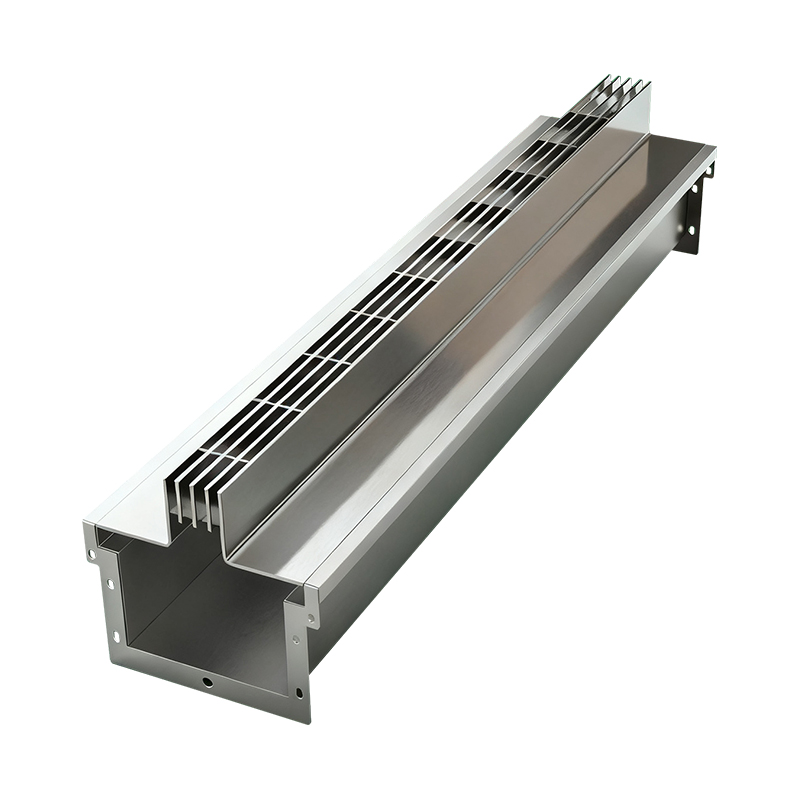
A nehrđajućeg čelika je precizno konstruisana komponenta za odvodnju dizajnirana da upravlja kontrolisanim protokom površinske vode, uz održavanje strukturalnog integriteta i vizuelne privlačnosti u širokom spektru građenih okruženja. Bilo da je postavljena na gradskim ulicama, trgovačkim trgovima, industrijskim dvorištima ili uređenim površinama, ova vrsta rešetke igra temeljnu ulogu u hvatanju vode, usmjeravanju i sigurnom raspršivanju sa osetljivih površina. Razumijevanje šta je nehrđajućeg čelika za ono za šta se zapravo koristi, potrebno je pogledati dalje od njegovog jednostavnog izgleda i cijeniti funkcionalnost, sigurnost i zahtjeve dizajna koje je napravljen da zadovolji.
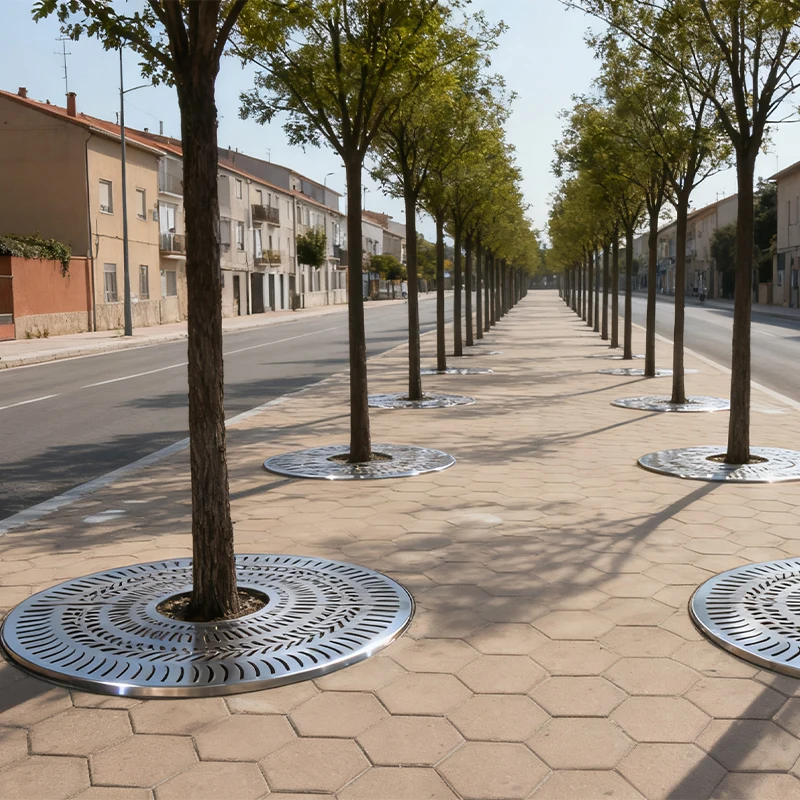
Primjene nehrđajućeg čelika obuhvataju izuzetno širok spektar industrija i tipova projekata. Od bazena i pešačkih staza do instalacija u špiljama za drveće i prilaza za gužvu saobraćaja, ove rešetke kombinuju otpornost na koroziju, snagu na opterećenje i dugotrajnu izdržljivost u jednom proizvod - Šta? Ovaj članak istražuje primarne upotrebe, funkcionalne prednosti i razmatranja o odabiru koja definišu gde i zašto se nehrđajućeg čelika je omiljeno rješenje za odvodnju za profesionalce iz građevinarstva, pejzažne arhitekture i građevinske inženjerstva.
Osnovne funkcije rešetke za kišnu vodu od nehrđajućeg čelika
Odvodnjavanje površinskih voda i sprečavanje poplava
Najosnovnija upotreba nehrđajućeg čelika je da se presretne i usmeri kišnica sa asfaltiranih, pločastih ili kompaktnih površina pre nego što se akumulira i izazove oštećenje ili opasnost za bezbednost. Kada se snažna kiša pojavi na nepropusnoj površini bez ispravno dizajniranog odvodnog izlaza, voda se brzo skuplja, stvarajući rizike za klizište pešaca, rizike od poplava za susjedne strukture i dugoročne erozijske štete okolnom tlu. Dobro pozicioniran nehrđajućeg čelika pruža efikasnu ulaznu tačku u podzemnu drenažnu mrežu, sprečavajući ove rezultate na izvoru.
U komercijalnim i opštinskim kontekstima, količina vode koja se mora upravljati tokom oluja je značajna. A. Šta je to? nehrđajućeg čelika je dizajniran da može da se nosi sa visokim protokom bez da se odmakne, deformiše ili blokira. Odnos otvorene površine rešetke što znači udio površine rešetke koja je prolazljiva direktno utiče na to koliko brzo voda može proći, a kvalitetni dizajn od nehrđajućeg čelika je optimiziran kako bi se uravnotežila hidraulička performansa sa strukturnim zahtjevima lokacije za instalaciju
Za razliku od plastičnih ili livenog gvožđa, nehrđajućeg čelika odolnost od postupnog razgradnje koja smanjuje efikasnost odvodnje tokom vremena. Materijali koji su skloni koroziji mogu da odbace čestice hrđe koje se nakupljaju u kanalima za odvod, smanjujući kapacitet protoka. Nehrđajući čelik održava čistu, glatku površinu tokom radnog vijeka instalacije, što znači doslednu performanse odvodnje godinu za godinom bez troškova održavanja povezanih sa manjim materijalima.
Podrška za nosenje tereta za pešački i saobraćaj vozila
A nehrđajućeg čelika mora istovremeno podnijeti težinu pešačkog saobraćaja, kolicne opreme, a u nekim slučajevima i tereta vozila. Ovaj dvostruki zahtev čini izbor materijala ključnim. Nehrđajući čelik, posebno 304 i 316, nudi visok odnos čvrstoće i težine koji omogućava da konstrukcije rešetke budu dovoljno lagane za praktičnu instalaciju i dovoljno robusne da zadovolje klasifikacije opterećenja koje zahtijevaju građevinski inženjeri i građevinski propisi.
U pešačkim zonama kao što su trgovačka područja, aerodromski terminali, ulazi hotela i javni parki, nehrđajućeg čelika moraju se nositi sa stalnim pešačkim saobraćajem bez savijanja, pomicanja ili stvaranja opasnosti od udaranja. Dimenzionalna stabilnost nehrđajućeg čelika osigurava da rešetke zadrže svoj oblik i da se smeraju sa okolnom površinom, što je neizmjerni sigurnosni zahtev u svakom javnom prostoru. Anti-sklizne površinske obrade ili teksturirane obloge često su uključene u dizajn rešetke od nehrđajućeg čelika kako bi se dodatno smanjio rizik od klizanja u mokrim uslovima.
Za prilaznice, skladišta za utovar, parkirališta i industrijska polja, zahtjevi za nosenje tereta znatno se povećavaju. Teška mašina. nehrđajućeg čelika dizajniran za vozila mora biti u skladu sa priznatim standardima klase opterećenja, a inherentna čvrstoća materijala znači da može apsorbirati ponavljajuća dinamička opterećenja kao što su oni koje stvaraju osovine kamiona bez pukotina ili trajnog deformiranja. To čini nehrđajući čelik pouzdanim izborom u zahtjevnim industrijskim i logističkim okruženjima gdje je pouzdanost odvodnje usko povezana sa kontinuitetom rada.
Okruženja primjene za rešetke za kišnu vodu od nehrđajućeg čelika
Plivački bazeni i vodeni objekti
Jedna od najspesifi~kanijih i tehnicki najzahtjevnijih aplikacija za nehrđajućeg čelika je u bazenima i vodenih objektima za rekreaciju i u njihovim okolinama. Kombinacija stalnog izlaganja vodi, hemijskih sredstava za čišćenje poput hlora i pješadijskog saobraćaja, stvara okolinu koja u roku od nekoliko godina poražava većinu materijala za odvodnju. Nehrđajući čelik posebno za pomorski rad 316 otporan je na koroziju izazvanu hloridom koja bi brzo pogoršala standardne alternativne čelikove ili livenog gvožđa, što ga čini najpoželjnijim materijalom za odvodnjavanje bazena.
A nehrđajućeg čelika u slučaju da se ovaj proizvod koristi u okolini bazena, mora se takođe riješiti povećan rizik od klizanja koji je inherentan mokrim bazenskim palubama. Profili sa uskim otvorima sprečavaju hvatanje prstiju i petama, dok teksturirani ili četkičeni površinski finiši povećavaju trenje ispod stopala. Ovi detalji dizajna nisu kozmetički to su sigurnosno kritične specifikacije na koje se oslanjaju operatori i dizajneri vodenih objekata kako bi ispunili obaveze brige. Estetska neutralnost nehrđajućeg čelika takođe znači da se odvodnjavanje bazena integriše sa vrhunskim pločicama i kamenim završnim delovima bez vizuelnog poremećaja.
Pored neposrednog bazena okružuju, nehrđajućeg čelika se koristi u povezanim vlažnim područjima uključujući svlačionice, tušne objekte, zone za pljuskanje i okoline vode. U svim ovim kontekstima, otpornost na koroziju i higijenska svojstva nehrđajućeg čelika su jednako važna. Glatke, neporosne površine od nehrđajućeg čelika otporne su na kolonizaciju bakterija, što je značajna prednost u bilo kojoj vodenoj sredini sa velikim prometom u kojoj se pažljivo prate standardi javnog zdravlja.
Uređaji za uređenje zemljišta i gradske površine
Urbane špilje za drveće predstavljaju rastuću i vrlo vidljivu primenu za nehrđajućeg čelika - Šta? Kako gradovi ulažu u zelene inicijative za poboljšanje kvaliteta vazduha, ublažavanje topline u gradovima i estetiku uličnog pejzaža, potražnja za trajnim, atraktivnim pokrivačima za špilje drveća značajno je porasla. A. Šta je to? nehrđajućeg čelika instalirana iznad jame na drvetu, služi za više istovremenih funkcija: omogućava da kišnica prolazi do korena drveta, sprečava kompaktiranje tla uzrokovano pešačkim saobraćajem i pruža bezbednu, ravnu površinu za hodanje pešaka.
Dizajn jame na drvetu nehrđajućeg čelika moraju da se prilagode prirodnom rastu drveta tokom vremena. Kvalitetni proizvodi su dizajnirani sa podešavanim ili modularnim konfiguracijama koje se mogu rekonfigurirati kako se deblo drveta širi, izbjegavajući skupu i uznemirujuću potrebu za zamjenom cele instalacije. Ova dugoročna prilagodljivost čini rešetke od nehrđajućeg čelika dobrim ulaganjem u infrastrukturu za opštinske vlasti i gradske graditelje koji daju prioritet održivom urbanističkom planiranju.
U gradskim područjima sa velikim brojem pešaka, kao što su prodavne ulice, transportna čvorišta i gradska trgovačka mjesta, vizuelni kvalitet nehrđajućeg čelika je takođe i stvarna funkcionalna briga. Rešetke koje se koroziraju, mijenjaju boju ili se strukturno kvaru u gužvim pešačkim područjima stvaraju i sigurnosne incidente i probleme sa reputacijom za organizacije odgovorne za održavanje tih prostora. Otpornost nehrđajućeg čelika na vremenske prilike i njegova sposobnost da zadrži čist, profesionalni izgled tokom decenija rada čine ga jedinstvenim za projekte visokog vidljivosti urbanog pejzaža.
Pješačke staze, prilaznice i industrijske zone
Kroz šetališta, pješačke mostove, komercijalne prilaze i industrijske tvrde oblasti, nehrđajućeg čelika pruža pouzdanu drenažu, zadovoljavajući zahtjeve kontinuiteta površine i opterećenja za svako podešavanje. U aplikacijama za šetališta, prioritet je prolivna površina bez padanja sa adekvatnom otvorenom površinom za upravljanje očekivanom intenzitetom padavina. Dizajneri preciziraju nehrđajućeg čelika proizvodi u skladu sa očekivanom gustoćom pešaca, očekivanim podacima o padavinama i estetskim zahtjevima okolnih površinskih obrada.
U prilaznim putevima i područjima za pristup vozila, rešetka mora da izdrži koncentrisana tačna opterećenja koja stvaraju gume bez da se odvija u kanal za odvod ispod. Dobro definisan nehrđajućeg čelika problemi koji su česti kod manjih ili loše opremljenih alternativa. Dugoročni troškovi zamene kvarne rešetke prilaza, uključujući povezane prekide i radove na ponovnom postavljanju, jačaju argument za ulaganje u pravilno definisane proizvode od nehrđajućeg čelika od samog početka.
Industrijske zone predstavljaju možda najzahtevnije uslove rada za bilo koju komponentu odvodnje. Kemijska proliva, teška mašina, toplotni ciklus i agresivni režimi čišćenja sve su izazovi dugovječnosti drenažne infrastrukture. A. Šta je to? nehrđajućeg čelika za industrijsko okruženje treba da bude određena u klasi koja odgovara specifičnim rizicima izloženosti hemikalijama objekta. Sredstva od 316 nehrđajućeg čelika, sa većim sadržajem molibdena, nude superiornu otpornost na kiseline, alkalne i industrijske rastvarače u poređenju sa standardnom razredom 304, i preporučena je specifikacija za proizvodnju, obradu hrane i okruženja za rukovanje hemijskim
Razmatranja o dizajnu i specifikacijama
Širina otvorova, otvorena površina i hidraulički učinak
Kada birate nehrđajućeg čelika za svaki projekat specifikacija hidrauličkih performansi mora biti usklađena sa zahtjevima za projektovanje odvodnje. Širina otvor i procenat otvorene površine su dva primarna parametra koji određuju koliko efikasno rešetka upravlja ulazom vode. Uže otvorene otvorove poboljšavaju sigurnost pešaka i obuće na visokom petama, ali smanjuju otvorenu površinu za protok vode. Širi otvorovi maksimalno povećavaju hidrauličku propusnost, ali možda nisu prikladni za zone bosih nogu ili područja sa finim površinskim otpadom koji mogu uzrokovati blokade.
A nehrđajućeg čelika proizvođač ili inženjer za odvodenje obično izračunavaju potrebnu otvorenu površinu na osnovu projektovanog intenziteta padavina za lokaciju, kapaciteta kanala za odvodnju ispod i površinske povodnice koja hrani rešetku. To je neophodno da se izračunava pravilno nedovoljno velika rešetka stvara uska grla u odvodnom sistemu, uzrokujući poplave površine čak i kada je osnovna infrastruktura za odvod adekvatno kapaciteta. S druge strane, prevelika reža sa prekomjernom otvorenom površinom može ugroziti kontinuitet površine i sigurnost u pješadijskim područjima.
Uređivanje veličine, završetak i integracija
Standardne nehrđajućeg čelika dimenzije odgovaraju većini aplikacija, ali mnogi komercijalni, ugostiteljski i arhitektonski projekti zahtijevaju prilagođenu veličinu ili prilagođene površinske završnice kako bi se poklapale sa specifičnim namjerama dizajna. Uređivanje po narudžbi omogućava dimenzijama rešetke da se precizno poravnaju sa veličinama modula za prilagođavanje, što minimizira rezove i osigurava vizuelno koherentnu površinu. Opcije završetka uključujući četkicu, ogledalo poliran i prašak obložen nehrđajući čelik omogućavaju dizajnerima da se podudaraju ili kontrastuju sa okolnim materijalima, dajući infrastrukturi odvodnje namjernu ulogu u ukupnoj estetskoj kompoziciji.
Integracija sa odvodnim telom ili kanalima ispod je još jedna varijabilna specifikacija koja utiče na performanse i dugovječnost. A. Šta je to? nehrđajućeg čelika treba da bude dimenzionalno kompatibilan sa odvodnim okvirom u koji se nalazi, sa odgovarajućim tolerancijama kako bi se omogućilo uklanjanje za čišćenje, a da ostaje dovoljno siguran pod opterećenjem kako bi se sprečilo kretanje ili škrcanje. Kombinacije okvira i rešetke u istom materijalu i razini izbjegavaju galvansku koroziju koja se može pojaviti kada se različiti metali dodiruju u vlažnim okruženjima, što je detalj koji iskusni specifikacionari uvijek provjeravaju prije finalizacije drenažnog sastava.
Održavanje, dugovječnost i vrijednost životnog ciklusa
Zašto nerđajući čelik smanjuje dugoročne troškove održavanja
Jedan od najvažnijih razloga zbog kojih stručnjaci navode nehrđajućeg čelika uprkos tome, u odnosu na druge materijale, dugoročno smanjenje obaveza održavanja. Željezne rešetke zahtijevaju periodično bojenje ili tretman kako bi se spriječila hrđa, a čak i uz održavanje, površna degradacija je progresivna. Plastične rešetke su podložne UV degradaciji, puktanju na udaru i deformaciji pod opterećenjem. Za razliku od toga, pravilno definisan nehrđajućeg čelika ne zahteva ništa više od periodičnog čišćenja otpada da bi se održala potpuna performansa tokom životnog vijeka koji rutinski prelazi dvadeset godina u standardnim okruženjima.
Za vlasnike imovine koji upravljaju velikim portfeljima komercijalne ili javne infrastrukture kao što su grupe maloprodajnih nekretnina, opštinske vlasti ili operateri industrijskih objekata kumulativna ušteda u održavanju od izbora nehrđajućeg čelika su značajne. Manje ciklusa zamjene, niži troškovi rada za održavanje i smanjeni rizik od incidenata povezanih sa drenažom sve doprinose ukupnim troškovima vlasništva koji često opravdavaju veće početne troškove jedinice u poređenju sa alternativama. Analiza troškova životnog ciklusa, a ne jednostavna poređenje cijena jedinice, odgovarajući je okvir za procjenu specifikacija komponente odvodnje u bilo kojoj sredini dugog životnog vijeka.
Održivo i kompatibilno sa životnom sredinom
Nehrđajući čelik je jedan od najrecikliranijih materijala u globalnom industrijskom lancu snabdevanja, a nehrđajućeg čelika na kraju svog životnog vijeka zadržava značajnu materijalnu vrednost. Za razliku od betonskih, keramičkih ili kompozitnih proizvoda za odvodnju koji obično idu na deponiju pri zameni, komponente od nehrđajućeg čelika se sakupljaju i recikliraju sa visokom efikasnošću, vraćajući se u novu proizvodnju nehrđajućeg čelika sa minimalnim gubitkom kvalit Ova karakteristika materijala zatvorene petlje usklađena je sa obavezama održivosti koje su sve više ugrađene u specifikacije za komercijalnu izgradnju i nabavku infrastrukture.
Iz perspektive kvaliteta vode, nehrđajućeg čelika ne izlijeva čestice hrđe, premaze ili nusproizvode razgradnje u vodu koju provodi. U osetljivim okruženjima kao što su zaštićena područja za uzlazak vode, botanički vrtovi ili lokacije sa obavezama usklađenosti sa životnom sredinom, ovo ponašanje inertnog materijala je praktična prednost specifikacije. Neutralna interakcija nerđajućeg čelika sa odvodom kišne vode osigurava da sama komponenta odvodnje ne postane izvor zagađenja u sistemu upravljanja vodom koji služi.
Često postavljana pitanja
Za šta se koristi gred za kišnu vodu od nehrđajućeg čelika?
A nehrđajućeg čelika prvenstveno se koristi za presretanje površinske vode i usmjeravanje u osnovni odvodni sistem, sprečavajući udruživanje, poplave i eroziju. Instalirana je u širokom spektru okruženja, uključujući pješačke staze, okoline bazena, jame na drveću, prilaze i industrijska dvorišta, gdje mora istovremeno nositi protok vode i bezbedno nositi namećene opterećenja.
Zašto se nehrđajući čelik preferira umjesto livenog gvožđa ili plastike za rešetke za kišnu vodu?
Nehrđajući čelik je poželjan jer u jednom materijalu kombinuje otpornost na koroziju, strukturnu čvrstoću i dug životni vek. Za razliku od lite željeze, ona ne rđe bez održavanja premaza, a za razliku od plastike, ne raspada se pod UV izloženosti ili teškim opterećenjima. U hemijski agresivnim ili trajno vlažnim okruženjima kao što su bazeni ili obalne instalacije, nehrđajući čelik klase 316 nudi nivo otpornosti koji nijedna opća alternativa ne može dostići pri uporedivom trajanju trajanja.
Može li se mreža za kišnu vodu od nehrđajućeg čelika koristiti u instalacijama za drveće?
Da, u redu. nehrđajućeg čelika široko se koristi u instalacijama u špiljama za drveće u urbanim ulicama i uređenim područjima. Omogućava kišnoj vodi da se probije do korena, štiti tlo od kompaktnosti i obezbeđuje bezbednu površinu za pešake. Kvalitetni dizajn špilja za drveće prilagođava se rastu debla tokom vremena kroz modularne ili podešavane konfiguracije, što ih čini praktičnim dugoročnim infrastrukturnim rješenjem za projekte zelenila u gradovima.
Kako se određuje tačna veličina mreže za kišnu vodu od nehrđajućeg čelika?
Prava veličina se određuje hidrauličkim izračunom koji uzima u obzir projektovani intenzitet kiše za lokaciju, površinsko povlačenje koje se odvodjuje prema rešetci i kapacitet ispodvodnog kanala za odvodnju. Otvorena površina nehrđajućeg čelika mora biti dovoljan za prolaz preko maksimalne brzine protoka bez stvaranja stanja poplave površine. Inženjer za odvodnju ili dobavljač rešetke može pomoći u ovom izračunu kako bi se osiguralo da određeni proizvod ispunjava zahteve performansi projekta.
Sadržaj
- Osnovne funkcije rešetke za kišnu vodu od nehrđajućeg čelika
- Okruženja primjene za rešetke za kišnu vodu od nehrđajućeg čelika
- Razmatranja o dizajnu i specifikacijama
- Održavanje, dugovječnost i vrijednost životnog ciklusa
-
Često postavljana pitanja
- Za šta se koristi gred za kišnu vodu od nehrđajućeg čelika?
- Zašto se nehrđajući čelik preferira umjesto livenog gvožđa ili plastike za rešetke za kišnu vodu?
- Može li se mreža za kišnu vodu od nehrđajućeg čelika koristiti u instalacijama za drveće?
- Kako se određuje tačna veličina mreže za kišnu vodu od nehrđajućeg čelika?