
 EN
EN
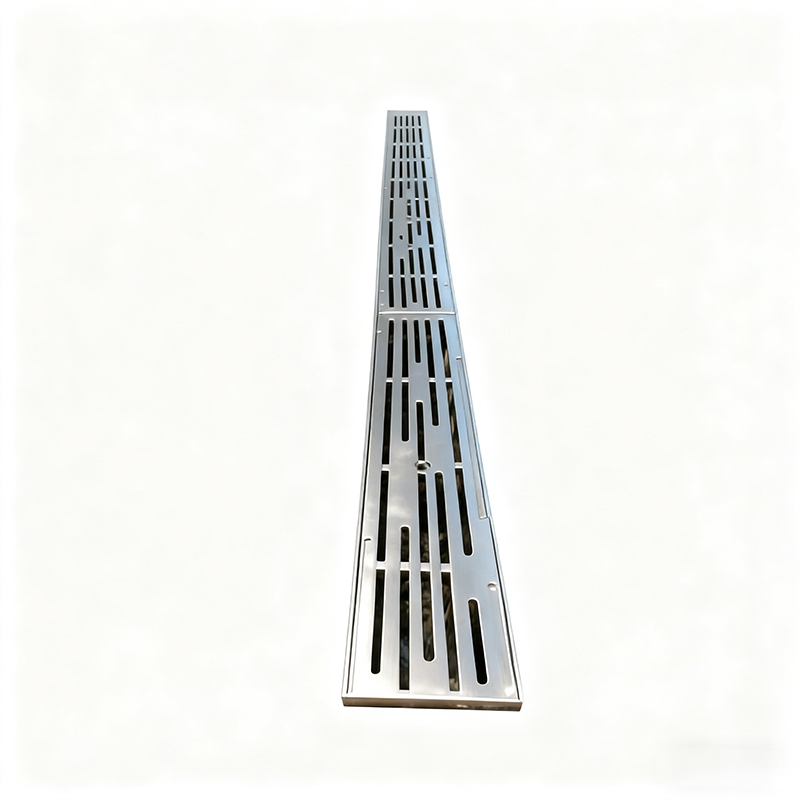
A horma-lineako ureztadura azalerako ura kudeatzeko erabilgarri dagoen soluziorik efektuena da, bai ingurune komertzialen bai etxegileen artean. Puntu-drainatzaile tradizionalen kontra, zeinek ura puntu bakar batean bildu ohi duen, drainatze-hodi lineala kanal jarraian zehar hedatzen da, ura luzera osoan biltzen du eta modu eraginkorrean irteera jakinarazitako puntura bideratzen du. Diseinu honetako alde funtzional horrek drainatze-errendimendu nabarmen hobetua, ur-akumulazio gutxiago eta jendearen eta ibilgailuen segurtasun eta garbitasun handiagoa dakar.
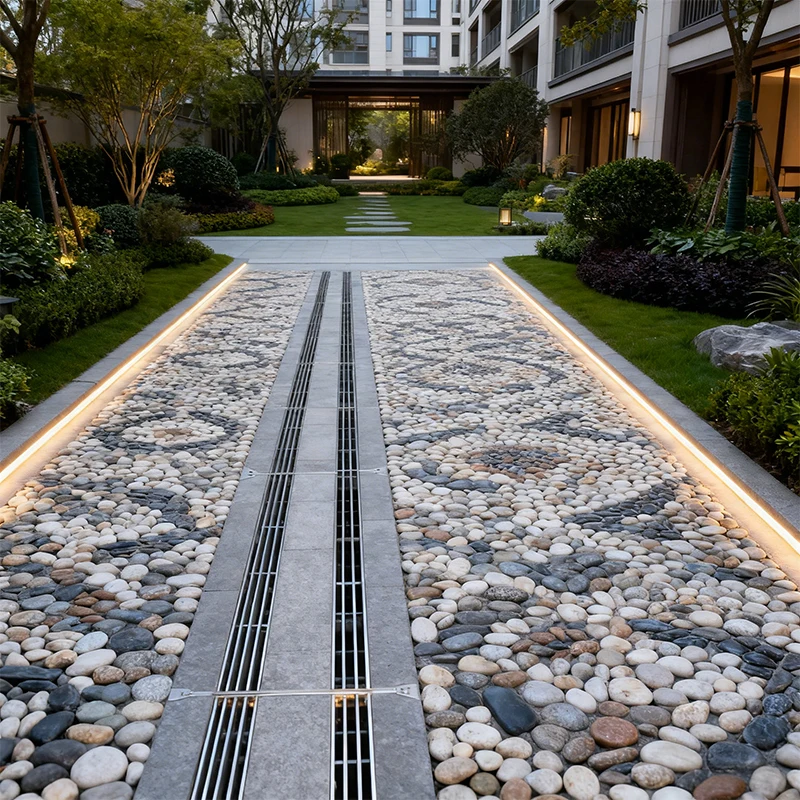
Nola funtzionatzen duen ulertzea horma-lineako ureztadura uraren fluxua hobetzen du eta segurtasuna bermatzeko bere egiturazko diseinua eta erabilera errealean oinarritutako azterketa behar da. Kanpoko hotelen sarreratik luxuzko igerilekuen gainazaleraino, jende asko igarotzen den ibilbideetara, instalazio industrialak eta bainugelako lurruneetara arte, ur-irteerako hodi linearrak estetika eta funtzionamendua elkarrekin batera egon behar duten lekuetan industria-estandarra bihurtu da. Artikulu honek bere errendimenduaren mekanismoak, eskaintzen dituen segurtasun-benefizioak eta zergatik ingeniariak eta instalazio-kudeatzaileak konbentzionalak diren beste aukera batzuk baino gehiago hautatzen dituzten aztertzen du.
Ur-fluxu hobegiaren mekanismoa
Kanal jarraia bildu vs. puntu-ur-irteerak
Hodi linearraren abantaila nagusia horma-lineako ureztadura honen ahalmena da ura atxilotzea eta bideratzea plano lineal oso baten zehar, ez bakarrik puntu bakar batera iristeko itxaron beharrik gabe. Drainaje-sistema tradizionaletan, urak azaleran zehar joan behar du eta drain batetan elkartu, horrek atzerapena ekartzen du eta ura pilatzeko arriskua sortzen du, gradientea zehatza ez bada edo draina estali egin bada. Drainaje-hodir lineala botel-ale hau ezabatzen du atxiloketa-jario luze baten bidez, ura kanalera iristen den unean bertan atxilotuz.
Atxiloketa jarraia hau esan nahi du, nahiz eta azalera txikiak izan, drainaje eraginkorra lortu daitekeela. Ingeniariak maiz zailtasunak izaten dituzte plaza-dek, sukaldaritza komertzial edo terraza kanpokoen antzeko azalera lauen artean inklinazio uniformea sortzeko. Drainaje-hodir linealak hau konpentsatzen du sarrera-luzera handia eskainiz, urak sistema barrura sartu aurretik distantzia laburra egiten duelarik. Emaitza da ur-goraldia azkarra, euri-indartsuak gertatzen direnean ere.
Ongi diseinatutako barne kanalaren geometria horma-lineako ureztadura ere fluxu-abiadura optimoa mantentzeko diseinatuta dago. Sekzio U-formak edo trapezoidalak turbulentzia eta sedimentazioa minimizatzen ditu, ura sarrera-puntutik irteerara eraginkortasunez mugitzea ahalbidetuz atzerapausorik gabe. Hau bereziki garrantzitsua da kargan leku handietan, hala nola industria-kanpamentuetan, karga-eta deskargako tokietan edo kanpoko ekitaldietarako espazioetan.
Malda-flexibilitatea eta instalazio-zehaztasuna
Linearraren praktikako abantaila ingeniaritza bat horma-lineako ureztadura kanal-drainage linearrak malda-aldaketa desberdinetara egokitzeko gaitasuna du. Gaur egungo drainaje-lineal kanal gehienak malda-barne integratua dute, hots, barneko beherapena, eta horrek ura amaierako irteerara bideratzen du inguruko azaleraren angelua aldatu beharrik gabe. Horrek instalazioa askoz errazten du eta diseinatzaileei zurezko solairua maila berdinean mantentzea ahalbidetzen die, ikusizko ikuspegitik eta drainagerako funtzionamendu ikuspegitik ere erabilgarria dena.
Hotel sarrerak, igerileku inguruak edo plaza publikoak bezalako kanpoko aplikazioetan, estetika laua mantentzea eta aldi berean ura azkar kentzea bermatzea diseinu-erronka handia da. horma-lineako ureztadura honen bidez, ur-kentzeko funtzioa bere gorputzean erabat xurgatzen du, inguruko azalera malda zorrotzaren murrizketetatik askatuz. Harlauzaileek eta paisaia-arkitektoek flexibilitate hau baloratzen dute, materialen kostua eta instalazioaren konplexutasuna gutxitzeko.
Kokapen zehatza ere fluxu-errendimenduan ekarpena egiten du. horma-lineako ureztadura normalean azaleraren bilduma naturalik baxuenan instalatzen da, adibidez, malda baten oinean, bi azalera-material desberdinen arteko trantsizioan edo ura pilatzen den egituraren estalkiaren ertzean. Kokapen zuzenean, azalera hezten dena eta erabilgarri dena lehenago banatzen duen azken bariera gisa jarduten du.
Hari-formako ur-kentzak eskaintzen dituen segurtasun-berritzeak
Ur geldiaren eta orratz-hazkarraren arriskuak eliminatzea
Urruneko ura komertzial eta publiko espazioetan erortze-arriskaren arrazoi arruntenetariko bat da. Izan daiteke hotel baten atari polijtua, spa bateko gela hezea edo euria jasotzen duen kanpoko ibilbide bat, ur geldia pertsona baten oinetako azpian frikzio-koefizientea nabarmen murrizten du. Egoki instalatutako horma-lineako ureztadura ur hori azkar kentzen du azaleratik iristen den heinean.
Bainugelatan eta gelak hezetan horma-lineako ureztadura bereziago da garrantzitsua. Espazio horietan ur-kopuru handiak izaten dira eremu zehatzetan, eta lurreko ur-hautsak ohikoan ez dute lurraren lehengoratzea lortzen erabilera artean. Horma batek edo gehiagotan luzatzen den kanal linealak ura zuzenean harrapatzen du kontaktu-puntuan, lurra zeharkatu eta glisagarri bihurtu aurretik. Diseinu honek instalazioen eragileek duten ardura-arriskua murrizten du eta erabiltzaileen esperientzia hobetzen du.
Kanpoko ostatu-espazioak, hala nola hotelen igerilekuen hegalak, spa-en terrazak eta kanpoan jaten den lekuak, egoera meteorologiko ezegonkorragatik handitutako arrisku berberak dituzte. A horma-lineako ureztadura espazio horien perimetroan instalatutakoak ura bota eta igerilekuen ertzetatik oinean eramandako ura biak ere atzera erabiliko ditu, zirkulazio-bide nagusiak egun osoan zehar lehorrak eta seguruak mantenduz.
Sare-betak eta azaleraren integritatea
A horma-lineako ureztadura segurua da sare-betaren gainean instalatutako estalkiaren arabera soilik. Sare-betak helburu bikoitzak betetzen dituzte: ura askatasunez igarotzea baimentzen dute, aldi berean azalera egonkor eta karguak jasaten dituen bat izanik, istripuak saihestuz. Oinezkoen guneetan, altzairu ez korrosibozko sare irekiak dira estandarra, drainaiaren efizientzia eta lurreratzea saihesteko testura antideslizagarria eskaintzen dituztelarik, ura dagoenean ere azaleraren segurtasuna gehigarri bat emanez.
Garraio-bideetan, hala nola aparkalekuetan, zerbitzu-bideetan edo logistika-aurrera-espazioetan, karga-muga jakin baten arabera diseinatutako sare-betak beharrezkoak dira. Merkataritza-mailako horma-lineako ureztadura gaila-egoerako zurezko sarekin hornituta, gaila-egoerako gurpil-kargak jasateko gai da, deformagarri edo gaila-ertzeko erabilera arriskutsua sortu gabe. Egituren sendotasun hau segurtasun-arauen betetzean eta mantentze-kostuen kudeaketa luze-terminoan oso garrantzitsua da.
Sareen diseinuaren alderdi estetikoa ere segurtasunari ekarpen indirektoa egiten du. Ikusizko maila berdina duten eta inguruko lurzorua bezain ondo kokatutako sareek, igo edo desberdinak diren saretziko tradizionalen kontra, galtzeriaren arriskua murrizten dute. Goi-mailako horma-lineako ureztadura sistemak altzairu kobaltuzkoak dira, maila berdina lortzeko beharrezko zehaztasun zorrotzak eta ingurune hezeetan beharrezko korrosio-resistentzia eskaintzen dituztenak, estalkia bere zerbitzu-bizitzan zehar egonkorra eta maila berdina mantendu dezala bermatuz.
Materialen hautaketa eta gogortasuna baldintza gogorrretan
Zergatik da altzairu kobaltua aukera hobetsia
Baten errendimendua horma-lineako ureztadura denborarekin materialen erabilera zuzenean lotuta dago bere eraikuntzan. Eremu heze edo kimikoki agresiboetan, hala nola sukaldaritzetan, igerilekuan kanpoan, kostaldeko hotelak edo elikagaien prozesamenduko instalazioetan, materialen degradazioa arazo larria da. Altzairu ez errustekoa, batez ere 304 eta 316 gradukoak, drenaje linealaren sistemak altu-errendimendukoak egiteko material nagusia bihurtu da, korrosioari, koloreztapenari eta fatiga estrukturalari aurre egiteko duen erresistentzia bikaina dela eta.
316 graduko altzairu ez errustekoa, kloruroengatiko korrosioari erresistentzia hobetua ematen duen molibdenoaz osatuta dago, eta beraz, igerilekuetan eta kostaldeko ingurunetan oso egokia da, non ur kloratua edo aire gatza material ahulagoak azkar degradatuko lituzkeen. A horma-lineako ureztadura 316 graduko altzairu ez errustekoz egindako bat, egonkortasun estrukturala eta higienikoak diren azaleraren bukatzea hamarkadak zehar mantenduko ditu, nahiz eta kimiko indartsuak edo gatz-dun baldintzak jarraian jasaten dituen.
Korrosioei buruzko erresistentzia gaindituz gero, altzairu ez harraskorra garbitasun-kudeaketan abantaila nabarmenak eskaintzen ditu. Altzairu ez harraskorraren azal leuna eta poro gabea horma-lineako ureztadura erresistentea da bakterioen biofilmaren formazioari eta garbitzeko erraza da desinfektatzaile komertzial arruntak erabiliz. Elkartutako inguruneetan, hala nola janarien zerbitzuaren sukaldaretan edo osasun-zentroetan, garbitasun-profile hau ez da soilik hobetsia — kodeak behartzen du, askotan.
Eraso termiko eta kargaren errendimendua
Industria- eta merkataritza-inguruneek ureztatze-infraegiturari presio mekanikoak aplikatzen dizkiote, eta presio horiek oinarrizko etxebizitzetarako diseinatutako produktuek ez dute jasateko ahalmenik. horma-lineako ureztadura logistikako patio batean, fabrikazio-fazilidade batean edo garraio publikoko gune batean erabilitako altzairu ez harraskorraren kanalak forkliftak, hornidura-ibilkariak edo oin-higidura handia bezalako karga larriak behin eta berriz jasan behar ditu, hausten ez da, zeharka ez da, eta inguruko azpiko materialarekin lotuta egon behar du. Aplikazio hauetarako diseinatutako altzairu ez harraskorraren kanalak nazioarteko estandarrekin bat datozen karga-klase jakin batzuetan sailkatuta daude.
Tenperatura-mugak ere probatzen dituzte ureztatze-sistemaren errendimendua. Izoztu eta urtu zikloei esposeda dauden kanpoko ingurunetan, polimero-zorroztu baten kanalak hagin edo altxatu egin daiteke denborarekin, eta egoki finkatutako altzairu-galvanizatu batek horma-lineako ureztadura mantentzen du bere dimentsio-egonkortasuna eta ureztatze-sarearekiko ur-lekua ez duen konektorea. Erresistentzia termiko honek mantenu-lanen beharrak murrizten ditu luzaroan eta ureztatze-errendimendu konstantea bermatzen du baldintza denboraldikoetatik independentez.
Materialaren indar eta fabrikazio zehatzaren arteko konbinazioak esan nahi du altzairu-galvanizatuzko horma-lineako ureztadura proiektuaren zehaztasun zehatzetara egokitu daitekeela egitura-errendimendua ez kaltetuz. Luzera pertsonalizatuak, irteerako posizioak eta saretako ereduak lortu daitezke, ondorioz ureztatze-sistema arkitektura-diseinuan integratu daiteke modu perfektuan, osagai estandar baten inguruan diseinu-konpromisoak ez behar izateko.
Aplikazioak industria eta ingurune guztietan
Ondasun-zerbitzuak, salmenta eta espazio publikoak
Ondoko industria da aplikazio-ingurune gogorrenetariko bat horma-lineako ureztadura . Hotelak, leku turistikoen konplexuak eta luxuzko spa-ak ur-sarrera-soluzioak behar dituzte, errendimendu altua eta estetika gorena uztartzen dituztenak. Bost izarreko bainugela edo igerilekuko terrazan ikusgai dagoen ur-sarrera-hodi bat zehatz-mehatz eta zorrotz izan behar du, beste edozein diseinu-elementu bezain. Altzairu kobrezko hodi linealak, saretako eredu pertsonalizatuekin, eskatzen den hori betetzen dute: ur-sarrera fidagarria ematen du, aldi berean espazioaren kalitate bisual orokorra hobetuz.
Saltokien inguruneak, batez ere formatu handiko supermerkatuak, janarien saltoak eta kanpoko merkatuak, garbiketa-eragiketak eta hezea produktua eztabaidatzea egitean gainazaleko ur kantitate handiak sortzen dituzte. A horma-lineako ureztadura instalatuta da zerbitzu korridoreetan edo produktu eta delikatuen kontuetan, ura garbitzeko kanalak azkar kentzen ditu bezeroen ikuspegiko eremuetatik, higiene-estandarrak eta eroslearen segurtasuna mantenduz. Sarrera jarraia duen luzera dela eta, aislarik zabalenak ere ongi drenatzen dira puntu anitzeko drainak beharrik gabe, zeinek konektatu eta mantentzeko beharra izango luke.
Infraegitura publikoaren proiektuak, hala nola garraio-geltokiak, oinezkoen azpian pasatzen diren zubia eta hiriko plaza publikoak, ere beneratzen dira horma-lineako ureztadura -ren drenaje-jardueraren etengabeko errendimenduagatik. Ingurune horietan, ura azkar kentzea, karga handiko estalki iraunkorrak eta mantentzeko beharra gutxi izatea konbinatuz, drenaje linearrak infraegitura-luzera luzean inbertitzeko aukera ekonomikoa eskaintzen du.
Instalazio Industriala eta Komertziala
Industri-eremuetan, horma-lineako ureztadura rol gehiago eskatzen duen aplikazioetan erabiliko da. Auto garbigailuak, hegazkinen hangarreak, prozesu kimikoak burutzen dituzten fabrikak eta elikagaien ekoizpena egiten duten instalazioak prozesu-ur kantitate handiak, garbiketa-fluidoak eta irabazteko urak sortzen dituzte; horiek guztiak bildu eta tratamendu edo baztertzeko sistemara bideratu behar dira, gainazalean ur-akumulaziorik gabe. Altzairu ezkorra eta sendoa horma-lineako ureztadura fluxu handiko ahalmena eta kimikoen aurkako eraikuntza duena da soluzio estandarra inguru horietan.
Irteerako diametroak, sedimentu-trapak eta odore-barrierak zehazteko aukera ematen duen horma-lineako ureztadura sistema industria-prozesuen beharretara egokitzeko oso moldagarria da. Adibidez, sukaldaritzako isurketen kanal batek sedimentu-kutxa garbi eta kendu daitekeen bat izan dezake, janari-partikulak isurketa-sarean sartzea ekiditeko, eta kimika-planta bateko instalazio batek lotura itxiak eta azaleren barnealdean azidoei erresistenteak diren estalkiak behar ditzake. Pertsonalizazio-aukerak horiek lineako isurketa-kanala industria anitzetan erregulazio- eta eragiketa-behar zehatzak betetzeko ahalbidetzen dute.
Automobil-zerbitzu-instalazioek pisu handiko ibilgailuen karga, olioa eta kimikoen kontaminazioa eta presio altuko garbiketa-eragiketak uztartzen dituzten egoera zailak sortzen dituzte. horma-lineako ureztadura aplikazio horietan erabiltzen dena ibilgailuen pisuaren pean deformaziorik ez izateko, kontaminatutako isurketak eraginkortasunez harrapatzeko eta hidrokarburoen metaketak saihesteko garbiketa erregularra errazteko gai izan behar da, metaketak su-hazarduak edo ingurumenarekiko konpliatze-arakastak sortu baititzake. Lineako kanal zehatzki zehaztua eta mantendua izanez gero, hiru arazo horietako guztiak aldi berean konponduko ditu.
Ohiko galderak
Zer ezberdina da ura kentzeko zulotegi lineala eta puntu-urketa tradizionala?
Puntu-urketa tradizionalak ura leku bakar batean bildu ohi du, eta horregatik inguruko azalera askotariko norabidetan zulotegi horretara behera egon behar du. horma-lineako ureztadura zulotegi lineala kanal jarraian zehar hedatzen da eta bere luzera osoan zehar ura jasotzen du, azaleraren malda gehiago moldagarria izatea ahalbidetuz eta ura guztira azkarrago kentzea. Zulotegi linealak normalean hobetsiak dira azalera handietan, gela hezeetan, igerilekuen inguruan eta ura modu iraunkorrean eta azkarra kentzea lehentasuna duen edozein lekutan.
Sareta estalkiak nola eragiten du zulotegi linealaren segurtasun-performancean?
Zulotegi linealaren sareta estalkia horma-lineako ureztadura zulohariaren ur-sarrera-abiadura eta instalazioaren gainazalaren segurtasuna zehazten ditu. Karga-kalifikazioa duen ondo egokitutako saretak inguruko lurzorarekin mailatu behar du, zulohariaren ertzean erortzeko arriskua ekiditeko. Saretak ez dira garaizko karga-klasearekin eta ingurunearekin bat etorri behar, egonkortasun estrukturala eta segurtasun-arauen betekizuna bermatzeko.
Zulohari lineala egokia al da bainugelak eta hezegelak instalatzeko?
Bai. horma-lineako ureztadura bainu-gelak eta gela hezeetan zabalki erabiltzen da, zehazki, lurreko horma bakarreko malda baterako aukera ematen duelako, erdigunean kokatutako ur-sarrera batzuk behar duten lau norabidetako malda konplexua ordezten duelako. Horrek azulejuen instalazioa sinplifikatzen du, lippage-a (azulejuen arteko altueraren desberdintasuna) murrizten du eta ikuspegi garbiagoa sortzen du. Bainu-gelarako diseinatutako lineal-kanalak normalean estuak dira zabalera aldetik, higienikoak dira azaleran eta azulejuen sarrerak dituzten estalkiak erabil ditzake, inguruko lurzorua osatzen duen moduan.
Nola mantendu behar da ur-sarrera lineala errendimendu ona mantentzeko luzaroan?
Ur-sarrera linealaren mantenu arruntak horma-lineako ureztadura grilaren estalkia kendu eta garbitzea, kanalaren gorputzaren hondakinak edo sedimentuak kentzea eta irteerako zuloa eta barnean dauden sedimentu-trapak aztertzea eskatzen du. Kanalak erabilera-komertzialerako garbigarri arruntak eta brotxa edo presiozko garbigailua erabiliz garbitu daitezke, eta materiala ezberdina denez, gatz-burduina da. Garbiketa-maiztasuna aplikazio-ingurunearen arabera aldatzen da: sukaldaritza- eta janari-zerbitzu-kanalak egunero garbitu behar dira, baina kanpoko edo gutxi erabiltzen diren instalazioek soilik periodikoki behar dute arreta. Kanala oztoporik gabe mantentzeak fluxu-ahalmen konstantea bermatzen du eta usain-akumulazioa ekiditen du.
Edukien zerrenda
- Ur-fluxu hobegiaren mekanismoa
- Hari-formako ur-kentzak eskaintzen dituen segurtasun-berritzeak
- Materialen hautaketa eta gogortasuna baldintza gogorrretan
- Aplikazioak industria eta ingurune guztietan
-
Ohiko galderak
- Zer ezberdina da ura kentzeko zulotegi lineala eta puntu-urketa tradizionala?
- Sareta estalkiak nola eragiten du zulotegi linealaren segurtasun-performancean?
- Zulohari lineala egokia al da bainugelak eta hezegelak instalatzeko?
- Nola mantendu behar da ur-sarrera lineala errendimendu ona mantentzeko luzaroan?