


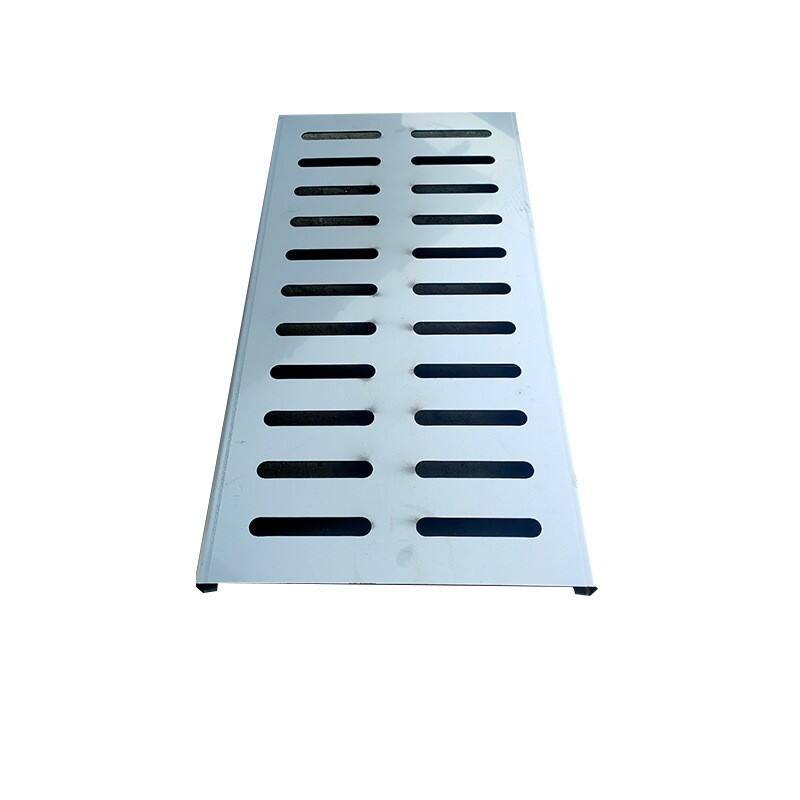
cold rolled strip
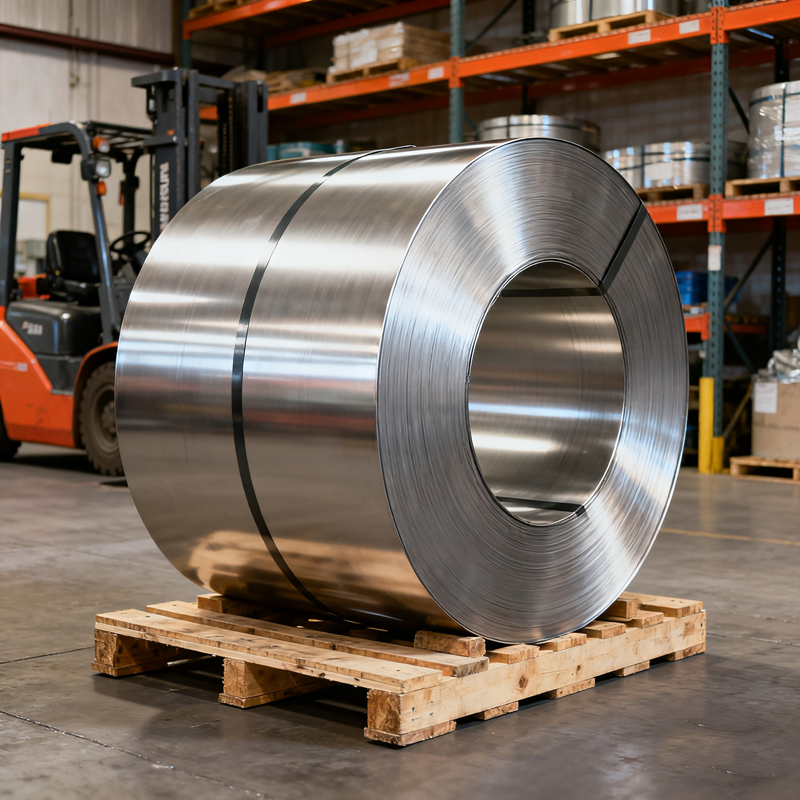
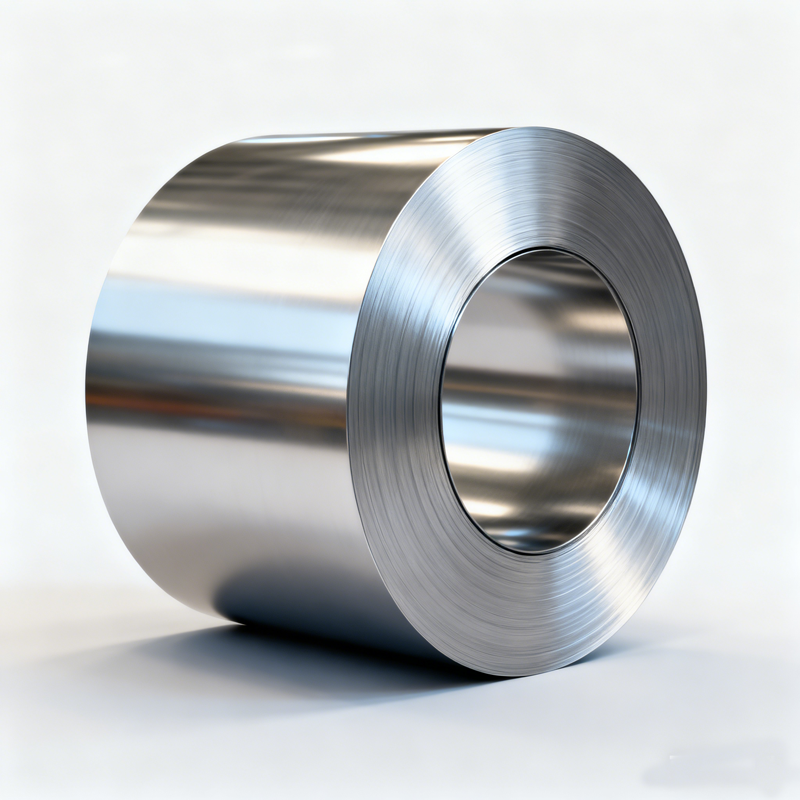
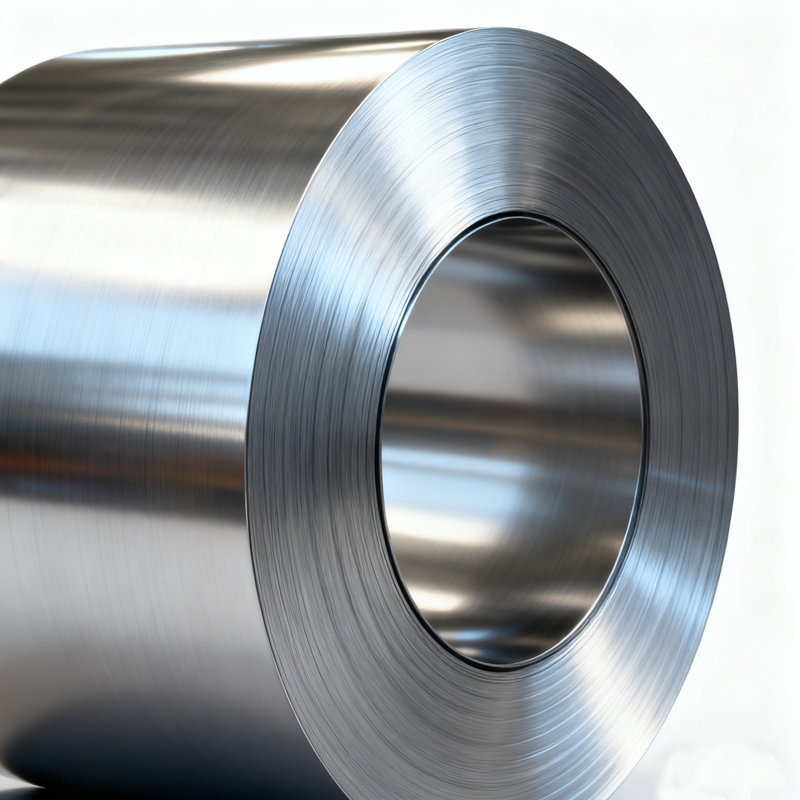
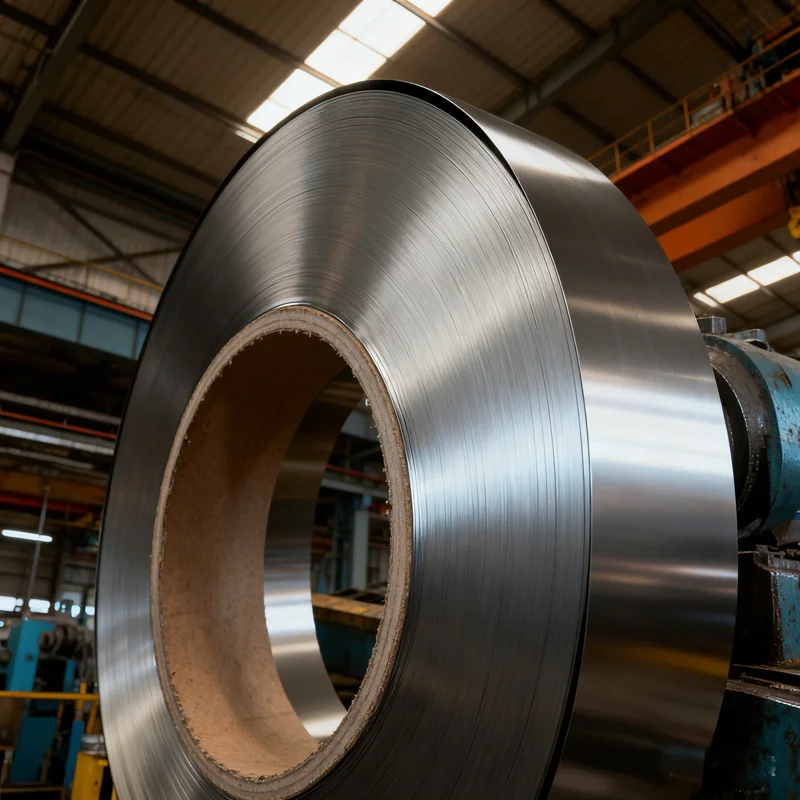
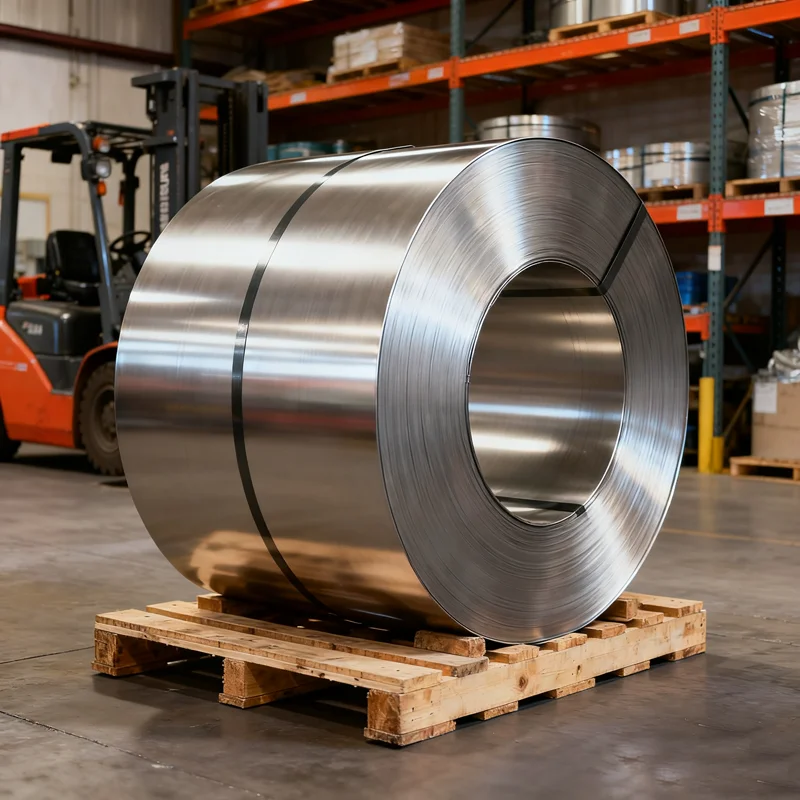
Cold rolled strip represents a fundamental advancement in metal processing technology, delivering superior material properties through precise manufacturing techniques. This specialized steel product undergoes controlled deformation at room temperature, creating a material that exhibits exceptional dimensional accuracy and enhanced mechanical characteristics. The cold rolling process involves passing heated steel through a series of rollers without reheating, which work-hardens the material and produces a smooth, refined surface finish. Cold rolled strip serves multiple industries by providing consistent thickness tolerances, improved surface quality, and enhanced strength properties that exceed those of hot rolled alternatives. Manufacturing facilities utilize sophisticated rolling mills equipped with precision controls to achieve exact specifications, ensuring each cold rolled strip meets stringent quality standards. The process eliminates scale formation typically associated with hot rolling, resulting in cleaner surfaces that require minimal additional processing. Industries ranging from automotive to construction rely on cold rolled strip for components requiring precise dimensions and superior finish quality. The material exhibits excellent formability characteristics, allowing manufacturers to create complex shapes through stamping, bending, and drawing operations. Cold rolled strip demonstrates remarkable consistency in mechanical properties throughout its length and width, making it ideal for applications demanding predictable performance. The refined grain structure achieved through cold working enhances the material's fatigue resistance and durability under cyclic loading conditions. Modern production techniques ensure cold rolled strip maintains tight dimensional tolerances, typically within fractions of millimeters, enabling precise fit and assembly in critical applications. The smooth surface finish eliminates the need for extensive surface preparation in many applications, reducing manufacturing costs and processing time for end users.