
 EN
EN
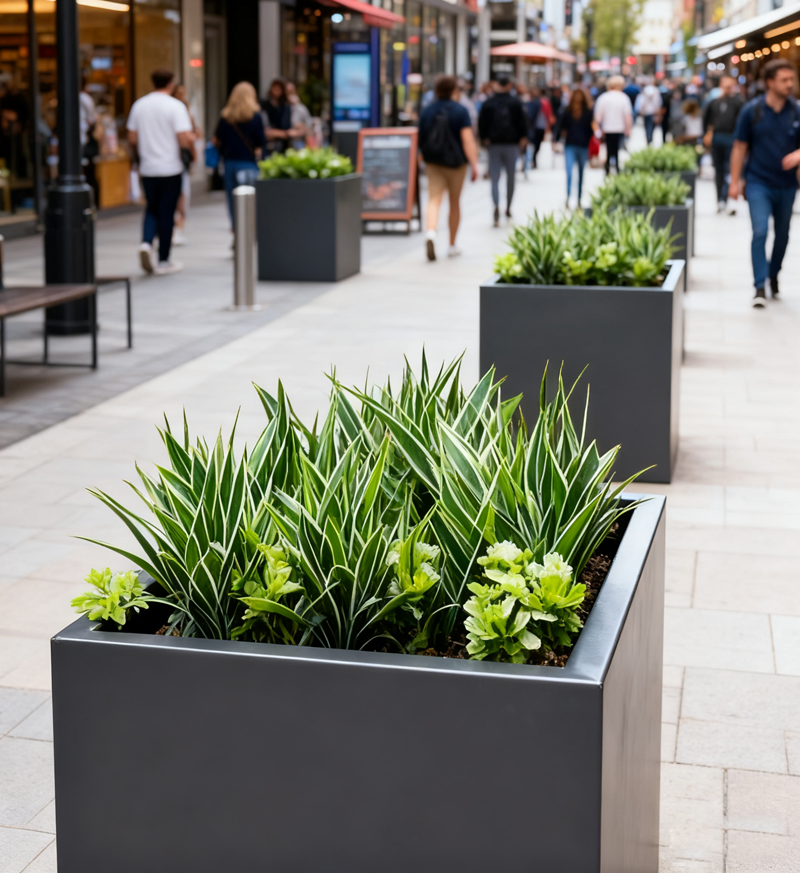
Determining when to replace your outdoor flower box is an essential part of maintaining a vibrant and healthy garden display. Your outdoor flower box serves as both a functional planter and a visual anchor for your property's exterior design, making its condition directly impact your landscaping aesthetic. Many property owners struggle to recognize the right timing for replacement, often waiting until severe damage makes replacement urgent rather than planned. Understanding the key indicators that signal when your outdoor flower box needs upgrading will help you maintain consistent curb appeal while avoiding costly emergency replacements.
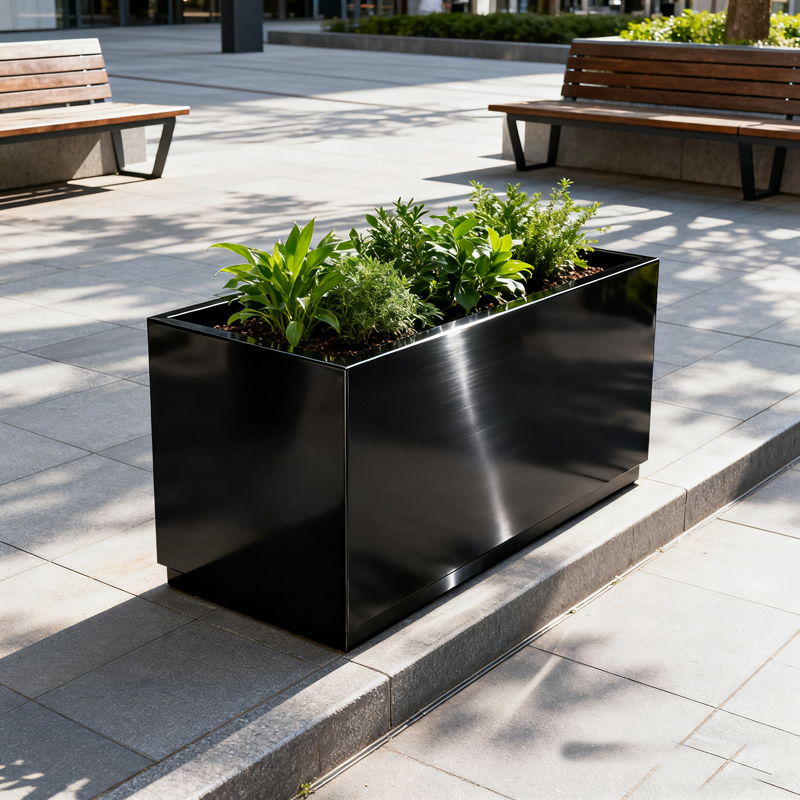
An outdoor flower box is exposed to constant environmental stresses including UV radiation, temperature fluctuations, moisture infiltration, and seasonal weather patterns that gradually degrade materials over time. The lifespan of your outdoor flower box depends heavily on its construction material, local climate conditions, maintenance frequency, and installation quality. Recognizing when your outdoor flower box has reached the end of its serviceable life ensures you can plan replacements proactively rather than scramble when failure occurs unexpectedly. This guide walks you through the critical signs that indicate your outdoor flower box requires replacement and helps you make informed decisions about upgrade timing.
Physical Damage and Structural Deterioration Signs
Visible Cracks, Splits, and Material Failure
One of the most obvious indicators that your outdoor flower box needs replacement is the presence of visible cracks, splits, or breaks in the material structure. Wood-based outdoor flower box designs often develop stress fractures as wood fibers expand and contract with temperature changes and moisture absorption cycles. When your outdoor flower box shows cracks wider than one-eighth inch or splits that run along the grain, structural integrity becomes compromised and internal rot typically follows. Metal outdoor flower box containers may develop rust spots that penetrate through the material, creating holes that cause drainage failure and compromise the planter's ability to hold soil securely. Once structural damage appears in your outdoor flower box, water infiltration accelerates material degradation and replacement becomes the most practical solution.
Rot, Rust, and Material Decay Progression
Wooden outdoor flower box planters develop internal rot when moisture penetrates the material and fungi begin breaking down wood fibers from within. The presence of soft spots that yield to gentle pressure indicates your outdoor flower box has experienced significant decay, compromising its load-bearing capacity and creating safety concerns. Rust formation on metal outdoor flower box containers begins as surface discoloration but progresses to structural weakness as corrosion eats through the material thickness. When your outdoor flower box shows rust that appears as flaking, pitting, or holes, replacement prevents potential collapse and the mess of falling soil or plants. Concrete outdoor flower box designs may develop spalling or surface crumbling, indicating freeze-thaw cycle damage that will continue expanding until replacement becomes necessary.
Functional Performance and Drainage Issues
Poor Drainage and Water Management Failures
Proper drainage is critical for plant health, and when your outdoor flower box no longer drains adequately, root rot and plant disease become inevitable consequences. Blockages in drainage holes may indicate that your outdoor flower box needs thorough cleaning rather than replacement, but collapsed or warped drainage channels signal structural failure requiring replacement. If water accumulates inside your outdoor flower box despite proper soil profile and you've confirmed drainage holes remain open, material warping or internal damage has likely occurred. Plants consistently showing wilting, yellowing leaves, or fungal growth despite proper watering schedules indicate your outdoor flower box's drainage system has failed. Replacement ensures your outdoor flower box restores proper water management and provides an environment where plants can thrive without root-related stress.
Soil Retention and Containment Failure
Your outdoor flower box should contain soil securely without excessive seepage or erosion at the material joints and seams. Material separation, warping, or deterioration at connection points causes soil to migrate out of your outdoor flower box with each watering and rainfall event. When your outdoor flower box loses structural rigidity, the sides may bow outward, creating stress at joints that accelerates material separation and soil loss. Consistent soil loss from your outdoor flower box requires more frequent soil amendments and indicates replacement should be prioritized. A properly functioning outdoor flower box maintains soil containment through its original service life, so loss of this capability signals replacement timing has arrived.
Environmental Impact and Performance Degradation
UV Damage, Fading, and Surface Deterioration
Prolonged sun exposure causes your outdoor flower box materials to undergo surface degradation, color fading, and structural weakening that progress over multiple seasons. Plastic-based outdoor flower box containers become brittle and prone to cracking as UV radiation breaks down polymer bonds, reducing flexibility and increasing breakage risk. Painted wooden outdoor flower box planters eventually develop peeling, flaking, or chalking paint surfaces that expose underlying material to accelerated weathering. When your outdoor flower box shows extensive fading, paint failure, or surface brittleness, aesthetic value declines and material longevity approaches its end. While refinishing or repainting your outdoor flower box may extend service life temporarily, extensive UV damage typically signals that replacement offers better long-term value.
Seasonal Stress and Climate-Related Wear Patterns
Cold climate regions expose your outdoor flower box to freeze-thaw cycles that create enormous internal stress as absorbed water expands during freezing. Materials repeatedly cycling through freezing and thawing develop micro-fractures that accumulate over seasons until visible cracks and structural failure appear. Your outdoor flower box in hot, dry climates may develop excessive shrinkage cracks in wood or concrete, compromising structural integrity even without direct water damage. Spring and fall seasonal changes often reveal that your outdoor flower box has developed new damage patterns during the previous winter's freeze-thaw cycles. If your outdoor flower box consistently requires significant maintenance after each winter season or shows accelerating damage patterns, climate-related degradation indicates replacement timing has arrived.
FAQ
How long does a typical outdoor flower box last before replacement?
The lifespan of your outdoor flower box varies significantly based on material composition and local climate, typically ranging from three to fifteen years. High-quality wood outdoor flower box designs with proper maintenance may last eight to twelve years, while plastic models often require replacement after five to eight years. Premium metal outdoor flower box containers with corrosion-resistant coatings can perform reliably for ten to fifteen years in moderate climates. Concrete outdoor flower box planters frequently outlast wood and plastic alternatives, often lasting twelve to twenty years with minimal maintenance. Regular cleaning, protective coatings, and addressing damage promptly can extend your outdoor flower box's service life beyond average expectations.
Can I repair my outdoor flower box instead of replacing it?
Minor damage to your outdoor flower box such as small cracks, chipped edges, or cosmetic issues can often be repaired with appropriate materials and techniques. Repainting or restaining your outdoor flower box refreshes its appearance and protects underlying materials, extending service life by several years. However, structural damage such as deep cracks, material rot, or rust penetration typically makes repair impractical compared to replacement costs. Broken drainage components or warped walls in your outdoor flower box are usually better addressed through replacement rather than attempted repair. Evaluate repair costs against replacement expenses before committing to fix your outdoor flower box, as major structural issues usually justify investing in a new unit.
What materials offer the longest lifespan for an outdoor flower box?
Stainless steel outdoor flower box designs offer exceptional durability and corrosion resistance, typically lasting fifteen to twenty years with minimal maintenance requirements. Composite materials and reinforced polymers designed specifically for outdoor flower box applications provide excellent longevity while resisting rot and insect damage that plague traditional wood. Concrete outdoor flower box planters deliver impressive durability and longevity, often serving reliably for fifteen to twenty years in most climates. Treated wood outdoor flower box options last eight to twelve years with proper maintenance, offering a balance between cost and durability. When selecting your outdoor flower box replacement, prioritizing material quality and climate appropriateness ensures maximum service life and minimal future replacement cycles.