304 Stainless Steel Coil - Premium Corrosion Resistant Material for Industrial Applications

All Categories

Get a Free Quote

Our representative will contact you soon.
Email
Name
Company Name
Message
0/1000

304 stainless coil

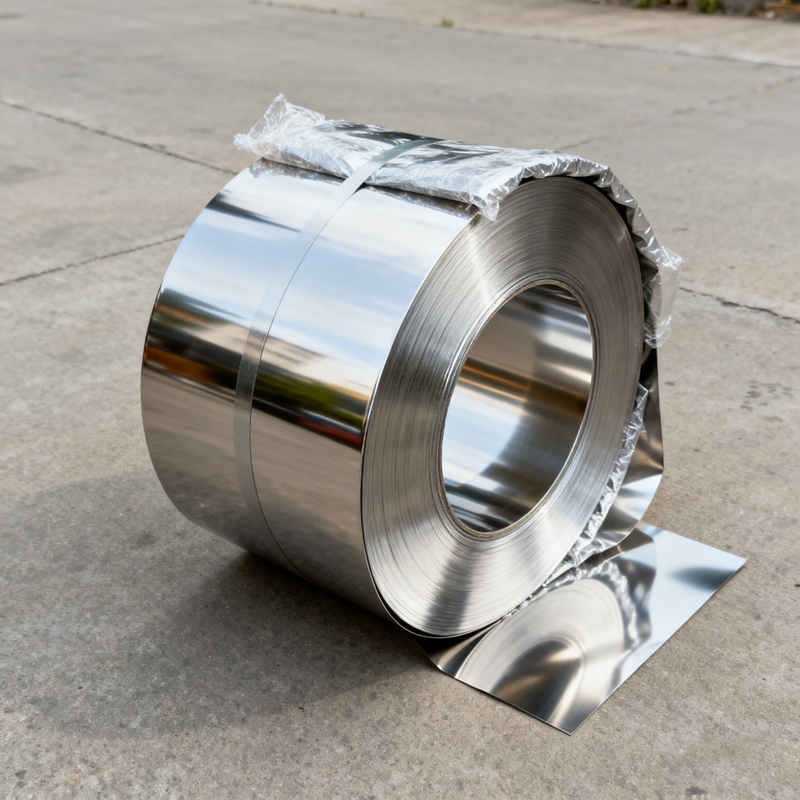
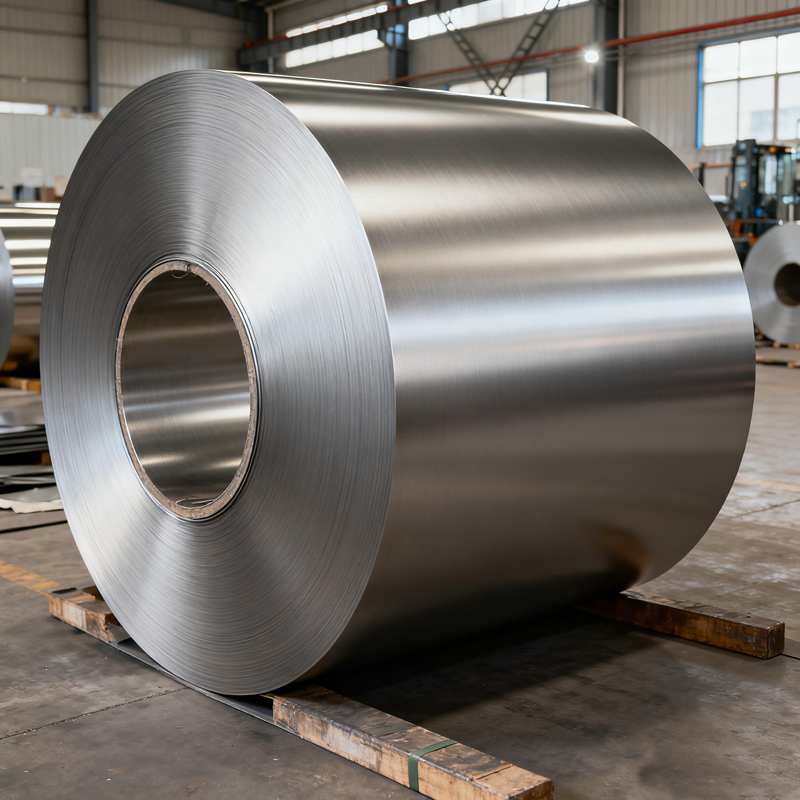
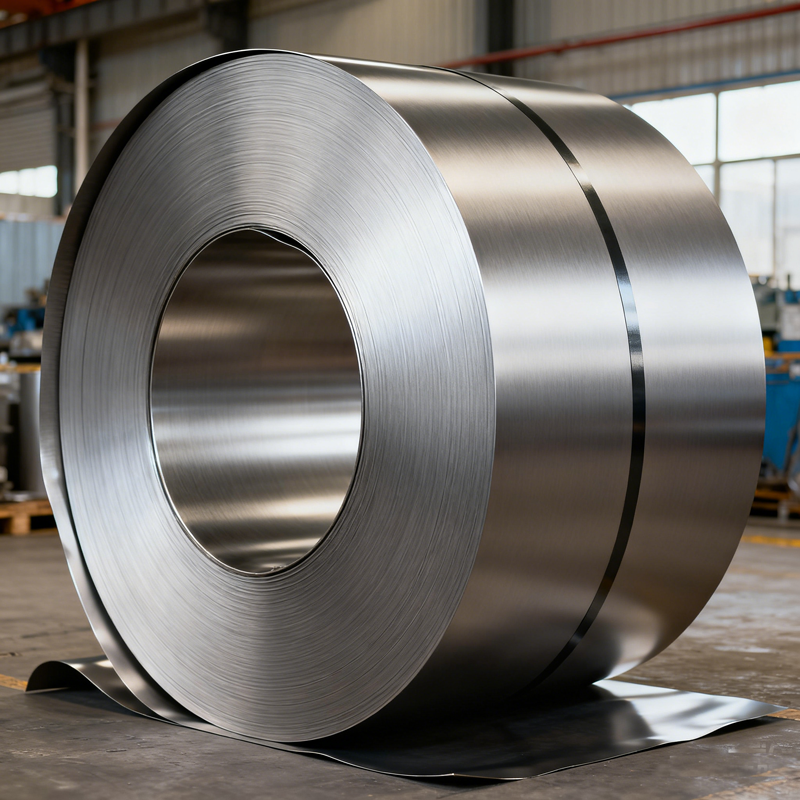
The 304 stainless coil represents one of the most versatile and widely used metal products in modern industrial applications. This premium grade stainless steel coil contains chromium and nickel alloys that provide exceptional resistance to corrosion and oxidation. The 304 stainless coil serves as a fundamental material for countless manufacturing processes across diverse industries. Its main function centers on delivering reliable performance in environments where traditional metals would fail due to chemical reactions or environmental stress. The technological features of the 304 stainless coil include superior formability, allowing manufacturers to shape and mold the material without compromising its structural integrity. This flexibility makes the 304 stainless coil ideal for complex fabrication projects requiring precise specifications. The coil format enables efficient processing through rolling mills and cutting equipment, maximizing material utilization while minimizing waste. Temperature resistance stands as another crucial technological feature, with the 304 stainless coil maintaining its properties across a wide range of operating conditions. Applications for the 304 stainless coil span numerous sectors including food processing, pharmaceutical manufacturing, architectural construction, and automotive production. In food service environments, the 304 stainless coil provides hygienic surfaces that resist bacterial growth and facilitate easy cleaning procedures. Pharmaceutical companies rely on the 304 stainless coil for equipment that must meet stringent purity standards. Construction projects utilize the 304 stainless coil for both structural components and decorative elements that require long-term durability. The automotive industry incorporates the 304 stainless coil into exhaust systems, trim pieces, and fuel components where corrosion resistance proves essential. Manufacturing efficiency improves significantly when using the 304 stainless coil due to its consistent quality and predictable performance characteristics. The material's non-magnetic properties make it suitable for electronic applications where magnetic interference must be avoided.

Popular Products

The 304 stainless coil delivers remarkable cost-effectiveness compared to other premium metal alternatives. Businesses save money through reduced maintenance requirements since the 304 stainless coil resists rust and corrosion naturally. This durability translates into longer equipment lifespans and fewer replacement cycles. Companies experience lower operational costs because the 304 stainless coil maintains its appearance and functionality without requiring frequent repairs or refinishing. The material's resistance to staining means cleaning procedures become simpler and less time-consuming. Workers can maintain surfaces made from 304 stainless coil using standard cleaning products without specialized chemicals or extensive labor. Manufacturing processes benefit from the excellent workability of the 304 stainless coil. The material responds well to various forming techniques including bending, welding, and machining operations. This versatility allows manufacturers to create complex shapes and designs without material failure or quality degradation. The 304 stainless coil maintains consistent properties throughout the coil length, ensuring uniform results in production runs. Quality control becomes more predictable when using the 304 stainless coil because its composition remains stable under normal processing conditions. Environmental benefits make the 304 stainless coil an attractive choice for sustainable manufacturing practices. The material contains recycled content and remains fully recyclable at the end of its service life. Companies can meet environmental compliance requirements more easily when incorporating the 304 stainless coil into their products. The long service life reduces material consumption over time, supporting corporate sustainability goals. Safety advantages emerge from the non-toxic nature of the 304 stainless coil in food contact applications. Unlike some metal alternatives, the material does not leach harmful substances into food or beverages. This safety profile allows food processors to use the 304 stainless coil with confidence in direct contact applications. The smooth surface finish available with the 304 stainless coil prevents bacterial accumulation and facilitates thorough sanitization procedures. Temperature stability ensures the 304 stainless coil performs reliably across seasonal variations and process temperature changes. The material resists thermal expansion and contraction that could cause stress fractures in less suitable alternatives.

Latest News

Why Is Stainless Steel Grating Ideal for High-Load Environments?

17

Dec

Why Is Stainless Steel Grating Ideal for High-Load Environments?

In industrial and commercial environments where heavy loads and constant traffic are the norm, selecting the right flooring and drainage solutions becomes critical for operational safety and efficiency. Stainless steel grating has emerged as the pref...
View More
Which Stainless Steel Manhole Cover Fits Your Needs?

02

Jan

Which Stainless Steel Manhole Cover Fits Your Needs?

Urban infrastructure relies heavily on durable access solutions that can withstand decades of heavy traffic while maintaining their structural integrity. Among the various materials available for manhole covers, stainless steel has emerged as the pre...
View More
What Are Stainless Steel Manhole Covers Used For?

22

Jan

What Are Stainless Steel Manhole Covers Used For?

Urban infrastructure relies heavily on access points that provide maintenance crews with safe and efficient entry to underground utility systems. Modern cities increasingly demand durable, aesthetically pleasing solutions that can withstand heavy tra...
View More
What Is Sheet Metal Processing and How Does It Work?

11

Mar

What Is Sheet Metal Processing and How Does It Work?

Sheet metal processing represents a fundamental manufacturing discipline that transforms flat metal sheets into functional components through various fabrication techniques. This versatile manufacturing approach encompasses cutting, forming, joining,...
View More

Get a Free Quote

Our representative will contact you soon.
Email
Name
Company Name
Message
0/1000

304 stainless coil

Superior Corrosion Resistance Engineering

Superior Corrosion Resistance Engineering

The exceptional corrosion resistance of the 304 stainless coil stems from its carefully balanced chemical composition featuring chromium and nickel elements. This metallurgical design creates a protective oxide layer that self-repairs when damaged, ensuring continuous protection against environmental degradation. The 304 stainless coil demonstrates remarkable resistance to various corrosive agents including acids, alkalis, and salt solutions commonly encountered in industrial environments. This resistance extends equipment service life significantly compared to carbon steel or aluminum alternatives. In marine applications, the 304 stainless coil withstands saltwater exposure without developing pitting or crevice corrosion that destroys lesser materials. Chemical processing facilities rely on the 304 stainless coil for handling moderately corrosive substances without material degradation. The passive corrosion resistance eliminates the need for protective coatings or frequent maintenance interventions that increase operational costs. Food processing operations benefit tremendously from this corrosion resistance because the 304 stainless coil maintains sanitary conditions without chemical treatments that could contaminate products. The material's resistance to organic acids naturally present in many foods ensures long-term reliability in direct contact applications. Pharmaceutical manufacturers choose the 304 stainless coil for critical applications where material contamination could compromise product purity and patient safety. The corrosion resistance remains effective across wide pH ranges, making the 304 stainless coil suitable for diverse chemical environments. Architectural applications showcase the aesthetic benefits of corrosion resistance, as the 304 stainless coil maintains its attractive appearance for decades without unsightly rust stains or surface degradation. This durability makes the material ideal for exterior building components exposed to weather variations and urban pollutants. The economic value of superior corrosion resistance becomes evident through reduced replacement frequencies and lower lifecycle costs.
Exceptional Formability and Processing Versatility

Exceptional Formability and Processing Versatility

The outstanding formability characteristics of the 304 stainless coil enable manufacturers to create complex geometries and intricate designs without material failure or quality compromise. This exceptional workability results from the material's austenitic crystal structure, which maintains ductility even during severe forming operations. The 304 stainless coil responds excellently to deep drawing processes, allowing manufacturers to produce seamless containers, vessels, and complex shapes with minimal material waste. Roll forming operations benefit from the consistent mechanical properties throughout the coil length, ensuring uniform results across extended production runs. The material's work hardening characteristics provide additional strength in formed sections while maintaining adequate ductility for further processing steps. Welding operations proceed smoothly with the 304 stainless coil due to its favorable thermal properties and resistance to heat-affected zone cracking. The material accepts various welding techniques including tungsten inert gas, metal inert gas, and resistance welding methods. Post-weld heat treatment requirements remain minimal, reducing processing time and energy costs. Machining operations find the 304 stainless coil cooperative under proper cutting conditions, producing clean finishes and accurate dimensions. The material's galling resistance during forming operations prevents surface damage that could compromise appearance or functionality. Bending operations achieve tight radii without cracking or surface distortion, enabling designers to specify challenging geometries with confidence. The 304 stainless coil maintains dimensional stability during processing, reducing scrape rates and improving manufacturing efficiency. Stamping operations benefit from the material's ability to flow smoothly into die cavities while maintaining structural integrity. The consistent thickness tolerance of the 304 stainless coil ensures predictable forming behavior and reduces setup time for production equipment. Surface finishing operations including polishing, brushing, and texturing produce excellent results on the 304 stainless coil, allowing manufacturers to achieve desired aesthetic effects.
Outstanding Temperature Performance and Thermal Stability

Outstanding Temperature Performance and Thermal Stability

The remarkable temperature performance of the 304 stainless coil encompasses both high-temperature strength retention and low-temperature toughness preservation across operational ranges. This thermal stability makes the material invaluable for applications experiencing temperature cycling or extreme thermal conditions. The 304 stainless coil maintains structural integrity at elevated temperatures up to 870 degrees Celsius in intermittent service, enabling its use in heat exchangers, exhaust systems, and thermal processing equipment. The material's low thermal expansion coefficient minimizes dimensional changes during temperature variations, reducing stress concentrations that could lead to premature failure. Thermal conductivity properties of the 304 stainless coil provide efficient heat transfer in applications requiring thermal management while maintaining corrosion resistance. Food service equipment benefits from the material's ability to withstand sterilization temperatures without degradation or dimensional instability. The 304 stainless coil resists thermal shock conditions that occur during rapid temperature changes, maintaining reliability in demanding thermal environments. Cryogenic applications utilize the material's retained ductility at sub-zero temperatures, preventing brittle fracture that affects some stainless steel grades. The austenitic structure of the 304 stainless coil remains stable across temperature ranges, avoiding phase transformations that could compromise mechanical properties. Heat treatment processes can modify the 304 stainless coil properties for specific applications while maintaining the fundamental corrosion resistance characteristics. Thermal cycling tests demonstrate the material's ability to withstand repeated heating and cooling without fatigue failure or property degradation. The 304 stainless coil maintains consistent thermal properties throughout its thickness, ensuring predictable performance in thermal applications. Welded assemblies using the 304 stainless coil show excellent thermal stability without heat-affected zone brittleness or corrosion susceptibility. Industrial furnace components benefit from the material's oxidation resistance at elevated temperatures, maintaining surface integrity during extended high-temperature exposure.

Get a Free Quote

Our representative will contact you soon.
Email
Name
Company Name
Message
0/1000