stampaggio di lamiere metalliche
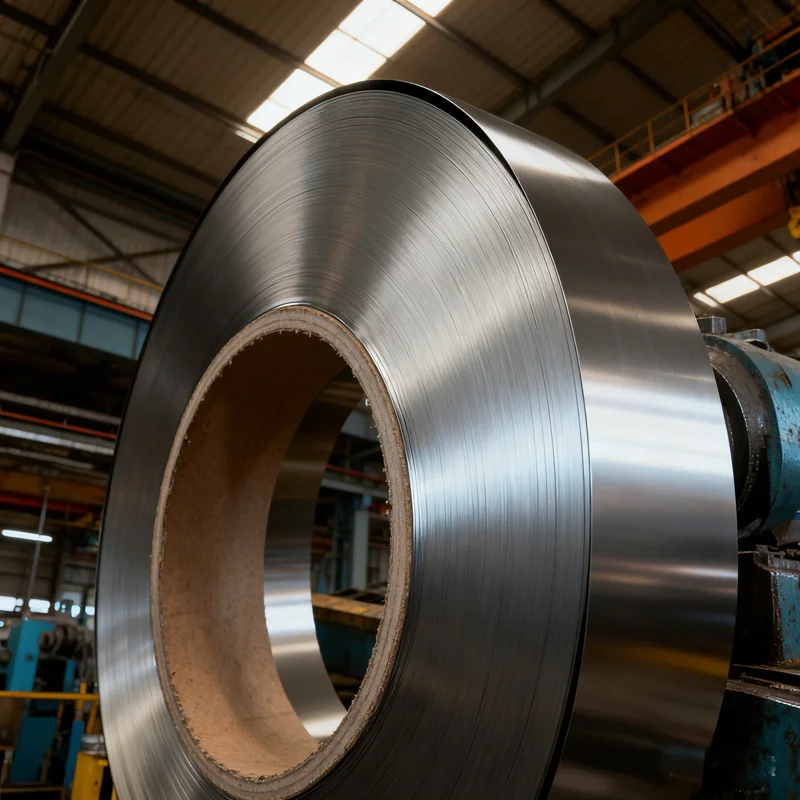
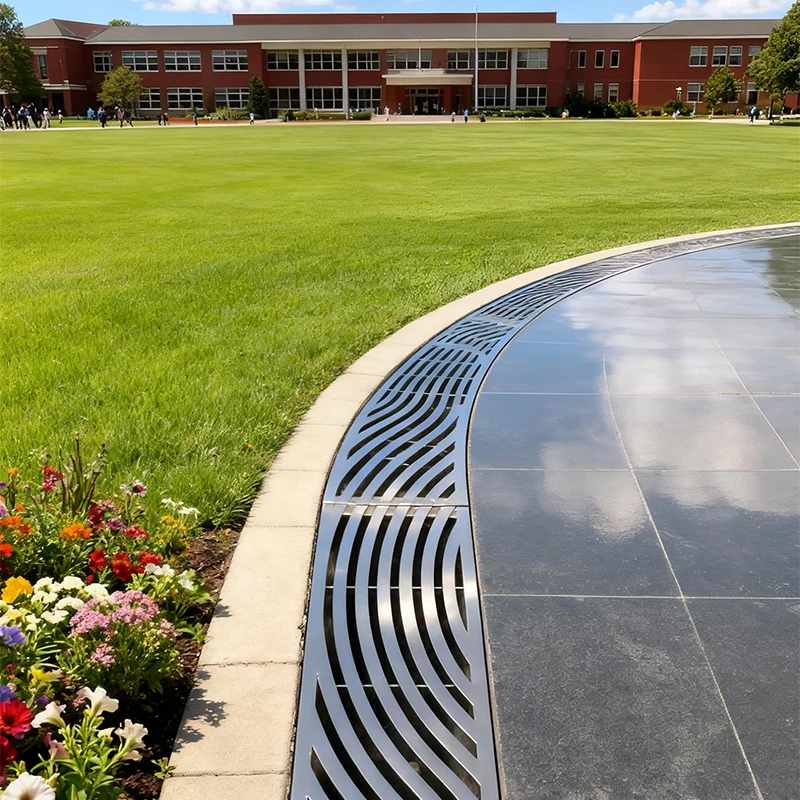
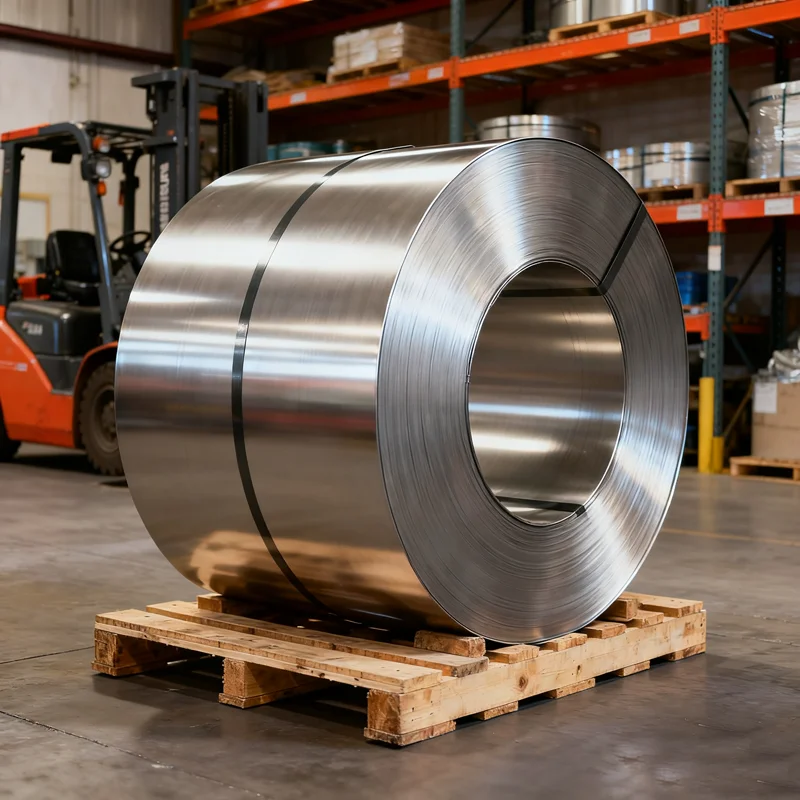
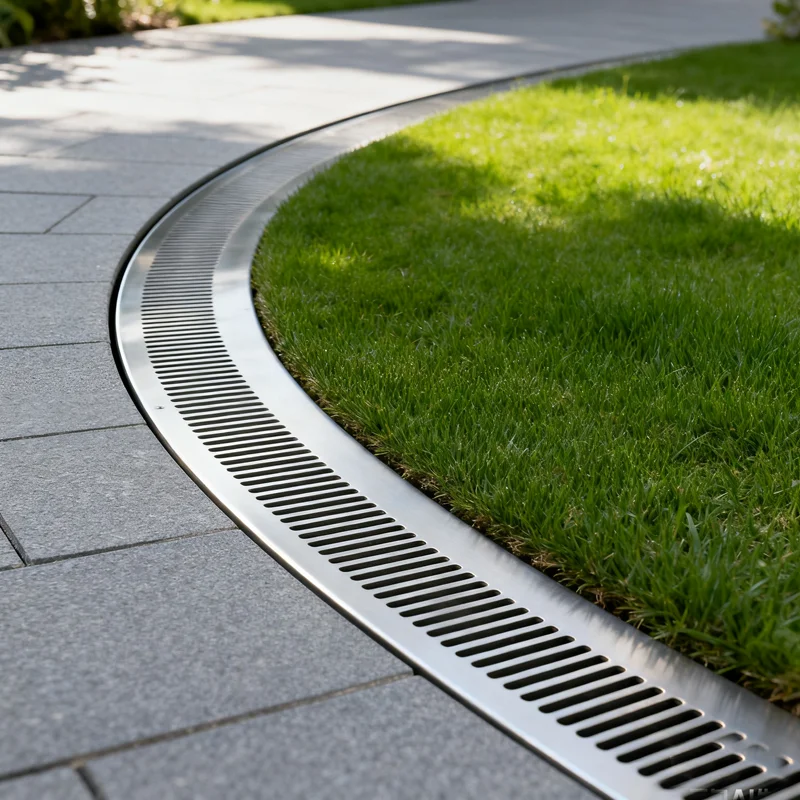
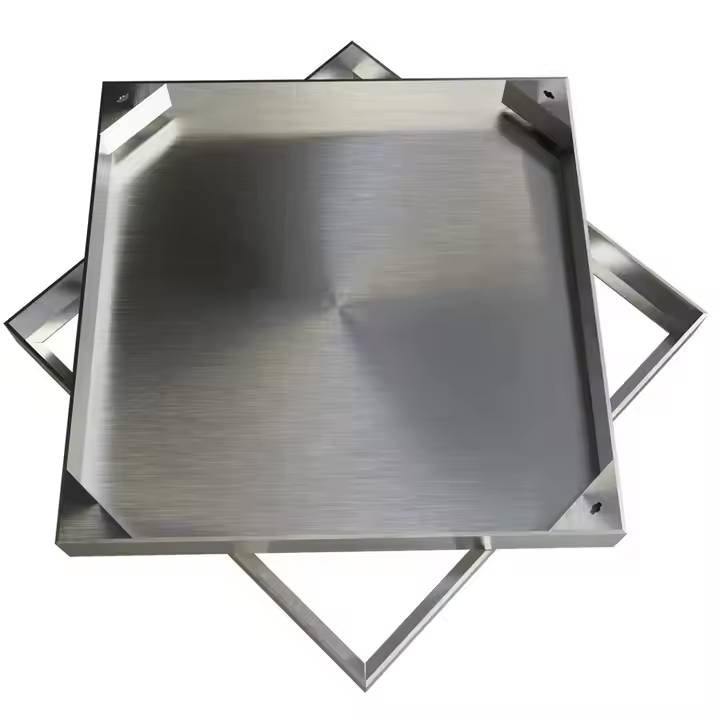
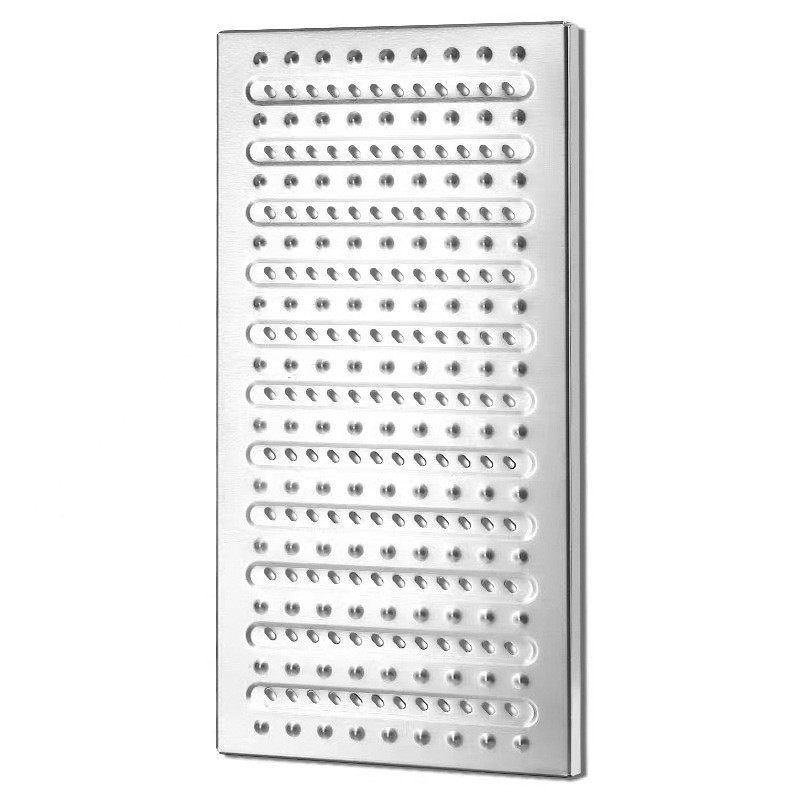
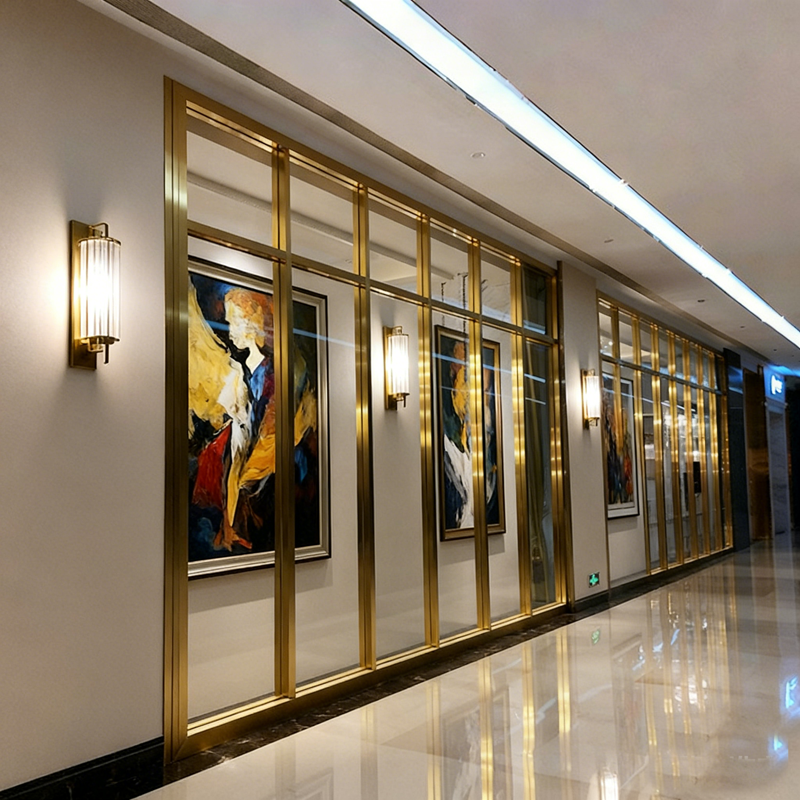
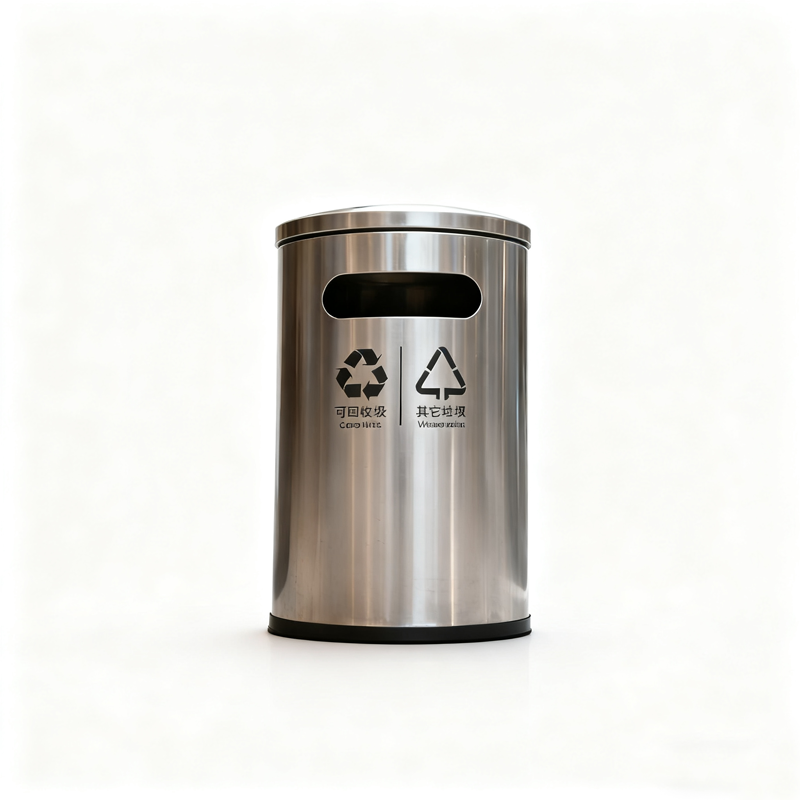
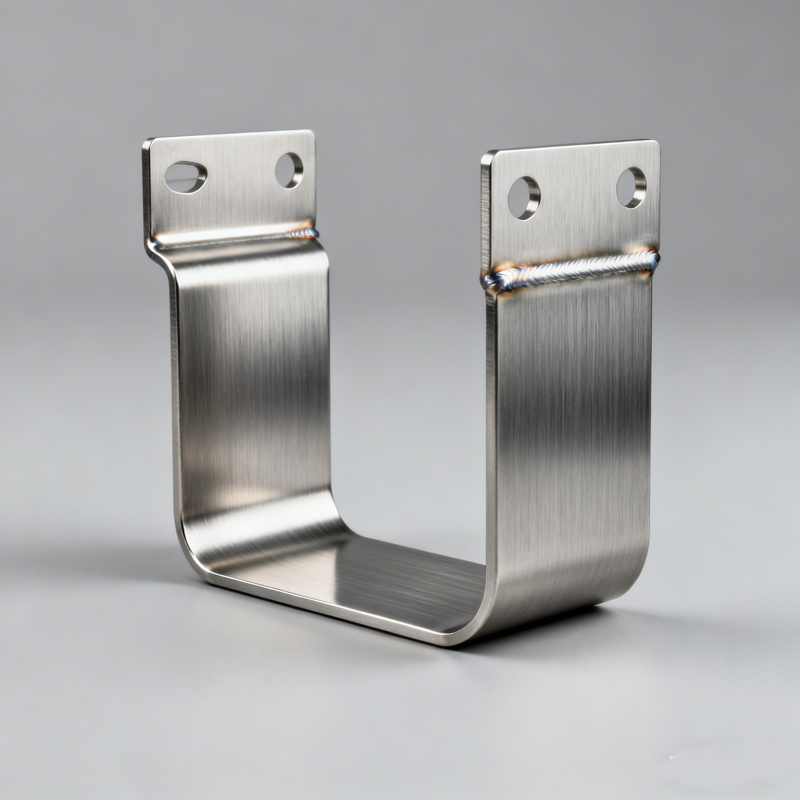
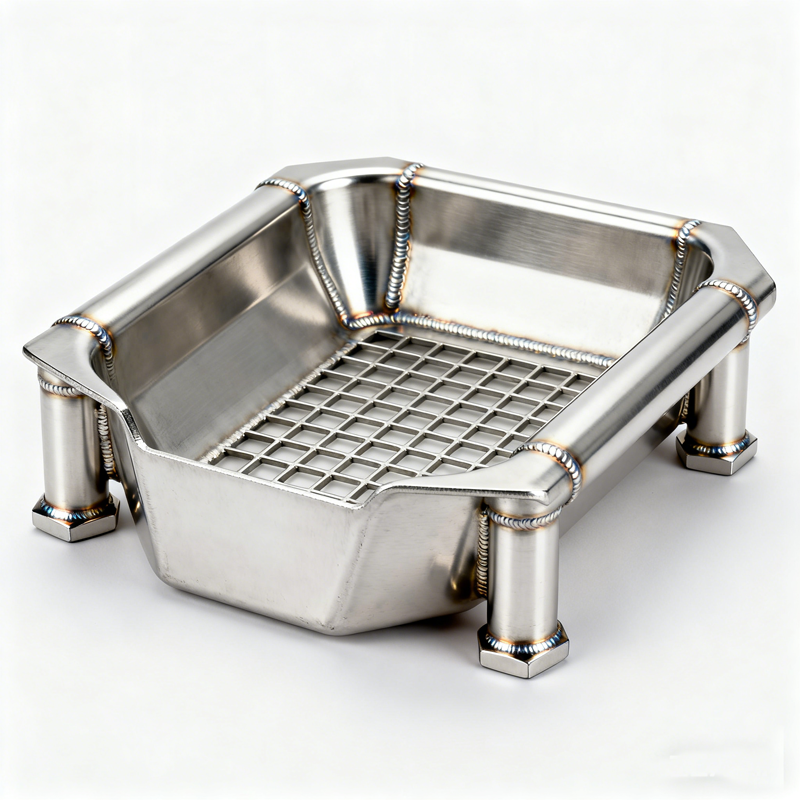
Le lavorazioni a stampaggio di lamiere rappresentano un processo produttivo fondamentale che trasforma fogli metallici piani in componenti di forma precisa mediante tecniche di imbutitura ad alta pressione. Questo processo prevede il posizionamento di fogli metallici grezzi in matrici specializzate e l’applicazione di una forza considerevole per creare forme complesse, tagli e caratteristiche tridimensionali in un’unica operazione o in più fasi sequenziali. La funzione principale delle lavorazioni a stampaggio di lamiere è produrre parti metalliche con eccezionale precisione e ripetibilità, preservando al contempo l’integrità del materiale. Le caratteristiche tecnologiche delle lavorazioni a stampaggio di lamiere comprendono sistemi avanzati di presse idrauliche o meccaniche in grado di esercitare una forza controllata, matrici progettate con precisione per geometrie specifiche dei componenti e meccanismi automatizzati di alimentazione che garantiscono risultati riproducibili. Le moderne lavorazioni a stampaggio di lamiere utilizzano la tecnologia del controllo numerico computerizzato (CNC) per ottimizzare la distribuzione della pressione e i tempi di ciclo. Le lavorazioni a stampaggio di lamiere trovano ampie applicazioni in numerosi settori, tra cui la produzione automobilistica, l’ingegneria aerospaziale, la fabbricazione di elettrodomestici e la realizzazione di apparecchiature elettriche. La versatilità delle lavorazioni a stampaggio di lamiere le rende ideali per la produzione di staffe, pannelli, telai, involucri e componenti decorativi. Dalle piccole parti intricate ai grandi pannelli strutturali, le lavorazioni a stampaggio di lamiere offrono prestazioni affidabili. I settori industriali dipendono da queste lavorazioni per produrre componenti conformi a rigorosi standard qualitativi, mantenendo al contempo un’elevata efficienza economica. La capacità di produrre in serie lavorazioni a stampaggio di lamiere con spreco minimo e alta precisione rende questo processo indispensabile negli attuali ambienti produttivi.

 EN
EN