
 EN
EN
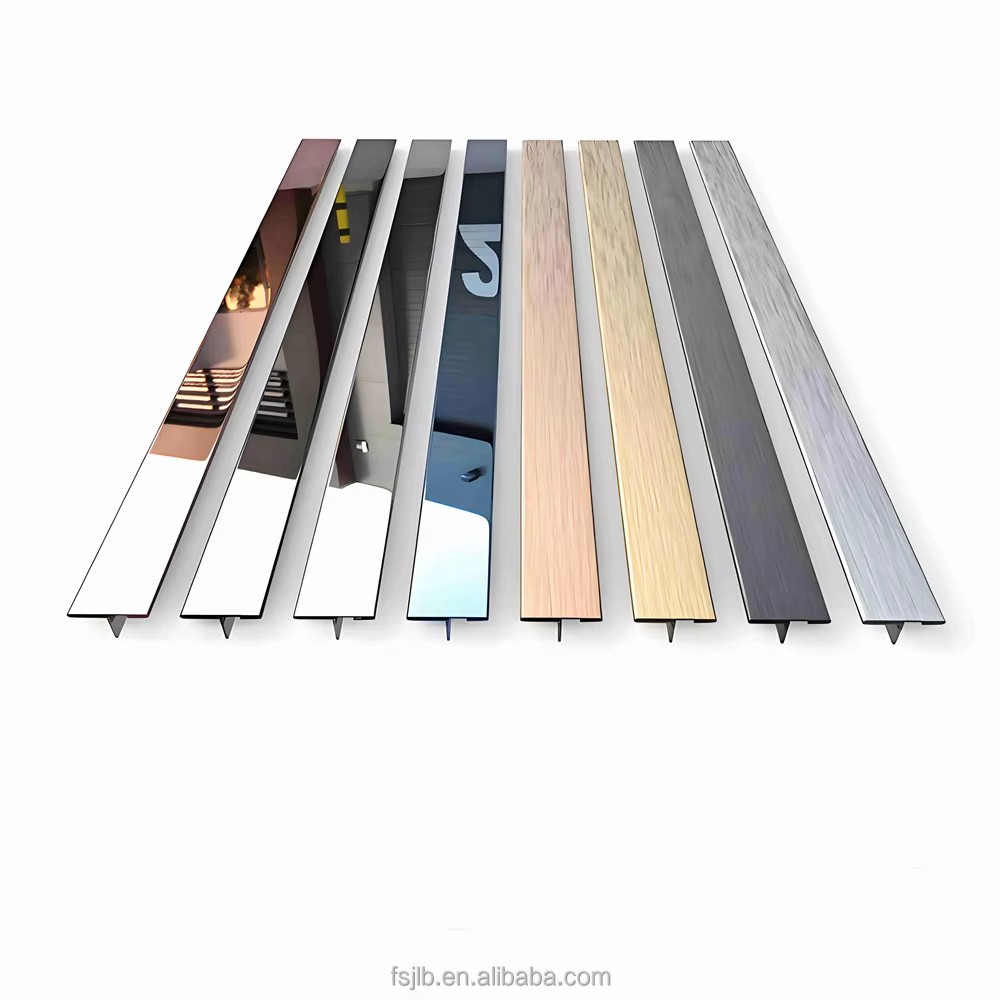
כאשר מדובר בפרטי גימור שמגדירים את האיכות של מרחב פנימי, מעט מאוד רכיבים מבצעים באופן עקבי כמוהו של חיפוי שוליים מנירוסטה . מהלוביים המסחריים בעלי הזרימה הגבוהה ועד המטבחים הביתיים המתוכננים במדויק – חומר זה זכה למקום קבוע במילון הבנייה הפנימית המודרנית. שילוב התנגדות המבנית שלו והאופי החזותי המושלם שלו הופך אותו לאחת הפתרונות הוויזואליים היעילים ביותר הזמינים לעיצובנים, קבלנים ומפתחים כיום.
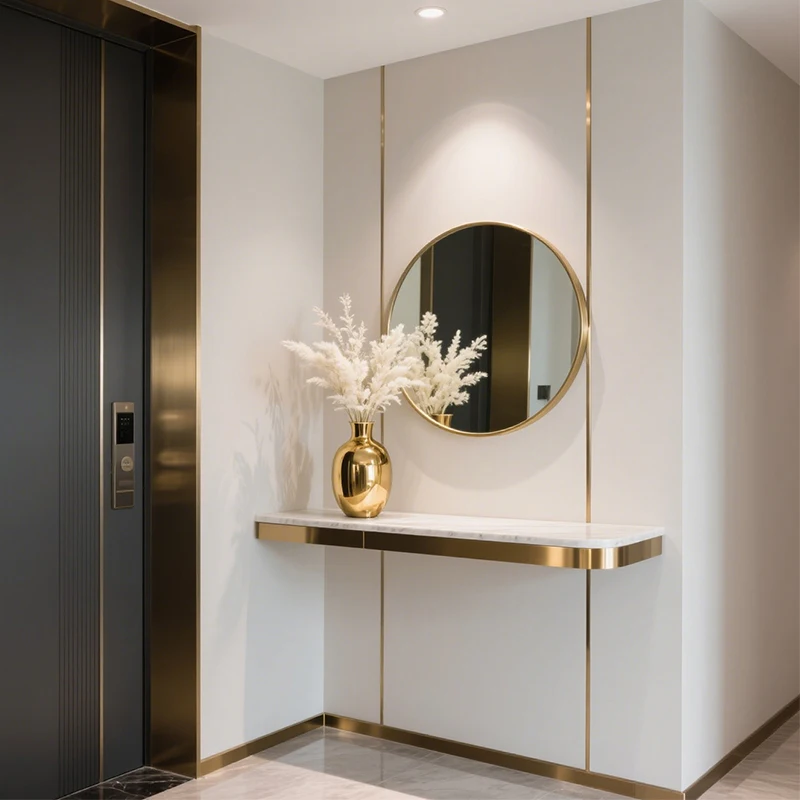
הכרת המקומות שבהם נמצאת טיפת פלדה לא חלודה לסיום קצוות במרחבים פנימיים עוזרת הן למפרטים והן למשתמשים הסופיים לקבל החלטות חכמות יותר לגבי פרויקטים שלהם. השימושים משתרעים על ספקטרום רחב של משטחים, סביבות ודרישות תפקודיות. בין אם המטרה היא להגן על קצה רגיש, ליצור מעבר חלק בין חומרים או לשפר את המראה החזותי הכולל של המרחב – טיפת פלדה לא חלודה לסיום קצוות מספקת באופן עקבי ערך תפקודי ואסתטי במספר הקשרים פנימיים.
מעבר לקצוות של אריחים ואבן
הגנה על קצות האריחים הגלויים
אחת מהיישומים הנפוצים ביותר של שפה מסיליקון נירוסטה בפנים היא הגנה וסיום של קצות אריחים חשופים. כאשר אריחים בגודל גדול מותקנים בריצפה, בקיר או על משטחים ייחודיים, הקצוות המגולפים שלהם פגיעים באופן טבעי לשבירה, התנתקות וחדירת לחות. שפת נירוסטה מספקת כיסוי נקי ועמיד שמשמר את הקצוות האלה מפני פגיעה מכנית ובלאי יומי.
במערכות האמבטיה במיוחד, שילוב של חשיפה למים וזרימת רגליים יוצר אזור סיכון גבוה לקצוות אריחים לא محمים. פרופיל שפה מסיליקון נירוסטה שהותקן כראוי יוצר מחסום פיזי שמונע מהמים לחדור מתחת לשדה האריחים, ובכך מפחית את הסיכון לפגיעת התחתית לאורך זמן. עמידות החומר בפני קורוזיה הופכת אותו למתאים באופן טבעי לסביבה הדרמטית הזו.
מעבר לפונקציה, הגימור המתכתי של פס גבול מפלדת אל חלד מוסיף קו חדה ומוגדר בקצוות האריחים שנראה מכוון ומעוצב היטב. זה מאוד מוערך בעיצובים פנימיים מודרניים ומינימליסטיים שבהם קצוות גולמיים חשופים ייראו לא גמורים או לא מעוצבים היטב.
ניהול מעברים בין חומרי ריצפה שונים
במרחבים פנימיים קיימים לעתים קרובות מעברים בין חומרי ריצפה שונים — אריחים הנפגשים עם עץ, אבן הנפגשת עם ויניל, או חרסינה הנפגשת עם בטון מפולש. אזורי המעבר הללו הם בין האזורים המוטרדים מכנית ביותר בכל תוכנית ריצפה, ותלויים בתנועת הולכי הרגל, הזזת רהיטים והתרחבות חום דיפרנציאלית. פס גבול מפלדת אל חלד משמש כפס מעבר יעיל המתאם את שינויי החומרים הללו בצורה נקיה.
הפרופילים המדויקים הזמינים בדיקות קצה מפלדת אל חלד מאפשרים למתקינים ליצור מעברים חלקים ומשולבים שמביאים לסיום נקי ללא סיכונים של נפילה ומונעים התנתקות הקצה לאורך זמן. בסביבות מסחריות כגון חנויות קמעונאיות, מבואות מלונות ומרחבי משרדים, סוג זה של סיום מעבר נקי נחשב לסימן של אמנות ייצור באיכות גבוהה ותשומת לב לפרטים.
העמידות של דיקות הקצה מפלדת אל חלד ביישומים של מעברים היא חשובה במיוחד בסביבות עם תנועה רבה, שבהן חומרים רכים יותר למעברי מעבר יתכווצו, ישנה צבעם או יכשלו תוך פרק זמן קצר. פלדת אל חלד שומרת על הגאומטריה שלה והמראה החיצוני שלה לאורך שנים של שימוש כבד.
יישומים לארונות מטבח ואמבטיה
דיקות לקצוות של לוחות ארונות ולשפות
בעיצוב מטבחים וסלונים, ניקל-פלדה משמשת לסיום הקצוות הגלויים של לוחות ארון, שולחנות עבודה ומדפים. בעת עבודה בחומרים כגון פליז, MDF או לוחות מרוכבים, הקצוות הגלומים של החומרים הללו דורשים כיסוי עמיד שיאפשר עמידות בפני לחות, פגיעה ולחץ מכני הנובע משימוש יומיומי. ניקל-פלדה מספקת את הביצועים המדויקים הללו בפרופיל דק ולא מפריע.
סביבת המטבח היא במיוחד קפדנית כלפי סיום הקצוות. אדים, שמן בישול, חומרי ניקוי וتمס בקביעות על פני השטח – כל אלה מערערים את האינטגריות של טיפולים לקצוות באיכות נמוכה. ניקל-פלדה עמידה בתנאים אלו ללא התנתקות, נפיחות או שינוי צבע, מה שהופך אותה לאופציה אמינה בהרבה מאשר אלטרנטיבות מפלסטיק או מצדפת עץ בסביבה זו.
התוספת החזותית של חיטוט שפה מפלדת אל חלודה בארונות היא משמעותית. הוא מוסיף להט מתכתי עקבי המשולב באופן טבעי עם מכשירי חשמל מודרניים, אביזרים והתקנים. בעיצוב מטבחים מתקדמים, העקביות בין גימורים מאל חלוד באלמנטים שונים היא לעיתים קרובות בחירה אסתטית מכוונת ומערבת ערך.
סככי מקלחון וגימור אזורים רטובים
אזורים רטובים במרחבים של חדרי אמבטיה מהווים אחד מהסביבה הקריטיות ביותר לשימוש בחיטוט שפה מפלדת אל חלודה. בסככי מקלחון, סביב אזורים של אמבט ו לאורך מסביב לשפת רצפות חדרי מים, קצוות החומר הגלויים חייבים להיות חتونים ומוגנים בגימור שאינו מזדקן עקב חשיפה מתמדת ללחות. חיטוט שפה מפלדת אל חלודה ממלא דרישה זו באמצעות פרופיל עמיד בקורוזיה השומר על שלמותו בסביבות לחות מלאה.
התכונות ההיגייניות של הפלדה האינוסדית מהוות יתרון נוסף ביישומים באזורים רטובים. בניגוד לחומרים אורגניים או למחברים בעלי חורים, סריגת פלדה אינוסדית לא מאכסנת חיידקים או עופרת כאשר היא מוחזקת כראוי בעת ההתקנה. עובדה זו הופכת אותה לבחירה המועדפת עבור בתי מרחץ פרטיים עם דרישות גבוהות להיגיינה, וכן עבור מתקנים מסחריים כגון ספא באחוזות, חדרי התחלף בכושר, וסביבות בריאות.
מתקינים גם מעריכים את היציבות הממדית של סריגת פלדה אינוסדית באזורים רטובים. היא אינה סופחת לחות ולא מתנפחת כפי שסרטים לסריגת עץ עושים, מה שמאפשר לקווי החיטוט ולצמתים על פני השטח לשמור על תפקודם ולהישאר אחידים חזותית לאורך זמן.
ציפוי קירות וסרגלים ייחודיים
הגדרת קצוות על פנלים פנימיים לקיר
פרויקטים של ריצוף קירות פנימיים משתמשים לעיתים קרובות בפסי סגירה מפלדת אל חלד כדי להגדיר ולגן על שפות הקצה של הרכבות הלוחות. בין אם חומר הריצוף הוא אבן, זכוכית, אריחי קרמיקה או לוחות תלת-ממד דקורטיביים, השפות הגלויות של לוחות הקיר מהווים פרטים סופיים שמשפיעים במידה רבה על האיכות הנראית של ההתקנה הכוללת. פסי הסגירה מפלדת אל חלד מספקים קו סגירה נקי ואחדות, המעלה את המקצועיות של התוצאה הסופית.
במרחבים פנימיים מסחריים כגון אזורים קדמיים באולמות מלון, קירות בולטים במסעדות ופנאי עירוני בבתי עסק, איכות הסגירה של השפות היא לעתים קרובות הגורם שמפריד בין מרחב איכותי לבין מרחב ממוצע. פסי הסגירה מפלדת אל חלד תורמים לאיכות אדריכלית מדויקת ביישומים אלו, אשר קשה להשיגה בחומרים רכים יותר או פחות יציבים בממדיהם.
הגמישות העיצובית של פסי השפה מפלדת אל חלד — הזמינים בגימור מחוספס, מבריק וסאטן — מאפשרת לעצמים לעצב את התאמה או ההבדל המכוון עם חומרי הפנים הסמוכים. גמישות זו תומכת במגוון רחב של סגנונות פנים, מהמודרני-תעשייתי ועד היבש-העכשווי.
הגנה על פינות ועמודים
פינות ועמודים במרחבים פנימיים הם אזורים שפגיעים לפגיעות, שם חיפוי הקירות נפגע במיוחד מתנפצות, סדקים והיפרדות של השפה. פסי השפה מפלדת אל חלד נבחרים באופן רגיל ליישום כפסי פינה לאורך מאפיינים אדריכליים אלו, ומספקים הגנה פיזית שמאריכה משמעותית את תקופת השירות של חיפוי הפנים.
בסביבות קמעוניות ואירוח, שבהן עגלות, מזוודות וצפיפות גבוהה של הולכי רגל הם מציאות יומית, הגנה על פינות מעוטרות באמצעות שפה מתכתית נירוסטאלית נחשבת לתרגיל סטנדרטי ולא לשדרוג אופציונלי. התנגדות החומר לפגיעות סופגת מכות וחיכוך שיפגעו במהרה בפינות של קרמיקה, זכוכית או לוחות דקורטיביים אם לא יוגנו.
מנקודת מבט ויזואלית, השפה המתכתית הנירוסטאלית על עמודים ופינות יוצרת גם אפקט מסגרת ארכיטקטוני מובנה שמוסיף אופי והגדרה לגאומטריה המרחבית של החדר. התפקיד הכפול הזה – פונקציונלי ואסתטי – הוא הסיבה המרכזית לכך שמעצבי פרויקטים ממשיכים לבחור בשפה מתכתית נירוסטאלית עבור מיקומים אלו בעלי נראות גבוהה.
יישומים לפינות מדרגות ומדרגות
הגנה על קצה המדרגה ועל קצה המדרגה
פסי מדרגות הם מבין המשטחים הניזוקים ביותר בכל בניין, ועומדים בלחיצה מרוכזת עם כל צעד. פסי קצה מפלדת אל חלד, המותקנים לאורך קצות המדרגות, מספקים סרט הגנה עמיד שמייקר באופן משמעותי את תקופת השירות של משטח המדרגה, בין אם הוא רצוף באבן, קרמיקה או חומר אחר. ללא הגנה זו, קצות המדרגות הם מהרכיבים הראשונים בבניין שמתגלים בהם סימנים נראים של נזק ושחיקה.
במבנים ציבוריים, פרויקטים מסחריים ומבני מגורים רב-משתתפים, הבחירה בפסי קצה מפלדת אל חלד לפסי מדרגות כוללת גם ממד בטיחותי. תקנות בנייה וסטנדרטים רבים דורשים שימוש בטיפולים עמידים ולא חלקים בקצות המדרגות. פרופילים של פסי קצה מפלדת אל חלד שתוכננו עם טקסטורות לא חלקות או עם חוסמים גומיים משולבים עומדים בדרישות אלו תוך שמירה על מראה איכותי.
היעילות הכלכלית לטווח הארוך של שפת פלדת אל חלד בapplications של מדרגות מוכרת היטב בתעשייה הבנין. החלפת או תיקון של קצות המדרגות בבניין מסחרי עמוס הוא תהליך מפריע ויקר. התקנת פרופיל שפת פלדת אל חלד עמיד כבר בשלב ההתקנה הראשוני היא השקעה פשוטה שמונעת את העומס הזה על תחזוקה לכל אורך חיי המדרגות.
סיום של הלוחות הצידיים והלוחות המפרידים
מעבר לקצה המדרגה, המדרגות כוללות גם לוחות צדדיים חשופים, פאות של לוחות מפרידים וקצוות סגירה צדדיים שזוכים לסיום נקי שמספקת שפת פלדת אל חלד. בתוך מבנים עם תכנון פתוח, שבהם המדרגות נראות כאלמנט עיצובי ולא רק כאלמנט פונקציונלי, איכות הסיום של הקצוות הללו מהווה חלק קריטי מההשפעה החזותית הכוללת.
חֲבָלִים מִסְתַּלֵּין נִצָּן הַמֻּטָּעִים בַּדְּפָנוֹת הָעֶלְיוֹנוֹת שֶׁל הַמַּדְרֵגוֹת וּבַצִּדִּים הַחִיצוֹנִיִּים שֶׁל הַמַּדְרֵגוֹת יִצְרוּ שָׂפָה מְטַלִּית מְאֻחֶדֶת שֶׁמְּחַבֶּרֶת אֶת עֲצֶם הַמַּדְרֵגוֹת. בְּשִׁלּוּב עִם מַעֲקָפוֹת זְכוּכִית אוֹ יְדִיּוֹת עֵץ, הַשָּׂפָה הַמְּטַלִּית הַזֹּאת תּוֹסִיף אֶל הַמַּדְרֵגוֹת אֵיכוּת אַרְכִּיטֶקְטוֹנִית מְדוּקֶּקֶת שֶׁנֶּחֱשֶׁפֶת בְּיוֹתֵר בְּתַחֲנִים רֵשָׁאוֹנִיּוֹת וּמִשְׁרָעִיּוֹת בְּרֵשֶׁת גְּבוֹהָה.
בּוֹנִים הַמַּעֲסִיקִים בְּהַקְמָתוֹת מַדְרֵגוֹת מַעֲרִיכִים גַּם כֵּן אֶת הַנִּקְלוּת בַּעֲשִׂיָּה עִם חֲבָלִים מִסְתַּלֵּין נִצָּן. הַחֹמֶר נִקְצָץ לְאֹרֶךְ מְדוּקָּק, נִקְפֵּף לְזוּווֹת מְסוּדָּרוֹת כְּדֵי לְהַתְאִים לְצָרְכֵי הַמִּשִּׁים, וְנִמְתַּח בְּנִקְיוּן עַל פְּנֵי מִשְׁתַּנֵּי חֹמְרִים. הַנִּקְלוּת בַּעֲשִׂיָּה הַזֹּאת תּוֹסִיף לְהַשְׁגָּה מְדוּקֶּקֶת וּמְחֻבָּרֶת בְּכָל מִשְׁתַּנֵּי צוּרוֹת הַמַּדְרֵגוֹת וּסְטִילִים עֲצוּמִים.
סביבות פנים מסחריות ואירוח
מרחבים מסחריים ומשרדיים בעלי תנועה רבה
העיצוב הפנים של מבנים מסחריים פועל בתנאים קשיחים בהרבה מאשר במרחבים מגורים, ובחירת חומרי הגימור חייבת לשקף מציאות זו. גזם פלדה נירוסטאלית משמש באופן נרחב בבניית חנויות, עיצוב פנים של משרדים תאגידיים ופרויקטים לבנייה ציבורית, בשל שילוב הטעם האסתטי הנדרש בסביבות המופנות לקהל עם עמידות מכנית הנדרשת לשימוש יומיומי כבד.
בסביבות קמעונאיות, גזם פלדה נירוסטאלית משמש באופן נרחב על רהיטי תצוגה, מעברי ריצפה, פאנלים של קירות בולטים וקצות של דלפקים לסיום תשלום. כל יישום מהיישומים הללו נהנה מהעמידות החומרית שלו בפני שריטות, חריצות ושינוי צבע, מה שמונע את הופעת הסביבה כמתוחזקת באופן מקצועי לאורך זמן לאחר השלמת הבנייה הראשונית.
פאות קצה מפלדת אל חלד משמשות גם במרחבי משרדים, לסיום שולחנות הקבלה, לסיום פאנלים מחיצות ולרצועות מעבר בין רצפות מרוממות. האופי המטלי הנייטרלי והנקי של פאות הקצה מפלדת אל חלד תואם טווח רחב של סכמות צבעים ופלטים חומציים פנים של חברות, מה שהופך אותו לבחירה גמישה ומתאימה תמיד לסיום.
יישומים במלונות ובתחום האירוח
הסектор ההוסטלי מציב דרישות גבוהות במיוחד בחומרי הסיום הפנימיים. חדרי האורח, המעברים, הלובי והשטח המזון-שתייה של הבוטיק נמצאים בדרישה לשמור על מראהם תחת שימוש יומיומי כבד, תוך יצירת רושם של איכות ואכפתיות. פאות הקצה מפלדת אל חלד עומדות באתגר זה בכל אזורים אלו של המרחבים הפנימיים.
במרחבים של אמבטיה וספא במלון, שפת פלדה לא חלודה מספקת גימור קצה עמיד ללחות באזורים רטובים, כפי שנאמר לעיל. ביישובים של מסדרונות ואזורים ציבוריים, היא מגנה על קצות הקליעות הקיריות, מעברי הרצפה והפרטים האדריכליים מפגעי עגלות ניידות, חיכוך מכונות ניקוי ובלאי כללי, אשר אינם נמנעים בסביבות אלו.
מפעילי מלונות ומעצבים פנים מעריכים את העובדה ששפת פלדה לא חלודה שומרת על מראהה ללא מחזורי החלפה תכופים המקושרים לטיפולים פחות איכותיים בקצוות. זה מפחית הפרעות לפעולת המלון ותומך בשכר טוב יותר על ההשקעה הראשונית בהתקנת הפנים.
שאלה נפוצה
לאילו משטחים ניתן להחיל שפת פלדה לא חלודה?
ציפוי קצה מפלדת אל חלד מתאים לטווח רחב של חומרים משטحيים, כולל אריחי קרמיקה ואריחי פורצלן, אבן טבעית, זכוכית, עץ מס plywood, פאנלים מ-MDF, פאנלים מרוכבים ומוצרים מעובדי עץ. הגמישות שלו על פני תת-חומר שונה הופכת אותו לבחירה פרקטית לפרויקטים פנימיים מורכבים הכוללים מספר סוגי חומרים באותו המרחב.
האם ציפוי קצה מפלדת אל חלד מתאים לאזורים רטובים ולאזורים סמוכים לחוץ?
כן, ציפוי קצה מפלדת אל חלד מתאים מאוד לסביבות רטובות כגון בתי מרחץ, קבוצות מקלחת, גבישות מטבח ושטחים הסמוכים לבריכות שחייה. התנגדות הפלדה האל חלד לקורוזיה מונעת את היווצרות השחפת והשחיקה המשטחית בתנאי לחות גבוהה, מה שהופך אותו לפתרון אמין יותר לטווח הארוך מאשר אלומיניום, פלסטיק או פלדות מצופות באפשרויות אלו.
איך תורם ציפוי קצה מפלדת אל חלד לביטחון הפנימי?
חִטּוּי צִדִּים מִפְּלַדָּה לֹא מְגֻלְגֶּלֶת מַפְחִית אֶת סַכָּנַת הַנְּפִילוֹת בְּמַעֲבְרִים לְרִיצְפָּה, מַגֵּן עַל צִדִּים חַדִּים שֶׁל רִצְפָּאוֹת וּפַנֵּלִים שֶׁיֵּשׁ בָּהֶם סַכָּנַת פְּגִיעָה אִם יִהְיוּ מְגֻלִּים, וְיֵשׁ לְהִתְאַמֵּץ אוֹתוֹ בְּעִבוּדֵי שִׁטְחִים נִגְזָרִים לְמִשְׁתַּמְּשִׁים בְּקַצְווֹת מַעֲלוֹת. בִּמְסָדִים מְסִיגִים וּבִמְסָדִים צִבּוּרִיִּים, תַּכְלִיתֵי הַבְּטִיחוּת הָאֵלּוּ נִרְאִים לְרַבּוֹת הַפַּעַם כְּשֶׁמְּדַבְּרִים עַל הַתַּאֲמָה לְתַקָּנִים בִּנְיָאנִיִּים וְלְהַנְחָיוֹת בְּטִיחוּת בַּעֲבוֹדָה.
אֵיזֶה מַסְתָּחוֹת זְמִינִים לְחִטּוּי צִדִּים מִפְּלַדָּה לֹא מְגֻלְגֶּלֶת בְּתַחְתִּית הַתַּעֲצִיב?
חִטּוּי צִדִּים מִפְּלַדָּה לֹא מְגֻלְגֶּלֶת זָמִין בְּסִרְתֵּי מַסְתָּחִים שׁוֹנִים, בֵּינֵיהֶם מַסְתָּח מְשֻׁפָּע (סָטִין), מַסְתָּח מְרוּקָּע, מַסְתָּח קְצוּצִים וּמַסְתָּחִים מְחֻפָּיִים. כָּל מַסְתָּח יוֹצִיא אֲפֵקְטִים וִיזֻאֲלִיִּים שׁוֹנִים וּמַעֲרִיךְ שׁוֹנֶה שֶׁל הַתְּנוּעָה, וּמַאֲפִיל עַל כֵּן לְמַעֲשֶׂה לְהַחְלִיט עַל הַבְּחִירָה הַמַּתְאִימָה בְּיוֹתֵר לְסִגְנוֹן הַפְּנִימִי הַסָּפֵק, לְתַנְאוֹת הָאוֹר וְלַפַּלֶטָה הַחַמְרִית הַסְּבִיבָתִית שֶׁל הַמִּשִּׁים.