
 EN
EN
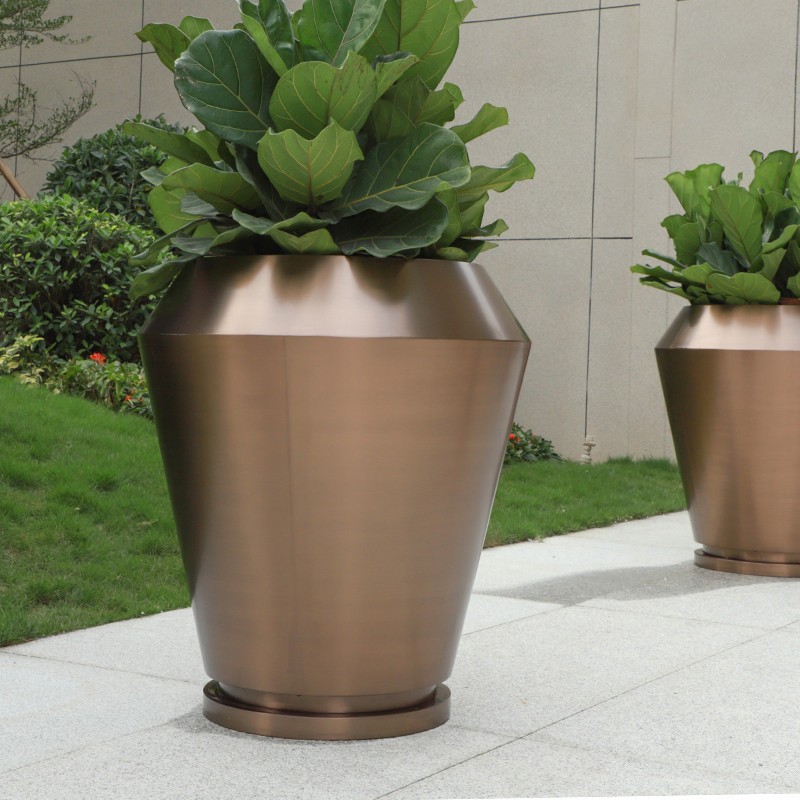
When selecting outdoor containers for landscaping projects, residential gardens, or commercial properties, the choice between a stainless steel flower box and plastic alternatives significantly impacts both immediate appearance and long-term performance. A stainless steel flower box offers superior durability, aesthetic appeal, and environmental sustainability compared to conventional plastic options. Understanding the distinct advantages of stainless steel flower boxes helps property owners, landscape designers, and facility managers make informed decisions that align with their project goals, budget considerations, and maintenance expectations. This comprehensive guide explores why stainless steel flower boxes stand out as the preferred choice for discerning buyers who prioritize quality and longevity.
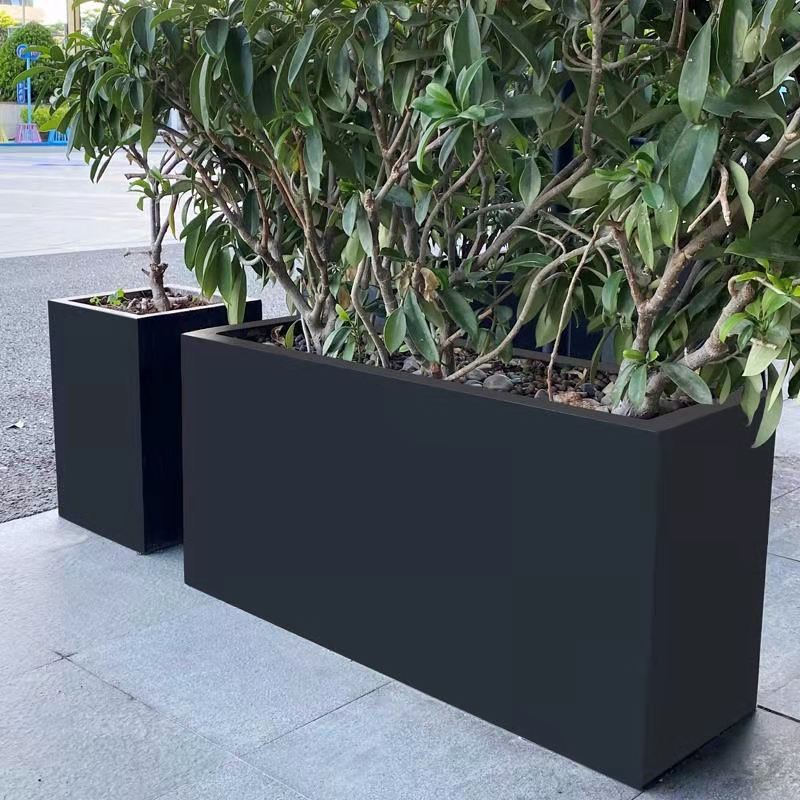
The decision to invest in a stainless steel flower box rather than plastic represents a shift toward durability and environmental consciousness. While plastic containers initially appear cost-effective, they degrade under ultraviolet exposure, crack in extreme temperatures, and require frequent replacement, creating hidden long-term expenses. A stainless steel flower box resists corrosion, maintains structural integrity across decades, and provides a timeless aesthetic that enhances property value. This comparison explores the technical, financial, and environmental dimensions that make stainless steel flower boxes the superior choice for residential areas, commercial landscapes, and outdoor installations requiring reliability and visual excellence.
Durability and Longevity of Stainless Steel Flower Boxes
Superior Material Properties
Stainless steel flower boxes are engineered from alloys specifically designed to withstand harsh outdoor environments without degradation. Unlike plastic, which becomes brittle and discolored after three to five years of sun exposure, a stainless steel flower box maintains its structural integrity for twenty years or longer. The material resists rust, corrosion, and chemical damage from soil acids, fertilizers, and seasonal weather fluctuations. Stainless steel flower boxes are manufactured with protective surface finishes that prevent oxidation and maintain a polished or brushed appearance throughout their lifespan. This durability translates to fewer replacements, reduced waste, and lower total cost of ownership compared to plastic containers that require regular disposal and repurchasing. Property managers appreciate how stainless steel flower boxes eliminate the need for seasonal maintenance cycles that drain budgets and staff resources.
Performance in Extreme Weather
A stainless steel flower box performs consistently across temperature extremes, humidity levels, and salt-laden coastal environments where plastic fails rapidly. Plastic containers become rigid and crack when exposed to freezing temperatures, while stainless steel flower boxes flex slightly and maintain structural coherence. In coastal regions where salt spray accelerates corrosion, a stainless steel flower box with appropriate alloy selection (316-grade stainless steel) resists the most aggressive marine conditions. Thermal cycling from hot days to cold nights does not cause the material fatigue and stress fractures common in plastic planters. Landscape professionals in harsh climates consistently specify stainless steel flower boxes because the containers survive seasonal extremes without requiring protective covers or off-season storage. This reliability ensures plant health and aesthetic consistency year-round, regardless of geographic location or climate intensity.
Aesthetic and Design Advantages
Visual Appeal and Property Enhancement
A stainless steel flower box provides refined, contemporary aesthetics that elevate the visual impression of residential gardens, commercial entryways, and public spaces. The material's clean lines, reflective finish, and premium appearance communicate quality and attention to detail in landscape design. Unlike plastic containers that look utilitarian and age poorly, stainless steel flower boxes complement both modern and traditional architectural styles. The neutral metallic tone integrates seamlessly with varied color palettes, building materials, and landscaping themes. Property valuations increase when outdoor spaces feature high-quality finishes like stainless steel flower boxes, particularly in competitive real estate markets where curb appeal drives buyer perception. Commercial properties benefit from the professional aesthetic that a stainless steel flower box conveys to clients, customers, and visitors. Interior designers and landscape architects increasingly specify stainless steel flower boxes for premium projects because the investment in quality materials reflects positively on the overall property brand and visual identity.
Customization and Design Flexibility
Stainless steel flower boxes are highly customizable in size, shape, and finish options, allowing designers to create bespoke solutions for unique spatial and aesthetic requirements. A stainless steel flower box can be fabricated with integrated drainage systems, tiered configurations, or integrated seating features that maximize functionality and design impact. Custom embossing, powder coating, or specialty finishes enable a stainless steel flower box to integrate branded elements, decorative patterns, or architectural details specific to individual projects. Modular stainless steel flower box systems allow landscape designers to combine units into larger installations, wall-mounted configurations, or tiered garden structures. This design flexibility contrasts sharply with plastic containers, which offer limited customization and mass-produced uniformity. Architects and landscape designers value the ability to specify a stainless steel flower box that meets exact dimensional requirements, material specifications, and aesthetic preferences without compromising quality or visual cohesion.
Environmental and Economic Benefits
Sustainability and Reduced Environmental Impact
Choosing a stainless steel flower box over plastic significantly reduces environmental waste and the carbon footprint associated with frequent container replacement. Plastic containers accumulate in landfills after degradation renders them unusable, typically within five to eight years of deployment. A stainless steel flower box remains functional for two decades or longer, eliminating the need for repeated manufacturing, shipping, and disposal cycles that consume resources and generate emissions. Stainless steel is fully recyclable at end-of-life, whereas plastic often ends in landfills where decomposition takes centuries. The reduced replacement frequency of a stainless steel flower box means fewer raw materials extracted, less manufacturing energy consumed, and diminished transportation-related carbon emissions. Environmental organizations and sustainability-focused property managers recognize that investing in durable materials like stainless steel flower boxes directly reduces corporate environmental impact and demonstrates authentic commitment to resource conservation. The lifecycle environmental cost of a stainless steel flower box is substantially lower than plastic alternatives, particularly when calculated over typical decades-long building lifespan.
Economic Analysis and Total Cost of Ownership
While a stainless steel flower box may cost two to three times more initially than plastic options, the total cost of ownership strongly favors stainless steel across typical fifteen to twenty-year planning horizons. Plastic containers require replacement every five to seven years, meaning four to five purchasing cycles compared to one stainless steel flower box purchase. Labor costs associated with removal, disposal, and reinstallation of plastic containers accumulate substantially when multiplied across numerous units and repeated cycles. A stainless steel flower box eliminates these hidden costs while reducing facility management burden and staff allocation required for seasonal container maintenance. Financial analysis demonstrates that breakeven occurs within five to seven years, after which the stainless steel flower box continues performing without replacement costs. Procurement managers in corporate facilities and hospitality properties increasingly choose stainless steel flower boxes because lifecycle cost accounting reveals significant budget advantages over extended timeframes. For residential homeowners planning to remain in properties for extended periods, the stainless steel flower box investment builds equity through property value enhancement and reduced maintenance expenses.
FAQ
How does a stainless steel flower box prevent drainage problems compared to plastic containers?
A stainless steel flower box prevents waterlogging through integrated drainage holes, perforated base plates, or removable grating systems that facilitate consistent water removal. Unlike plastic containers that crack or deform when drainage modifications are attempted, a stainless steel flower box supports professional-grade drainage infrastructure without structural compromise. Custom stainless steel flower box designs incorporate elevated feet, base channels, or specialized drainage configurations that prevent standing water and soil saturation. Landscape professionals specify stainless steel flower boxes for permanent installations precisely because drainage solutions remain reliable and maintainable throughout the container's lifespan.
Can a stainless steel flower box withstand salt spray in coastal environments?
Yes, a properly specified stainless steel flower box resists salt spray when fabricated from marine-grade alloys such as 316-grade stainless steel. The chromium and molybdenum content in marine-grade stainless steel creates a protective oxide layer that prevents corrosion even in aggressive salt-laden environments. While standard 304-grade stainless steel offers good corrosion resistance, specifications for coastal installations require 316-grade stainless steel flower box construction. Regular rinsing with fresh water extends performance further by removing salt residue. Plastic containers cannot withstand salt spray without accelerated degradation, making stainless steel flower boxes the only viable choice for beachfront properties and maritime landscapes.
What maintenance does a stainless steel flower box require to maintain appearance?
Routine maintenance of a stainless steel flower box involves occasional cleaning with mild soap and water followed by dry buffing to maintain the metallic finish. In coastal or industrial environments, more frequent cleaning with specialized stainless steel cleaners prevents salt deposits and environmental contaminants from accumulating on the surface. A stainless steel flower box does not require protective coating reapplication, structural repairs, or weatherproofing treatments typical of plastic containers. Annual inspection ensures drainage holes remain clear and fasteners stay secure, but these maintenance intervals are infrequent compared to plastic container replacement cycles. The minimal maintenance requirement of a stainless steel flower box contributes to its superior total cost of ownership and appeals to property managers seeking durable, low-maintenance landscape infrastructure.