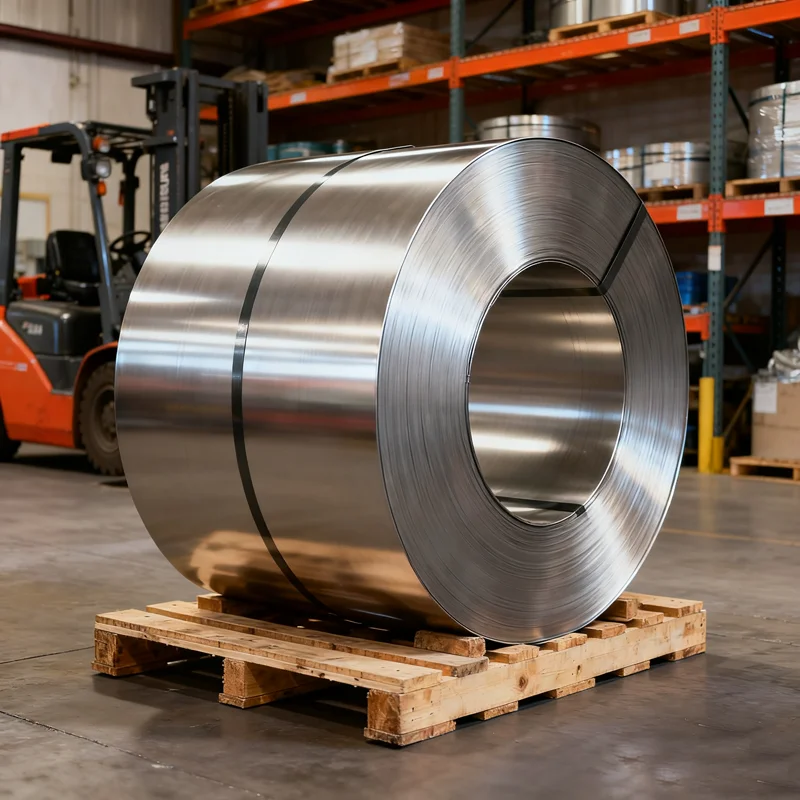
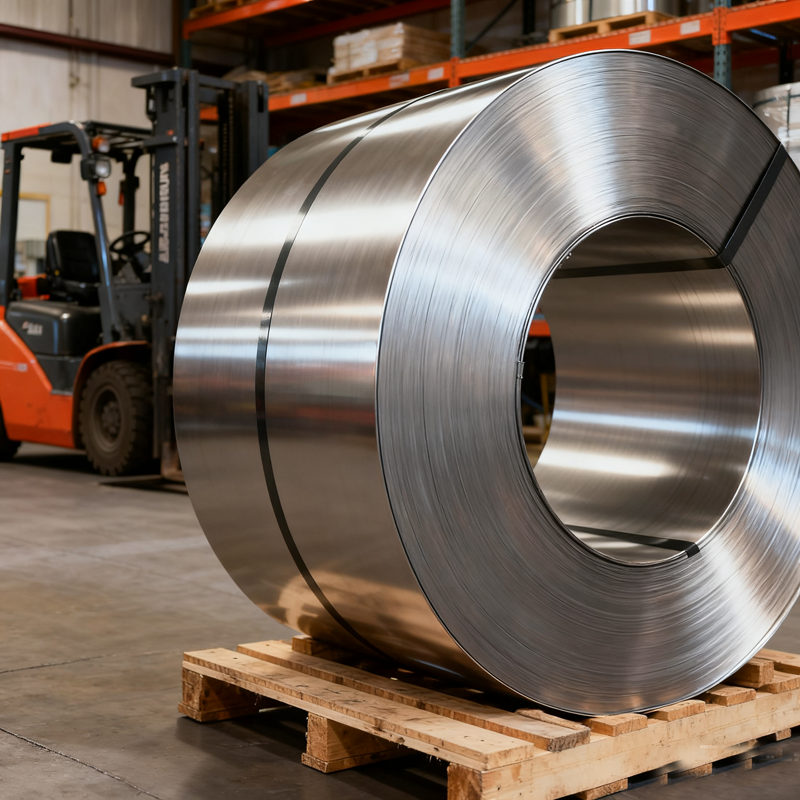
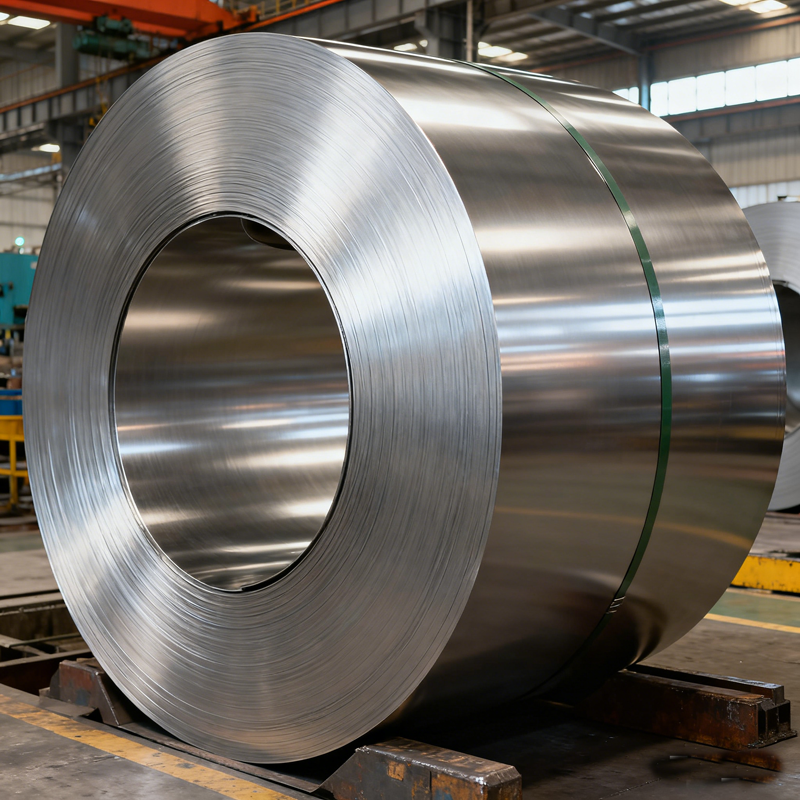
првокласни топло влечени намотки од нерѓослива челик
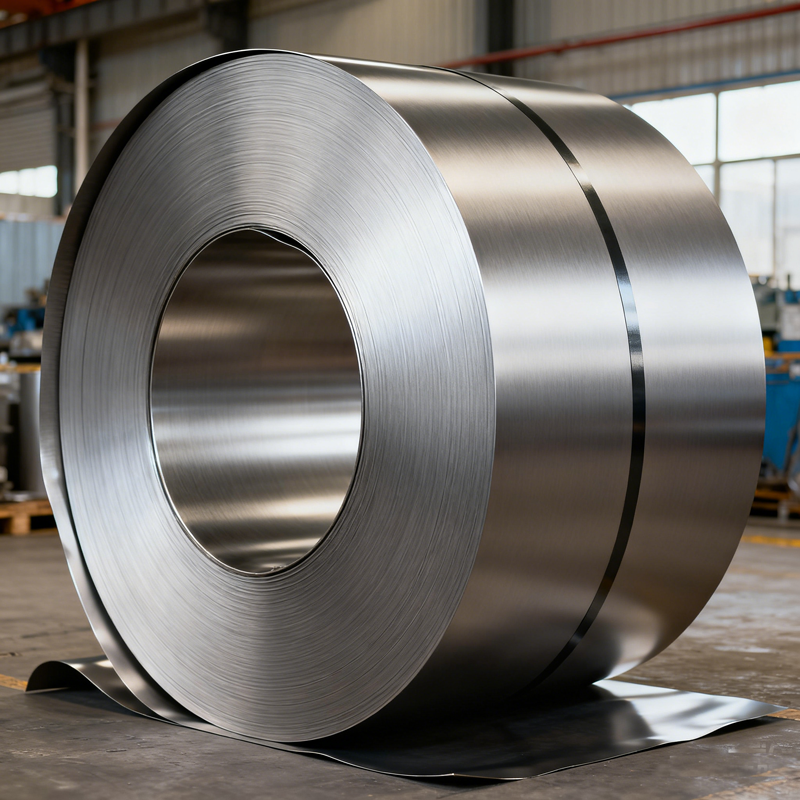
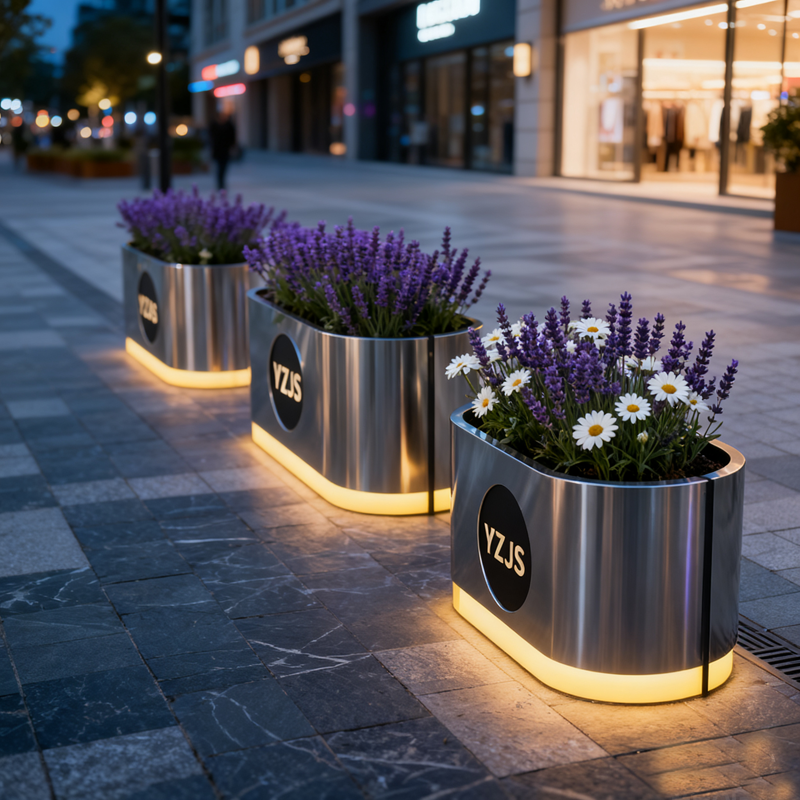
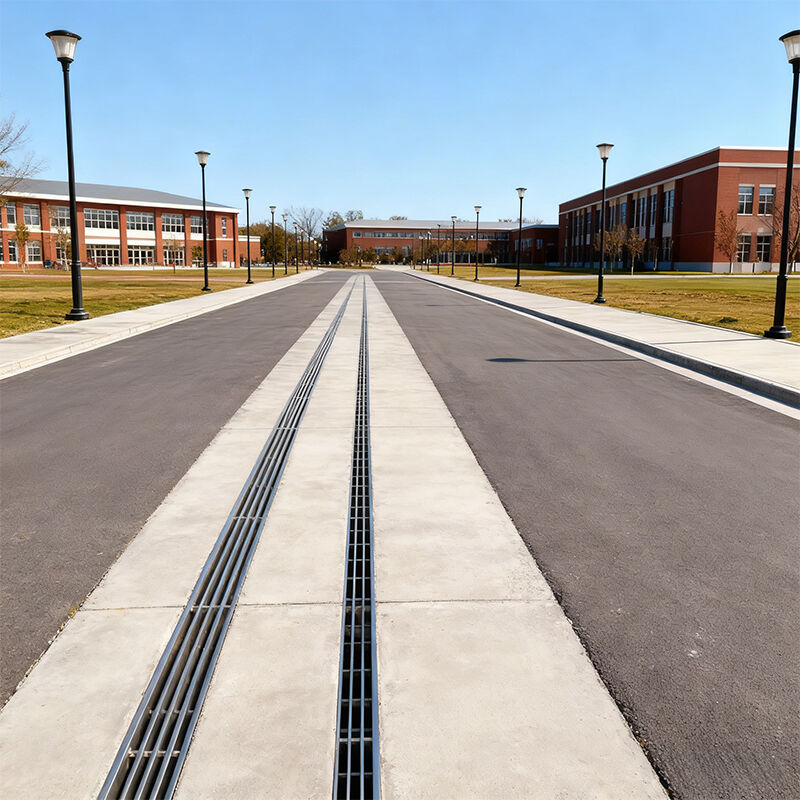
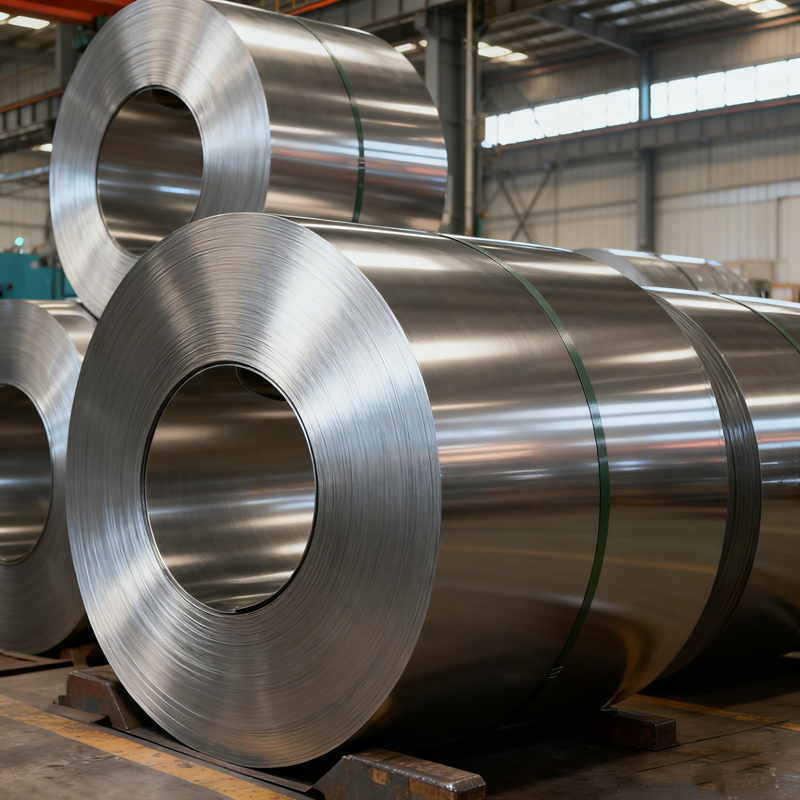
Коилата од нерѓослива челик со високо качество, произведена со топло ваљање, претставува премиум металуршки производ што минува низ специјализирани производствени процеси за постигнување исклучителни перформанси во разновидни индустриски примени. Овој напреден материјал ги комбинира вродените антикорозивни карактеристики на нерѓосливата челик со подобрени механички својства постигнати преку контролирани техники на топло ваљање. Коилата од нерѓослива челик со високо качество, произведена со топло ваљање, служи како основен градежен блок за бројни производствени сектори, нудејќи премиум формабилност, јачина и издржливост во споредба со алтернативите од стандардна класа. Процесот на топло ваљање вклучува загревање на нерѓосливата челик на температури поголеми од 1000 степени Целзиус, што овозможува прецизно контролирање на дебелината и подобрување на структурата на зрната. Ова термичка обработка го зголемува дуктилитетот на материјалот, при тоа задржувајќи ги неговите антикорозивни карактеристики, што го прави идеален за тешки работни услови. Технолошките карактеристики на коилата од нерѓослива челик со високо качество, произведена со топло ваљање, вклучуваат еднаква распределба на дебелината, конзистентна површинска обработкa и оптимизиран хемиски состав што исполнува строги меѓународни стандарди. Напредната технологија на ваљачки машини осигурува димензионална точност во рамките на тесни толеранции, додека софистицираните системи за контрола на квалитетот ги следат сите фази на производството. Форматот на коила овозможува флексибилност во производството, олеснувајќи ефикасна транспорта, складирање и обработка за крајните корисници. Клучните примени се во градежништвото, автомобилската индустрија, производството на храна, хемиската индустрија, морската инженеринг-индустрија и архитектонските проекти. Во градежништвото, овој материјал се истакнува во структурните компоненти, покривните системи и декоративните елементи поради неговата отпорност на временските услови и естетскиот изглед. Автомобилската индустрија го користи коилата од нерѓослива челик со високо качество, произведена со топло ваљање, за издувни системи, резервоари за гориво и каросерии каде што заштитата од корозија е критична. Опремата за производство на храна има предности од хигиеничните својства на материјалот и лесното чистење, додека фабриките за хемиска обработка се потпираат на неговата отпорност кон агресивни хемикалии и високи температури.

 EN
EN