
 EN
EN
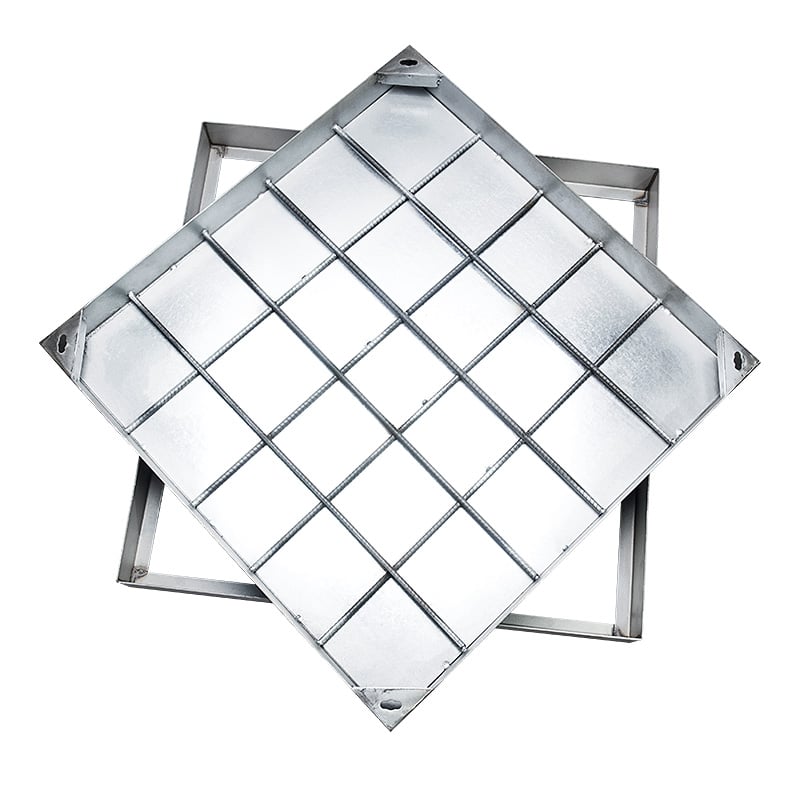
When municipalities and industrial facilities plan infrastructure projects, the choice of materials for access points can significantly impact long-term performance and maintenance costs. A stainless steel manhole cover represents a strategic investment that addresses multiple operational challenges simultaneously. Unlike traditional cast iron or carbon steel alternatives, this material category delivers superior resistance to environmental degradation, extended service life, and reduced lifecycle costs that accumulate over decades of deployment in challenging conditions.
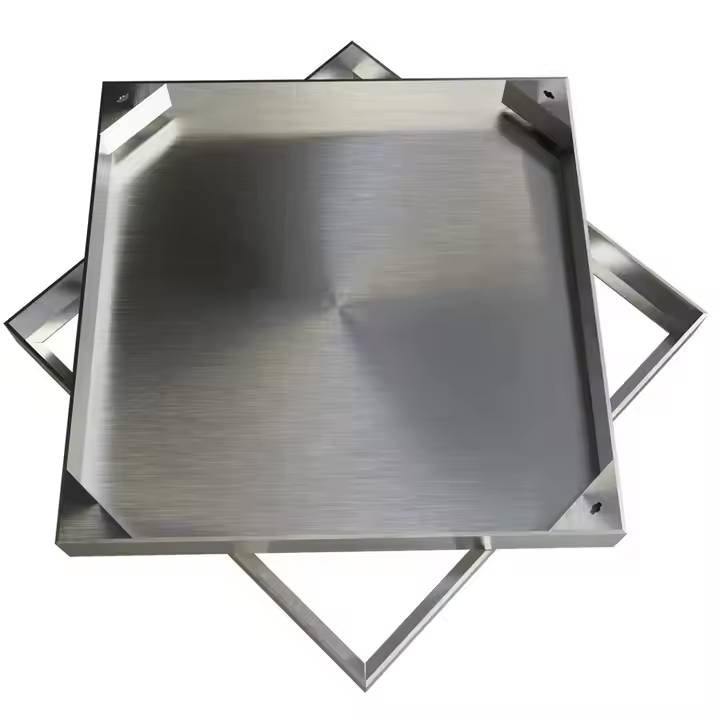
The decision to specify a stainless steel manhole cover should be grounded in understanding concrete performance advantages rather than subjective preference. This material stands apart because it combines inherent corrosion resistance with mechanical strength, eliminating many operational headaches that plague other cover types. Industries ranging from wastewater treatment to chemical processing have increasingly adopted stainless steel solutions to reduce unplanned maintenance cycles and extend infrastructure lifespan in harsh environments.
Corrosion Resistance and Environmental Performance
Why Corrosion Resistance Matters in Infrastructure
Corrosion represents the primary failure mechanism for most manhole access systems in aggressive environments. Water, chemicals, and salt exposure create conditions where standard cast iron or painted steel covers deteriorate rapidly, sometimes failing within five to ten years depending on environmental severity. A stainless steel manhole cover maintains its structural integrity across much longer periods because the material's atomic structure resists oxidation and electrochemical degradation that destroys conventional metals.
The stainless steel manhole cover performs exceptionally in coastal zones, chemical facilities, and areas where road salt or industrial effluent creates persistent corrosive conditions. Chromium content in stainless alloys forms a passive oxide layer that continuously repairs itself when exposed to oxygen, effectively preventing rust formation at the material surface. This self-healing characteristic means a stainless steel manhole cover can remain functional and visually acceptable for thirty years or longer without protective coatings or surface treatments, dramatically reducing maintenance burden compared to alternatives.
Comparing Environmental Durability Across Materials
Cast iron covers, despite their traditional use, require regular repainting and eventually succumb to pitting and structural weakening. Carbon steel options demand protective coatings that degrade over time, necessitating periodic renewal at substantial cost. Polymer-based alternatives can become brittle in temperature extremes and offer inferior load-bearing capacity. In contrast, a stainless steel manhole cover maintains both structural properties and aesthetic condition throughout its deployment without these interventions, establishing clear economic advantage over extended project horizons.
Strength, Load Capacity, and Safety Performance
Structural Advantages of Stainless Material
Industrial applications demand access covers capable of supporting substantial moving loads without deformation or failure. A stainless steel manhole cover achieves superior strength-to-weight ratio compared to cast iron alternatives, meaning it can withstand identical loads using less material mass. This characteristic proves particularly valuable where equipment weight or installation logistics present constraints, as a stainless steel manhole cover offers equivalent safety performance with reduced installation effort and equipment requirements.
The material's consistent mechanical properties across temperature ranges ensure predictable performance in environments where thermal cycling might weaken other materials. Fatigue resistance in a stainless steel manhole cover remains superior to cast iron under repeated load cycling, extending safe operational life significantly in high-traffic zones. Facilities managing frequent maintenance access or areas experiencing vibration from adjacent equipment benefit substantially from this enhanced durability profile.
Installation and Long-Term Structural Stability
A stainless steel manhole cover installation requires attention to proper sealing and hinge mechanisms, but the material itself does not degrade or shift over years of service. Cast iron covers often settle unevenly or develop gaps as the surrounding structure shifts, but stainless steel's consistent dimensional stability prevents such issues. This characteristic eliminates recurring maintenance related to cover alignment, seal replacement, and safety hazard mitigation that plagues conventional installations, providing facilities with extended intervals between service visits.
Economic and Lifecycle Cost Analysis
Initial Investment Versus Long-Term Savings
Budget discussions around a stainless steel manhole cover installation must account for complete lifecycle economics rather than first-cost comparison alone. While stainless material carries higher unit price than cast iron or painted steel alternatives, this premium decreases dramatically when amortized across actual service life. A cast iron cover requiring replacement after twelve years and multiple repainting cycles generates cumulative costs that often exceed stainless steel expenditure for thirty-year deployment with minimal intervention.
Maintenance labor, replacement inventory, and operational disruption from unplanned cover failure represent hidden costs often overlooked in initial purchasing decisions. A stainless steel manhole cover eliminates most of these expenses, creating genuine financial advantage for facilities managing large numbers of access points. Water utilities and municipalities operating hundreds of manhole systems recognize that stainless steel solutions reduce total cost of ownership despite higher material pricing.
Regulatory Compliance and Risk Management
Many jurisdictions increasingly specify corrosion-resistant materials for infrastructure in environmentally sensitive areas or high-traffic urban zones. A stainless steel manhole cover automatically satisfies these regulatory requirements without additional protective treatments, simplifying compliance documentation and reducing liability exposure. Facilities choosing substandard materials may face regulatory pressure for early replacement, creating unexpected capital expenditures that a stainless steel manhole cover would have prevented through appropriate initial material selection.
FAQ
What stainless steel grades work best for manhole covers?
Grade 304 stainless steel provides excellent corrosion resistance for most municipal and industrial applications, while Grade 316 offers enhanced performance in coastal or chemical environments where chloride exposure presents extreme conditions. A stainless steel manhole cover specified in the appropriate grade ensures optimal performance matching the specific environmental profile where it will be deployed, avoiding over-specification that increases cost or under-specification that creates durability risk.
How does a stainless steel manhole cover compare to ductile iron?
Ductile iron covers offer better load capacity than cast iron but still require protective coatings and periodic maintenance that a stainless steel manhole cover eliminates. While ductile iron costs less initially, lifecycle expenses including repainting, seal replacement, and eventual replacement often exceed stainless steel expenditure when considering true time-value economics and operational convenience.
Can a stainless steel manhole cover be customized for specific applications?
Yes, a stainless steel manhole cover can be fabricated with custom dimensions, hinge configurations, locking mechanisms, and aesthetic finishes to match specific installation requirements. Customization ensures optimal fit with surrounding infrastructure while maintaining the corrosion resistance and durability advantages that make stainless material the superior choice across demanding industrial and municipal environments.