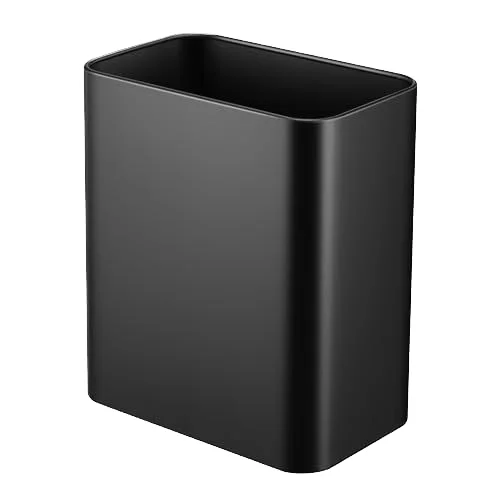
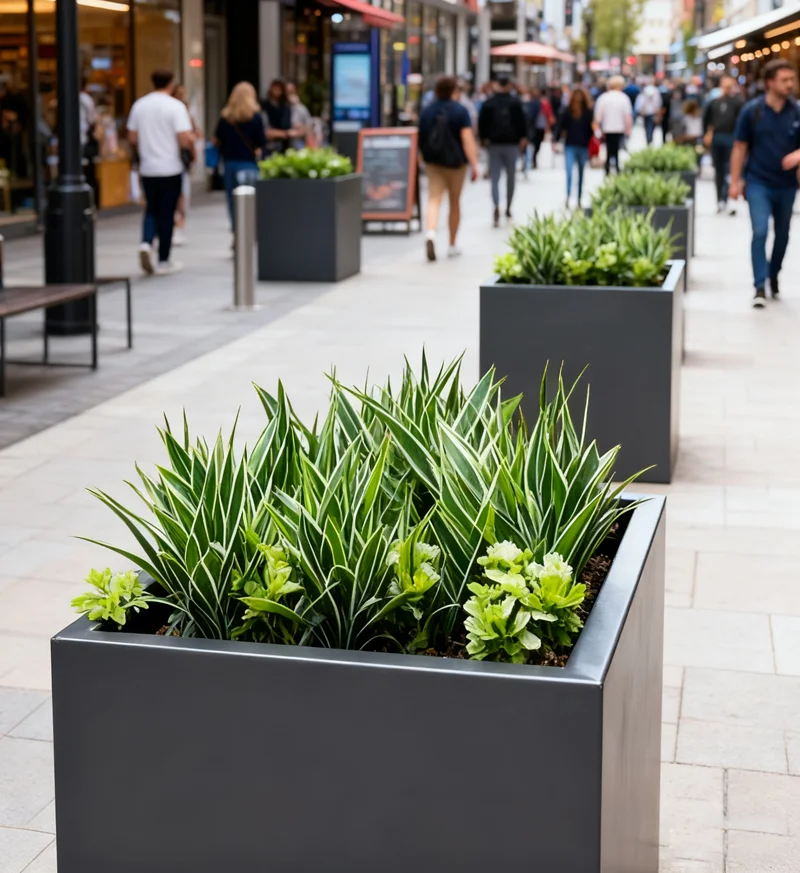
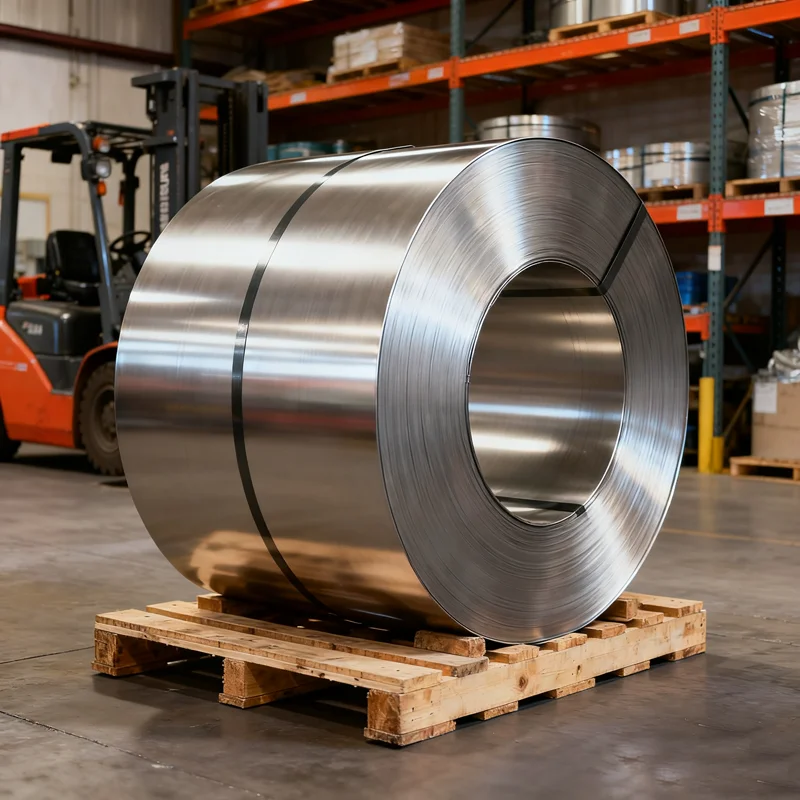
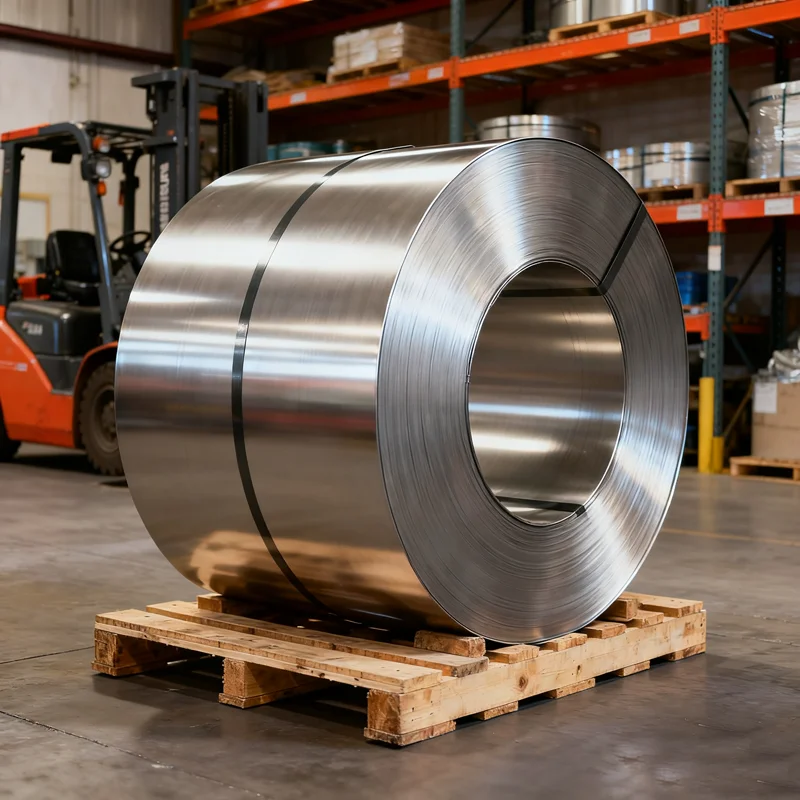
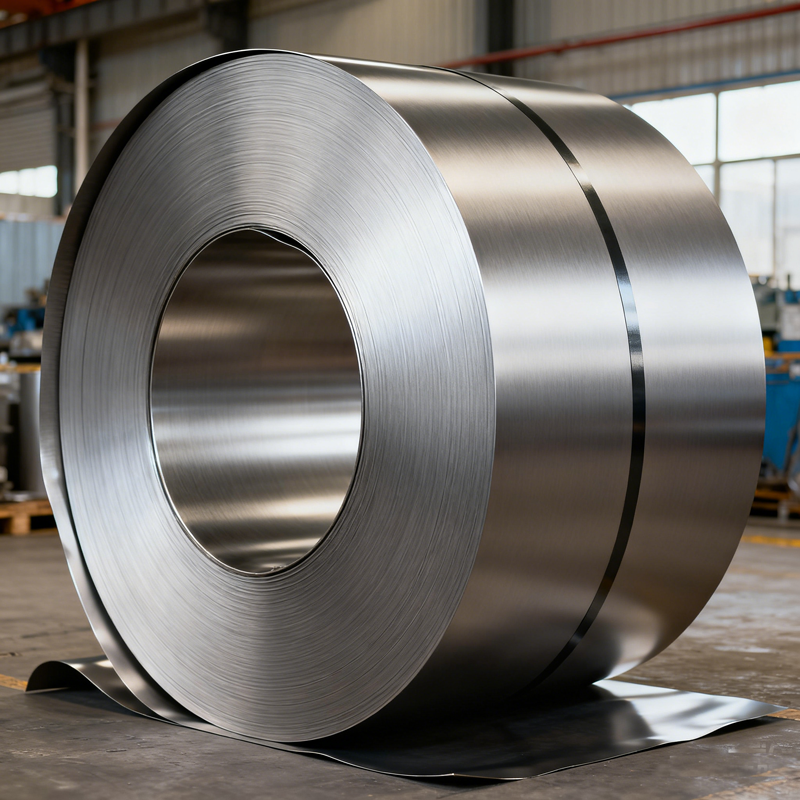
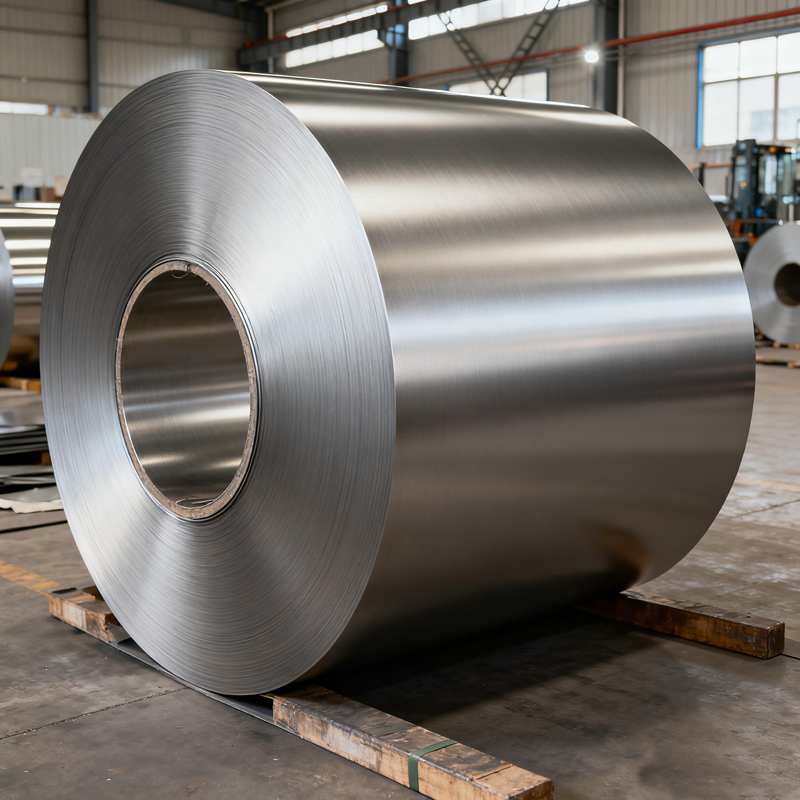
वास्तुरचनेची सजावटीची रुसमुक्त पोलाद कॉइल
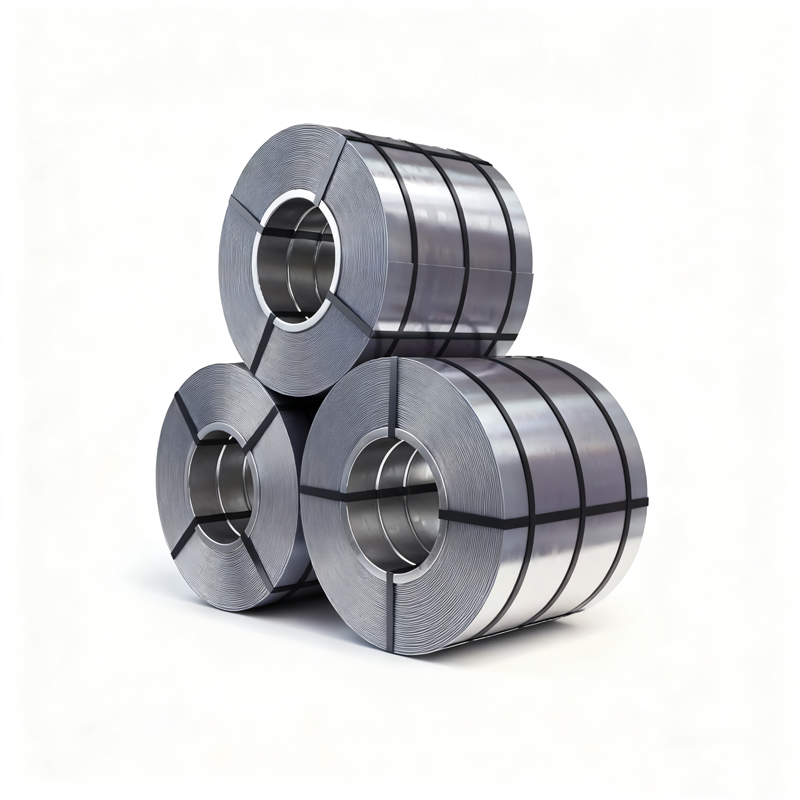
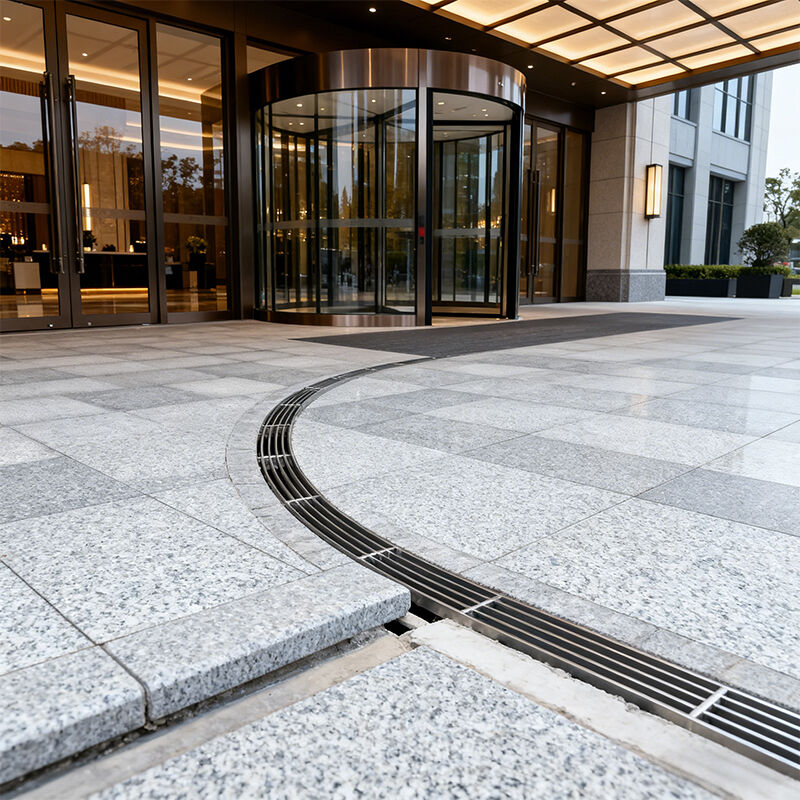
वास्तुशिल्पीय सजावटीचे स्टेनलेस स्टील कॉइल हे आधुनिक बिल्डिंग प्रकल्पांसाठी अत्यंत टिकाऊपणा आणि आकर्षक दृश्य आकर्षण यांचे संयोजन करणारे क्रांतिकारी इमारत निर्माण साहित्य आहे. हा विशिष्ट उत्पादन उच्च-गुणवत्तेच्या स्टेनलेस स्टीलपासून तयार केलेल्या सतत कॉइल स्ट्रिप्सचा बनलेला आहे, जो वास्तुशिल्पीय वापरासाठी विशेषतः डिझाइन केला गेला आहे, जिथे कार्यक्षमता आणि सौंदर्य दोन्ही महत्त्वाचे आहेत. वास्तुशिल्पीय सजावटीचे स्टेनलेस स्टील कॉइल यामध्ये अत्यंत अचूक पद्धतीने निर्मित पृष्ठभाग असतात, जे विविध सजावटीच्या उपचारांसाठी योग्य आहेत, जसे की ब्रश केलेले पृष्ठभाग, दर्पणासारखे पॉलिशिंग, उभे केलेले नमुने आणि रंगीत कोटिंग्ज. हे कॉइल्स आधुनिक इमारत डिझाइनमध्ये अनेक महत्त्वाच्या कार्यांसाठी वापरले जातात, जसे की संरक्षणात्मक क्लॅडिंग प्रणाली, आतील डिझाइन घटक, छत निर्माण साहित्य आणि रचनात्मक घटक. वास्तुशिल्पीय सजावटीच्या स्टेनलेस स्टील कॉइलच्या तांत्रिक वैशिष्ट्यांमध्ये क्रोमियमच्या सामग्रीमुळे उत्कृष्ट संक्षार प्रतिरोध, जटिल वास्तुशिल्पीय आकारांसाठी उत्कृष्ट आकार देण्याची क्षमता आणि कॉइलच्या संपूर्ण लांबीवर सुसंगत जाडीची सहनशीलता यांचा समावेश होतो. उत्पादन प्रक्रियेमध्ये उन्नत कोल्ड-रोलिंग तंत्रांचा वापर केला जातो, ज्यामुळे एकसमान पृष्ठभागाची गुणवत्ता आणि मापाची अचूकता सुनिश्चित होते. कॉइल स्वरूपामुळे वाहतूक आणि संग्रहण यांची कार्यक्षमता वाढते, तसेच स्थापनेदरम्यान सतत प्रक्रिया करण्यास सक्षम होते. याचे वापर व्यावसायिक इमारती, रहिवासी विकास, औद्योगिक सुविधा आणि सार्वजनिक बुरुज प्रकल्पांमध्ये व्यापलेले आहे. वास्तुशिल्पकार सामान्यतः कर्टन वॉल प्रणाली, फॅसेड पॅनेल्स, स्तंभांचे आवरण, छताच्या अनुप्रयोगांसाठी आणि सजावटीच्या स्क्रीन्ससाठी वास्तुशिल्पीय सजावटीचे स्टेनलेस स्टील कॉइल निर्दिष्ट करतात. हे साहित्य कोस्टल क्षेत्रांमध्ये मीठाच्या संपर्कात, शहरी भागांमध्ये प्रदूषणाच्या समस्यांमध्ये आणि रासायनिक संपर्काच्या औद्योगिक क्षेत्रांमध्ये अशा आव्हानात्मक वातावरणात उत्कृष्ट प्रदर्शन देते. आधुनिक वास्तुशिल्पीय प्रवृत्तींमध्ये वास्तुशिल्पीय सजावटीच्या स्टेनलेस स्टील कॉइलद्वारे प्रदान केलेल्या स्वच्छ, आधुनिक देखाव्याकडे वाढती पसंती आहे, ज्यामुळे ते टिकाऊ इमारत निर्माण पद्धतींसाठी प्राधान्याची निवड बनते. हे कॉइल पुनर्वापर करता येते, जे हरित इमारत निर्माण मानकांशी जुळते, तर त्याची दीर्घकालीन टिकाऊपणा जीवनचक्रातील बदलण्याच्या खर्चांमध्ये कमतरता आणते.

 EN
EN