
 EN
EN
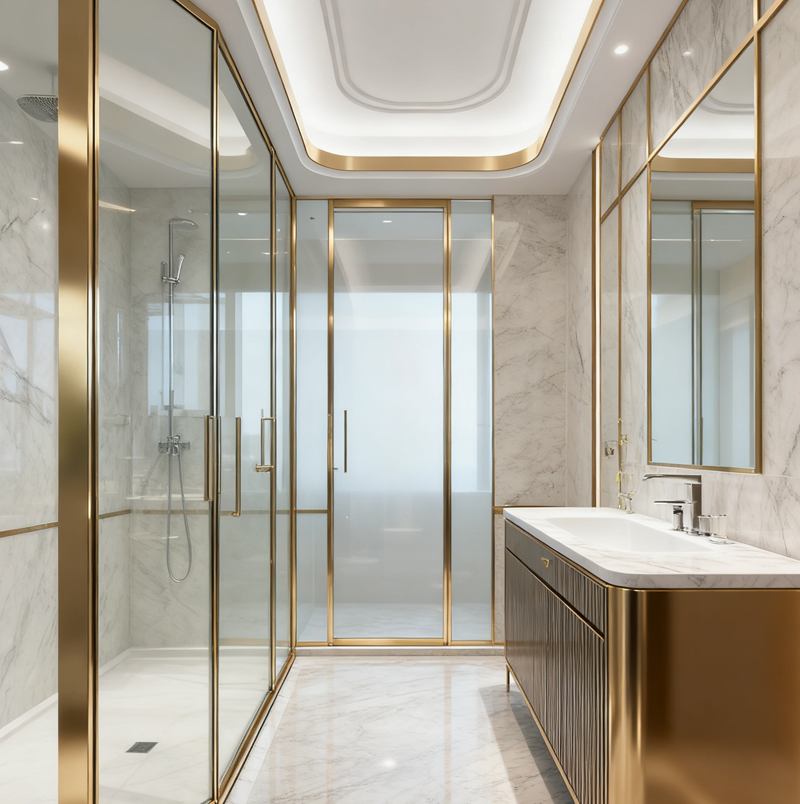
जेव्हा डिझायनर्स आणि बिल्डर्स एका सज्ज आंतरिक भागाच्या अधिक तपशीलवार बाबींबद्दल बोलतात, तेव्हा ट्रिम आणि कडा समाप्तीसाठी वापरल्या जाणाऱ्या साहित्याची निवड अनेकदा त्या जागेचा दर्जा निश्चित करते — तो खरोखरच व्यावसायिक दिसतो की फक्त सामान्य पातळीवरच आहे. एक स्टेनलेस स्टील सजावटीचे पट्टे ही त्या कारागिरीच्या पातळीच्या वाढीसाठी अपेक्षेपेक्षा जास्त महत्त्वाची भूमिका बजावते. हे पातळ पण रचनात्मकदृष्ट्या शक्तिमान प्रोफाइल्स पृष्ठभागांमधील दृश्य आणि कार्यात्मक अंतर भरून काढतात, ज्यामुळे सामान्य टाइल काम, कॅबिनेट आणि भिंतीचे क्लॅडिंग एकत्रित, उच्च-दर्जाच्या स्थापनांमध्ये रूपांतरित होते.
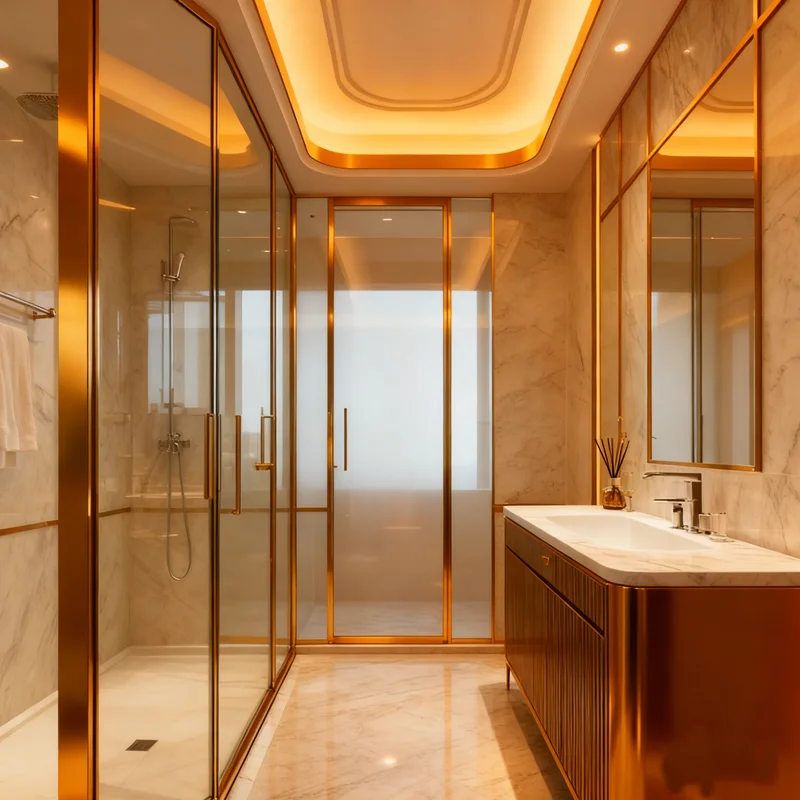
स्टेनलेस स्टीलच्या सजावटीच्या पट्ट्याचा आतंरिक सामग्रीच्या गुणवत्तेत खरोखरच कसा सुधारणा होतो, हा प्रश्न केवळ दृश्य सौंदर्यापेक्षा जास्त खोलवर जातो. यामध्ये सामग्री विज्ञान, स्थापनेची अत्यंत काळजीपूर्ण अचूकता, दीर्घकालीन टिकाऊपणा आणि खरेदीदार आणि वापरकर्त्यांना गुणवत्तेची मनोवैज्ञानिक भावना यांचा समावेश होतो. हा लेख रहिवासी, व्यावसायिक आणि हॉस्पिटॅलिटी आतंरिक स्थानांमध्ये स्टेनलेस स्टीलच्या सजावटीच्या पट्ट्यांच्या उपायांद्वारे मोजता येणाऱ्या सुधारणांच्या विशिष्ट यांत्रिक प्रक्रियांचे वर्णन करतो.
आतंरिक गुणवत्तेच्या भावनेमध्ये किनारा आणि संक्रमणाच्या समाप्तीची भूमिका
किनारा तपशील का कौशल्याचे सूचक आहेत?
कोणत्याही आतंरिक स्थानात, दोन वेगळ्या पृष्ठभागांच्या भेटीच्या ठिकाणी — टाइल आणि ड्रायवॉल, फ्लोअर आणि वॉल, काउंटरटॉप आणि बॅकस्प्लॅश — ही ठिकाणे सर्वाधिक तपासणीला तयार असतात. ही संक्रमण क्षेत्रे ती ठिकाणे आहेत, जिथे गुणवत्ता किंवा टिकते किंवा तुटते. एक अपरिष्कृत टाइल किनारा, एक अपूर्ण कोपरा किंवा एक असंगत ग्राउट रेषा ही तात्काळ खराब कामगिरीचे सूचन करते, जरी इतर सर्व भागांची स्थापना कितीही चांगली केली गेली असली तरी.
या संधिस्थानांवर योग्यरित्या बसवलेली स्टेनलेस स्टीलची सजावटीची पट्टी ही एक स्पष्ट, सुपरिभाषित सीमा निर्माण करते जी अत्यंत काळजीपूर्ण आणि अचूक कामगिरीचे संदर्भन देते. धातूच्या प्रतिबिंबित पृष्ठभागामुळे डोळा नैसर्गिकरित्या संधिस्थानावरून वळतो, ज्यामुळे संक्रमणांचा अर्थ अपघातातून नव्हे तर उद्देशपूर्णपणे केलेल्या कृतीचा वाटतो. यामुळेच उच्च-विशिष्ट व्यावसायिक आंतरिक डिझाइन आणि लक्झरी रहिवासी प्रकल्पांमध्ये प्रत्येक साहित्याच्या बदलावर धातूच्या सजावटीच्या प्रोफाइल्सची निवड केली जाते.
याचा संवेदनात्मक परिणाम अत्यंत महत्त्वाचा आहे. व्यावसायिक रिअल इस्टेट आणि हॉस्पिटॅलिटी डिझाइनमधील संशोधनांमध्ये अखंडपणे दिसून आले आहे की समाप्तीची गुणवत्ता ही ग्राहकांच्या आकलनातील मूल्याच्या वरच्या घटकांपैकी एक आहे. स्टेनलेस स्टीलची सजावटीची पट्टी शारीरिकदृष्ट्या लहान असली तरी, ती संक्रमणांना संपूर्ण आणि उद्देशपूर्ण देखावा देऊन त्या आकलनात अत्यंत महत्त्वाचा वाटा टाकते.
संवेदनशील संधिस्थानांवरील संरचनात्मक दृढता
बाह्य देखाव्यापलीकडे, सामग्री एकत्र येणाऱ्या भागांमध्ये त्या सर्वात रचनात्मकदृष्ट्या कमकुवत असतात. टाइल्सचे कोपरे फुटतात. उघड्या ड्रायवॉलच्या कडांवर धक्के बसून खराब होतात. विभिन्न तापमानांमुळे होणाऱ्या प्रसाराच्या फरकामुळे आणि सब्स्ट्रेटच्या हालचालीमुळे क्रमांतरण क्षेत्रांमध्ये ग्राउट रेषा कालांतराने फुटतात. स्टेनलेस स्टीलचा सजावटीचा स्ट्रिप हे सर्व कमकुवत बिंदूंवर एकाच वेळी उपाययोजना करतो.
स्टेनलेस स्टील सामान्य धक्क्यांच्या भारांखाली विरूपणाला प्रतिकार करतो म्हणून, हा स्ट्रिप कोपऱ्यांवर आणि कडांवर शारीरिक रक्षण म्हणून काम करतो. हे विशेषतः हॉटेलच्या मार्गिका, खरेदीसाठीच्या जागा आणि व्यावसायिक रसोईसारख्या उच्च-वाहतूक असलेल्या क्षेत्रांमध्ये महत्त्वाचे आहे, जिथे पृष्ठभागांवर यांत्रिक घिसोडा सतत आणि अपेक्षित असतो. हा स्ट्रिप तीव्र धक्के शोषून घेतो ज्यामुळे सिरॅमिक फुटू शकते किंवा संयुग सामग्री फुटू शकते.
स्नानगृह आणि रसोईसारख्या आर्द्र क्षेत्रांमध्ये, स्टेनलेस स्टीलचा सजावटीचा पट्टा एक जलरोधक सील लाइन प्रदान करतो, जो ग्राउट-टाइल जंक्शन्सवर आधारभूत सामग्रीत आर्द्रता प्रवेश करण्यापासून रोखतो. स्थापनेच्या आयुष्यादरम्यान, ही आर्द्रता व्यवस्थापन कार्याची फक्त ही वैशिष्ट्ये देखील देखभाल खर्चाच्या दृष्टिकोनातून सामग्रीची निवड औचित्यपूर्ण ठरवते.
स्टेनलेस स्टीलच्या सामग्रीच्या गुणधर्मांचा परिपूर्ण परिणाम समाप्तीच्या दीर्घकाळापर्यंतच्या टिकाऊपणावर
मागणी असलेल्या वातावरणात दुर्बलतेपासून संरक्षण
स्टेनलेस स्टीलची टिकाऊपणा त्याच्या पृष्ठभागावर स्वतःच तयार होणाऱ्या क्रोमियम ऑक्साईडच्या पत्रामुळे असते. ही निष्क्रिय पत्र ऑक्सिजनमध्ये उघडल्यावर सतत पुनर्जन्मित होते, म्हणजे सामग्री सूक्ष्म पातळीवर लहान पृष्ठभागावरील खराबी स्वतःच दुरुस्त करते. स्नानगृह, रसोई किंवा बाह्य-जवळच्या जागांमध्ये वापरल्या जाणाऱ्या स्टेनलेस स्टीलच्या सजावटीच्या पट्ट्यासाठी हे गुणधर्म दीर्घकाळापर्यंतच्या देखाव्याच्या राखणीसाठी अत्यंत महत्त्वाचे आहेत.
अल्युमिनियम, पीव्हीसी आणि पेंट केलेले एमडीएफ अशा पर्यायी ट्रिम साहित्याचे आर्द्र किंवा रासायनिकदृष्ट्या सक्रिय वातावरणात नेहमीप्रमाणे अपघटन होते. अल्युमिनियमचे ऑक्सिडेशन झाल्याने फिकट सफेद रेजिड्यू तयार होते. पीव्हीसी यूव्ही प्रकाशाच्या संपर्कात येऊन पिवळसर होते आणि भंगू शकते. पेंट केलेल्या कडा उघडतात आणि फुगतात. त्याउलट, योग्य प्रकारचे स्टेनलेस स्टील निवडल्यास आणि योग्य पद्धतीने बसवल्यास त्याचे पृष्ठभागाचे स्थायित्व दशकांपर्यंत टिकते, म्हणजे स्टेनलेस स्टीलचा सजावटीचा स्ट्रिप इमारतीच्या आयुष्यभर अंतिम साठवलेल्या गुणवत्तेस धनात्मक योगदान देत राहतो.
या संदर्भात ग्रेड निवडणे महत्त्वाचे आहे. ग्रेड ३०४ स्टेनलेस स्टील हा बहुतेक आंतरिक वापरासाठी योग्य आहे, ज्यामध्ये उच्च आर्द्रता असलेल्या बाथरूम आणि रसोई वातावरणाचा समावेश आहे. ग्रेड ३१६, ज्यामध्ये मॉलिब्डेनम असते, तो क्लोराईड-आधारित संक्षारणाविरुद्ध वाढलेली प्रतिकारशक्ती प्रदान करतो आणि तो किनाऱ्यावरील प्रकल्पांसाठी किंवा क्लोरीन असलेल्या सफाई रसायनांना तो ताणला जाणारा प्रकल्पांसाठी योग्य निवड आहे.
पृष्ठभागाच्या साफ करण्याच्या पर्यायांचे आणि त्यांच्या दृश्य योगदानाचे पर्याय
स्टेनलेस स्टीलच्या सजावटीच्या पट्ट्याची आंतरिक समाप्तीची गुणवत्ता वाढविण्याचे एक महत्त्वाचे मार्गांपैकी एक म्हणजे उपलब्ध असलेल्या पृष्ठभागावरील उपचारांची विविधता. दर्पण-पॉलिश केलेला पृष्ठभाग एक अत्यंत प्रतिबिंबित पृष्ठभाग निर्माण करतो, जो दृश्याने जागा वाढवतो आणि लक्झरीचे वैशिष्ट्य जोडतो. ब्रश केलेला किंवा सॅटिन पृष्ठभाग प्रकाशाचे प्रतिबिंब कमी करतो, तरीही स्वच्छ, आधुनिक देखावा ठेवतो जो मॅट आणि चमकदार टाइल पृष्ठभागांशी सुसंगत असतो.
पीव्हीडी-लेपित रूपांतरांमुळे स्टेनलेस स्टीलच्या सजावटीच्या पट्ट्याला सोने, गुलाबी सोने, काळे, कांस्य आणि शॅम्पेन रंगांमध्ये निवडता येतो, ज्यामुळे डिझाइनर्स धातूच्या ट्रिमचे संयोजन घरातील संपूर्ण आंतरिक योजनेतील हार्डवेअर, फिक्स्चर आणि फर्निचरच्या समाप्तीशी करू शकतात. हा डिझाइन समावेशनाचा पातळा सामान्य प्लॅस्टिक किंवा अॅल्युमिनियम ट्रिम पर्यायांसह अशक्य आहे, आणि हेच मुख्य कारण आहे की वास्तुशिल्पकार आणि आंतरिक डिझाइनर्स प्रीमियम प्रकल्पांमध्ये स्टेनलेस स्टीलची ट्रिम निवडतात.
स्टेनलेस स्टीलच्या सजावटीच्या स्ट्रिप प्रोफाइल्सच्या एका बॅचमधील पृष्ठभागाच्या समाप्तीची एकरूपता देखील महत्त्वाची आहे. रंगवलेल्या किंवा अनोडाइझ केलेल्या उत्पादनांप्रमाणे, ज्यांमध्ये बॅच-टू-बॅच रंगाचे फरक दिसू शकतात, उच्च-गुणवत्तेच्या स्टेनलेस स्टीलच्या समाप्तीमध्ये अत्यंत एकरूपता असते, ज्यामुळे मोठ्या स्थापनेमध्ये सर्व स्ट्रिप्स एकसारख्या दिसतात, भले त्या अनेक वितरणांमधून मिळाल्या असल्या.
स्टेनलेस स्टीलच्या सजावटीच्या स्ट्रिप्सचा सर्वाधिक फरक घडविणारे वापराचे परिस्थिती
बाथरूम आणि रसोईतील टाइलिंग ट्रान्झिशन्स
बाथरूम आणि रसोई हे दोन वातावरण आहेत, जिथे शेवटच्या वापरकर्त्यांद्वारे समाप्तीची गुणवत्ता सर्वाधिक कडकपणे मूल्यांकन केली जाते. या जागांमध्ये, भिंतीवरील टाइल्स आणि काउंटरटॉप्स यांच्या जंक्शनवर, फ्लोअर टाइल्स आणि शॉवर एनक्लोजर्स यांच्या जंक्शनवर किंवा बॅकस्प्लॅश टाइल्स आणि कॅबिनेट बेसेस यांच्या जंक्शनवर स्टेनलेस स्टीलची सजावटीची स्ट्रिप या जागेच्या संपूर्ण गुणवत्तेची भावना निर्धारित करते.
बाथरूममध्ये, एल-आकाराचा स्टेनलेस स्टीलचा सजावटीचा पट्टा विशेषत: तिरपट कोपऱ्यांवर प्रभावी आहे, जिथे टाइलचे कडा इतरथा उघडे राहतील. धातूच्या प्रोफाइलची तीव्र, स्वच्छ रेषा टाइलिंगला फॅक्टरी-समाप्त देखावा देते, जो उच्च-विशिष्ट सैनिटरीवेअर आणि फिक्स्चर्ससोबत दृश्यमानपणे सुसंगत आहे. शॉवर एन्क्लोजरमध्ये, समान पट्टा कोपऱ्याच्या जोडणीत टाइल्सच्या मागे पाणी जाण्यास प्रतिबंधित करतो, ज्यामुळे स्थापनेची जलरोधक अखंडता वाढते.
रसोईघरांमध्ये, बॅकस्प्लॅश टाइल इंस्टॉलेशनच्या वरच्या कडेवर स्टेनलेस स्टीलचा सजावटीचा पट्टा असल्यास तो एक अचूक, स्वच्छतेची हद्द तयार करतो जी स्वच्छ करण्यास सोपी आहे आणि उष्णता आणि तेलाच्या वाफा यांच्या प्रतिकार करते, ज्या मऊ साहित्यांना नुकसान करतात. अनेक व्यावसायिक रसोईघरांच्या तांत्रिक आवश्यकता या कार्यात्मक फायद्यांमुळे सर्व उघड टाइल कडांवर धातूचे ट्रिम अनिवार्य करतात.
व्यावसायिक आणि हॉस्पिटॅलिटी आंतरिक
व्यावसायिक स्थानांमध्ये, स्टेनलेस स्टीलचा सजावटीचा पट्टा एक अडचण सोडवतो जी नागरी वापरामध्ये मोठ्या प्रमाणावर दुर्मिळपणे सामोरी येते: उच्च-वाहतूक वापराच्या वर्षांनी दृश्यमान क्षय न झाल्यासारखी समाप्तीची गुणवत्ता टिकवून ठेवण्याची आवश्यकता. हॉटेलच्या लॉबी, खुद्द विक्रीची दुकाने, विमानतळाचे टर्मिनल आणि कार्यालयाच्या स्वागत क्षेत्रांना स्टेनलेस स्टीलच्या धारांचा फायदा होतो, कारण ही साहित्य इतर साहित्याप्रमाणे घिसाड दाखवत नाही.
विशेषत: आतील आतिथ्य सजावटीसाठी, भिंतीच्या पॅनेल्सच्या जोडणींवर, लिफ्टच्या कॅबिनच्या धारांवर आणि फ्लोरच्या संक्रमण क्षेत्रांवर स्टेनलेस स्टीलचा सजावटीचा पट्टा मध्यम आणि लक्झरी श्रेणीमध्ये एक मानक तांत्रिक आवश्यकता आहे. हा पट्टा मोठ्या स्वरूपाच्या क्लॅडिंग पॅनेल्सची स्वच्छ आणि स्पष्ट जोडण्यांसह स्थापना करण्यास परवानगी देतो, ज्यामुळे चिकट आणि मोर्टारवर अवलंबित राहण्याची आवश्यकता नाही, जे अधिक टिकाऊ आणि दृश्यमानदृष्ट्या अधिक सुसंगत आहे.
खुदरी वातावरणात, चमकदार स्टेनलेस स्टीलच्या सजावटीच्या पट्ट्याचे प्रतिबिंबित करण्याचे गुण दोन उद्देशांसाठी कार्य करतात: ते भिंती आणि फरशीच्या संधिस्थानांद्वारे प्रकाश पसरवून जागेतील अंतर्गत प्रकाश वितरणात योगदान देतात आणि ते ग्राहकांना अज्ञातपणे जाणवणाऱ्या प्रकारे ब्रँडच्या गुणवत्तेच्या प्रतिबद्धतेचे सूचन करतात. यामुळेच लक्झरी खुदरी ब्रँड्स त्यांच्या दुकानांच्या वातावरणात स्टेनलेस किंवा सोन्याच्या रंगाच्या धातूच्या किनार्यांची नियमितपणे निवड करतात.
बसवण्याची अचूकता आणि तिचा समाप्तीच्या परिणामावर परिणाम
प्रोफाइलची ज्यामिती आणि फिट टॉलरन्स
स्टेनलेस स्टीलच्या सजावटीच्या पट्ट्याद्वारे साधलेल्या समाप्तीच्या गुणवत्तेतील सुधारणा केवळ तेव्हाच पूर्णपणे साधली जाते, जेव्हा प्रोफाइलची ज्यामिती उप-पृष्ठाच्या जाडीशी योग्यरित्या जुळवली जाते आणि बसवण्याची क्रिया अत्यंत अचूकपणे केली जाते. जर एक पट्टा त्याच्या वरच्या टाइलच्या जाडीसाठी थोडासा लहान असेल, तर त्यामुळे एक रिकामी जागा निर्माण होईल, जी त्या गुणवत्तेच्या निर्मितीला धक्का देईल, जी त्याच्या माध्यमातून निर्माण करायची असते.
उच्च-गुणवत्तेच्या स्टेनलेस स्टीलच्या सजावटीच्या स्ट्रिप प्रोफाइल्सचे उत्पादन कडक आयामिक सहनशीलतेत केले जाते, सामान्यतः मिलिमीटरच्या अंशांमध्ये. ही अचूकता सुनिश्चित करते की जेव्हा स्ट्रिपला टाइलसोबत चिकट पायावर दाबले जाते, तेव्हा फ्लॅंज आणि टाइलचे पृष्ठभाग एकरूप राहतात, ज्यामुळे एक सुरळीत संक्रमण निर्माण होते, त्याऐवजी एक पाऊलवार संक्रमण. म्हणून, वापरल्या जाणाऱ्या टाइलच्या वास्तविक जाडीसाठी योग्य प्रोफाइल आयाम निश्चित करणे हे इच्छित समाप्तीच्या गुणवत्तेची प्राप्तीसाठी एक महत्त्वाचा टप्पा आहे.
गैर-मानक अर्जांसाठी सानुकूलित प्रोफाइल्स उपलब्ध आहेत, ज्यामध्ये मोठ्या स्वरूपाचे स्लॅब, चलित-जाडीच्या नैसर्गिक दगडाच्या बसवणुकी आणि काचेच्या टाइल्सचा समावेश आहे. प्रकल्पासाठी आवश्यक अशी अचूक ज्यामितीत स्टेनलेस स्टीलची सजावटीची स्ट्रिप निश्चित करण्याची क्षमता ही व्यावसायिक टाइलर्स आणि फिट-आउट कॉन्ट्रॅक्टर्स त्यांना सामान्य प्लॅस्टिक ट्रिमच्या तुलनेत प्राधान्य देतात, जेव्हा गुणवत्ता प्राथमिकता असते.
ग्राउटिंग आणि पृष्ठभागाच्या अंतर्भूततेसह संरेखन
स्टेनलेस स्टीलच्या सजावटीच्या पट्ट्यासह खरोखरच निर्बाध पूर्णता प्राप्त करणे हे पट्ट्याच्या आणि मातीच्या प्रक्रियेमधील संबंधावर अवलंबून असते. जेव्हा पट्टी ग्राउटिंगपूर्वी चिकट पायावर योग्यरित्या स्थापित केली जाते, तेव्हा ग्राउट टाइल्सच्या पृष्ठभागां आणि पट्ट्याच्या फ्लँजमधील रिकामी जागा स्वच्छपणे भरतो, ज्यामुळे संपूर्ण स्थापनेमध्ये एकसमान ग्राउट रेषा-रुंदी निर्माण होते.
त्याउलट, वाईटपणे एकत्रित केलेल्या पट्ट्या अनियमित ग्राउट रेषा निर्माण करतात, ज्यामुळे टाइलिंग पॅटर्न दृश्यमानपणे तुकडे होतात आणि संधीवर लक्ष केंद्रित होते, तर पट्टी निर्माण करण्यासाठी डिझाइन केलेली स्वच्छ सीमा प्रदान करत नाही. यामुळे व्यावसायिक स्थापक इंस्टॉलेशनदरम्यान पट्ट्याच्या फ्लँजवरून अतिरिक्त चिकट स्वच्छ करतात आणि ग्राउटिंगपूर्वी चिकट पूर्णपणे घट्ट होण्यासाठी परवानगी देतात, ज्यामुळे संपूर्ण प्रक्रियेदरम्यान पट्टी लंब आणि समतल राहते.
योग्यरित्या निर्दिष्ट केलेल्या आणि स्थापित केलेल्या स्टेनलेस स्टीलच्या सजावटीच्या स्ट्रिपचा नेट परिणाम म्हणजे एक पृष्ठभाग जंक्शन जो एकाच, हेतुपूर्ण डिझाइन घटक म्हणून वाचला जातो, तो एक उपचारात्मक कव्हर-अप म्हणून नाही. ही फरक खरोखरच उच्च-गुणवत्तेच्या आंतरिक फिट-आउट कामाला त्या स्थापनांपासून वेगळे करते ज्यांचे प्रथम दृष्टीने केवळ स्वीकार्य दिसतात परंतु जवळून पाहिल्यास त्यांच्या अडचणी उघड होतात.
सामान्य प्रश्न
स्टेनलेस स्टीलची सजावटीची स्ट्रिप कोणत्या टाइलच्या जाडीसाठी वापरता येते?
स्टेनलेस स्टीलची सजावटीची स्ट्रिप मानक सेरॅमिक टाइल्स, पोर्सिलेन टाइल्स आणि नैसर्गिक दगडाच्या स्लॅब्ससाठी विविध फ्लॅंज खोलीत निर्माण केली जाते. सामान्य आकारांमध्ये 6 मिमी ते 20 मिमी किंवा त्याहून जास्त टाइलच्या जाडीचा समावेश होतो. मोठ्या स्वरूपाच्या स्लॅब्स किंवा अमानक जाडीसाठी, सानुकूलित परिमाणांचे प्रोफाइल्स निर्दिष्ट करता येतात. योग्य स्ट्रिप आकार निवडताना नेहमीच टाइल आणि चिकटवणाऱ्या पदार्थाची एकूण जाडी तपासा जेणेकरून ती एकसमान (फ्लश) बसेल.
स्टेनलेस स्टीलची सजावटीची स्ट्रिप बाहेरील अर्जांमध्ये वापरता येते का?
होय, एक स्टेनलेस स्टील सजावटीचा स्ट्रिप बाहेरच्या किंवा बाहेरच्या जवळच्या अर्जांमध्ये वापरला जाऊ शकतो, परंतु ग्रेड निवड ही महत्त्वाची ठरते. बाहेरच्या वातावरणासाठी, विशेषतः किनारपट्टी किंवा औद्योगिक क्षेत्रांमध्ये, जिथे क्लोराइडचे ताण जास्त असते, ग्रेड ३१६ स्टेनलेस स्टीलची शिफारस केली जाते. ग्रेड ३०४ हा सामान्यतः आवरणाखालील बाहेरच्या जागांसाठी योग्य आहे. अत्यंत कठोर वातावरणासाठी, डुप्लेक्स स्टेनलेस स्टील किंवा पीव्हीडी-लेपित ग्रेड अतिरिक्त संरक्षण प्रदान करतात.
स्टेनलेस स्टील सजावटीचा स्ट्रिप कसा स्वच्छ करावा आणि त्याची देखभाल कशी करावी?
स्टेनलेस स्टीलच्या सजावटीच्या स्ट्रिपचे नियमित देखभाल सोपी आहे. ब्रश केलेल्या किंवा सॅटिन पृष्ठभागासाठी, नियमित स्वच्छतेसाठी एका सौम्य उदासीन साबणासह ओल्या कापडाने साफ करणे पुरेसे आहे. पृष्ठभागावर खरखरीत सफाई करणारे साहित्य किंवा स्टीलचे वूल वापरू नका, कारण ते पृष्ठभागावर खरखर करू शकतात आणि पृष्ठभागाची गुणवत्ता कमी करू शकतात. मिरर-पॉलिश केलेल्या स्ट्रिप्ससाठी नियमितपणे अखंड स्टेनलेस स्टील साफ करणाऱ्या साधनांचा वापर करून पॉलिश करणे आवश्यक आहे. व्यावसायिक रसोईघरांमध्ये, योग्य स्टेनलेस स्टील-सुरक्षित डिग्रीझर्सचा नियमितपणे वापर करून स्ट्रिप स्वच्छ आणि स्वच्छ दिसण्यासाठी आणि स्वच्छतेच्या दृष्टीने राखली जाते.
PVD-कोटेड स्टेनलेस स्टीलच्या सजावटीच्या स्ट्रिपचा रंग कालांतराने मध्ये फीका होतो का?
स्टेनलेस स्टीलच्या सजावटीच्या स्ट्रिपवर लावलेले भौतिक वाष्प अवसादन (पीव्हीडी) कोटिंग्ज आंतरिक सामान्य परिस्थितीत रंगाच्या मंदावण्याशी अत्यंत प्रतिरोधक असतात. पीव्हीडी कोटिंग्ज आणुविक स्तरावर बंधित होतात आणि स्प्रे पेंट किंवा इलेक्ट्रोप्लेटिंगपेक्षा बरीच जास्त टिकाऊ असतात. आंतरिक वापरात, स्टेनलेस स्टीलच्या सजावटीच्या स्ट्रिपवर चांगल्या पद्धतीने लावलेले पीव्हीडी फिनिश रंग आणि चमक यांचे दहा वर्षे किंवा त्यापेक्षा जास्त काळ नाट्यात्मक क्षयाशिवाय टिकवू शकते, ज्यामुळे ते दीर्घकालीन डिझाइन अखंडतेसाठी विश्वसनीय पर्याय बनते.
अनुक्रमणिका
- आतंरिक गुणवत्तेच्या भावनेमध्ये किनारा आणि संक्रमणाच्या समाप्तीची भूमिका
- स्टेनलेस स्टीलच्या सामग्रीच्या गुणधर्मांचा परिपूर्ण परिणाम समाप्तीच्या दीर्घकाळापर्यंतच्या टिकाऊपणावर
- स्टेनलेस स्टीलच्या सजावटीच्या स्ट्रिप्सचा सर्वाधिक फरक घडविणारे वापराचे परिस्थिती
- बसवण्याची अचूकता आणि तिचा समाप्तीच्या परिणामावर परिणाम
-
सामान्य प्रश्न
- स्टेनलेस स्टीलची सजावटीची स्ट्रिप कोणत्या टाइलच्या जाडीसाठी वापरता येते?
- स्टेनलेस स्टीलची सजावटीची स्ट्रिप बाहेरील अर्जांमध्ये वापरता येते का?
- स्टेनलेस स्टील सजावटीचा स्ट्रिप कसा स्वच्छ करावा आणि त्याची देखभाल कशी करावी?
- PVD-कोटेड स्टेनलेस स्टीलच्या सजावटीच्या स्ट्रिपचा रंग कालांतराने मध्ये फीका होतो का?