Premium 301 Stainless Steel Coil - Superior Work Hardening & Corrosion Resistance

All Categories

Get a Free Quote

Our representative will contact you soon.
Email
Name
Company Name
Message
0/1000

301 stainless steel coil

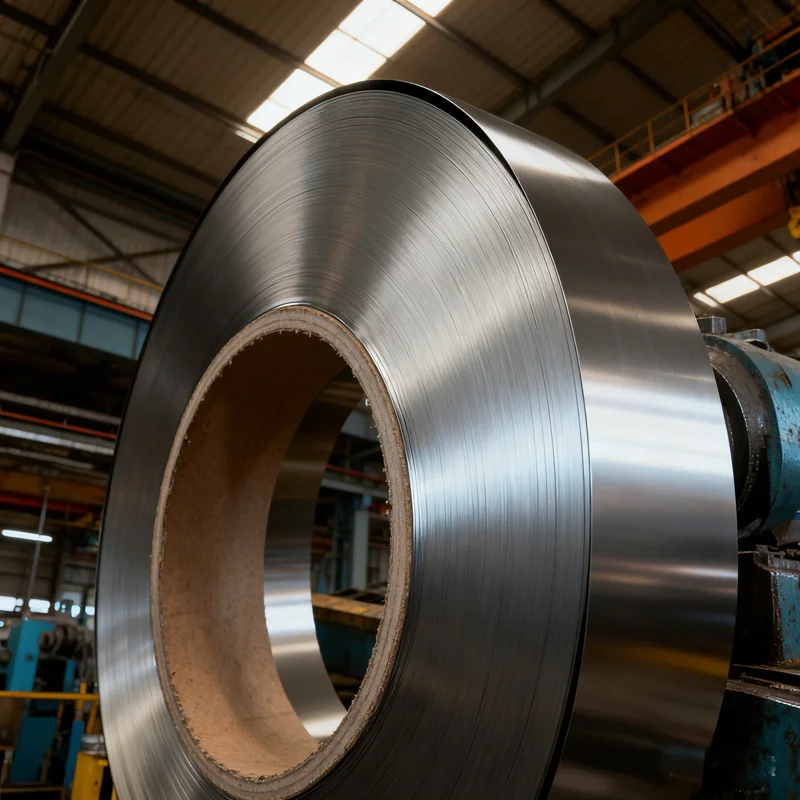
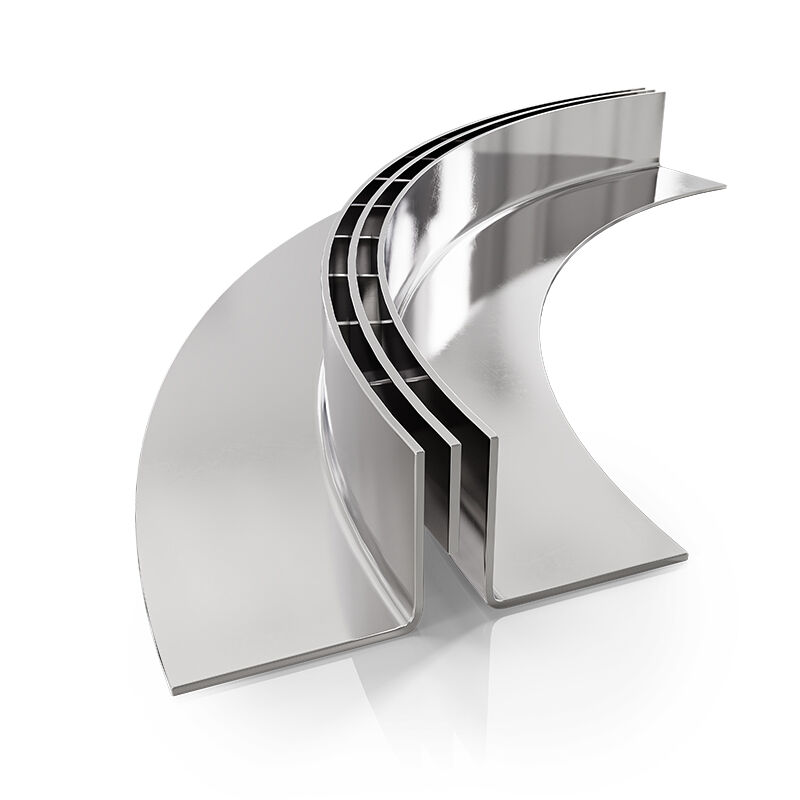
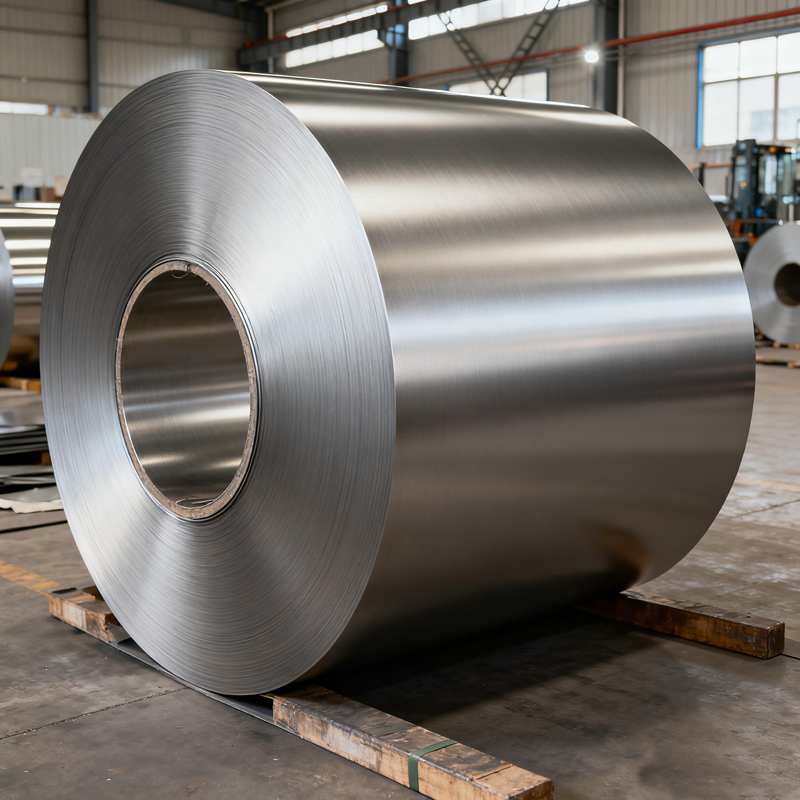
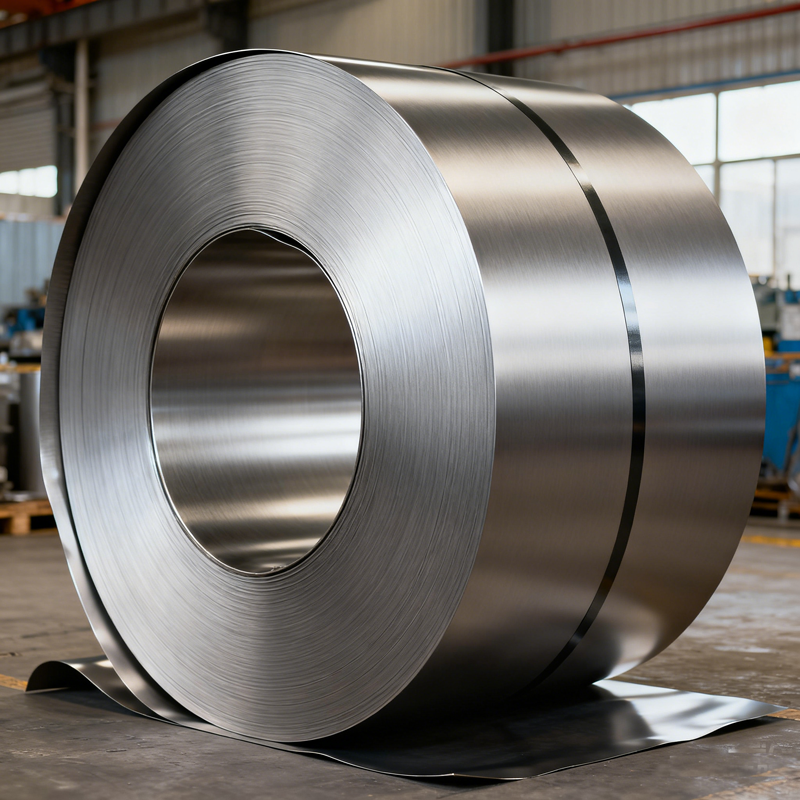
The 301 stainless steel coil represents a premium austenitic stainless steel product that delivers exceptional versatility and performance across numerous industrial applications. This specialized alloy contains approximately 17% chromium and 7% nickel, creating a unique composition that provides outstanding corrosion resistance and mechanical properties. The 301 stainless steel coil is manufactured through precision rolling processes that ensure consistent thickness, surface quality, and dimensional accuracy throughout the entire coil length. Its austenitic structure remains stable at room temperature while offering excellent formability characteristics that make it ideal for complex manufacturing processes. The technological features of this material include superior work hardening capabilities, which allow the 301 stainless steel coil to achieve higher strength levels through cold working operations. This property enables manufacturers to create components with enhanced structural integrity without requiring additional heat treatment processes. The coil format provides significant advantages in terms of material handling, storage efficiency, and processing flexibility for end users. Manufacturing facilities can easily unwind the 301 stainless steel coil for continuous production operations, reducing material waste and improving overall productivity. The surface finish options range from standard mill finish to highly polished surfaces, accommodating diverse aesthetic and functional requirements. Primary applications include automotive trim components, architectural elements, kitchen appliances, food processing equipment, and decorative hardware. The aerospace industry utilizes 301 stainless steel coil for non-critical structural components where weight savings and corrosion resistance are essential. Electronics manufacturers rely on this material for spring contacts, clips, and various precision components that require consistent mechanical properties. The medical device sector employs 301 stainless steel coil in surgical instruments and implantable devices where biocompatibility and durability are paramount considerations.

Popular Products

The 301 stainless steel coil offers numerous practical benefits that directly impact manufacturing efficiency and product quality for businesses across various industries. Cost-effectiveness stands as a primary advantage, as this material provides an optimal balance between performance characteristics and material investment. Companies can achieve significant savings through reduced processing time since the 301 stainless steel coil requires minimal preparation before fabrication operations. The work hardening properties eliminate the need for expensive heat treatment processes, allowing manufacturers to achieve desired strength levels through standard cold working techniques. This translates to lower energy consumption and reduced production cycle times. Durability benefits extend product lifecycles substantially, reducing replacement costs and maintenance requirements for end users. The exceptional corrosion resistance ensures that components maintain their appearance and functionality even in challenging environmental conditions. This reliability factor provides peace of mind for manufacturers who must guarantee long-term performance to their customers. Processing advantages include superior formability that enables complex shape creation without material failure or surface defects. The 301 stainless steel coil can undergo deep drawing, stamping, and bending operations while maintaining structural integrity throughout the manufacturing process. This versatility reduces tooling costs and expands design possibilities for engineering teams. Quality consistency represents another significant benefit, as the controlled manufacturing process ensures uniform properties throughout each coil. This predictability allows production managers to optimize their processes and reduce quality control inspection requirements. The standardized dimensions and surface finishes eliminate the variability often associated with other materials, resulting in more consistent final products. Environmental sustainability advantages include complete recyclability at the end of product life, supporting corporate environmental responsibility initiatives. The longevity of 301 stainless steel coil products reduces the frequency of replacements, minimizing environmental impact over time. Supply chain benefits include reliable availability and standardized specifications that simplify procurement processes and inventory management for purchasing departments.

Tips And Tricks

Why Do Linear Drainage Ditches Help Prevent Water Damage?

02

Dec

Why Do Linear Drainage Ditches Help Prevent Water Damage?

Water damage represents one of the most costly and devastating issues property owners face today. From residential foundations to commercial complexes, inadequate drainage systems can lead to structural deterioration, mold growth, and expensive repai...
View More
Where Does Stainless Steel Grating Improve Drainage and Safety?

12

Dec

Where Does Stainless Steel Grating Improve Drainage and Safety?

Modern infrastructure demands materials that deliver exceptional performance while maintaining safety standards and aesthetic appeal. In industrial, commercial, and residential applications, effective drainage solutions play a critical role in preven...
View More
What Makes Stainless Steel Trash Cans So Popular?

15

Jan

What Makes Stainless Steel Trash Cans So Popular?

Modern households and commercial spaces increasingly prioritize functionality, durability, and aesthetic appeal when selecting waste management solutions. Among the various options available, stainless steel waste containers have emerged as the prefe...
View More
How Do Stainless Steel Rainwater Grates Improve Drainage Efficiency?

11

Feb

How Do Stainless Steel Rainwater Grates Improve Drainage Efficiency?

Modern urban infrastructure faces increasing challenges from unpredictable weather patterns and heavy rainfall events. Effective drainage systems have become critical components in protecting buildings, roadways, and landscaped areas from water damag...
View More

Get a Free Quote

Our representative will contact you soon.
Email
Name
Company Name
Message
0/1000

301 stainless steel coil

Superior Work Hardening Capabilities Transform Manufacturing Efficiency

Superior Work Hardening Capabilities Transform Manufacturing Efficiency

The exceptional work hardening characteristics of 301 stainless steel coil represent a revolutionary advantage that fundamentally transforms manufacturing processes and product performance outcomes. This unique metallurgical property allows the material to significantly increase its yield strength and tensile strength through controlled cold working operations, eliminating the need for costly and time-consuming heat treatment procedures. When manufacturers subject the 301 stainless steel coil to forming operations such as stamping, drawing, or rolling, the material's crystal structure undergoes beneficial changes that enhance its mechanical properties. This transformation can increase the yield strength from approximately 35,000 psi in the annealed condition to over 125,000 psi in the fully work-hardened state. The practical implications of this capability extend far beyond simple strength improvements, as it enables manufacturers to create lighter components without sacrificing structural integrity. Automotive manufacturers leverage this property to produce bumper components, trim pieces, and structural elements that meet stringent safety requirements while reducing overall vehicle weight. The aerospace industry utilizes work-hardened 301 stainless steel coil for spring assemblies and fasteners that must maintain consistent performance under extreme temperature variations and mechanical stress. Electronics manufacturers benefit from the precise control over material properties that work hardening provides, creating spring contacts and connectors with exactly the right combination of strength and flexibility. The economic advantages include reduced manufacturing steps, lower energy consumption, and elimination of heat treatment equipment requirements. Quality control becomes more predictable since manufacturers can achieve specific property targets through controlled deformation processes rather than relying on complex thermal cycles. This capability also enables innovative design approaches where components can have varying strength levels in different areas through selective work hardening techniques.
Exceptional Corrosion Resistance Ensures Long-Term Performance

Exceptional Corrosion Resistance Ensures Long-Term Performance

The outstanding corrosion resistance properties of 301 stainless steel coil provide unmatched protection against environmental degradation, ensuring reliable performance throughout extended service lifecycles. The carefully balanced chromium and nickel content creates a passive oxide layer that automatically repairs itself when damaged, providing continuous protection against moisture, chemicals, and atmospheric pollutants. This self-healing characteristic distinguishes 301 stainless steel coil from ordinary steel materials that require protective coatings or frequent maintenance to prevent rust and corrosion damage. In marine environments where salt spray and high humidity create challenging conditions, components manufactured from 301 stainless steel coil maintain their appearance and functionality for decades without degradation. Chemical processing facilities rely on this corrosion resistance to ensure safe operation when handling aggressive substances that would quickly destroy conventional materials. The food and beverage industry benefits from the non-reactive surface properties that prevent contamination and maintain product purity throughout processing and storage operations. Architectural applications showcase the aesthetic advantages of corrosion resistance, as building facades and decorative elements retain their original appearance without developing unsightly stains or surface deterioration. The economic impact of superior corrosion resistance extends beyond initial material costs to encompass reduced maintenance expenses, longer replacement intervals, and improved safety margins. Insurance companies often provide favorable premiums for facilities using corrosion-resistant materials due to reduced risk of equipment failure and environmental incidents. The predictable performance characteristics enable engineers to design components with confidence, knowing that corrosion will not compromise structural integrity over time. Research and development investments focus on optimizing the passive layer formation process, ensuring that 301 stainless steel coil continues to provide industry-leading protection against emerging environmental challenges and new chemical exposures.
Versatile Processing Capabilities Enable Complex Design Solutions

Versatile Processing Capabilities Enable Complex Design Solutions

The remarkable processing versatility of 301 stainless steel coil empowers manufacturers to create sophisticated components that meet demanding design requirements across diverse industrial applications. This exceptional formability stems from the material's austenitic crystal structure, which remains stable during extensive deformation processes and enables complex geometry creation without material failure or surface defects. Deep drawing operations can achieve draw ratios that would cause other materials to crack or tear, allowing manufacturers to produce seamless containers, automotive body panels, and architectural elements with intricate contours. The consistent material properties throughout the coil ensure predictable forming behavior that simplifies tool design and reduces trial-and-error development cycles. Precision stamping operations benefit from the material's ability to maintain dimensional accuracy during high-speed production runs, enabling manufacturers to achieve tight tolerances without frequent tool adjustments. The excellent spring-back characteristics provide designers with precise control over final part geometry, particularly important for components requiring specific fit and function relationships. Welding compatibility represents another crucial processing advantage, as 301 stainless steel coil can be joined using various techniques without compromising corrosion resistance or mechanical properties. The material's thermal conductivity and expansion characteristics minimize distortion during welding operations, reducing the need for post-weld correction processes. Surface finishing options range from mirror polishes for decorative applications to specialized textures for functional purposes such as improved grip or reduced light reflection. The ability to achieve consistent surface quality across large coil lengths eliminates the variation often encountered with sheet materials, ensuring uniform appearance in final assemblies. Cold heading and thread rolling operations produce fasteners and connection hardware with superior mechanical properties compared to machined alternatives. The material's work hardening response during these operations actually improves performance characteristics while maintaining excellent corrosion resistance throughout the component lifecycle.

Get a Free Quote

Our representative will contact you soon.
Email
Name
Company Name
Message
0/1000