Cold-Rolled Coil: Premium Steel Solutions for Precision Manufacturing and Industrial Applications

All Categories

Get a Free Quote

Our representative will contact you soon.
Email
Name
Company Name
Message
0/1000

cold-rolled coil

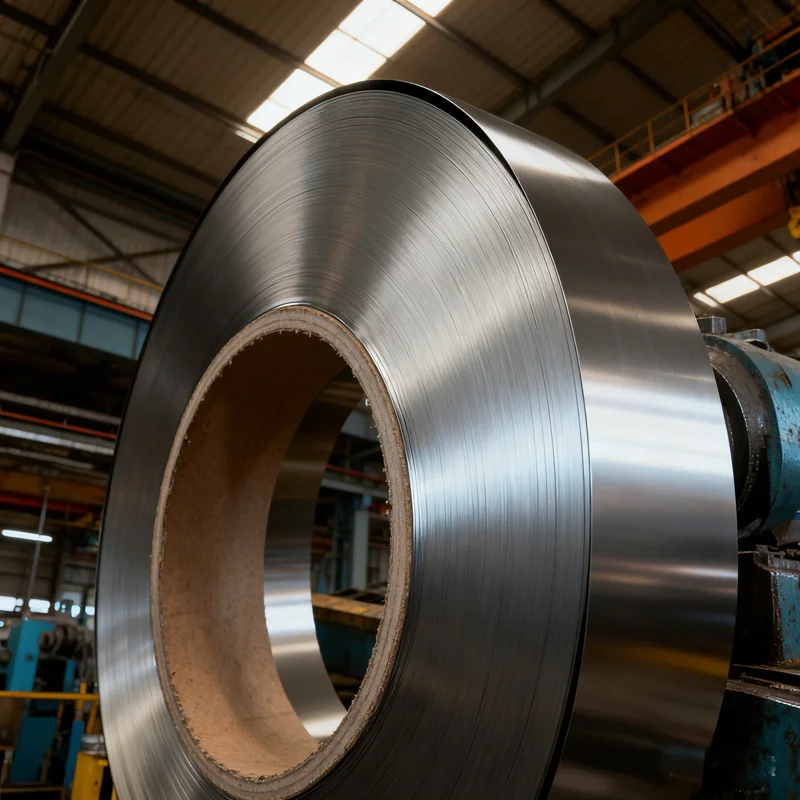
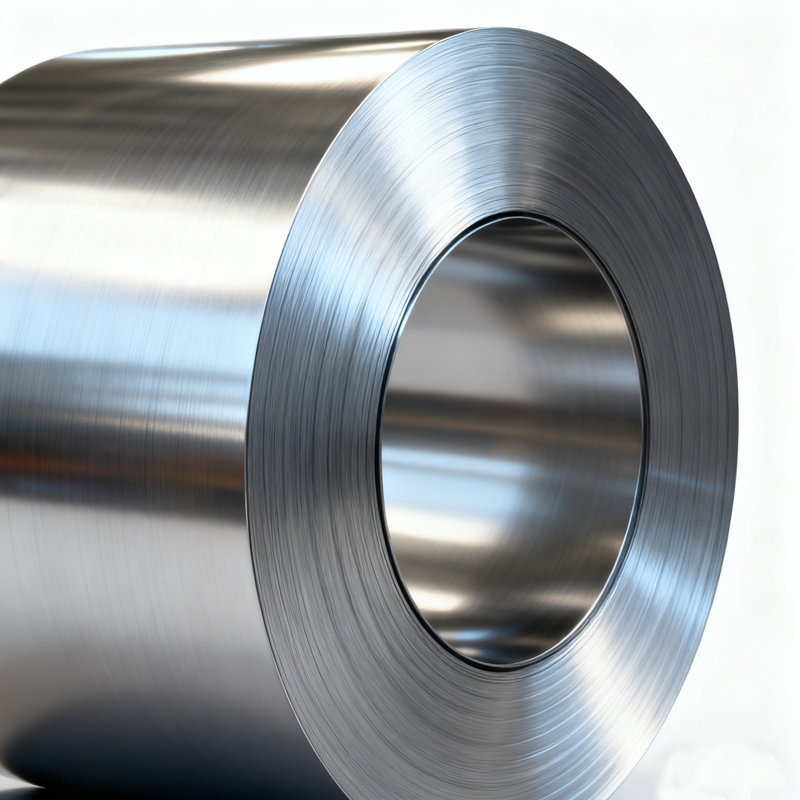
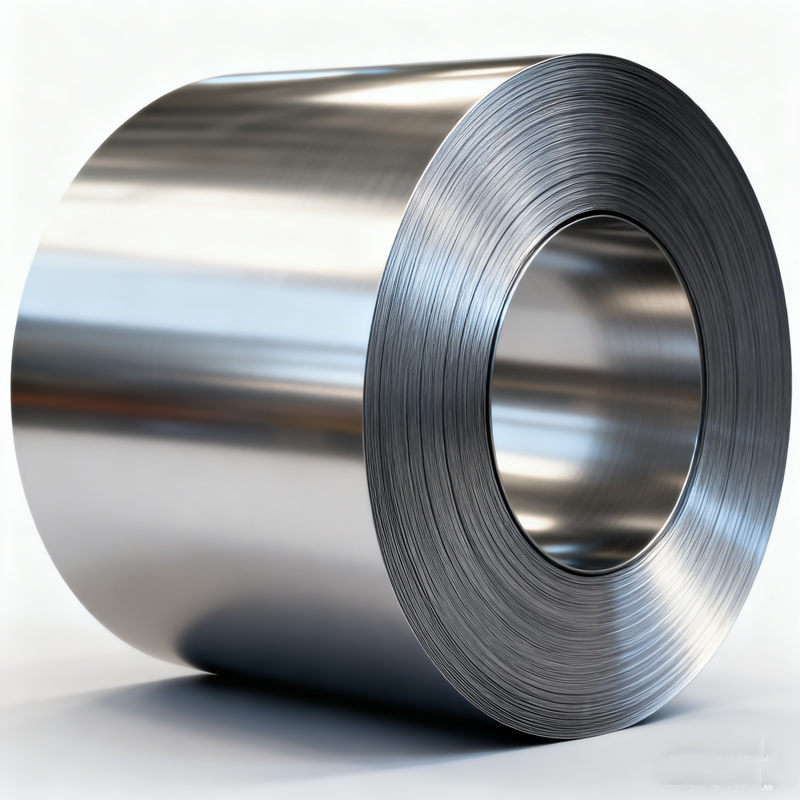
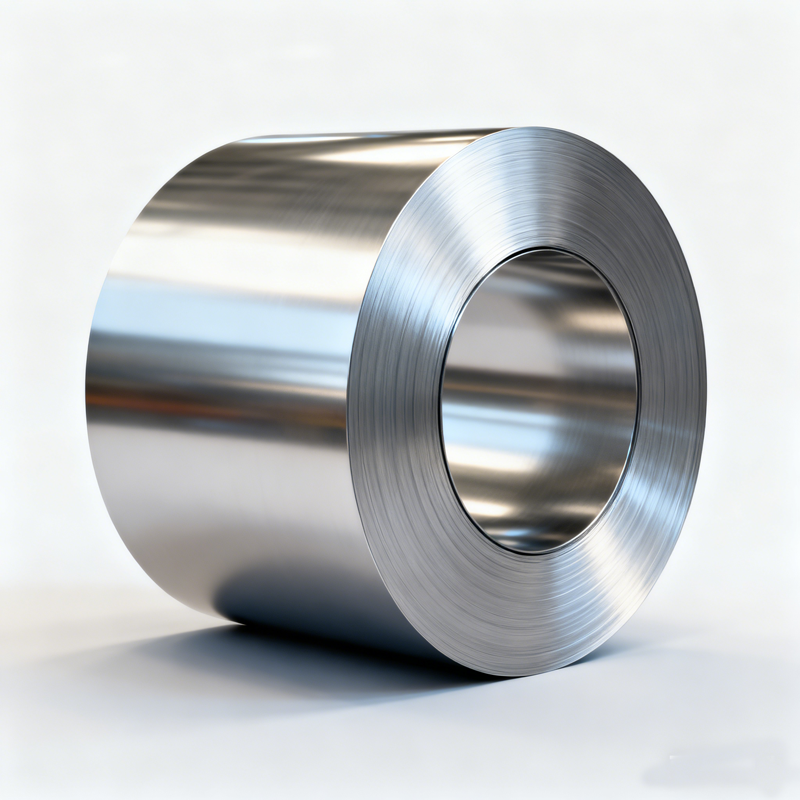
Cold-rolled coil represents a fundamental steel product manufactured through an advanced metallurgical process that transforms hot-rolled steel into a superior material with enhanced properties. The cold-rolled coil production involves passing heated steel through a series of rollers at room temperature, creating a precise thickness reduction while simultaneously improving the material's surface finish and dimensional accuracy. This manufacturing technique generates steel products with exceptional uniformity, tighter tolerances, and superior mechanical characteristics compared to conventional hot-rolled alternatives. The cold-rolled coil serves multiple functions across diverse industrial sectors, primarily acting as raw material for automotive components, construction elements, appliances, and precision manufacturing applications. Its technological features include enhanced surface smoothness, improved strength-to-weight ratios, and consistent thickness throughout the entire coil length. The process eliminates scale formation typically associated with hot-rolling methods, resulting in cleaner surfaces that require minimal additional processing. Cold-rolled coil exhibits superior formability characteristics, allowing manufacturers to create complex shapes and intricate designs without compromising structural integrity. The material demonstrates excellent weldability properties, making it ideal for fabrication processes requiring strong joints and connections. Additionally, cold-rolled coil offers enhanced corrosion resistance when properly treated, extending product lifespan in challenging environmental conditions. Applications span from automotive body panels and structural components to household appliances, electrical enclosures, and architectural elements. The construction industry utilizes cold-rolled coil for roofing materials, siding panels, and structural framing systems. Manufacturing sectors depend on this material for producing high-precision components requiring tight dimensional tolerances and consistent material properties. The cold-rolled coil's versatility extends to decorative applications where surface quality and finish appearance are critical factors in final product acceptance and market success.

New Product Releases

Cold-rolled coil delivers significant advantages that directly impact manufacturing efficiency and product quality across multiple industries. The material provides exceptional surface finish quality, eliminating the need for extensive secondary processing operations that typically increase production costs and manufacturing time. Manufacturers benefit from reduced material waste since cold-rolled coil maintains consistent thickness throughout its length, ensuring predictable forming results and minimizing scrap generation during fabrication processes. The enhanced dimensional accuracy of cold-rolled coil allows precise fitting of components, reducing assembly time and improving final product quality standards. This precision translates into lower rejection rates during quality control inspections, directly improving manufacturing profitability and customer satisfaction levels. Cold-rolled coil demonstrates superior strength characteristics compared to hot-rolled alternatives, enabling manufacturers to utilize thinner material gauges while maintaining required structural performance. This weight reduction capability provides cost savings in material consumption and transportation expenses, particularly beneficial for automotive applications where fuel efficiency regulations drive lightweighting initiatives. The improved formability properties of cold-rolled coil enable complex shape creation without cracking or tearing, expanding design possibilities for engineers and reducing the need for multiple forming operations. Manufacturers experience fewer tool changes and reduced maintenance requirements when processing cold-rolled coil due to its consistent material properties and cleaner surface conditions. The material's excellent weldability characteristics result in stronger joints with better penetration and reduced porosity, improving overall product durability and reliability. Cold-rolled coil accepts various surface treatments and coatings more effectively than hot-rolled materials, providing enhanced corrosion protection and aesthetic appeal options for end products. The consistent chemical composition throughout cold-rolled coil ensures predictable material behavior during heat treatment processes, enabling manufacturers to achieve desired mechanical properties with greater reliability. Storage and handling advantages include reduced oxidation rates and improved stackability, minimizing inventory management challenges and warehouse space requirements. These combined benefits result in lower total production costs, improved product quality, faster manufacturing cycles, and enhanced competitiveness in demanding market environments where precision and reliability are essential success factors.

Practical Tips

Where Do Stainless Steel Trash Cans Perform Best in Daily Use?

08

Dec

Where Do Stainless Steel Trash Cans Perform Best in Daily Use?

Modern households and commercial spaces increasingly rely on durable waste management solutions that combine functionality with aesthetic appeal. A stainless steel trash can represents the perfect intersection of durability, hygiene, and style, makin...
View More
What Is Stainless Steel Coil and How Is It Made?

08

Jan

What Is Stainless Steel Coil and How Is It Made?

The manufacturing industry relies heavily on versatile materials that can withstand demanding environments while maintaining structural integrity. Among these materials, stainless steel coil stands as one of the most essential components in modern in...
View More
Why Are Stainless Steel Flower Boxes a Durable Choice for Modern Spaces?

06

Feb

Why Are Stainless Steel Flower Boxes a Durable Choice for Modern Spaces?

Modern urban landscapes demand planters that combine aesthetic appeal with exceptional durability, making the stainless steel flower box an increasingly popular choice among architects, landscape designers, and facility managers. These sophisticated ...
View More
Where Are Linear Drainage Ditches Most Effective in Construction Projects?

17

Feb

Where Are Linear Drainage Ditches Most Effective in Construction Projects?

Construction projects across various industries require efficient water management systems to prevent structural damage, erosion, and safety hazards. Among the most versatile and effective solutions available today is the linear drainage ditch, a spe...
View More

Get a Free Quote

Our representative will contact you soon.
Email
Name
Company Name
Message
0/1000

cold-rolled coil

Superior Surface Quality and Precision Manufacturing

Superior Surface Quality and Precision Manufacturing

Cold-rolled coil exhibits exceptional surface quality characteristics that fundamentally transform manufacturing processes and end product performance across diverse industrial applications. The cold-rolling process creates an ultra-smooth surface finish that eliminates the scale formation and roughness typically associated with hot-rolled steel products, resulting in a mirror-like appearance that requires minimal additional surface preparation. This superior surface quality directly translates into cost savings for manufacturers who previously required extensive grinding, polishing, or chemical treatment operations to achieve acceptable surface standards. The precision achieved through cold-rolling technology ensures thickness variations remain within extremely tight tolerances, typically maintaining deviations of less than 0.001 inches across the entire coil length. This level of precision enables manufacturers to produce components with exact specifications, reducing the need for post-processing operations and minimizing material waste during fabrication processes. The consistent surface texture of cold-rolled coil provides optimal conditions for paint adhesion, powder coating application, and other surface treatment processes, resulting in more durable and aesthetically pleasing finished products. Manufacturers benefit from reduced coating material consumption and improved coating uniformity when working with cold-rolled coil surfaces compared to rougher hot-rolled alternatives. The enhanced surface quality also contributes to improved friction characteristics during forming operations, reducing tool wear and extending die life in stamping and forming applications. This advantage becomes particularly valuable in high-volume production environments where tool replacement costs and downtime significantly impact overall manufacturing profitability. Additionally, the superior surface finish of cold-rolled coil eliminates the need for intermediate cleaning operations between manufacturing steps, streamlining production workflows and reducing handling costs. The precision and surface quality of cold-rolled coil enable manufacturers to achieve tighter assembly tolerances, improving fit and finish quality in final products while reducing assembly time and labor costs.
Enhanced Mechanical Properties and Structural Performance

Enhanced Mechanical Properties and Structural Performance

Cold-rolled coil delivers significantly enhanced mechanical properties that provide substantial advantages in structural applications and high-performance manufacturing environments. The cold-working process fundamentally alters the steel's grain structure, creating smaller, more uniform crystals that contribute to increased tensile strength, improved yield strength, and enhanced fatigue resistance compared to hot-rolled materials. This strengthening effect allows engineers to specify thinner material gauges while maintaining required load-bearing capacity, resulting in weight reduction benefits that translate into material cost savings and improved product performance. The enhanced strength-to-weight ratio of cold-rolled coil becomes particularly valuable in automotive applications where lightweighting initiatives drive fuel efficiency improvements and emissions reduction targets. Manufacturers can achieve structural performance requirements using less material, reducing both raw material costs and transportation expenses throughout the supply chain. The improved mechanical properties of cold-rolled coil also contribute to better formability characteristics, enabling the creation of complex shapes and intricate geometries without compromising structural integrity or introducing stress concentrations that could lead to premature failure. This enhanced formability reduces the number of forming operations required to achieve desired component shapes, streamlining manufacturing processes and reducing production costs. The uniform grain structure created during cold-rolling results in more predictable material behavior during subsequent processing operations, including heat treatment, welding, and machining processes. This predictability enables manufacturers to optimize process parameters and achieve consistent results across production runs, reducing quality variations and improving overall product reliability. Cold-rolled coil demonstrates superior fatigue resistance properties, extending component service life in applications subjected to cyclic loading conditions such as automotive suspension systems, appliance mechanisms, and structural framework applications. The enhanced mechanical properties also contribute to improved spring-back characteristics during forming operations, allowing manufacturers to achieve more accurate final dimensions and reducing the need for secondary forming operations to correct dimensional deviations.
Versatile Applications and Manufacturing Flexibility

Versatile Applications and Manufacturing Flexibility

Cold-rolled coil demonstrates remarkable versatility across diverse industrial sectors, providing manufacturers with exceptional flexibility in product design and application development. The material's adaptability extends from precision electronic components requiring exact dimensional tolerances to large-scale construction applications demanding reliable structural performance and weather resistance. This versatility stems from the cold-rolled coil's ability to accept various surface treatments, coatings, and finishing processes while maintaining its fundamental mechanical properties and dimensional stability. Manufacturers in the automotive industry rely on cold-rolled coil for producing body panels, structural reinforcements, and safety components that must meet stringent crash performance standards while contributing to overall vehicle lightweighting objectives. The material's excellent deep-drawing capabilities enable the formation of complex automotive components such as door frames, fender panels, and structural reinforcements that require intricate shapes and tight radius bends without cracking or tearing. In the appliance manufacturing sector, cold-rolled coil provides the ideal combination of formability, surface quality, and corrosion resistance required for producing refrigerator panels, washing machine drums, and oven components that must withstand demanding operating environments while maintaining aesthetic appeal throughout their service life. The construction industry benefits from cold-rolled coil's weather resistance and structural integrity in applications ranging from roofing and siding systems to structural framing components that require long-term durability and minimal maintenance requirements. Electronic equipment manufacturers utilize cold-rolled coil for producing precision enclosures, chassis components, and electromagnetic shielding applications where dimensional accuracy and surface conductivity are critical performance factors. The material's compatibility with various joining methods, including welding, brazing, mechanical fastening, and adhesive bonding, provides design engineers with multiple assembly options to optimize product performance and manufacturing efficiency. Cold-rolled coil also demonstrates excellent machinability characteristics, enabling precise cutting, drilling, and forming operations required for creating custom components and specialized applications. This manufacturing flexibility reduces tooling requirements and enables rapid prototyping capabilities that accelerate product development cycles and time-to-market objectives for innovative products across multiple industrial sectors.

Get a Free Quote

Our representative will contact you soon.
Email
Name
Company Name
Message
0/1000