 EN
EN
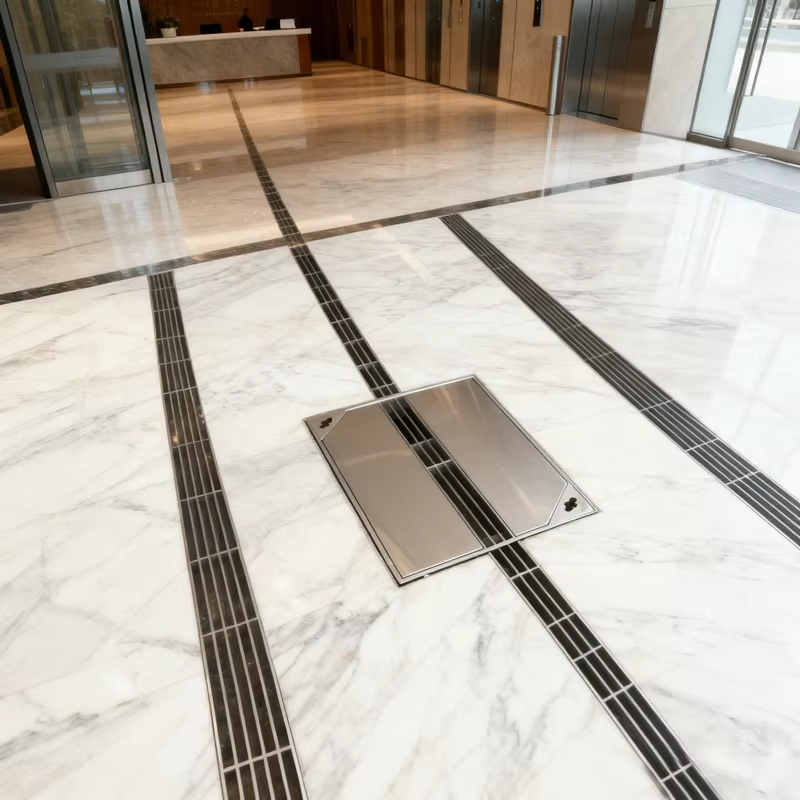
Modern construction projects demand efficient water management solutions that combine functionality with aesthetic appeal. The linear drainage ditch has emerged as a popular choice for architects, engineers, and property developers seeking streamlined water collection systems. These innovative drainage solutions offer superior performance compared to traditional point drains and conventional gutter systems, making them essential components in contemporary building design and landscape architecture.
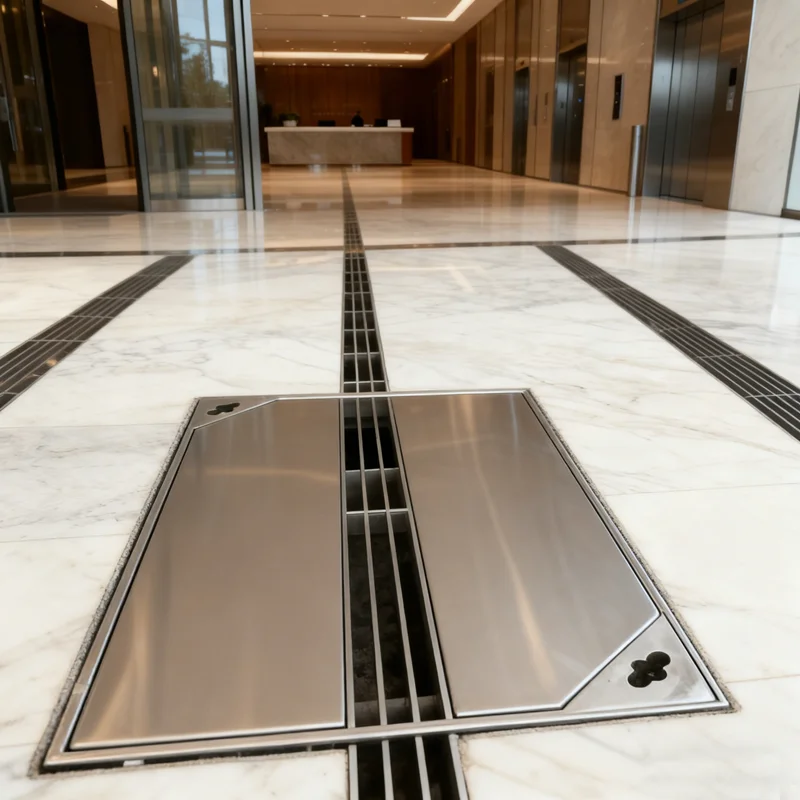
Understanding the comparative advantages of different drainage systems requires examining their design principles, installation requirements, maintenance needs, and long-term performance characteristics. While traditional drainage methods have served construction projects for decades, the linear drainage ditch represents an evolution in water management technology that addresses many limitations of older systems. This comprehensive analysis explores how these systems stack up against alternatives and why they're becoming the preferred choice for diverse applications.
Design Principles and Engineering Advantages
Structural Configuration Benefits
The linear drainage ditch operates on fundamentally different principles compared to point drainage systems. Instead of collecting water at discrete locations, these systems create continuous channels that capture runoff along their entire length. This design distributes hydraulic loads more evenly across the drainage infrastructure, reducing the risk of localized flooding and improving overall system reliability.
Traditional point drains create bottlenecks where water must travel horizontally across surfaces before reaching collection points. In contrast, the linear drainage ditch eliminates these travel distances by positioning collection channels directly in the path of water flow. This configuration significantly improves drainage efficiency, particularly in areas with heavy rainfall or rapid snowmelt conditions.
The structural integrity of linear systems also surpasses that of multiple point drains connected by underground piping. Fewer connection points mean reduced opportunities for system failure, while the continuous channel design provides inherent strength that can withstand heavy loads and temperature fluctuations without compromising performance.
Hydraulic Performance Characteristics
From a hydraulic engineering perspective, the linear drainage ditch offers superior flow characteristics compared to conventional drainage methods. The continuous slope gradient maintains consistent water velocity, preventing stagnation and reducing the accumulation of sediments that can clog traditional drain systems. This self-cleaning action extends maintenance intervals and improves long-term system reliability.
Flow capacity calculations demonstrate that linear systems can handle significantly higher volumes of water per linear foot compared to equivalent spacing of point drains. The wider collection area and optimized channel geometry create higher flow rates with lower head losses, making these systems particularly effective in commercial and industrial applications where rapid water removal is critical.
Advanced computational fluid dynamics modeling confirms that the linear drainage ditch minimizes turbulence and flow separation, phenomena that reduce efficiency in traditional drainage systems. The smooth channel profiles and carefully designed grating patterns optimize water entry while preventing debris accumulation that could compromise system performance.
Installation and Construction Considerations
Site Preparation Requirements
Installing a linear drainage ditch requires different site preparation techniques compared to conventional drainage systems. The continuous channel excavation demands precise grading and slope control along the entire installation length. However, this initial complexity often results in simpler overall construction processes since fewer individual drain connections are required.
Excavation volumes for linear systems are typically lower than equivalent point drain installations when underground piping networks are considered. The streamlined trenching pattern reduces soil disturbance and allows for faster backfilling operations. Construction teams report shorter installation timelines and reduced labor costs when implementing linear drainage solutions compared to complex networks of interconnected point drains.
Foundation integration presents unique advantages with linear drainage systems. The continuous channel can be incorporated into concrete pours and structural elements more easily than multiple point penetrations. This integration capability reduces waterproofing complications and creates more reliable sealing against water infiltration into building structures.
Material and Component Integration
The modular nature of modern linear drainage ditch systems simplifies specification and procurement processes. Standardized channel sections, grating patterns, and connection hardware reduce inventory complexity compared to traditional systems requiring multiple drain sizes and specialized fittings. This standardization also improves quality control and reduces the likelihood of installation errors.
Material compatibility considerations favor linear systems in many applications. The continuous channel design allows for consistent material selection throughout the drainage system, eliminating galvanic corrosion concerns that can arise when different metals are used in complex point drain networks. Stainless steel and polymer concrete options provide exceptional durability while maintaining aesthetic consistency.
Thermal expansion management becomes more straightforward with linear drainage ditch installations. Expansion joints can be strategically placed at predetermined intervals, unlike point drain systems where each individual drain creates a potential thermal stress concentration point in surrounding surfaces.
Maintenance and Long-Term Performance
Cleaning and Service Access
Maintenance requirements represent a significant differentiator between linear and traditional drainage systems. The continuous channel design of a linear drainage ditch allows for efficient cleaning with specialized equipment that can traverse the entire system length. This accessibility reduces maintenance time and costs compared to point drains that must be serviced individually.
Debris removal efficiency significantly improves with linear systems. The self-cleaning action of properly sloped channels prevents most sediment accumulation, while larger debris can be easily removed through continuous grating access. Traditional point drains often require excavation or specialized tools to clear blockages, particularly when debris becomes lodged in curved transition sections.
Inspection procedures are simplified with linear drainage systems. Visual assessment of the entire channel length is possible through grating removal, allowing maintenance personnel to identify potential issues before they compromise system performance. This proactive maintenance capability reduces unexpected failures and extends system service life significantly.
Durability and Lifecycle Considerations
Long-term performance data indicates that the linear drainage ditch outperforms traditional systems in most durability metrics. The continuous channel construction eliminates joint failures that commonly affect interconnected point drain networks. Fewer mechanical connections mean reduced opportunities for seal degradation and structural failure over time.
Corrosion resistance improvements are evident in linear systems due to improved drainage characteristics. Standing water, which accelerates corrosion in traditional systems, is eliminated through the continuous flow design. The ability to specify corrosion-resistant materials throughout the system further enhances durability compared to mixed-material traditional installations.
Freeze-thaw cycle resistance proves superior in linear drainage applications. The continuous slope prevents ice dam formation that can damage traditional point drain systems. Additionally, the larger thermal mass of continuous channels provides better temperature stability, reducing stress cycling that contributes to premature system failure.
Cost Analysis and Economic Benefits
Initial Investment Comparison
Initial cost considerations for linear drainage ditch systems often appear higher than traditional alternatives when comparing individual component prices. However, comprehensive project cost analysis reveals significant savings in excavation, piping, and labor expenses. The reduced underground infrastructure requirements translate to lower overall project costs in most applications.
Material cost efficiency becomes apparent when examining total system requirements. Linear systems eliminate much of the underground piping network needed for traditional point drain systems. This reduction in buried infrastructure decreases material costs and simplifies utility coordination, particularly in complex urban construction projects.
Labor cost advantages are substantial due to streamlined installation procedures. Construction crews can install linear systems more quickly than equivalent traditional drainage networks. The continuous trenching pattern allows for efficient use of excavation equipment, while the reduced number of connections minimizes skilled labor requirements for system assembly.
Operational Cost Benefits
Operating cost advantages of the linear drainage ditch become apparent through reduced maintenance requirements and extended service intervals. The self-cleaning characteristics minimize routine maintenance needs, while the improved access for necessary service operations reduces labor costs when maintenance is required.
Energy costs are reduced in applications requiring pumped drainage systems. The improved hydraulic efficiency of linear channels reduces head losses and allows for smaller, more efficient pump selections. This efficiency improvement translates to lower operating costs throughout the system lifecycle.
Replacement cost considerations favor linear systems due to their extended service life and modular design. Individual sections can be replaced without disrupting the entire system, unlike traditional networks where single point failures often require extensive excavation and system reconstruction.
Application-Specific Performance Comparison
Commercial and Industrial Facilities
Commercial kitchen and food processing applications demonstrate clear advantages for linear drainage ditch installations. The continuous channel design facilitates thorough cleaning and sanitization procedures required in food service environments. Traditional point drains create hygiene challenges due to their complex geometry and limited cleaning access.
Loading dock and warehouse applications benefit from the linear system's ability to handle point loads from heavy equipment while maintaining drainage functionality. The distributed load capacity prevents localized stress concentrations that can damage traditional point drain installations under industrial conditions.
Manufacturing environments with chemical exposure require drainage systems that resist corrosion while providing reliable performance. The linear drainage ditch design allows for specification of chemically resistant materials throughout the system, eliminating weak points that compromise traditional mixed-material installations.
Architectural and Aesthetic Integration
Architectural applications increasingly favor linear drainage systems due to their clean lines and minimal visual impact. The continuous grating pattern integrates seamlessly with modern design aesthetics, unlike traditional point drains that create visual interruptions in architectural surfaces.
Plaza and pedestrian area applications benefit from the linear drainage ditch's ability to follow architectural lines and complement surface patterns. Traditional drainage solutions often conflict with design intent, requiring compromise between functionality and aesthetics that linear systems avoid.
Pool deck and recreational facility installations demonstrate the superior performance of linear systems in high-use environments. The continuous drainage capability prevents standing water that creates slip hazards, while the low-profile design maintains accessibility compliance requirements more effectively than traditional alternatives.
Environmental Impact and Sustainability
Water Management Efficiency
Environmental benefits of the linear drainage ditch extend beyond immediate drainage performance to encompass broader water management objectives. The improved collection efficiency reduces stormwater runoff volumes, decreasing the burden on municipal drainage systems and reducing environmental impact from urban development.
Sediment and pollutant capture rates improve with linear systems due to their enhanced flow characteristics and larger collection areas. The continuous channel design provides more opportunities for settlement and filtration compared to traditional point collection systems that rely on rapid water transport to central collection points.
Integration with sustainable drainage practices becomes more straightforward with linear systems. The continuous channel can incorporate filtration media and treatment systems that improve water quality before discharge, supporting green building initiatives and environmental compliance requirements.
Material Sustainability Considerations
Recyclability advantages favor linear drainage systems due to their homogeneous material composition. Unlike traditional systems mixing different materials and metals, linear installations can be fully recycled at end of service life. This recyclability supports circular economy principles and reduces environmental impact from drainage infrastructure replacement.
Manufacturing efficiency improvements reduce the carbon footprint of linear drainage ditch production. Standardized components and streamlined manufacturing processes require less energy than the diverse range of components needed for traditional drainage systems. This efficiency extends to reduced packaging and transportation requirements.
Service life extensions achieved through improved durability and maintenance characteristics reduce the frequency of system replacement. This longevity decreases the lifetime environmental impact per unit of drainage capacity, supporting sustainability objectives while reducing total cost of ownership.
FAQ
What are the main advantages of linear drainage systems over traditional point drains?
Linear drainage systems offer superior water collection efficiency, reduced maintenance requirements, better aesthetic integration, and improved structural performance compared to traditional point drains. The continuous channel design eliminates bottlenecks, provides self-cleaning action, and distributes loads more evenly across the drainage infrastructure.
Are linear drainage systems more expensive to install than conventional drainage?
While individual components may cost more initially, total project costs are often lower due to reduced excavation, simplified piping networks, and faster installation times. The streamlined construction process and reduced underground infrastructure requirements typically result in overall cost savings compared to traditional drainage installations.
How do maintenance requirements compare between linear and traditional drainage systems?
Linear drainage systems require less frequent maintenance due to their self-cleaning characteristics and improved access for service operations. The continuous channel design allows for efficient cleaning procedures and easier inspection, while traditional point drains often require individual attention and specialized tools for maintenance.
Can linear drainage systems handle the same flow volumes as traditional drainage networks?
Linear drainage systems typically provide superior flow capacity per linear foot compared to equivalent spacing of point drains. The continuous collection area and optimized hydraulic design create higher flow rates with lower head losses, making them particularly effective for high-volume applications and areas with rapid water accumulation.
Table of Contents
- Design Principles and Engineering Advantages
- Installation and Construction Considerations
- Maintenance and Long-Term Performance
- Cost Analysis and Economic Benefits
- Application-Specific Performance Comparison
- Environmental Impact and Sustainability
-
FAQ
- What are the main advantages of linear drainage systems over traditional point drains?
- Are linear drainage systems more expensive to install than conventional drainage?
- How do maintenance requirements compare between linear and traditional drainage systems?
- Can linear drainage systems handle the same flow volumes as traditional drainage networks?