
 EN
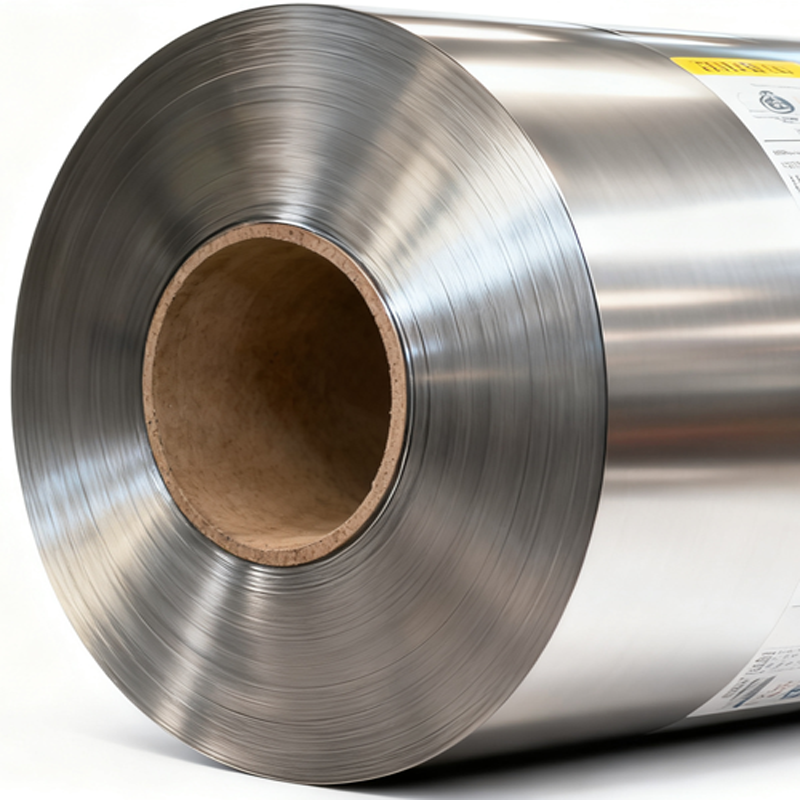
Selecting the right stainless steel grade is one of the most critical decisions in manufacturing, construction, and industrial applications. Each stainless steel variant offers distinct properties that affect performance, longevity, and overall project cost. Understanding the differences between stainless steel options helps engineers, procurement specialists, and project managers make informed decisions that align with operational requirements and budget constraints. The choice between grades directly impacts product reliability, maintenance costs, and long-term asset performance across diverse industries from food processing to aerospace manufacturing.
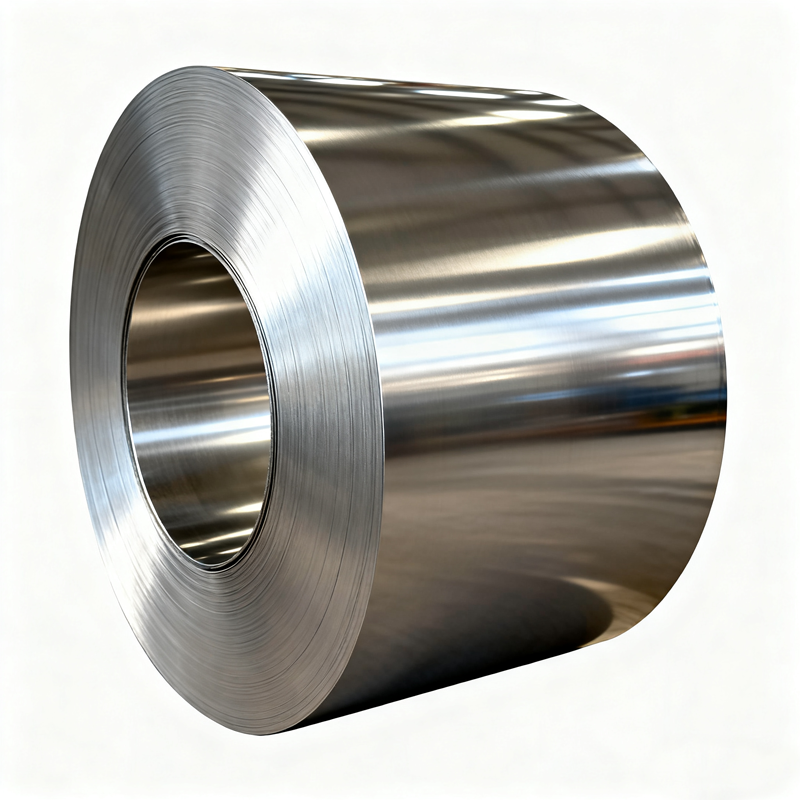
The stainless steel market offers numerous grades, each engineered for specific environmental conditions, mechanical demands, and application scenarios. Rather than treating all stainless steel as interchangeable, professionals must evaluate composition, corrosion resistance levels, temperature tolerance, workability, and cost implications. This comprehensive approach prevents costly failures, extends equipment lifespan, and optimizes return on investment across manufacturing environments.
Understanding Core Stainless Steel Properties and Classification
Composition and Alloying Elements in Stainless Steel
Stainless steel derives its corrosion resistance from chromium content, which creates a passive oxide layer protecting the underlying metal. The basic stainless steel formula requires a minimum chromium content of 10.5 percent by weight. Beyond chromium, nickel, molybdenum, nitrogen, and other elements are added to stainless steel to enhance specific performance characteristics. Understanding these elemental additions is essential when comparing stainless steel options for your application, as each component serves a distinct purpose in the material's behavior.
Nickel in stainless steel improves workability and low-temperature toughness, making certain stainless steel grades more suitable for bending, welding, and cold-forming operations. Molybdenum addition to stainless steel significantly increases resistance to pitting and crevice corrosion in chloride-rich environments, which is why marine and offshore applications frequently specify molybdenum-containing stainless steel. Nitrogen strengthens stainless steel while reducing nickel dependence, offering cost benefits in certain grades without sacrificing mechanical properties.
Main Stainless Steel Family Groups
The stainless steel industry organizes grades into distinct families based on crystal structure and alloying strategy. Austenitic stainless steel, the most widely used family, contains sufficient nickel to maintain austenitic structure at room temperature, providing excellent corrosion resistance and weldability. Ferritic stainless steel offers moderate corrosion resistance at lower material cost through chromium-only composition, making this stainless steel category ideal for non-critical applications and cost-sensitive projects. Martensitic stainless steel delivers high hardness and strength but reduced corrosion resistance, directing this stainless steel type toward cutlery, tools, and high-stress non-corrosive environments.
Duplex stainless steel combines austenitic and ferritic phases, delivering superior strength-to-weight ratios and improved pitting resistance compared to traditional stainless steel options. Super-duplex and lean-duplex variants of stainless steel address specific niche applications where standard duplex stainless steel provides insufficient performance. Precipitation-hardening stainless steel enables strength levels approaching tool steel while maintaining moderate corrosion resistance, making this specialized stainless steel useful in aerospace and precision applications.
Evaluating Corrosion Resistance and Environmental Compatibility
Pitting Resistance Equivalency and Environmental Factors
The Pitting Resistance Equivalency Number (PREN) provides a numerical framework for comparing stainless steel resistance to localized corrosion in aggressive chloride environments. PREN combines chromium, molybdenum, and nitrogen content into a formula that predicts stainless steel performance in saltwater, de-icing environments, and industrial chemical settings. A higher PREN value indicates superior stainless steel resistance to pitting, with austenitic stainless steel typically ranging from 20 to 50 PREN, duplex stainless steel exceeding 40 PREN, and super-duplex stainless steel reaching above 60 PREN.
Environmental assessment directly influences stainless steel grade selection because exposure conditions define minimum acceptable PREN thresholds. Inland, dry applications may accept lower-PREN stainless steel like ferritic 430, while coastal environments demand higher-PREN austenitic stainless steel such as 316L or duplex variants. Chemical processing plants handling chlorides or sulfuric acid exposure require stainless steel grades specifically engineered for that chemical compatibility, often necessitating super-duplex stainless steel or specialized austenitic stainless steel variants like 6Mo.
Temperature Considerations for Stainless Steel Performance
Stainless steel behavior changes dramatically across temperature ranges, affecting both corrosion resistance and mechanical properties. Austenitic stainless steel maintains superior toughness at cryogenic temperatures, making this stainless steel family ideal for liquefied gas and deep-sea applications where brittleness poses critical safety risks. At elevated temperatures, austenitic stainless steel exhibits good creep resistance and oxidation protection, though certain stainless steel grades perform better than others depending on exact composition and maximum temperature exposure.
Ferritic stainless steel becomes brittle at low temperatures, restricting this stainless steel type to above-freezing applications in most cases. Duplex stainless steel offers intermediate temperature performance, maintaining reasonable toughness in cold environments while supporting moderate elevated-temperature service. When selecting stainless steel for thermal cycling or extreme temperatures, detailed metallurgical data becomes essential because standard room-temperature property values do not predict stainless steel behavior under thermal stress.
Mechanical Properties, Workability, and Cost Trade-offs
Strength, Ductility, and Processing Characteristics
Martensitic stainless steel delivers the highest hardness levels among stainless steel families, reaching tensile strengths above 1,700 MPa in hardened conditions, but this stainless steel type exhibits lower ductility and reduced weldability. Austenitic stainless steel sacrifices peak strength for superior ductility and cold-workability, with tensile strengths typically between 515 and 620 MPa depending on specific stainless steel grade and work-hardening history. Duplex stainless steel bridges this gap, achieving yield strengths double those of standard austenitic stainless steel while maintaining reasonable ductility and weldability compared to martensitic stainless steel options.
Fabrication compatibility dramatically impacts total project cost because stainless steel workability influences labor intensity and tooling wear. Austenitic stainless steel machines more easily than duplex or martensitic stainless steel variants, reducing production time and cutting-tool replacement frequency. Ferritic stainless steel presents intermediate machinability, positioning this stainless steel as a pragmatic compromise for cost-sensitive projects with moderate performance requirements. When your application permits bending, cold-forming, or complex welding operations, selecting more workable stainless steel grades minimizes production challenges and delivery delays.
Cost Drivers and Value Alignment
Material cost represents only one component of total stainless steel economics because fabrication, installation, and lifecycle maintenance expenses often exceed raw material spending. Premium austenitic stainless steel grades like 316L and 904L command higher initial prices but deliver superior corrosion resistance and reduced maintenance, justifying higher expense in corrosive environments. Ferritic stainless steel minimizes material cost, making this stainless steel attractive for budget-constrained projects with benign operating environments where extended lifespan is not critical.
The most economical stainless steel grade is not necessarily the cheapest option upfront but the grade that delivers the lowest total cost of ownership across the asset's operational life. Duplex stainless steel, though more expensive than austenitic stainless steel initially, often provides better value in aggressive environments because superior pitting resistance extends service life and reduces unexpected downtime. Specialty stainless steel options like stainless steel 316Ti or 6Mo command premium pricing but solve specific technical challenges where standard stainless steel grades prove insufficient.
Practical Selection Framework for Common Applications
Industry-Specific Stainless Steel Requirements
Food and beverage processing typically specifies austenitic stainless steel grades 304 or 316L because these stainless steel variants resist corrosion from acidic and saline food components while withstanding frequent cleaning and sterilization. Pharmaceutical manufacturing demands stainless steel meeting stringent purity requirements, often selecting 316L or 316Ti stainless steel specifically to minimize nickel leaching and contamination risks. Oil and gas exploration commonly employs duplex or super-duplex stainless steel to combat hydrogen sulfide corrosion, chlorides, and extreme pressure conditions that challenge conventional austenitic stainless steel.
Chemical processing plants select stainless steel based on specific chemical compatibility data because corrosion rates vary dramatically across different stainless steel grades when exposed to sulfuric acid, hydrochloric acid, or mixed chemical streams. Architectural and decorative applications frequently choose ferritic stainless steel or lower-nickel austenitic stainless steel variants to balance aesthetic appeal with budget constraints. Automotive exhaust systems increasingly employ ferritic stainless steel because this stainless steel grade provides sufficient corrosion protection at lower cost than austenitic alternatives.
Performance Benchmarking and Specification Development
Establishing clear performance criteria before stainless steel grade selection prevents expensive mid-project revisions and unexpected failures. Document required tensile strength, yield strength, elongation limits, and impact toughness values needed for your specific application, then cross-reference these requirements against available stainless steel options. Conduct accelerated corrosion testing using samples of candidate stainless steel grades in your actual operating environment or equivalent laboratory conditions to validate projected performance before full-scale implementation.
Engage materials engineers and suppliers experienced with your specific stainless steel application sector because industry expertise identifies proven stainless steel solutions and common pitfalls. Request detailed material certification and test reports confirming that supplied stainless steel meets ASTM or relevant international specifications. Establish clear traceability procedures to verify that delivered stainless steel components match approved specifications, protecting against inadvertent grade substitution that could compromise performance and safety.
FAQ
What is the most corrosion-resistant stainless steel grade?
Super-duplex stainless steel and specialty austenitic stainless steel like 6Mo offer the highest corrosion resistance among commercial stainless steel options, with PREN values exceeding 65. These premium stainless steel grades excel in extreme saltwater, deep-sea, and highly corrosive chemical environments. However, standard austenitic stainless steel 316L provides excellent corrosion resistance for most industrial applications at significantly lower cost, making 316L a pragmatic stainless steel choice for many projects.
Can you weld all stainless steel grades?
Austenitic stainless steel welds most readily among stainless steel families, offering excellent fusion characteristics with minimal special precautions. Duplex stainless steel requires controlled heat input and post-weld heat treatment to maintain balanced microstructure, making this stainless steel more challenging to weld than austenitic types. Martensitic stainless steel presents significant weldability challenges because rapid cooling after welding causes brittle microstructures in the heat-affected zone, often requiring preheat and stress-relief procedures when working with this stainless steel variety.
Which stainless steel grade is most cost-effective?
Ferritic stainless steel like 430 represents the least expensive stainless steel option, costing 30 to 40 percent less than austenitic stainless steel. However, true cost-effectiveness depends on your specific application because cheapest initial stainless steel cost may result in higher maintenance and premature replacement expenses. Austenitic 304 stainless steel often provides the best overall value for general-purpose applications, balancing moderate material cost against superior longevity and minimal maintenance requirements typical of this widely-used stainless steel grade.