
 EN
EN
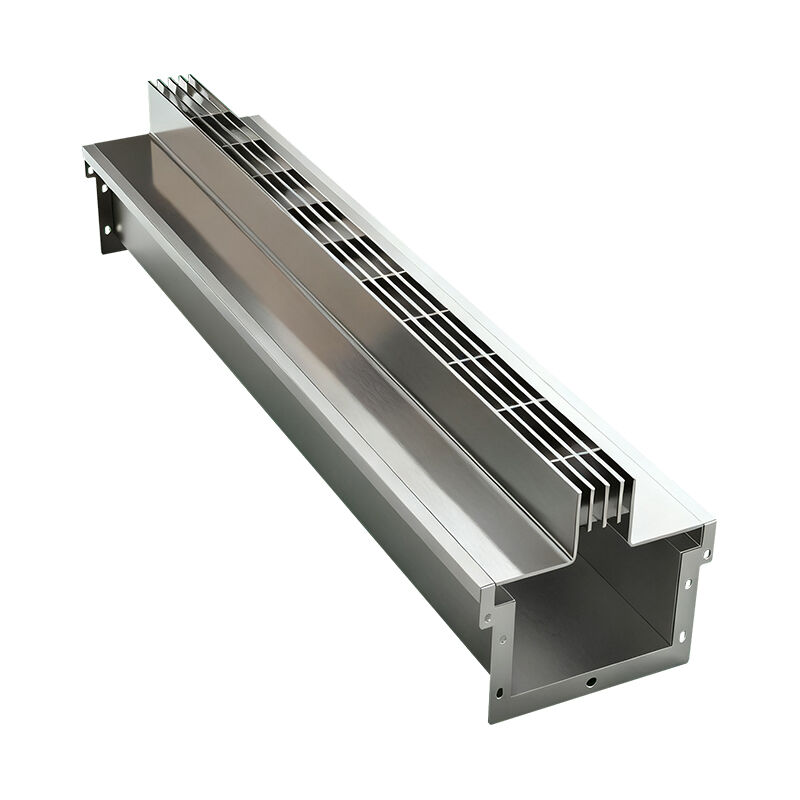
Modern urban infrastructure relies heavily on effective drainage systems to manage rainwater runoff and prevent flooding. A stainless steel rainwater grate serves as a critical component in these systems, providing both functionality and aesthetic appeal. These engineered structures combine durability with efficiency to handle substantial water volumes while maintaining the visual integrity of commercial and residential spaces. Understanding how these drainage solutions operate can help property owners and engineers make informed decisions about their stormwater management needs.
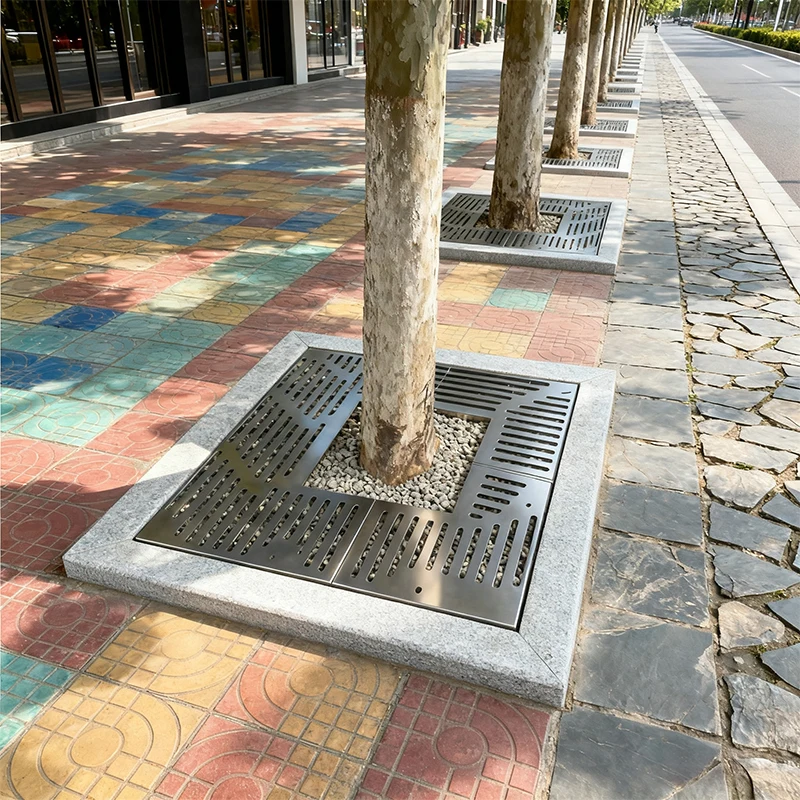
The fundamental operation of these drainage components involves channeling surface water through strategically designed openings into underground collection systems. Each stainless steel rainwater grate features precisely calculated slot widths and spacing patterns that maximize water flow while preventing debris accumulation. The corrosion-resistant properties of stainless steel ensure long-term performance even under harsh weather conditions and constant exposure to moisture. These systems integrate seamlessly with existing drainage infrastructure to create comprehensive water management solutions for various applications.
Core Components and Design Elements
Structural Framework
The structural framework of a stainless steel rainwater grate consists of load-bearing elements engineered to withstand both hydraulic pressure and mechanical loads. High-grade stainless steel alloys provide exceptional strength-to-weight ratios, allowing for robust construction without excessive material usage. The frame design incorporates reinforcement patterns that distribute weight evenly across the supporting structure, preventing localized stress concentrations that could lead to failure over time.
Manufacturing processes involve precision welding and forming techniques to create seamless joints that resist water infiltration and corrosion. The framework typically features a grid pattern or linear configuration, depending on the specific application requirements and flow characteristics. Each component undergoes rigorous testing to ensure compliance with industry standards for load capacity and durability specifications.
Drainage Opening Configuration
The drainage opening configuration represents the most critical aspect of stainless steel rainwater grate functionality. Engineers calculate optimal opening sizes based on expected flow rates, debris characteristics, and maintenance accessibility requirements. Slot widths typically range from narrow configurations for pedestrian areas to wider openings for high-volume drainage applications. The spacing between openings affects both hydraulic performance and structural integrity.
Advanced computational fluid dynamics modeling helps optimize opening patterns to minimize turbulence and maximize flow efficiency. The geometric arrangement of drainage openings also considers factors such as wheel safety for vehicular traffic and heel protection for pedestrian areas. Each stainless steel rainwater grate design balances multiple performance criteria to achieve optimal results across diverse installation environments.
Operational Mechanisms and Water Flow Dynamics
Surface Water Collection
Surface water collection begins when precipitation contacts the drainage area served by the stainless steel rainwater grate system. Gravity drives water movement toward the lowest elevation points where grates are strategically positioned to intercept flow. The surface gradient and grate positioning work together to create natural collection zones that efficiently capture runoff from various directions.
The collection process involves both sheet flow and channelized flow patterns, depending on the surface characteristics and rainfall intensity. Smooth stainless steel surfaces reduce friction losses and promote rapid water movement into the drainage system. The material properties also prevent ice formation that might impede flow during freezing conditions, ensuring year-round operational reliability.
Hydraulic Performance Characteristics
Hydraulic performance characteristics determine the effectiveness of a stainless steel rainwater grate under various flow conditions. The hydraulic capacity depends on factors including opening area, approach velocity, and downstream pipe sizing. Flow coefficients specific to each grate design help engineers predict performance under different storm intensities and duration scenarios.
Turbulence patterns within the grate openings affect both flow capacity and debris handling capabilities. Well-designed stainless steel rainwater grate systems minimize energy losses while maintaining adequate flow velocities to prevent sediment deposition. The hydraulic grade line calculations ensure that the entire drainage system operates within design parameters during peak flow events.
Installation Requirements and System Integration
Foundation and Support Systems
Proper foundation and support systems are essential for long-term performance of any stainless steel rainwater grate installation. The foundation must provide adequate load distribution while maintaining precise elevation control for optimal drainage function. Concrete surrounds typically anchor the grate framework and create smooth transitions between the drainage component and adjacent surfaces.
Support system design considers both static loads from the grate itself and dynamic loads from traffic or pedestrian activity. The foundation depth and reinforcement requirements vary based on soil conditions and expected loading scenarios. Proper installation techniques ensure that the stainless steel rainwater grate remains level and secure throughout its service life, preventing operational problems and safety hazards.
Connection to Drainage Infrastructure
Connection to drainage infrastructure involves integrating the stainless steel rainwater grate with underground piping systems, catch basins, and treatment facilities. The transition from surface collection to subsurface conveyance must be hydraulically smooth to prevent flow restrictions or turbulence that could reduce system capacity. Pipe sizing and slope calculations ensure adequate conveyance capacity for collected stormwater.
Proper connections also include provisions for inspection and maintenance access to the underground components. The stainless steel rainwater grate design often incorporates removable sections or access points that allow cleaning equipment to reach downstream piping. These connections must be watertight to prevent infiltration that could compromise the overall drainage system performance.
Maintenance and Longevity Factors
Cleaning and Debris Management
Regular cleaning and debris management are crucial for maintaining optimal performance of a stainless steel rainwater grate system. Accumulated leaves, sediment, and other debris can significantly reduce hydraulic capacity if not removed promptly. The cleaning frequency depends on local environmental conditions, seasonal patterns, and upstream land use characteristics that influence debris generation rates.
Mechanical cleaning equipment designed specifically for stainless steel rainwater grate maintenance can efficiently remove accumulated materials without damaging the grate surface. High-pressure water systems and vacuum equipment provide effective cleaning methods that restore full flow capacity. The corrosion resistance of stainless steel allows for aggressive cleaning techniques without compromising structural integrity or appearance.
Inspection and Performance Monitoring
Systematic inspection and performance monitoring help identify potential issues before they affect drainage system functionality. Visual inspections can reveal structural damage, excessive debris accumulation, or signs of inadequate hydraulic performance. Regular monitoring of flow rates during storm events provides data for evaluating whether the stainless steel rainwater grate system meets design expectations.
Advanced monitoring technologies include flow sensors and remote monitoring systems that provide real-time data on drainage system performance. These tools help maintenance crews prioritize cleaning schedules and identify system improvements needed to handle changing conditions. The durability of stainless steel components typically results in extended service intervals compared to other materials, reducing long-term maintenance costs.
Applications Across Different Environments
Commercial and Industrial Settings
Commercial and industrial settings present unique challenges for stainless steel rainwater grate applications due to heavy traffic loads, chemical exposures, and stringent performance requirements. Manufacturing facilities, shopping centers, and office complexes require drainage solutions that handle both routine precipitation and potential industrial discharges. The chemical resistance of stainless steel provides protection against various contaminants that might corrode other materials.
Load-bearing requirements in commercial applications often exceed residential standards due to delivery vehicles, maintenance equipment, and concentrated foot traffic. The stainless steel rainwater grate design must accommodate these elevated loading conditions while maintaining hydraulic performance. Anti-slip surface treatments and heel-proof opening configurations enhance safety in high-traffic commercial environments.
Residential and Landscape Applications
Residential and landscape applications focus on aesthetics and functionality within smaller-scale drainage systems. Homeowners and landscape architects choose stainless steel rainwater grate systems for their clean appearance and low maintenance requirements. The material compatibility with various architectural styles makes these systems suitable for diverse residential design themes.
Landscape applications often involve integration with irrigation systems, tree wells, and decorative water features. The stainless steel rainwater grate can serve multiple functions, including root protection for urban trees and overflow protection for decorative ponds. Custom fabrication capabilities allow these systems to accommodate unique landscape design requirements while maintaining drainage effectiveness.
FAQ
What factors determine the appropriate size for a stainless steel rainwater grate
The appropriate size for a stainless steel rainwater grate depends on several key factors including the drainage area served, expected rainfall intensity, and hydraulic capacity requirements. Engineers calculate the required opening area based on local precipitation data and runoff coefficients for the specific site conditions. Traffic loading requirements also influence size selection, as heavier loads require more robust structural elements that may affect the overall dimensions.
How long does a stainless steel rainwater grate typically last
A properly installed and maintained stainless steel rainwater grate typically lasts 25 to 50 years or more, depending on environmental conditions and usage patterns. The corrosion resistance of stainless steel significantly extends service life compared to other materials, especially in harsh climates or chemically aggressive environments. Regular maintenance and cleaning can further extend the operational lifespan by preventing debris accumulation and identifying minor issues before they become major problems.
Can stainless steel rainwater grates handle freeze-thaw cycles
Yes, stainless steel rainwater grates are specifically designed to handle freeze-thaw cycles without structural damage or performance degradation. The low thermal expansion coefficient of stainless steel minimizes dimensional changes during temperature fluctuations, reducing stress on connections and support structures. The smooth surface finish also prevents ice adhesion that might block drainage openings during winter conditions.
What maintenance is required for optimal performance
Optimal performance of a stainless steel rainwater grate requires periodic cleaning to remove debris, sediment, and organic matter that can reduce hydraulic capacity. Typical maintenance includes visual inspections after major storm events, scheduled debris removal based on local conditions, and annual comprehensive inspections of structural components. The frequency of maintenance varies depending on factors such as surrounding vegetation, traffic patterns, and seasonal weather conditions that affect debris accumulation rates.