
 EN
EN
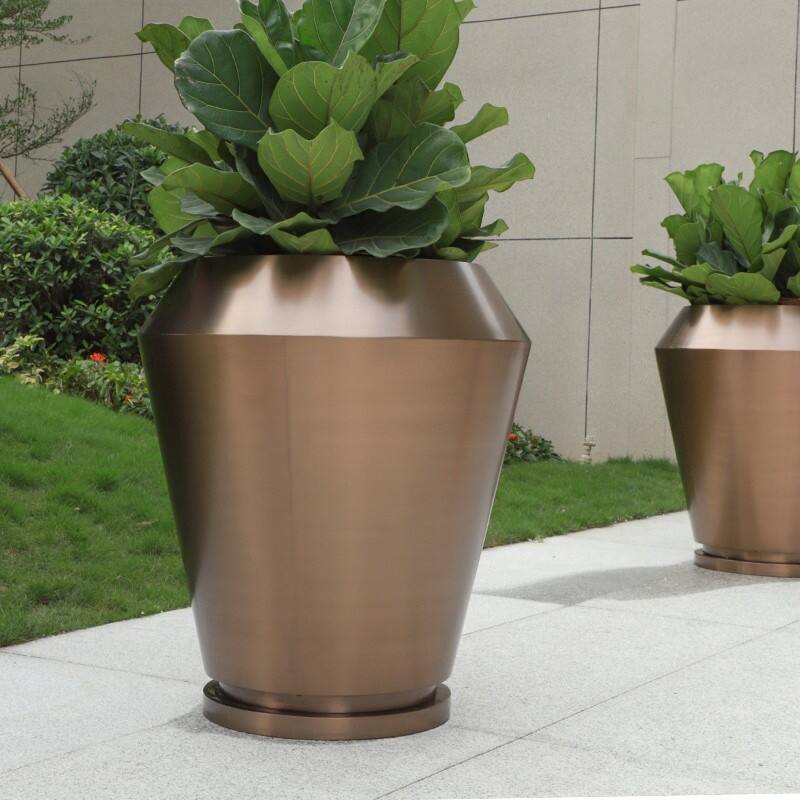
Modern landscaping and interior design increasingly emphasize durability, sustainability, and aesthetic appeal. A stainless steel flower box represents the perfect fusion of these elements, offering property owners and landscape architects a premium solution that enhances both residential and commercial spaces. These sophisticated planters combine industrial strength with contemporary elegance, making them ideal for diverse applications ranging from urban rooftops to corporate lobbies.
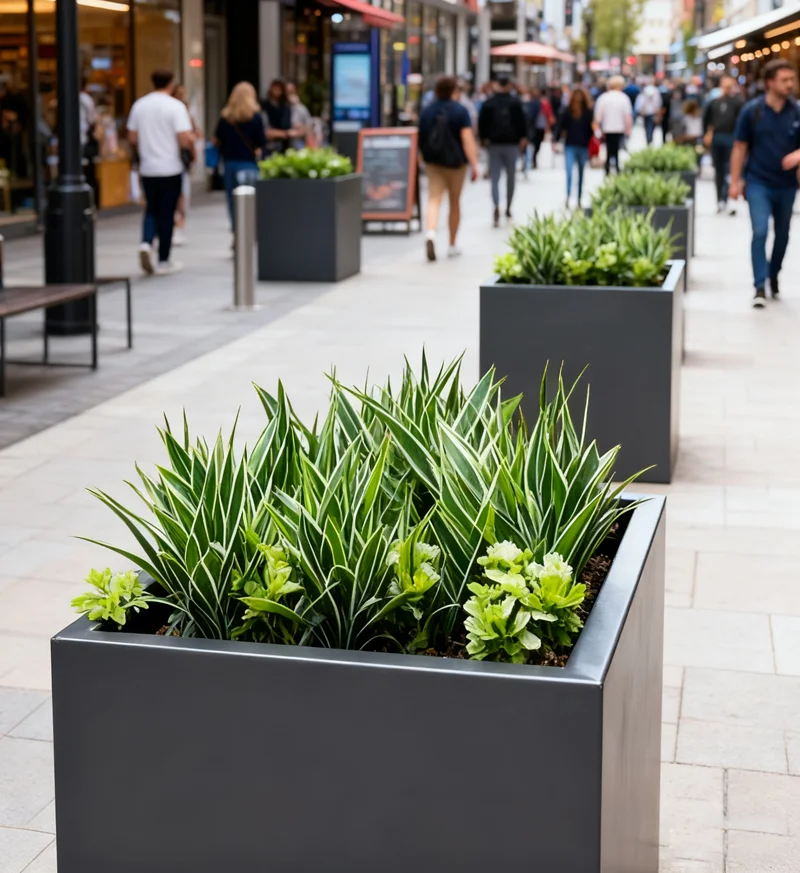
The growing popularity of metal planters stems from their ability to withstand harsh environmental conditions while maintaining their visual appeal for decades. Unlike traditional materials that may crack, fade, or deteriorate over time, stainless steel maintains its lustrous finish and structural integrity regardless of weather exposure. This exceptional performance has made the stainless steel flower box a preferred choice among professional landscapers and discerning homeowners alike.
Contemporary design trends favor clean lines, minimalist aesthetics, and materials that complement modern architecture. The reflective surface of stainless steel creates visual interest by interacting with natural light throughout the day, while its neutral metallic tone harmonizes with virtually any color scheme or architectural style. Whether positioned in a sleek corporate environment or a residential garden, these planters elevate the surrounding space with their sophisticated presence.
Superior Durability and Weather Resistance
Corrosion Protection Technology
The fundamental advantage of a stainless steel flower box lies in its exceptional resistance to corrosion and environmental degradation. The chromium content in stainless steel forms a protective oxide layer that continuously regenerates when exposed to oxygen, creating an invisible barrier against rust and corrosion. This self-healing property ensures that the planter maintains its appearance and structural integrity even in challenging coastal environments with high salt content or industrial areas with elevated pollution levels.
Grade 304 and 316 stainless steel formulations offer varying degrees of corrosion resistance, with 316 grade providing superior performance in marine environments due to its molybdenum content. This enhanced resistance makes stainless steel planters suitable for beachfront properties, swimming pool areas, and other locations where traditional materials would quickly deteriorate. The investment in quality stainless steel pays dividends through decades of maintenance-free service.
Temperature Tolerance and Thermal Properties
Extreme temperature fluctuations pose significant challenges for outdoor planters, but the stainless steel flower box excels in these demanding conditions. The material's low thermal expansion coefficient minimizes dimensional changes during temperature cycles, preventing the cracking and structural failure common in concrete or ceramic alternatives. This stability ensures that plants remain securely contained while the planter maintains its precise dimensions and appearance.
The thermal conductivity of stainless steel also provides benefits for plant health by facilitating more uniform soil temperature distribution. This characteristic helps prevent root damage from extreme temperature spikes while promoting healthy plant growth throughout seasonal changes. Professional landscapers appreciate this thermal stability when designing installations that must perform reliably across diverse climate conditions.
Aesthetic Versatility and Design Integration
Contemporary Architectural Compatibility
Modern architecture emphasizes clean lines, geometric forms, and the honest expression of materials, making the stainless steel flower box a natural complement to contemporary buildings. The material's inherent beauty requires no additional finishes or treatments, allowing the natural metallic surface to serve as both functional container and sculptural element. This dual nature enables landscape architects to integrate planters seamlessly into overall design schemes without compromising aesthetic coherence.
The reflective properties of stainless steel create dynamic visual effects as natural light conditions change throughout the day. Morning sunlight produces warm golden reflections, while overcast conditions reveal the material's cool silver tones. This responsive quality adds depth and interest to landscape compositions, making static planter installations appear more dynamic and engaging to observers.
Customization and Fabrication Flexibility
Unlike mass-produced planters in standard sizes, stainless steel fabrication techniques allow for extensive customization to meet specific project requirements. Professional manufacturers can create planters in virtually any dimension, from compact desktop containers to large-scale installations measuring several meters in length. This flexibility enables designers to specify exact proportions that complement architectural features and landscape elements.
Surface finishing options further expand design possibilities, ranging from mirror-bright polished surfaces to brushed satin finishes that minimize fingerprints and scratches. Some manufacturers offer specialized textures or patterns that add visual interest while maintaining the material's fundamental durability advantages. The stainless steel flower box can be tailored to specific aesthetic requirements while preserving all functional benefits.
Maintenance Advantages and Long-Term Performance
Minimal Cleaning Requirements
The non-porous surface of a stainless steel flower box resists staining, bacterial growth, and organic buildup that commonly plague other planter materials. Regular maintenance typically requires only periodic washing with soap and water to remove surface dust and debris. This simplicity reduces ongoing maintenance costs and labor requirements, making stainless steel planters particularly attractive for commercial installations where maintenance efficiency directly impacts operational expenses.
The smooth surface finish prevents soil and organic matter from adhering permanently to the planter walls, simplifying seasonal replanting activities. Landscape maintenance crews appreciate this characteristic, as it allows for quick and thorough cleaning between plantings without requiring special cleaning products or extensive scrubbing. This efficiency translates to reduced labor costs and faster project turnaround times.
Chemical Resistance and Plant Safety
Stainless steel's chemical inertness ensures that no harmful substances leach into the soil, protecting plant health and eliminating concerns about contamination from planter materials. This property makes stainless steel flower boxes particularly suitable for edible plant cultivation, including herb gardens and vegetable installations in restaurants, schools, and residential settings. The material's FDA approval for food contact applications provides additional assurance of safety and quality.
Resistance to fertilizer chemicals and soil amendments prevents degradation that commonly affects other metal planters treated with protective coatings. While galvanized steel may deteriorate when exposed to acidic soil conditions or certain fertilizers, stainless steel maintains its integrity regardless of soil chemistry. This chemical stability ensures consistent performance throughout the planter's service life.
Environmental Benefits and Sustainability
Recyclability and Circular Economy
Stainless steel stands out among construction materials for its exceptional recyclability, with most stainless steel products containing significant recycled content and remaining fully recyclable at the end of their service life. A stainless steel flower box represents a sustainable choice that aligns with green building initiatives and corporate sustainability goals. The material's indefinite recyclability means that resources invested in stainless steel planters continue providing value through multiple lifecycle iterations.
The longevity of stainless steel planters reduces the frequency of replacement purchases, minimizing resource consumption and waste generation over time. While the initial investment may exceed alternatives like plastic or concrete planters, the extended service life and recyclability create superior long-term value from both economic and environmental perspectives. This lifecycle thinking increasingly influences purchasing decisions in institutional and commercial markets.
Energy Efficiency in Manufacturing
Modern stainless steel production utilizes advanced furnace technologies and recycling processes that minimize energy consumption compared to historical manufacturing methods. The ability to incorporate high percentages of recycled content further reduces the energy footprint of new stainless steel flower boxes. Manufacturers committed to sustainability often provide detailed environmental impact data, enabling specifiers to make informed decisions based on comprehensive lifecycle assessments.
Local and regional stainless steel fabrication capabilities reduce transportation-related emissions while supporting local economic development. The material's durability eliminates the need for frequent shipping of replacement planters, further reducing the cumulative carbon footprint associated with landscape installations. These factors combine to make stainless steel planters an environmentally responsible choice for conscientious property owners and design professionals.
Installation Considerations and Technical Specifications
Weight Distribution and Structural Support
Professional installation of large stainless steel flower boxes requires careful consideration of weight distribution and structural support requirements. While stainless steel planters are lighter than equivalent concrete alternatives, the combined weight of soil, plants, and water can create substantial loads that must be properly supported. Structural engineers should evaluate loading conditions, particularly for rooftop installations or elevated platforms where weight restrictions may apply.
The strength-to-weight ratio of stainless steel enables the construction of large planters with relatively thin walls, maximizing internal growing volume while minimizing overall weight. This efficiency allows for impressive installations that would be impractical with heavier materials. Proper drainage design becomes critical to prevent water accumulation that could exceed design load limits or create hydrostatic pressure against planter walls.
Drainage and Water Management
Effective drainage design ensures plant health while protecting the stainless steel flower box from potential issues related to water retention. Drainage holes must be appropriately sized and positioned to allow excess water to escape without permitting soil loss. Professional installations often incorporate layered drainage systems with gravel or specialized drainage materials to promote healthy root development and prevent waterlogging.
Water management considerations extend beyond basic drainage to include overflow protection and collection systems. In indoor installations, water collection trays or integrated drainage connections prevent damage to flooring or underlying structures. Outdoor installations may incorporate drainage connections to existing storm water management systems, ensuring compliance with local regulations while protecting surrounding landscape areas.
FAQ
What makes stainless steel flower boxes more expensive than other planter materials
The higher initial cost of stainless steel flower boxes reflects the superior material properties, manufacturing precision, and long-term durability that distinguish them from alternatives. Raw stainless steel commands premium pricing due to its alloy composition and specialized production requirements, while the fabrication process demands skilled craftsmanship and precise welding techniques. However, the extended service life, minimal maintenance requirements, and recyclability create superior total cost of ownership compared to frequently replaced alternatives.
Can stainless steel planters be used for all types of plants and growing conditions
Stainless steel flower boxes accommodate virtually any plant species and growing condition due to their chemical inertness and environmental stability. The material does not affect soil chemistry or plant health, making it suitable for everything from delicate ornamentals to robust vegetables and herbs. Proper drainage design and appropriate soil selection remain important factors for plant success, but the stainless steel container itself imposes no limitations on plant choice or cultivation methods.
How should stainless steel planters be maintained to preserve their appearance
Maintaining the appearance of a stainless steel flower box requires only basic cleaning with mild soap and water, followed by thorough rinsing and drying. For areas with hard water or high mineral content, periodic cleaning with specialized stainless steel cleaners helps remove water spots and mineral deposits. Avoid abrasive cleaners or steel wool that could scratch the surface finish, and always clean in the direction of the grain on brushed finishes to maintain the intended appearance.
Are there size limitations for custom stainless steel planter fabrication
Professional stainless steel fabricators can produce planters in virtually unlimited sizes, constrained primarily by transportation and installation logistics rather than manufacturing capabilities. Large planters may require modular construction with field assembly, allowing for impressive installations that exceed standard shipping dimensions. Structural engineering becomes increasingly important for oversized planters to ensure adequate strength and stability under full soil and plant loads, but technical solutions exist for even the most ambitious design requirements.
Table of Contents
- Superior Durability and Weather Resistance
- Aesthetic Versatility and Design Integration
- Maintenance Advantages and Long-Term Performance
- Environmental Benefits and Sustainability
- Installation Considerations and Technical Specifications
-
FAQ
- What makes stainless steel flower boxes more expensive than other planter materials
- Can stainless steel planters be used for all types of plants and growing conditions
- How should stainless steel planters be maintained to preserve their appearance
- Are there size limitations for custom stainless steel planter fabrication