
 EN
EN
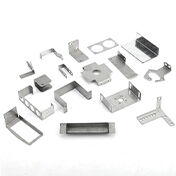
Sheet metal processing represents a fundamental manufacturing discipline that transforms flat metal sheets into functional components through various fabrication techniques. This versatile manufacturing approach encompasses cutting, forming, joining, and finishing operations that create everything from automotive panels to architectural elements. Understanding the intricacies of sheet metal processing enables manufacturers to optimize production efficiency while maintaining precise dimensional tolerances and surface quality requirements.
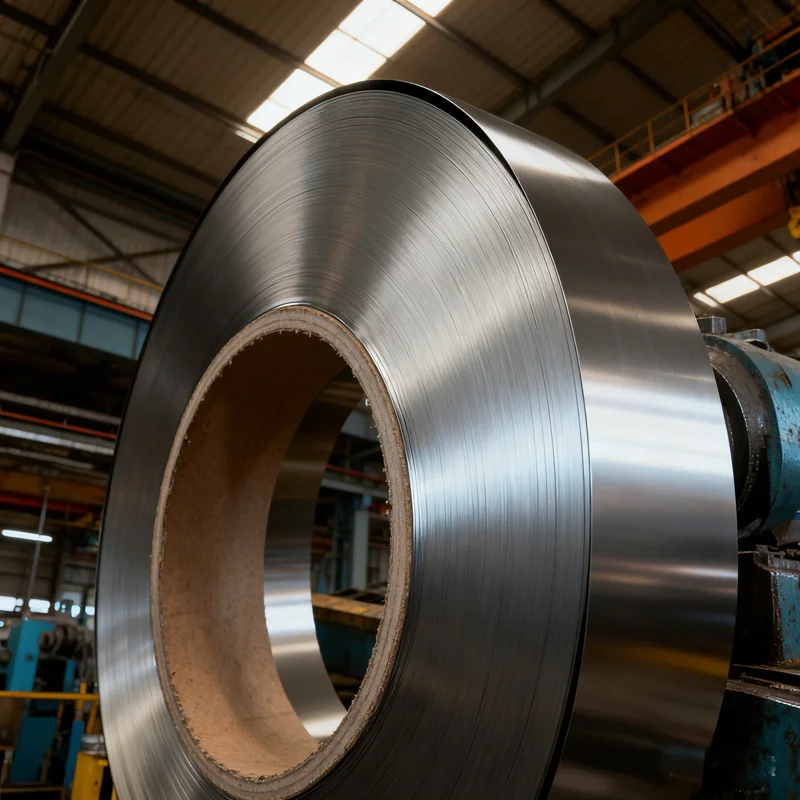
Modern industrial applications increasingly rely on sophisticated sheet metal processing methods to meet demanding performance specifications. From aerospace components requiring exceptional strength-to-weight ratios to consumer electronics demanding precise dimensional accuracy, the scope of sheet metal processing continues expanding across diverse sectors. Manufacturing facilities worldwide implement advanced technologies to enhance processing capabilities while reducing material waste and production cycle times.
Fundamental Principles of Sheet Metal Processing
Material Properties and Selection Criteria
Successful sheet metal processing begins with understanding material characteristics that influence fabrication outcomes. Aluminum alloys offer excellent corrosion resistance and lightweight properties, making them ideal for aerospace and automotive applications. Stainless steel grades provide superior strength and durability for harsh environmental conditions, while carbon steel delivers cost-effective solutions for structural components requiring moderate performance specifications.
Material thickness significantly impacts processing parameters and tooling requirements throughout the fabrication sequence. Thinner gauges typically require specialized handling techniques to prevent distortion during cutting and forming operations. Conversely, thicker materials demand higher forming forces and may necessitate multiple processing passes to achieve desired geometric configurations. Understanding these material-specific considerations ensures optimal processing outcomes while minimizing defects and rework requirements.
Processing Temperature Considerations
Temperature management plays a crucial role in successful sheet metal processing operations across various fabrication techniques. Cold working processes maintain material properties while enabling precise dimensional control through mechanical deformation methods. Hot forming applications facilitate complex geometries by reducing material strength temporarily, allowing for more aggressive forming operations without cracking or tearing.
Thermal expansion effects must be carefully managed during processing to prevent dimensional variations in finished components. Proper temperature control systems ensure consistent material behavior throughout fabrication sequences, particularly when processing materials with high thermal expansion coefficients. Advanced processing facilities implement sophisticated temperature monitoring systems to maintain optimal conditions for different sheet metal processing applications.
Primary Cutting Technologies
Laser Cutting Applications
Laser cutting technology revolutionizes sheet metal processing by delivering exceptional precision and edge quality across diverse material types. High-powered laser systems generate concentrated energy beams that vaporize material along programmed cutting paths, creating clean edges with minimal heat-affected zones. This advanced cutting method enables intricate geometries and tight tolerances while maintaining high production speeds for both prototype and volume manufacturing applications.
Fiber laser systems demonstrate superior energy efficiency compared to traditional CO2 laser technology, reducing operational costs while improving cutting performance on reflective materials. Advanced beam shaping capabilities enable optimized cutting parameters for different material thicknesses and compositions. Modern laser cutting systems integrate automated material handling equipment to support continuous production workflows in high-volume sheet metal processing environments.
Plasma and Waterjet Cutting Methods
Plasma cutting provides cost-effective solutions for thicker materials where laser cutting becomes economically unfavorable. High-temperature plasma arcs melt through conductive materials while compressed gas streams remove molten material from the cutting zone. This robust cutting method handles materials up to several inches thick while maintaining reasonable edge quality for many industrial applications requiring efficient material removal rates.
Waterjet cutting offers unique advantages for materials sensitive to thermal effects during processing operations. Ultra-high pressure water streams mixed with abrasive particles create precise cutting action without introducing heat into the material structure. This cold cutting process preserves material properties completely while enabling complex geometries impossible with conventional mechanical cutting methods. Waterjet systems excel in processing hardened materials, composites, and exotic alloys frequently encountered in advanced sheet metal processing applications.
Forming and Bending Processes
Press Brake Operations
Press brake forming represents the cornerstone of precision sheet metal processing for creating accurate bends and complex geometric shapes. Modern hydraulic and electric press brake systems deliver consistent forming forces while maintaining precise angular tolerances across production runs. Advanced back gauge systems position materials accurately before forming operations, ensuring repeatable dimensional accuracy for high-volume manufacturing applications.
Tooling selection significantly influences forming outcomes and surface quality in press brake operations. Precision-ground punches and dies enable tight bend radii while minimizing marking on finished surfaces. Specialized tooling configurations accommodate various material types and thicknesses encountered in diverse sheet metal processing applications, from architectural panels to precision electronic enclosures requiring exact dimensional specifications.
Roll Forming Applications
Roll forming enables continuous production of complex cross-sectional profiles through progressive deformation stages. Multiple forming stations gradually shape material into final configurations while maintaining consistent dimensional characteristics throughout extended production runs. This efficient forming method excels in high-volume applications where uniform cross-sections are required over significant lengths, such as structural components and architectural elements.
Progressive die systems enable complex forming sequences within single processing operations, significantly reducing handling requirements and production cycle times. Precision tooling design ensures consistent material flow throughout forming stages while minimizing stress concentrations that could lead to material failure. Advanced roll forming systems incorporate real-time monitoring capabilities to detect dimensional variations and adjust processing parameters automatically for optimal quality control in demanding sheet metal processing environments.
Joining and Assembly Techniques
Welding Technologies
Welding represents a critical joining method in comprehensive sheet metal processing workflows, creating permanent connections between fabricated components. Gas metal arc welding provides versatile joining capabilities for various material combinations while maintaining good penetration characteristics. Automated welding systems ensure consistent weld quality while reducing operator skill requirements for repetitive production applications requiring uniform joint strength properties.
Resistance spot welding offers rapid joining solutions for overlapping sheet configurations commonly encountered in automotive and appliance manufacturing. Precise electrode pressure and current control systems create consistent nugget formation while minimizing heat-affected zones in surrounding material areas. Advanced welding controls monitor electrical parameters continuously to ensure optimal joint formation throughout production sequences, maintaining quality standards in high-volume sheet metal processing operations.
Mechanical Fastening Methods
Mechanical fastening provides removable joining solutions where disassembly requirements exist or welding processes are unsuitable for specific material combinations. Threaded fasteners offer versatile connection options while accommodating thermal expansion differences between dissimilar materials. Specialized fastening systems designed for sheet metal applications provide secure connections while minimizing material preparation requirements and assembly time constraints.
Riveting technologies create permanent mechanical joints suitable for high-stress applications where welding may compromise material properties. Self-piercing rivets eliminate pre-punched holes while creating strong connections through multiple material layers simultaneously. Advanced riveting equipment incorporates quality monitoring systems to verify joint formation and ensure consistent connection strength throughout production processes, supporting reliable performance in demanding sheet metal processing applications.
Surface Treatment and Finishing
Cleaning and Preparation Methods
Surface preparation establishes the foundation for successful finishing operations in comprehensive sheet metal processing workflows. Chemical cleaning processes remove manufacturing residues, oils, and oxidation products that interfere with subsequent coating adhesion. Mechanical preparation methods such as blasting create controlled surface textures that enhance coating performance while removing surface contaminants that could compromise finish quality and durability characteristics.
Degreasing operations ensure complete removal of organic contaminants that prevent proper coating adhesion during finishing processes. Vapor degreasing systems provide thorough cleaning action while minimizing environmental impact through solvent recovery systems. Advanced cleaning equipment incorporates multiple processing stages to address different contamination types systematically, ensuring optimal surface conditions for subsequent finishing operations in professional sheet metal processing facilities.
Coating and Protection Systems
Protective coatings extend service life while enhancing aesthetic properties of fabricated sheet metal components. Powder coating systems deliver durable finishes with excellent environmental resistance while eliminating volatile organic compound emissions. Electrostatic application methods ensure uniform coating thickness distribution across complex geometries, providing consistent appearance and protection levels throughout finished assemblies.
Galvanic protection systems provide superior corrosion resistance for sheet metal components exposed to harsh environmental conditions. Hot-dip galvanizing creates thick protective layers that sacrifice themselves to protect underlying steel substrates from corrosion attack. Advanced coating systems incorporate multiple protection mechanisms to address specific service requirements encountered in diverse sheet metal processing applications, from marine environments to industrial chemical processing facilities.
Quality Control and Inspection
Dimensional Verification Methods
Dimensional accuracy verification ensures fabricated components meet specified tolerances throughout sheet metal processing operations. Coordinate measuring machines provide precise three-dimensional measurements for complex geometries while documenting compliance with engineering specifications. Portable measuring equipment enables in-process verification during fabrication sequences, allowing immediate corrections before subsequent processing stages that could compound dimensional errors.
Statistical process control methods monitor dimensional trends throughout production runs to identify process variations before they result in nonconforming products. Advanced measuring systems integrate with manufacturing execution systems to provide real-time quality feedback to processing equipment operators. Automated inspection systems reduce measurement time while improving accuracy and repeatability in high-volume sheet metal processing environments requiring consistent dimensional control.
Material Property Testing
Material property verification confirms that processed components retain specified mechanical characteristics after fabrication operations. Tensile testing validates strength properties while bend testing verifies ductility retention in formed components. Non-destructive testing methods detect internal defects without compromising component integrity, enabling comprehensive quality assessment throughout sheet metal processing workflows.
Hardness testing provides rapid assessment of material condition changes resulting from processing operations such as cold working or heat treatment. Portable testing equipment enables field verification of material properties without removing components from assemblies. Advanced testing protocols ensure comprehensive property verification while maintaining efficient production throughput in demanding sheet metal processing applications requiring documented material performance characteristics.
FAQ
What materials are commonly used in sheet metal processing?
Common materials include aluminum alloys, stainless steel grades, carbon steel, and specialized alloys like titanium or Inconel. Material selection depends on application requirements including strength, corrosion resistance, weight considerations, and cost constraints. Each material type requires specific processing parameters and tooling configurations to achieve optimal fabrication results while maintaining desired mechanical properties.
How does sheet thickness affect processing capabilities?
Sheet thickness directly influences cutting speeds, forming forces, and tooling requirements throughout fabrication processes. Thinner materials require specialized handling to prevent distortion while thicker sections demand higher processing forces and may need multiple forming passes. Processing equipment must be properly configured for specific thickness ranges to ensure quality results and prevent material damage during fabrication operations.
What factors determine processing method selection?
Method selection considers material type, thickness, required precision, production volume, and economic factors. Complex geometries may require specialized forming techniques while high-volume applications benefit from automated processing systems. Environmental considerations such as heat generation, noise levels, and waste production also influence processing method selection for specific manufacturing environments and regulatory requirements.
How important is surface preparation in sheet metal processing?
Surface preparation significantly impacts final product quality, particularly for components requiring protective coatings or precise dimensional tolerances. Proper cleaning removes contaminants that interfere with subsequent processing operations while appropriate surface texturing enhances coating adhesion. Inadequate surface preparation often results in coating failures, dimensional variations, or compromised joint strength in welded assemblies, emphasizing its critical importance in professional sheet metal processing workflows.