
 EN
EN
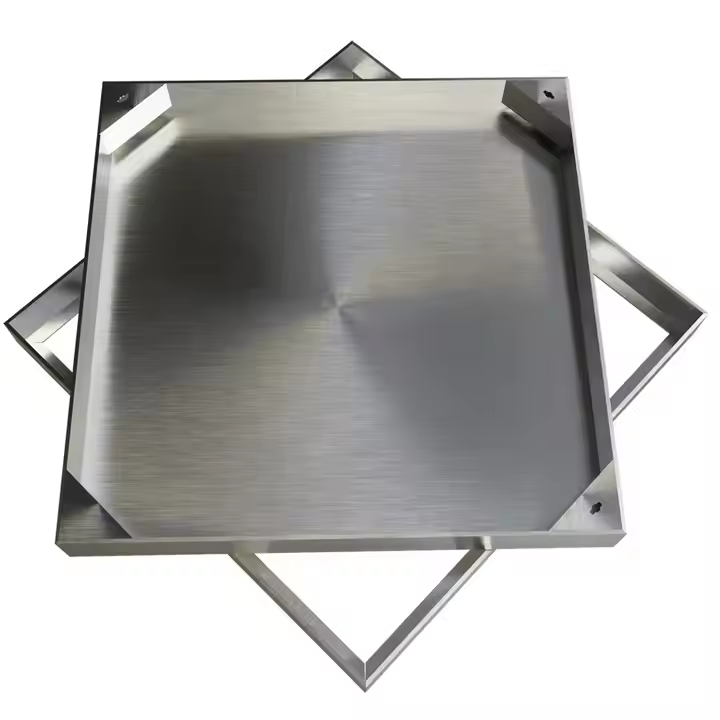
Modern infrastructure projects increasingly demand durable, long-lasting solutions that can withstand harsh environmental conditions while maintaining aesthetic appeal. A stainless steel manhole cover represents a premium choice for municipal authorities, property developers, and facility managers seeking superior performance over traditional cast iron alternatives. These advanced covers combine exceptional strength with corrosion resistance, making them ideal for applications where longevity and reliability are paramount.
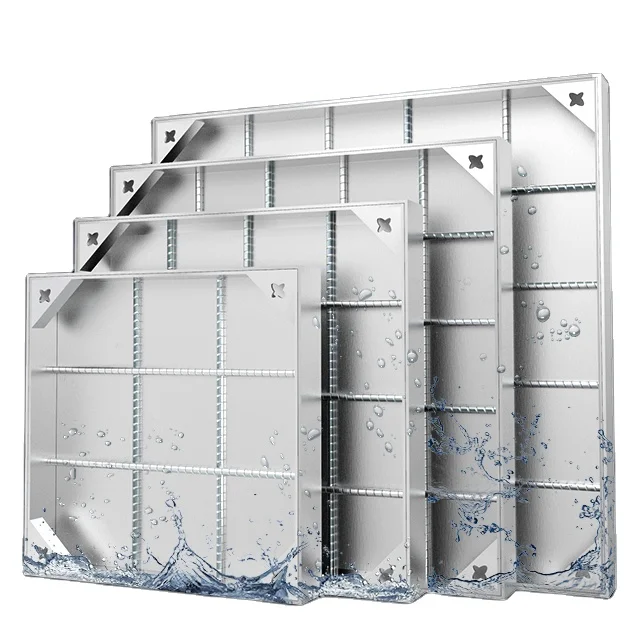
The decision to install a stainless steel manhole cover should be based on several critical factors including environmental conditions, traffic load requirements, and long-term maintenance considerations. Unlike conventional materials, stainless steel offers unique advantages that make it particularly suitable for specific applications and environments. Understanding when to choose this premium solution can significantly impact both immediate performance and lifecycle costs.
Environmental Conditions That Favor Stainless Steel Installation
Coastal and High-Salinity Environments
Coastal regions present unique challenges for infrastructure materials due to the high concentration of salt in the air and potential flooding with seawater. A stainless steel manhole cover excels in these conditions because of its inherent resistance to chloride-induced corrosion. The chromium content in stainless steel forms a passive oxide layer that protects the underlying metal from salt damage, ensuring decades of reliable service without significant degradation.
Properties located within five miles of coastlines or areas subject to saltwater intrusion should strongly consider stainless steel options. The initial investment in a premium stainless steel manhole cover pays dividends through reduced replacement frequency and minimal maintenance requirements. Traditional cast iron covers in these environments often require replacement within ten to fifteen years, while stainless steel alternatives can last fifty years or more with proper installation.
Chemical and Industrial Exposure Areas
Industrial facilities, chemical processing plants, and areas with potential exposure to acidic or alkaline substances benefit significantly from stainless steel manhole covers. The material's chemical inertness prevents reaction with most industrial chemicals, acids, and bases that would rapidly deteriorate other materials. This makes stainless steel particularly valuable in pharmaceutical facilities, food processing plants, and petrochemical installations.
The selection of the appropriate grade of stainless steel becomes crucial in these applications. Grade 316 stainless steel, containing molybdenum, offers enhanced resistance to chlorides and acids compared to standard Grade 304. When installing covers in chemically aggressive environments, consulting with materials engineers ensures optimal performance and longevity of the installation.
Traffic Load Considerations for Stainless Steel Selection
Heavy-Duty Commercial Applications
Commercial districts, industrial parks, and areas experiencing heavy truck traffic require manhole covers capable of handling substantial loads without deformation or failure. A stainless steel manhole cover can be engineered to meet specific load requirements while maintaining its structural integrity over extended periods. The material's high strength-to-weight ratio allows for designs that are both lightweight for installation and robust enough for heavy-duty applications.
Loading docks, warehouse districts, and port facilities represent ideal applications where the combination of heavy loads and potentially corrosive environments make stainless steel the logical choice. These covers can be designed to handle Class A loading (up to 125 tons) while resisting the corrosive effects of salt spray, industrial chemicals, or frequent washdown procedures common in these environments.
Pedestrian and Light Vehicle Areas
Residential developments, parks, and pedestrian areas often prioritize aesthetics alongside functionality. A stainless steel manhole cover offers the advantage of maintaining its appearance over time without the unsightly rust stains associated with cast iron alternatives. The material can be finished with various textures and patterns to complement surrounding architectural elements.
In upscale residential developments, commercial plazas, and public spaces where visual appeal matters, stainless steel covers provide long-term aesthetic value. The material's ability to maintain its appearance without painting or special coatings reduces ongoing maintenance costs while preserving property values. This makes stainless steel particularly attractive for developers and property managers focused on long-term asset value.
Installation Timing and Project Planning Considerations
New Construction Projects
New construction presents the optimal opportunity for stainless steel manhole cover installation. During the design phase, engineers can specify covers that perfectly match the project's load requirements, aesthetic goals, and environmental conditions. The ability to coordinate installation with other utilities ensures proper fitting and eliminates the need for future modifications or adjustments.
Incorporating stainless steel covers during initial construction allows for better cost management and quality control. Contractors can ensure proper frame alignment, adequate support structures, and appropriate drainage considerations. The superior longevity of stainless steel covers aligns well with the lifecycle planning typical of new construction projects, where developers seek to minimize future maintenance and replacement costs.
Retrofit and Replacement Scenarios
Existing infrastructure often requires manhole cover replacement due to deterioration, damage, or changing load requirements. The decision to upgrade to a stainless steel manhole cover during replacement should consider the remaining service life of surrounding infrastructure. If the underground utilities and frame structures are in good condition with expected service lives of twenty years or more, stainless steel represents an excellent investment.
Retrofit situations may require custom fabrication to match existing frame dimensions or accommodate specific installation constraints. The flexibility of stainless steel fabrication allows for precise matching of existing openings while providing superior performance characteristics. Property managers should evaluate the total lifecycle costs, including installation, maintenance, and eventual replacement, when making retrofit decisions.
Economic Factors and Lifecycle Cost Analysis
Initial Investment Versus Long-Term Value
The higher initial cost of a stainless steel manhole cover compared to cast iron alternatives requires careful economic analysis. However, the superior longevity, reduced maintenance requirements, and elimination of replacement cycles often justify the premium investment. Lifecycle cost analysis should include material costs, installation expenses, maintenance requirements, and replacement frequency over a thirty to fifty-year period.
Municipal authorities and facility managers increasingly recognize that the lowest initial bid rarely represents the best long-term value. Stainless steel covers eliminate the costs associated with regular painting, rust treatment, and premature replacement common with traditional materials. The material's resistance to theft due to lower scrap value compared to other metals provides additional economic benefits in urban environments.
Maintenance and Operational Benefits
Ongoing maintenance requirements significantly impact the total cost of ownership for manhole covers. A stainless steel manhole cover requires minimal maintenance beyond periodic cleaning and inspection. The material's resistance to corrosion eliminates the need for protective coatings, regular painting, or rust removal procedures that consume maintenance budgets and labor resources.
Operational benefits extend beyond maintenance cost savings to include improved safety and reliability. Stainless steel covers maintain their load-bearing capacity throughout their service life without the gradual weakening associated with corrosion. This reliability reduces the risk of unexpected failures that could result in safety hazards, service disruptions, or emergency replacement costs.
Technical Specifications and Performance Standards
Material Grades and Selection Criteria
The selection of appropriate stainless steel grades for manhole cover applications depends on specific environmental and performance requirements. Grade 304 stainless steel provides excellent general corrosion resistance and mechanical properties suitable for most applications. Grade 316 offers enhanced resistance to chlorides and acidic conditions, making it preferable for coastal or chemically aggressive environments.
Duplex stainless steels provide higher strength levels and superior resistance to stress corrosion cracking, making them suitable for the most demanding applications. The choice of grade should be based on a thorough analysis of environmental conditions, expected service life, and performance requirements. Consulting with materials engineers ensures optimal selection for specific applications and helps avoid over-specification that unnecessarily increases costs.
Design and Engineering Considerations
Proper design of a stainless steel manhole cover requires consideration of load distribution, drainage, and installation requirements. The cover design must accommodate expected traffic loads while providing adequate safety factors for unexpected overloads. Drainage features should prevent water accumulation while maintaining structural integrity and load-bearing capacity.
Anti-slip surfaces become particularly important for stainless steel covers due to the material's naturally smooth surface. Textured surfaces, raised patterns, or specialized coatings can provide the necessary traction for pedestrian safety. The design should also consider thermal expansion and contraction to ensure proper fit throughout seasonal temperature variations.
FAQ
What is the typical lifespan of a stainless steel manhole cover compared to cast iron
A stainless steel manhole cover typically lasts 50 years or more in most environments, significantly longer than cast iron covers which usually require replacement every 15-25 years. The extended lifespan results from stainless steel's superior corrosion resistance and structural stability over time. In harsh environments such as coastal areas or industrial settings, the difference in service life becomes even more pronounced, with stainless steel maintaining its integrity while cast iron suffers from accelerated deterioration.
Can stainless steel manhole covers handle the same load capacities as traditional materials
Yes, stainless steel manhole covers can be engineered to meet or exceed the load capacities of traditional cast iron covers. The material's high strength-to-weight ratio allows for efficient design that handles heavy traffic loads including Class A loading up to 125 tons. Proper engineering and design ensure that stainless steel covers provide equivalent or superior load-bearing performance while offering additional benefits such as corrosion resistance and extended service life.
Are there specific installation requirements unique to stainless steel manhole covers
Stainless steel manhole cover installation follows similar procedures to traditional covers but may require attention to thermal expansion considerations and proper frame materials. The cover frame should be constructed from compatible materials to prevent galvanic corrosion and ensure proper fit throughout temperature variations. Professional installation ensures proper alignment, adequate support, and appropriate sealing to maximize the performance benefits of the stainless steel material.
How does the cost-effectiveness of stainless steel compare over the complete lifecycle
While the initial cost of a stainless steel manhole cover is higher than cast iron alternatives, the total lifecycle cost is typically lower due to extended service life and reduced maintenance requirements. The elimination of replacement cycles, painting, and corrosion-related repairs over a 30-50 year period often results in significant cost savings. Additional benefits include reduced safety risks, improved reliability, and enhanced property aesthetics that contribute to overall value proposition.
Table of Contents
- Environmental Conditions That Favor Stainless Steel Installation
- Traffic Load Considerations for Stainless Steel Selection
- Installation Timing and Project Planning Considerations
- Economic Factors and Lifecycle Cost Analysis
- Technical Specifications and Performance Standards
-
FAQ
- What is the typical lifespan of a stainless steel manhole cover compared to cast iron
- Can stainless steel manhole covers handle the same load capacities as traditional materials
- Are there specific installation requirements unique to stainless steel manhole covers
- How does the cost-effectiveness of stainless steel compare over the complete lifecycle