
 EN
EN
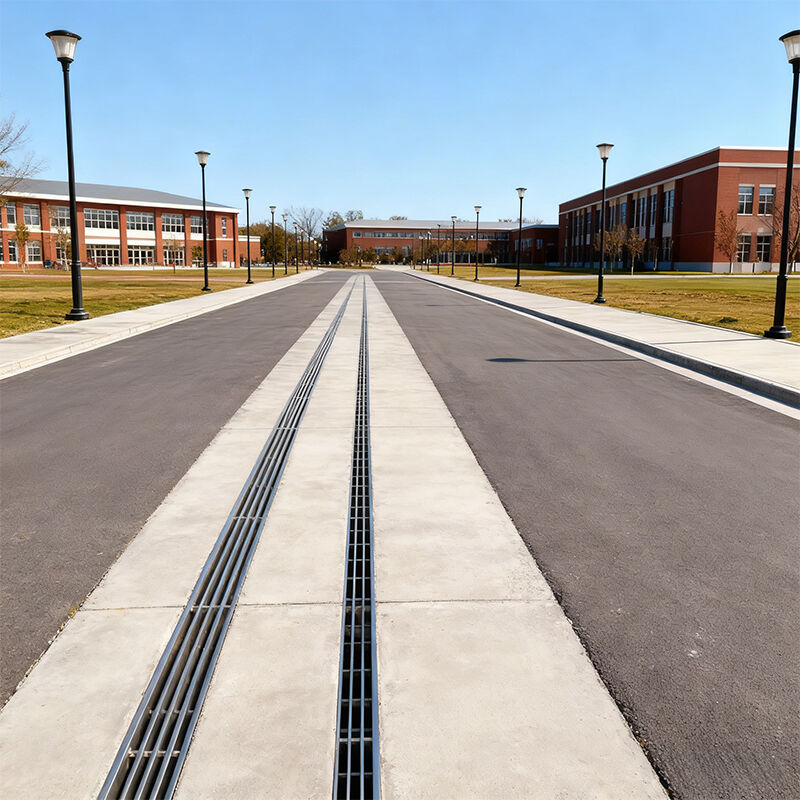
Understanding the optimal timing for installing a stainless steel rainwater grate is crucial for maintaining effective drainage systems while preventing water damage to your property. These essential components serve as the first line of defense against flooding and debris accumulation, making their proper installation timing a critical consideration for both residential and commercial applications. A well-timed installation ensures maximum protection during peak rainfall seasons and minimizes disruption to your daily operations.
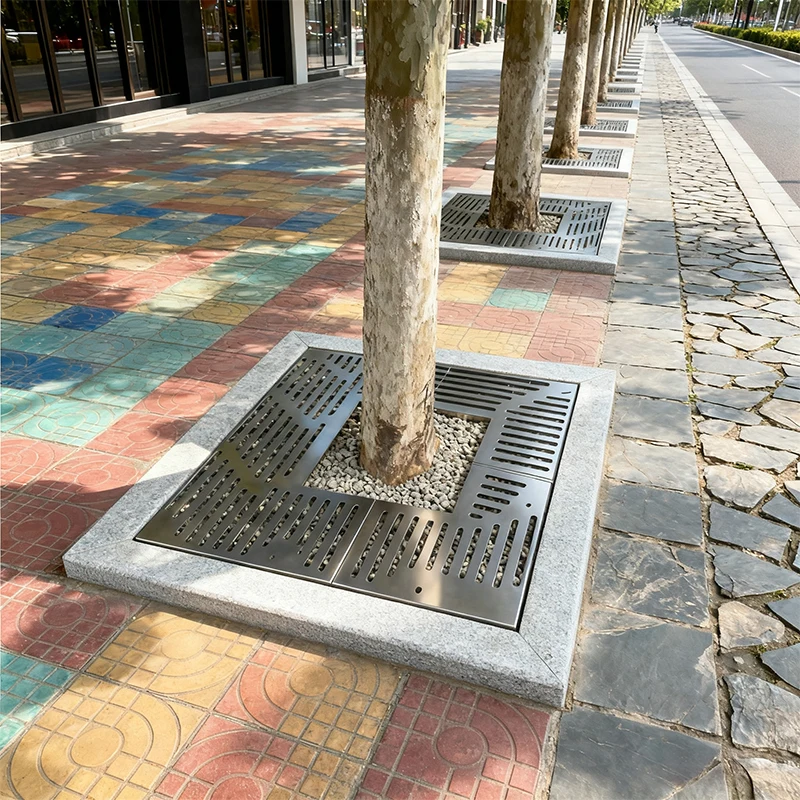
The decision to install drainage solutions involves multiple factors including weather patterns, construction schedules, and maintenance requirements. Property owners who understand these timing considerations can avoid costly water damage while ensuring their drainage systems function optimally throughout the year. Strategic planning for grate installation can significantly impact the long-term effectiveness and durability of your water management infrastructure.
Seasonal Considerations for Installation
Pre-Rainy Season Installation Benefits
Installing your stainless steel rainwater grate before the onset of heavy rainfall seasons provides numerous advantages for property protection. The dry weather conditions during pre-season months allow for proper curing of installation materials and enable thorough testing of drainage capacity without interference from natural precipitation. This timing ensures that your drainage system is fully operational when you need it most.
Contractors typically have greater availability during off-peak seasons, resulting in more competitive pricing and flexible scheduling options. The absence of weather-related delays during installation allows for more precise work and reduces the likelihood of complications that could compromise the integrity of your drainage system. Additionally, pre-season installation provides ample time for any necessary adjustments or modifications before critical weather events occur.
Weather Window Planning
Optimal weather conditions for installing a stainless steel rainwater grate include dry periods with stable temperatures and minimal wind. These conditions allow for proper concrete setting, accurate measurements, and safe working environments for installation crews. Monitoring extended weather forecasts helps identify suitable installation windows that minimize weather-related complications.
Temperature considerations play a crucial role in installation timing, as extreme heat or cold can affect material expansion rates and bonding agents used in the installation process. Moderate temperatures between 50-80 degrees Fahrenheit typically provide ideal conditions for most installation materials and techniques. Planning installations during these optimal temperature ranges ensures maximum adhesion and structural integrity of the final installation.
Construction Phase Integration
New Construction Timeline
Incorporating stainless steel rainwater grate installation into new construction projects requires careful coordination with other building phases to ensure proper drainage integration. The ideal timing typically occurs after foundation work is complete but before final landscaping and paving activities begin. This sequence allows for proper grading and slope establishment while providing access for necessary excavation and installation work.
Coordination with plumbing and electrical contractors ensures that underground utilities are properly located and protected during grate installation. Early integration of drainage planning prevents costly modifications and ensures that your stainless steel rainwater grate system aligns perfectly with overall site drainage objectives. This proactive approach minimizes conflicts between different construction trades and reduces the potential for installation delays.
Renovation Project Timing
Retrofit installations during renovation projects require strategic timing to minimize disruption to existing operations while ensuring effective drainage upgrades. The optimal approach involves scheduling installation during planned maintenance periods or seasonal shutdowns when access restrictions are minimal and weather conditions are favorable. This timing strategy reduces interference with daily activities and allows for comprehensive testing before resuming normal operations.
Assessment of existing drainage infrastructure should occur well before installation to identify potential compatibility issues and required modifications. Early evaluation allows sufficient time for custom fabrication if standard grate sizes do not meet specific site requirements. Planning renovation installations around existing utility maintenance schedules can provide cost efficiencies and reduce overall project complexity.
Maintenance Schedule Alignment
Preventive Maintenance Integration
Aligning stainless steel rainwater grate installation with existing preventive maintenance schedules maximizes operational efficiency and minimizes system downtime. Regular maintenance windows provide ideal opportunities for drainage system upgrades without disrupting critical operations or requiring additional shutdowns. This integration approach ensures that new installations receive immediate attention and proper break-in monitoring.
Establishing maintenance protocols during installation ensures long-term performance optimization and identifies potential issues before they become critical problems. Professional installation teams can provide valuable training for maintenance staff and establish documentation systems that support ongoing care requirements. Proper maintenance scheduling extends the service life of your drainage system and maintains optimal performance characteristics.
Emergency Replacement Considerations
Emergency installations of stainless steel rainwater grate systems require immediate action regardless of seasonal or weather considerations to prevent property damage and safety hazards. These situations demand rapid response capabilities and may necessitate temporary drainage solutions while permanent installations are completed. Understanding emergency installation procedures helps property owners respond effectively to critical drainage failures.
Preparation for emergency scenarios includes maintaining relationships with qualified contractors and keeping essential replacement components readily available. Emergency installations often require premium pricing and expedited delivery schedules, making advance planning financially beneficial. Documentation of existing system specifications simplifies emergency replacement procedures and ensures compatibility with current infrastructure.
Site-Specific Factors
Traffic Pattern Considerations
Installation timing must account for pedestrian and vehicle traffic patterns to minimize disruption while ensuring worker safety during the installation process. High-traffic areas benefit from installation scheduling during off-peak hours or planned closure periods when access restrictions cause minimal inconvenience. Understanding traffic flow patterns helps optimize installation schedules and reduces potential conflicts between ongoing operations and construction activities.
Commercial properties may require coordination with business operations to schedule installations during periods of reduced activity or planned maintenance windows. The stainless steel rainwater grate installation process typically requires temporary area restrictions that must be communicated effectively to minimize operational impact. Proper planning ensures that essential access routes remain available throughout the installation period.
Environmental Impact Assessment
Environmental considerations influence installation timing to minimize ecological disruption and comply with local regulations governing construction activities. Sensitive areas may require specific timing restrictions to protect wildlife breeding seasons or preserve vegetation during critical growth periods. Understanding environmental requirements helps ensure regulatory compliance while maintaining project schedules.
Soil conditions and groundwater levels affect installation feasibility and may dictate optimal timing for excavation and concrete work. Seasonal variations in soil moisture content can significantly impact installation procedures and long-term stability of drainage systems. Professional site assessment identifies these factors and recommends appropriate timing for optimal installation results.
Cost Optimization Strategies
Seasonal Pricing Variations
Understanding seasonal pricing patterns for stainless steel rainwater grate installation helps property owners optimize project budgets while securing quality installation services. Off-season installations often provide cost advantages due to reduced contractor demand and material availability. Strategic timing can result in significant savings without compromising installation quality or system performance.
Material costs may fluctuate based on manufacturing schedules and raw material availability, making timing considerations important for budget planning. Early ordering during favorable pricing periods can lock in costs even if installation occurs at a later date. This approach provides budget certainty while maintaining installation flexibility for optimal timing coordination.
Project Bundling Opportunities
Combining stainless steel rainwater grate installation with other maintenance or construction activities creates economies of scale that reduce overall project costs. Coordinated scheduling allows contractors to mobilize equipment and crews more efficiently while minimizing setup and cleanup expenses. This approach maximizes value while ensuring comprehensive site improvements occur simultaneously.
Infrastructure projects involving multiple drainage components benefit from coordinated installation timing that addresses all requirements in a single project phase. Comprehensive planning ensures compatibility between different system components and eliminates the need for repeated mobilization costs. Bundled projects often qualify for volume discounts and more competitive pricing structures.
FAQ
How long does stainless steel rainwater grate installation typically take
Installation duration depends on project scope and site conditions, but most standard installations require 1-3 days for completion including excavation, placement, and finishing work. Complex installations involving multiple grates or challenging site conditions may require additional time for proper completion. Weather conditions and permit requirements can also influence installation timelines and should be factored into project planning.
Can installation occur during winter months in cold climates
Winter installation is possible but requires special considerations for concrete curing and material handling in freezing temperatures. Professional contractors use cold-weather techniques including heated enclosures and specialized materials to ensure proper installation quality. However, spring or fall installation typically provides more favorable conditions and may be more cost-effective than winter emergency installations.
What permits are required for stainless steel rainwater grate installation
Permit requirements vary by location and installation scope, with many jurisdictions requiring drainage permits for new installations or significant modifications. Municipal authorities typically regulate stormwater management systems to ensure compliance with local drainage codes and environmental regulations. Consulting with local permitting offices early in the planning process helps identify requirements and avoid installation delays.
How do you determine the optimal size and capacity for your drainage needs
Professional drainage assessment considers rainfall intensity, catchment area, and local drainage codes to determine appropriate grate specifications for your specific application. Hydraulic calculations account for peak flow rates and debris loading to ensure adequate capacity during extreme weather events. Site-specific factors including slope, soil conditions, and existing infrastructure influence sizing decisions and should be evaluated by qualified drainage professionals.