
 EN
EN
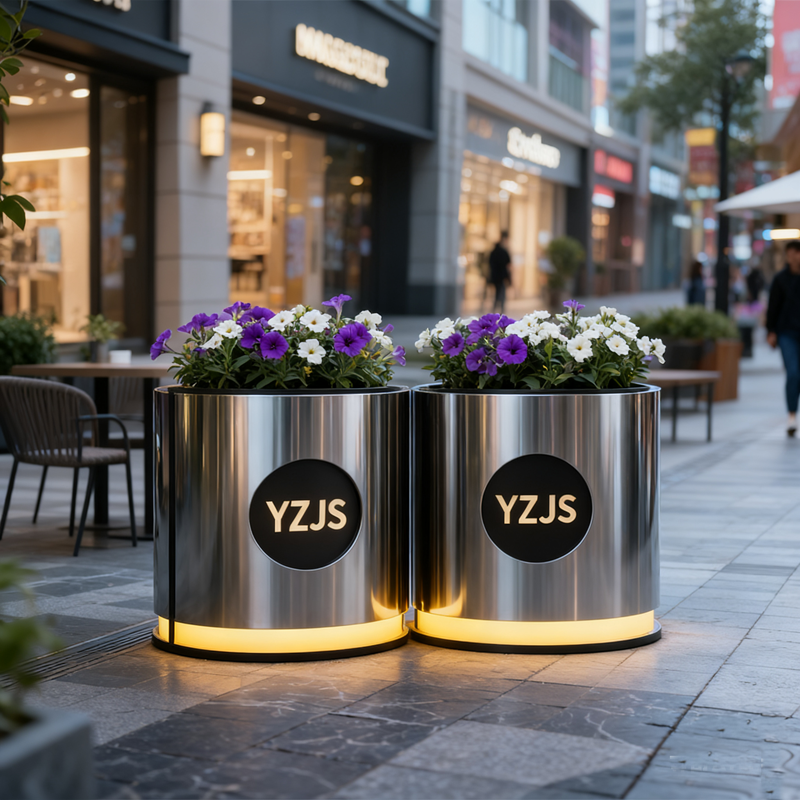
Choosing the right container for your plants involves more than aesthetics. The material you select directly influences plant health, root development, and long-term survival. A stainless steel flowerpot represents a modern approach to plant cultivation, offering distinct advantages that traditional ceramic or plastic containers cannot match. Understanding how stainless steel affects your plants requires examining material properties, environmental interactions, and practical horticultural outcomes.
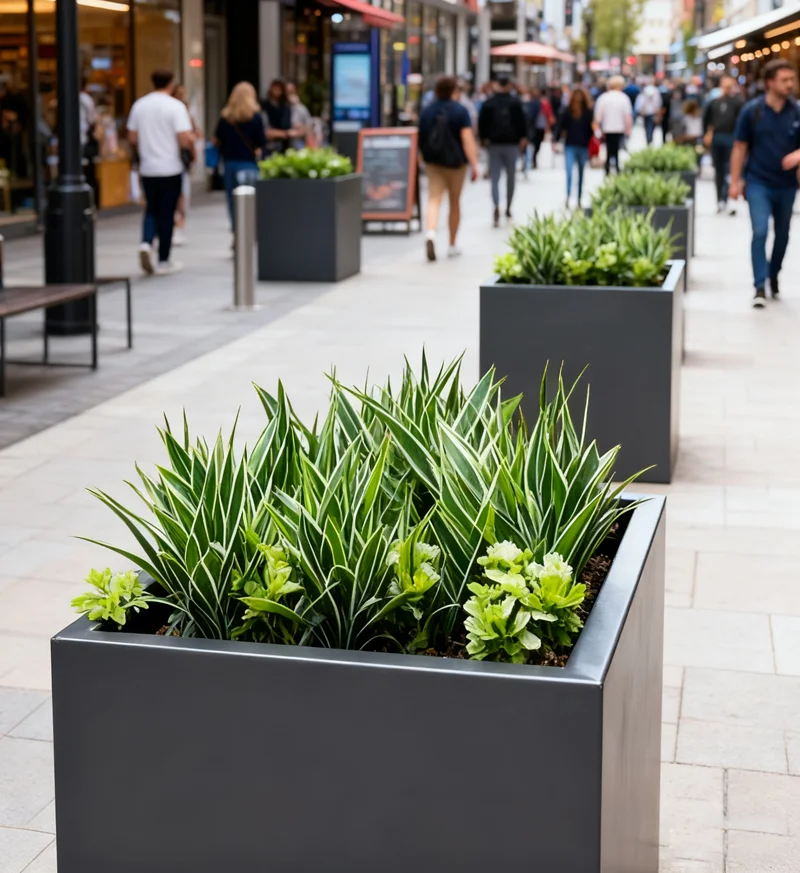
The relationship between container material and plant performance is scientifically grounded. Modern indoor plant containers made from stainless steel provide superior thermal regulation, enhanced drainage control, and contamination-free root environments that promote vigorous growth. This article explores how stainless steel flowerpot materials influence plant development, address common gardening challenges, and deliver measurable benefits over conventional planting solutions.
Thermal Regulation and Root Health
Temperature Stability in Stainless Steel Containers
Root temperature directly affects nutrient uptake, microbial activity, and overall plant metabolism. Traditional materials like plastic absorb and radiate heat rapidly, causing root zone temperatures to fluctuate throughout the day. Stainless steel provides superior thermal buffering, maintaining more consistent root temperatures by reflecting excess heat and insulating roots from extreme fluctuations. This stability is particularly valuable in indoor environments where artificial heating and cooling systems create temperature swings. Plants in stainless steel containers experience less physiological stress from thermal shock, resulting in stronger root systems and improved nutrient absorption.
Mineral Leaching Prevention
Certain container materials leach harmful minerals into soil, altering pH levels and creating toxic microenvironments for sensitive roots. Stainless steel flowerpot material remains chemically inert, preventing ion exchange with the surrounding soil. Unlike ceramic pots that can release silicates or metallic oxides, and plastic containers that degrade and release microparticles, stainless steel maintains a clean barrier between roots and external contaminants. This chemical stability ensures your soil composition remains exactly as formulated, supporting optimal microbial ecosystems and root colonization patterns essential for healthy plant growth.
Drainage Management and Moisture Control
Advanced Stainless Steel Pot Drainage Systems
Waterlogging represents a primary cause of root rot and plant failure across indoor gardening. The stainless steel pot drainage system incorporates precision-engineered apertures and sloped interior surfaces that facilitate consistent water movement while preventing soil compaction at drainage points. Unlike standard drainage holes that become blocked by fine soil particles, stainless steel systems maintain reliable water flow throughout the growing season. The material resists corrosion from acidic soil water and mineral-laden drainage, ensuring drainage pathways remain unobstructed indefinitely. This superior drainage architecture directly translates to healthier aerobic root zones where oxygen availability supports vigorous growth.
Moisture Retention Balance
Modern indoor plant containers require precise moisture retention characteristics. Stainless steel flowerpot designs achieve optimal water holding capacity through engineered wall thickness and interior surface treatments that reduce water loss through evaporation while maintaining excellent drainage. The non-porous surface prevents excessive moisture wicking compared to ceramic, allowing gardeners to establish consistent watering schedules. This balance between retention and drainage creates ideal conditions for most houseplants, reducing underwatering and overwatering incidents that compromise plant vigor and cause nutritional deficiencies.
Longevity and Environmental Durability
Rust-Resistant Outdoor Planter Performance
Outdoor gardening exposes containers to rain, humidity, and temperature extremes that rapidly degrade conventional materials. Rust-resistant outdoor planter options in stainless steel provide decades of reliable service without degradation, discoloration, or structural weakness. The oxidation-resistant surface prevents rust formation even in salt-spray environments or consistently moist conditions. This exceptional durability means your rust-resistant outdoor planter investment delivers consistent plant support year after year without replacement or maintenance refinishing. For commercial landscaping or municipal applications, stainless steel containers provide unmatched cost-effectiveness over their extended service life.
Sustainable Material Choice
Environmental responsibility increasingly influences gardening decisions. Stainless steel flowerpot materials remain fully recyclable at end-of-life, eliminating the plastic waste accumulation problem or ceramic breakage concerns. The exceptional durability of stainless steel reduces replacement frequency, lowering overall resource consumption and carbon footprint compared to plastic containers requiring replacement every few years. Plants in durable stainless steel containers can transition between gardeners across generations, becoming valued tools rather than disposable items. This sustainability advantage aligns modern indoor plant containers with environmental stewardship principles important to conscious gardeners.
Aesthetic Integration and Design Flexibility
Contemporary Garden Aesthetics
Modern indoor plant containers in stainless steel complement contemporary interior design schemes with clean lines and sophisticated finishes. The neutral metallic appearance coordinates seamlessly with industrial, minimalist, and eclectic decor styles, allowing plants to serve as focal points rather than containers becoming visual distractions. Stainless steel flowerpot options range from brushed matte finishes to polished mirror surfaces, providing design flexibility for diverse aesthetic preferences. This material versatility enables stainless steel containers to enhance rather than compete with surrounding furnishings and architectural elements.
Size and Configuration Customization
Different plant species require specific container dimensions and proportions for optimal growth. Stainless steel pot drainage systems accommodate extensive customization without compromising material integrity or drainage performance. Manufacturers can fabricate rust-resistant outdoor planter styles in various depths, diameters, and shapes tailored to specific plant requirements. This customization capability ensures each plant receives ideally proportioned growing space rather than forcing plants into standardized sizes. The result is enhanced root development, improved nutrient uptake, and visually balanced plant presentations across diverse gardening applications.
FAQ
Does stainless steel flowerpot material affect soil pH levels?
No, stainless steel flowerpot material remains chemically inert and does not alter soil pH or nutrient availability. Unlike ceramic or certain stone materials that can leach minerals and cause pH shifts, stainless steel maintains stable soil chemistry exactly as formulated. This predictability enables precise nutrient management and consistent plant performance season after season, making stainless steel containers ideal for specific soil recipes or pH-sensitive plant species requiring stable growing environments.
Can rust-resistant outdoor planter containers be used indoors?
Absolutely, rust-resistant outdoor planter materials perform exceptionally well indoors, offering superior durability and aesthetic appeal compared to standard indoor containers. The same thermal regulation, drainage superiority, and chemical inertness that benefit outdoor plants enhance indoor gardening outcomes. Modern indoor plant containers made from stainless steel eliminate concerns about rust, corrosion, or mineral discoloration that compromise appearance and plant health, making them ideal for permanent interior plant displays and professional installations.
How does a stainless steel pot drainage system compare to traditional drainage holes?
A stainless steel pot drainage system represents a significant advancement over simple drainage holes. Traditional drainage holes become blocked by soil particles, restricting water flow and creating waterlogged conditions. Stainless steel systems incorporate engineered drainage pathways that maintain consistent water movement throughout the container's lifespan. The precision-engineered apertures resist clogging while managing water distribution more effectively, preventing root rot and supporting aerobic root zone conditions essential for vigorous plant growth and long-term survival.