
 EN
EN
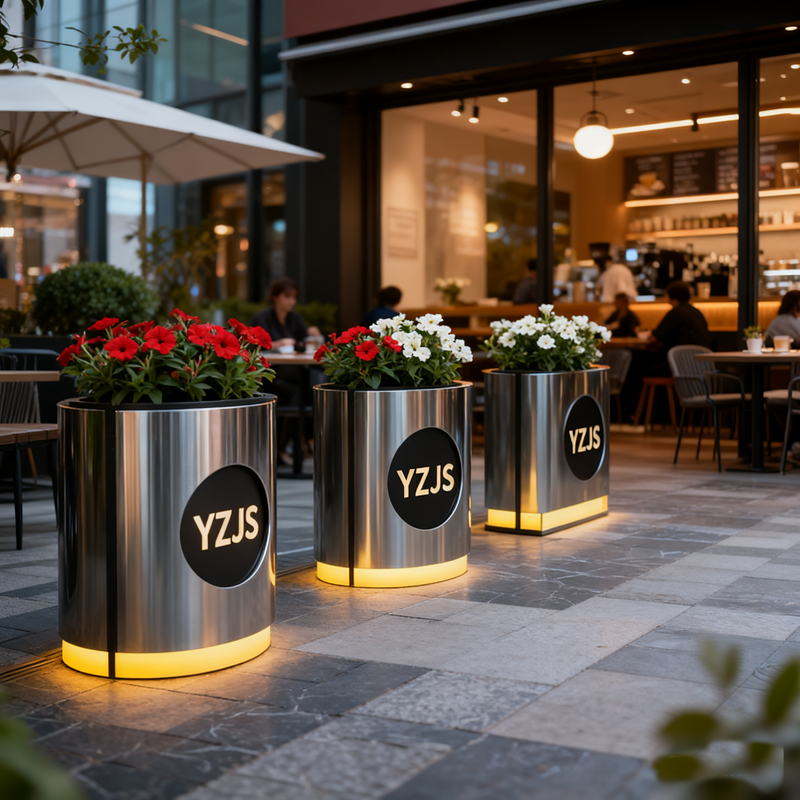
When selecting containers for your plants, the material choice significantly impacts both aesthetics and longevity. A stainless steel flowerpot offers distinct advantages over traditional plastic options. Plastic planters have dominated residential and commercial landscaping for decades due to their affordability, yet they deteriorate under UV exposure, become brittle in cold climates, and often fail to provide the visual sophistication that modern outdoor spaces demand. Stainless steel alternatives address these shortcomings by delivering superior durability, refined aesthetics, and exceptional performance in diverse environmental conditions. This shift toward metal containers reflects growing recognition that quality materials yield better results across residential gardens, municipal landscapes, and commercial installations.
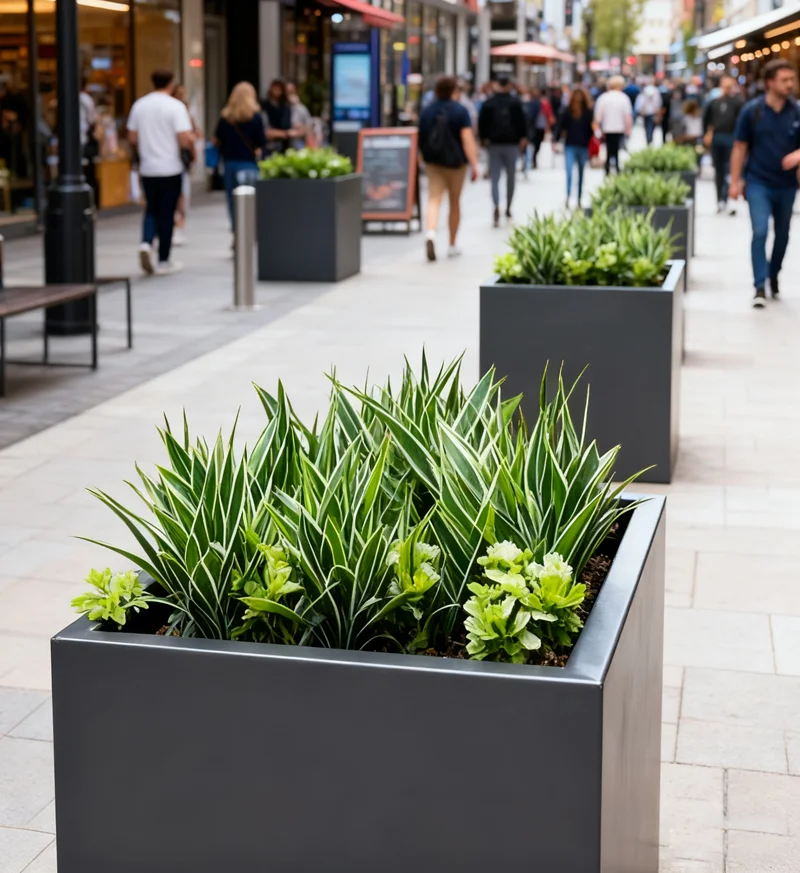
The decision to upgrade from plastic to a rust-resistant metal plant container involves understanding the practical and financial implications. While initial investment appears higher, the lifecycle cost of stainless steel demonstrates remarkable value when accounting for replacement frequency, maintenance requirements, and visual impact on property investment. A modern outdoor planter with drainage constructed from quality stainless steel functions reliably for decades, whereas plastic containers typically require replacement every three to five years due to degradation. This article explores the technical, aesthetic, and economic reasons why switching to stainless steel represents a prudent choice for anyone serious about creating lasting, attractive, and functional planting solutions.
Superior Durability and Longevity Benefits
Resistance to Environmental Degradation
Plastic flowerpots suffer predictable failure modes under environmental stress. UV radiation breaks down polymer chains, causing color fading, surface cracking, and structural weakness. Temperature fluctuations accelerate this deterioration, particularly in regions experiencing freeze-thaw cycles where moisture infiltration causes permanent damage. A durable indoor decorative pot for succulents crafted from stainless steel eliminates these concerns entirely. The material maintains structural integrity across extreme temperatures, resists UV degradation, and performs equally well in arid, humid, or coastal environments where salt spray would corrode conventional metals. This environmental resilience means your stainless steel container functions identically in year five as it did on installation day.
Chemical and Moisture Resistance
Water exposure poses particular challenges for plastic containers. Prolonged moisture contact promotes algae growth, discoloration, and material softening. Fertilizer residues and soil minerals accumulate on plastic surfaces, creating unsightly staining that becomes permanent. Conversely, a rust-resistant metal plant container maintains pristine appearance despite constant moisture exposure. Stainless steel composition prevents corrosion, salt accumulation, and mineral staining. The smooth surface resists algae adhesion and cleans easily with basic water rinsing. This inherent resistance to chemical degradation proves especially valuable in commercial landscaping applications where maintenance budgets are limited and container appearance directly influences property perception.
Aesthetic and Design Advantages
Contemporary Visual Appeal
Modern outdoor planter with drainage designs in stainless steel deliver visual sophistication that plastic simply cannot match. The refined metallic finish complements contemporary architecture, minimalist garden design, and professional landscaping schemes. Stainless steel containers project permanence and quality, subtly communicating that property management prioritizes durability and aesthetic attention. Plastic alternatives, despite marketing claims of 'designer styles,' inherently convey disposability and temporary function. This psychological distinction matters significantly in commercial properties, hospitality venues, and residential settings where outdoor spaces contribute substantially to overall property value perception. A durable indoor decorative pot for succulents in stainless steel becomes an intentional design element rather than merely a functional necessity.
Customization and Size Flexibility
Stainless steel manufacturing enables precise customization impossible with plastic molding processes. Commercial landscaping projects requiring specific dimensions, drainage configurations, or integrated design features find stainless steel offers superior flexibility. Municipal installations benefit from scalability, allowing uniform container specifications across large areas while maintaining design coherence. Unlike plastic options limited by production mold constraints, metal containers accommodate bespoke modifications that enhance both functionality and aesthetic integration into complex landscape designs. This adaptability makes stainless steel particularly valuable when integrating planters into architectural features or creating cohesive commercial environments.
Economic and Environmental Considerations
Long-Term Cost Analysis
Initial purchase price favors plastic, typically costing one-quarter to one-third of equivalent stainless steel containers. However, comprehensive lifecycle accounting reveals dramatic economic advantages for metal alternatives. A plastic flowerpot requiring replacement every four years necessitates five replacements across a twenty-year period, generating five times the material cost plus disposal expenses and replacement labor. Conversely, one quality stainless steel container functions throughout the entire timeframe, eliminating replacement costs entirely. Additionally, reduced maintenance requirements for rust-resistant metal plant containers lower ongoing operational expenses in commercial settings. When property managers calculate true cost of ownership, stainless steel demonstrates significant financial superiority despite higher upfront expenditure.
Environmental Impact and Sustainability
Plastic container disposal creates persistent environmental problems. Most plastic flowerpots end up in landfills where they persist for centuries, contributing substantially to accumulated waste. A modern outdoor planter with drainage constructed from stainless steel embodies circular economy principles. Stainless steel remains infinitely recyclable without degradation, meaning end-of-life containers transition to recycling streams rather than permanent waste. Manufacturing stainless steel from recycled content reduces energy consumption compared to virgin plastic production. Furthermore, the dramatic extension of container lifespan means significantly fewer total units require manufacturing, further reducing cumulative environmental burden. Selecting stainless steel represents a tangible commitment to reducing your landscaping operation's environmental footprint across decades.
Practical Application in Various Settings
Residential Garden Integration
Homeowners increasingly recognize that a durable indoor decorative pot for succulents enhances both growing success and garden aesthetics. Stainless steel containers perform exceptionally well with water-sensitive succulents and drought-tolerant plants, as the rust-resistant metal plant container material supports optimal drainage while resisting moisture-related degradation. Indoor placement benefits equally, as stainless steel withstands humidity and water splashing near kitchen windows or bathroom plantings. The refined appearance elevates casual plant displays into curated interior design elements that complement modern home aesthetics. Residential gardens incorporating statement planters in stainless steel demonstrate sophistication and attention to detail that elevates entire outdoor living spaces.
Commercial and Municipal Applications
Commercial landscaping demands extreme durability and minimal maintenance, making stainless steel flowerpot installations particularly valuable. Municipal planting programs requiring standardized, reliable containers benefit from metal durability and aesthetic consistency. Shopping centers, office parks, and hospitality properties maintain vibrant landscapes with significantly reduced replacement cycles when utilizing rust-resistant metal plant containers. A modern outdoor planter with drainage in stainless steel can service high-traffic areas where plastic options deteriorate rapidly from foot traffic impact and environmental exposure. Commercial property managers report that stainless steel containers require no replacement over typical landscaping contract periods, dramatically reducing maintenance overhead compared to plastic alternatives.
FAQ
Do stainless steel flowerpots require special drainage modifications?
Quality stainless steel containers feature integrated drainage holes during manufacturing, eliminating modification needs. A modern outdoor planter with drainage in stainless steel typically includes pre-drilled holes sized for optimal water evacuation without soil loss. Some custom installations may request modified drainage configurations, which stainless steel manufacturing readily accommodates through machining. Unlike plastic containers where post-production drilling risks cracking, metal drilling creates clean, durable holes that withstand years of water flow without degradation or enlargement over time.
Can stainless steel containers be used outdoors in coastal environments?
Absolutely. Stainless steel composition specifically resists salt spray and marine corrosion that rapidly destroys plastic and conventional metal containers. Coastal applications represent ideal environments for a rust-resistant metal plant container, as the material maintains pristine appearance and structural integrity despite constant saltwater exposure and high humidity. Standard stainless steel grades provide adequate corrosion resistance for most coastal settings. Premium marine-grade specifications offer enhanced performance in extreme saltwater environments or professional applications requiring maximum protection.
What temperature ranges can stainless steel flowerpots tolerate?
Stainless steel containers maintain functionality across extreme temperature ranges from well below freezing through intense summer heat, unlike plastic that becomes brittle in cold and warps in extreme sun. A durable indoor decorative pot for succulents in stainless steel does not experience dimensional changes from temperature fluctuation, meaning drainage holes maintain precise sizing and structural integrity remains constant. This thermal stability proves particularly valuable in regions experiencing severe seasonal variations or unexpected temperature extremes, where plastic containers frequently fail structurally or aesthetically.