
 EN
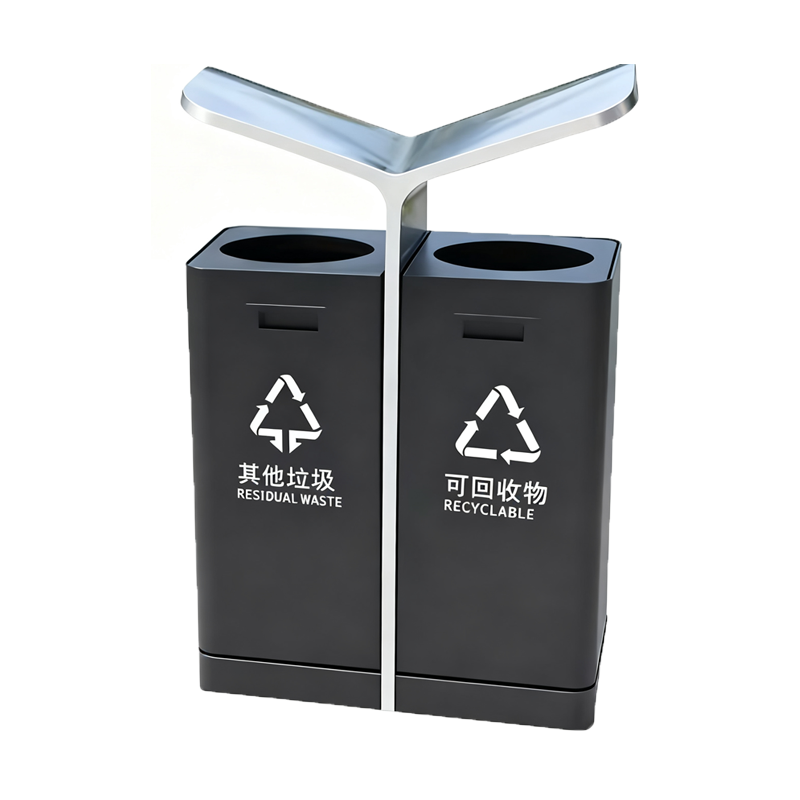
Selecting the right stainless steel trash can involves more than simply picking the first option you find. The features you choose directly impact functionality, aesthetics, maintenance effort, and longevity in your space. Whether you are outfitting a residential kitchen, office building, retail environment, or industrial facility, understanding what makes a quality stainless steel trash can will save time, money, and frustration. This guide walks you through the critical decision factors that ensure your stainless steel trash can meets your specific operational and design requirements.
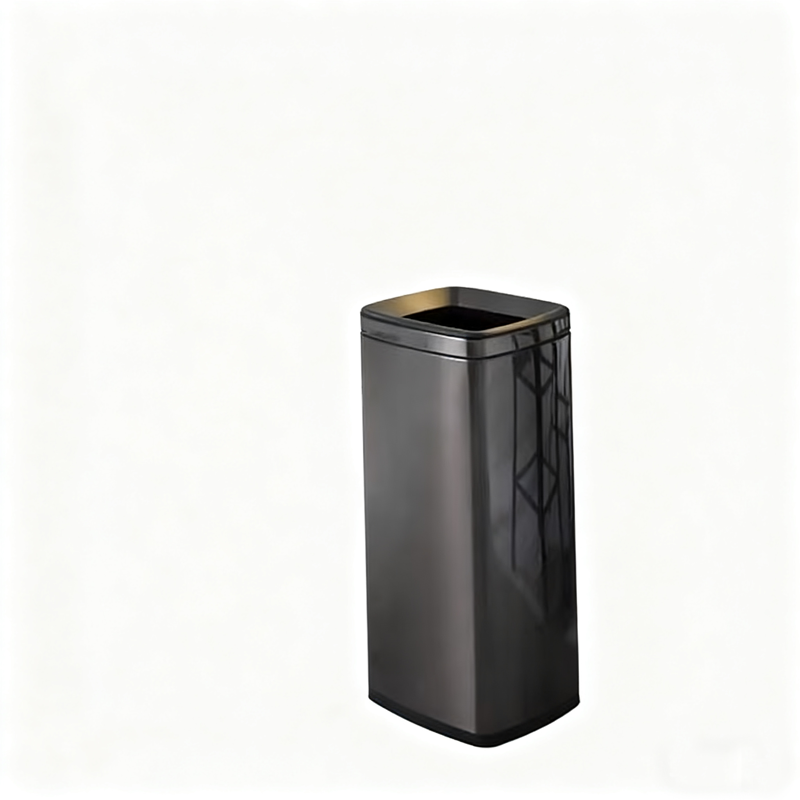
The choice between different models of stainless steel trash can options can feel overwhelming when you face dozens of specifications and design variations. However, breaking down the selection process into key feature categories makes it manageable. By evaluating capacity, opening mechanism, construction quality, aesthetic considerations, and maintenance requirements, you will confidently identify which stainless steel trash can truly fits your needs rather than settling for a generic solution.
Capacity and Size Considerations for Your Stainless Steel Trash Can
Determining Adequate Volume for Your Space
The capacity of your stainless steel trash can must align with the actual waste generation in your environment. A residential kitchen typically requires a 10- to 20-liter stainless steel trash can, while office spaces and commercial kitchens often need 30- to 50-liter models. Undersizing your stainless steel trash can leads to frequent overflowing and poor aesthetics, whereas oversizing creates unnecessary space usage and can look disproportionate in smaller areas. Calculate your average daily waste volume, consider collection schedules, and add 20 percent to your estimate to arrive at the optimal capacity for your stainless steel trash can.
Footprint and Height Dimensions
Beyond raw volume, the physical dimensions of your stainless steel trash can matter greatly for spatial fit. Measure the available floor space carefully, accounting for traffic flow and access to collection areas. Tall, narrow stainless steel trash can designs work well in tight corners and hallways, while wider, shorter models suit larger open spaces better. Consider door swing clearance, proximity to walls, and whether the stainless steel trash can will be recessed into a corner or positioned as a freestanding unit. A properly sized stainless steel trash can that fits your space proportions enhances the overall appearance while ensuring practical everyday use.
Opening Mechanism and Lid Design Features
Hands-Free Sensor and Pedal Options
The opening method of your stainless steel trash can significantly affects user experience and hygiene standards. Hands-free, motion-activated stainless steel trash can models reduce cross-contamination and feel more modern in professional settings. Pedal-operated stainless steel trash can units provide reliable function without electronics and require minimal maintenance. Traditional push-top lids remain the most affordable option for residential stainless steel trash can selections and work reliably for decades. Evaluate your environment's foot traffic, hygiene protocols, and budget to determine whether a hands-free sensor, pedal, or simple push-mechanism stainless steel trash can best serves your needs. Sensor-equipped stainless steel trash can models require electrical access and periodic battery replacement, so confirm infrastructure compatibility before committing.
Lid Closure and Odor Control
A well-designed lid on your stainless steel trash can controls odors and prevents pest access, which are critical in food preparation areas and warm climates. Soft-close lids on premium stainless steel trash can options prevent noise and damage from slamming, improving workplace comfort. Some stainless steel trash can models include removable, washable inserts or deodorizing filters that further enhance odor management. Ring-based designs that create an airtight seal represent a middle-ground feature for stainless steel trash can units that balances cost with performance. Select a lid mechanism for your stainless steel trash can that matches your operational environment's specific demands.
Construction Quality and Durability Features
Stainless Steel Grade and Corrosion Resistance
Not all stainless steel compositions are equal, and your stainless steel trash can quality depends heavily on the alloy grade used. Grade 304 stainless steel represents the standard for most stainless steel trash can applications, offering excellent corrosion resistance and value. Grade 430 provides a more budget-conscious option for indoor-only stainless steel trash can installations, though it shows lower salt-spray resistance. If your stainless steel trash can will be positioned outdoors or in corrosive environments, grade 316 offers superior protection justified by the higher cost. Verify the grade specification when selecting your stainless steel trash can to ensure durability matches placement conditions. Thicker gauge materials in your stainless steel trash can resist denting and warping better than thin sheets, so confirm the metal thickness in the product specification.
Welding, Base, and Structural Integrity
High-quality stainless steel trash can models feature fully welded seams rather than riveted or glued joints, which prevents separation and internal rust accumulation. Examine whether your stainless steel trash can includes a reinforced base ring or stainless steel feet that elevate it slightly from the floor, allowing cleaning access and preventing moisture pooling. Interior bracing in premium stainless steel trash can designs maintains shape and prevents bulging under pressure. Run your hand along the seams of any stainless steel trash can before purchase to detect rough welds, sharp edges, or inconsistencies that signal poor construction. A well-built stainless steel trash can will have uniform finish, smooth welds, and a solid feel when you gently shake it.
Aesthetic and Maintenance Considerations
Finish Style and Design Appeal
Stainless steel finish options for your stainless steel trash can range from mirror-polished to brushed, matte, or powder-coated variants. Mirror-polished stainless steel trash can styles project premium aesthetics but require frequent fingerprint cleaning. Brushed finishes on stainless steel trash can models hide fingerprints and dust better, reducing maintenance demands while maintaining professional appearance. Powder-coated stainless steel trash can options come in colors like black, white, or custom tones and offer enhanced durability against scratches. Consider your interior design theme and cleaning capacity when choosing the finish for your stainless steel trash can. Contemporary spaces often benefit from brushed finishes, while high-end facilities may choose polished stainless steel trash can models to match other kitchen or commercial equipment.
Maintenance Requirements and Cleaning Protocols
Different stainless steel trash can surface treatments demand varying maintenance effort. Your stainless steel trash can in a high-traffic environment like a busy kitchen will show fingerprints and dust more readily than one in a less-accessed space, so factor realistic cleaning frequency into your choice. Textured or brushed stainless steel trash can finishes require less frequent wiping than polished options. Use microfiber cloths and appropriate stainless steel cleaner to maintain your stainless steel trash can appearance and prevent fingerprints. Some stainless steel trash can models feature protective films or coatings during shipping that you should remove before use. Understanding the maintenance reality of your chosen stainless steel trash can ensures satisfaction long after purchase.
FAQ
What size stainless steel trash can should I choose for a small kitchen?
For a small kitchen, a stainless steel trash can between 10 and 15 liters typically works well, provided you empty it every 2 to 3 days. Slim or rectangular designs of stainless steel trash can models fit nicely into corners or tight spaces. Consider your household size and cooking frequency to determine if a larger 20-liter stainless steel trash can would better suit your needs without overwhelming the space.
Are hands-free sensor stainless steel trash cans reliable for commercial use?
Yes, hands-free sensor stainless steel trash can models are highly reliable in commercial environments and improve hygiene standards significantly. Ensure your facility has adequate electrical access and commit to replacing batteries regularly. Premium stainless steel trash can sensors are designed for heavy daily use and rarely malfunction if properly maintained. Train staff on sensor placement and cleaning procedures to maximize the lifespan of your stainless steel trash can.
How long does a quality stainless steel trash can typically last?
A well-constructed stainless steel trash can made from grade 304 stainless steel can last 10 to 20 years or more with proper care. Outdoor placement or corrosive environments may reduce the lifespan unless you upgrade to grade 316 stainless steel trash can options. Regular cleaning and avoiding chemical damage extend your stainless steel trash can longevity significantly, making quality construction and appropriate finish selection essential investment decisions.