
 EN
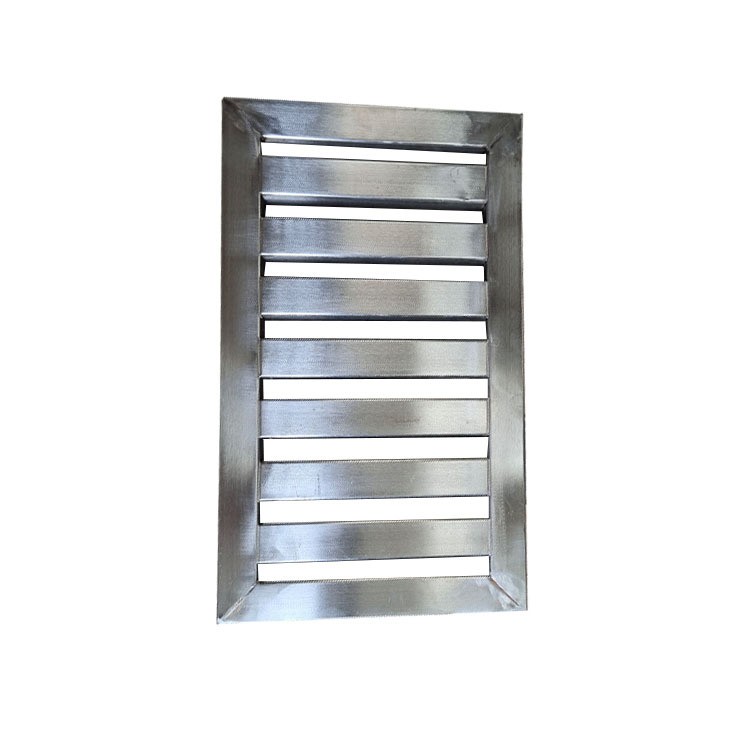
When selecting between grating materials for industrial, commercial, or infrastructure applications, stainless steel grating and aluminum emerge as the two most popular choices. Each material brings distinct advantages and trade-offs that directly impact project performance, maintenance requirements, and long-term costs. Understanding how stainless steel grating compares to aluminum helps engineers, contractors, and facility managers make informed decisions tailored to their specific operational environment and budget constraints.
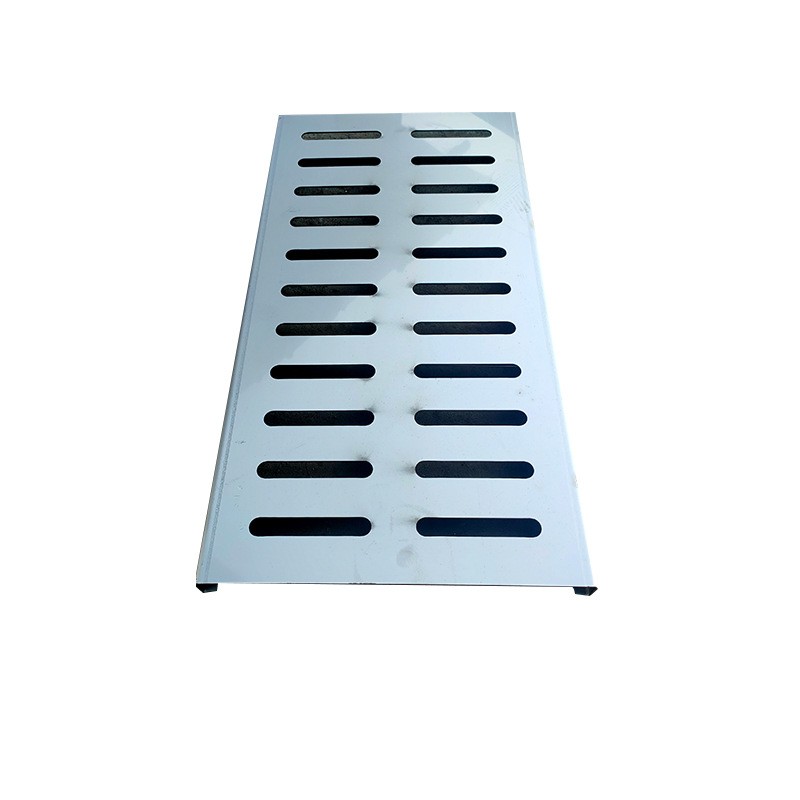
Both stainless steel grating and aluminum grating serve essential roles in platforms, walkways, drainage systems, and protective barriers across manufacturing, food processing, chemical plants, and outdoor infrastructure. The choice between them often depends on environmental exposure, load requirements, chemical resistance, and total cost of ownership. This guide explores the key performance characteristics, installation considerations, and practical applications of each material to help you determine which grating solution aligns best with your project needs.
Material Properties and Durability Performance
Corrosion Resistance and Environmental Exposure
Stainless steel grating offers superior corrosion resistance compared to aluminum, particularly in harsh or chemically aggressive environments. The chromium content in stainless steel creates a self-healing oxide layer that protects against rust and deterioration even when scratched or exposed to saltwater, acids, or alkaline solutions. This inherent durability makes stainless steel grating ideal for coastal installations, food processing facilities, pharmaceutical plants, and any application where chemical exposure or moisture is constant.
Aluminum grating, while naturally resistant to oxidation due to its own protective oxide layer, performs less reliably in aggressive chemical environments. Aluminum can experience pitting corrosion and galvanic corrosion when in contact with certain metals or in highly acidic or alkaline conditions. However, in neutral environments with moderate moisture exposure, aluminum grating maintains excellent performance without the need for protective coatings, making it suitable for indoor facilities and mild outdoor settings where corrosive agents are absent.
Load-Bearing Capacity and Structural Strength
Stainless steel grating delivers significantly greater load-bearing capacity than aluminum. The tensile strength of stainless steel is roughly two to three times higher than aluminum, meaning stainless steel grating can safely support heavier equipment, machinery, and foot traffic on platforms and walkways. This superior strength-to-weight ratio makes stainless steel grating the preferred choice for industrial facilities handling heavy loads, machinery platforms, and high-traffic areas where structural integrity is non-negotiable.
Aluminum grating, being lighter and less dense, carries lower load ratings per unit area. While aluminum grating performs adequately for light to moderate applications such as ceiling panels, decorative barriers, and pedestrian walkways with limited foot traffic, it cannot match the structural performance of stainless steel grating in demanding industrial environments. For projects requiring robust support of machinery, dense foot traffic, or stored materials, aluminum grating may necessitate thicker gauge bars or closer bearing spacing to achieve equivalent safety margins.
Cost Analysis and Long-Term Economic Considerations
Initial Material and Installation Costs
Aluminum grating typically carries a lower upfront purchase price than stainless steel grating. The raw material cost for aluminum is generally 40 to 60 percent less than stainless steel, making aluminum grating an attractive option for budget-conscious projects with less demanding environmental conditions. Installation labor costs for aluminum grating are often comparable to stainless steel grating since both materials follow similar fastening and alignment procedures, though the lighter weight of aluminum may slightly reduce handling and positioning time.
Stainless steel grating commands a premium initial investment but delivers superior value in total cost of ownership calculations. The higher upfront expense reflects the material's exceptional durability, minimal maintenance requirements, and extended service life. When project budgets prioritize lowest first cost over lifecycle performance, aluminum grating becomes the economically rational choice; however, when considering replacement frequency, downtime, and maintenance labor, stainless steel grating often justifies its higher price in harsh industrial environments.
Maintenance, Replacement, and Lifecycle Economics
Stainless steel grating requires minimal maintenance throughout its operational life, especially when installed in well-designed drainage systems. Routine cleaning removes surface debris, but stainless steel grating does not require protective coatings, repainting, or corrosion treatment. The material's inherent corrosion resistance eliminates surprise maintenance events, equipment downtime for repairs, and the associated labor costs that accumulate over years of facility operation. Many industrial operations report service lives exceeding 25 to 30 years for quality stainless steel grating with proper installation.
Aluminum grating in corrosive environments may require periodic maintenance, protective coating reapplication, or premature replacement if environmental conditions exceed the material's resistance threshold. While aluminum grating in neutral indoor settings experiences minimal maintenance needs, facilities exposed to salt spray, chemical fumes, or high humidity often face mounting maintenance costs as corrosion develops. The decision to specify stainless steel grating versus aluminum frequently hinges on this lifecycle cost differential; initial material savings with aluminum can evaporate if replacement cycles shorten or maintenance intensity increases.
Application Suitability and Selection Criteria
Coastal, Chemical, and Highly Corrosive Environments
Stainless steel grating dominates coastal installations, wastewater treatment facilities, chemical plants, pharmaceutical manufacturing, and food processing operations where environmental exposure demands maximum corrosion protection. The stainless steel grating specification for outdoor park drainage systems, roof edge drainage, and eaves management reflects the material's capability to withstand repeated moisture exposure, salt-laden air, and freeze-thaw cycling without deterioration. These applications benefit from stainless steel grating's self-passivating properties, which restore corrosion resistance even after minor damage or scratching during maintenance.
Aluminum grating finds optimal application in controlled indoor environments, temperature-controlled manufacturing areas, and facilities where chemical exposure is minimal or non-existent. Office building mezzanines, enclosed parking structures, and warehouse platforms where aluminum grating encounters only moisture from routine cleaning represent ideal use cases. Aluminum grating also excels in decorative interior applications, suspended ceiling systems, and architectural panels where aesthetics, lightweight installation, and moderate structural loads align with aluminum's material properties.
Weight Considerations and Handling Efficiency
Aluminum grating weighs approximately one-third the weight of equivalent stainless steel grating, significantly reducing shipping costs, handling equipment requirements, and installation labor intensity. Large-scale projects requiring extensive grating coverage benefit from aluminum's weight advantage, which reduces the load on supporting structures and simplifies positioning during installation. For applications where weight savings directly translate to reduced building structural requirements or lower foundation costs, aluminum grating provides genuine economic advantage beyond material cost alone.
Stainless steel grating, despite its greater weight, remains manageable for most industrial installations using standard material handling equipment. The weight disadvantage becomes negligible when compared to the performance and durability benefits stainless steel grating delivers in demanding environments. Many industrial operations accept the slightly higher handling requirements for stainless steel grating because operational reliability and minimal downtime far outweigh the modest incremental installation effort.
FAQ
Does stainless steel grating require protective coating or painting?
No, stainless steel grating does not require protective coatings or painting. The chromium oxide layer naturally forms on stainless steel grating surfaces and continuously self-heals when exposed to oxygen, providing permanent corrosion protection without external coatings. This fundamental advantage of stainless steel grating eliminates painting maintenance cycles and coating reapplication costs that aluminum grating may require in certain environments.
Can aluminum grating be used in outdoor coastal environments?
Aluminum grating performs poorly in salt-spray coastal environments without protective coatings. While aluminum naturally resists oxidation, salt chlorides penetrate the oxide layer and cause pitting corrosion that compromises structural integrity over time. Stainless steel grating is the appropriate choice for coastal applications because its superior corrosion resistance handles salt exposure reliably for decades without maintenance intervention or coating replacement.
What is the typical service life difference between stainless steel and aluminum grating?
Stainless steel grating commonly achieves service lives of 25 to 30 years or longer in demanding industrial environments, while aluminum grating typically lasts 10 to 15 years before corrosion, maintenance requirements, or replacement become necessary in harsh conditions. In mild indoor environments, aluminum grating performs adequately across equivalent timeframes, but harsh exposures dramatically reduce aluminum grating lifespan compared to the reliable durability of stainless steel grating.