
 EN
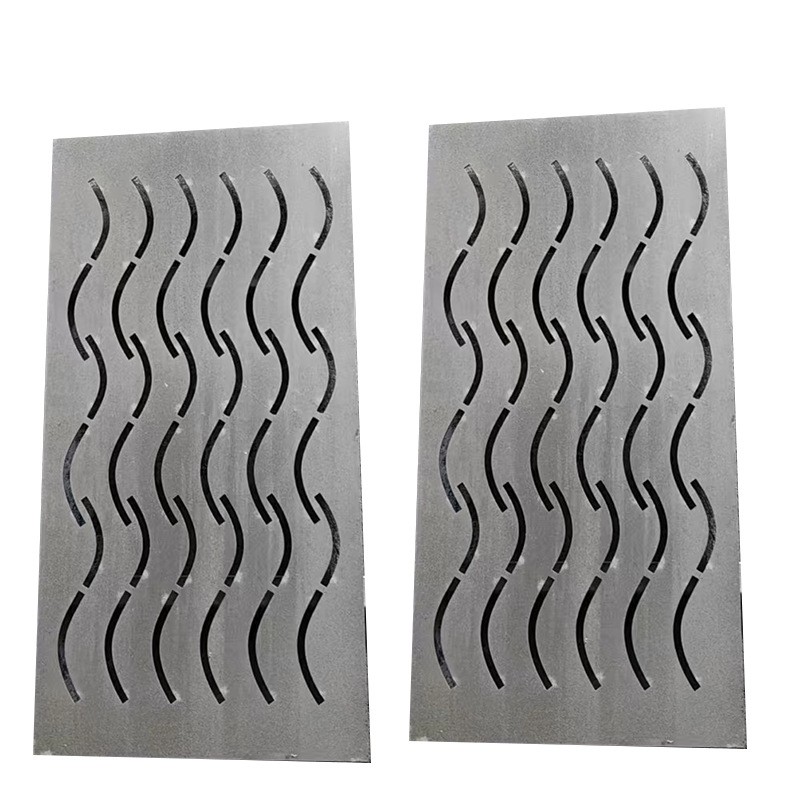
Stainless steel grating plays a critical role in modern industrial and commercial environments where durability, safety, and corrosion resistance are non-negotiable requirements. Organizations across multiple sectors depend on stainless steel grating to manage water flow, prevent accidents, and create reliable infrastructure. Understanding the practical applications of stainless steel grating helps facility managers, engineers, and procurement professionals make informed decisions about their material selection and long-term operational efficiency.
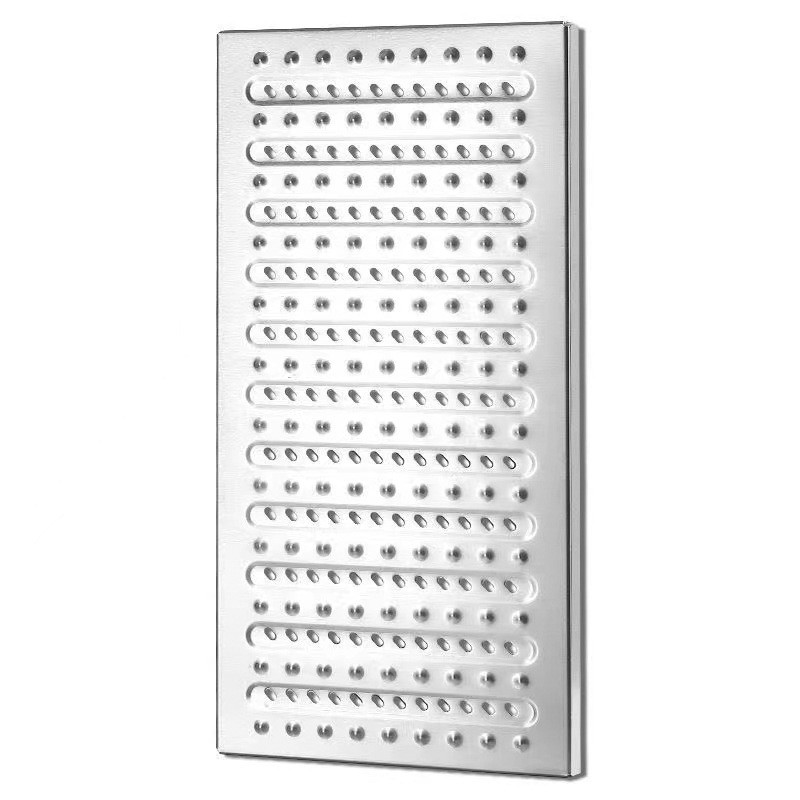
The versatility of stainless steel grating extends far beyond simple flooring. This engineered material combines strength with chemical resistance, making it an ideal solution for environments where standard materials would fail. Whether managing wastewater systems, creating safe walkways in wet conditions, or supporting equipment in harsh chemical settings, stainless steel grating delivers consistent performance and extended service life that justifies the investment.
Drainage and Wastewater Management Applications
Municipal and Industrial Drainage Systems
Municipalities and industrial facilities rely heavily on stainless steel grating for drainage infrastructure. Stainless steel grating prevents clogging while allowing rapid water movement through collection channels and treatment systems. In wastewater treatment plants, stainless steel grating covers treatment basins and screening areas where corrosive chemicals and biological activity would quickly degrade ordinary steel or aluminum alternatives. The open surface of stainless steel grating permits inspection and maintenance access while maintaining structural integrity under constant exposure to moisture and aggressive chemical compounds.
Stainless steel grating installations in storm drain systems protect urban infrastructure from flooding while preventing debris accumulation. The uniform spacing of stainless steel grating bars allows water to pass freely while catching leaves, sediment, and other materials that could obstruct flow. This design characteristic makes stainless steel grating particularly valuable in parking areas, building perimeters, and landscape installations where aesthetics and function must coexist.
Chemical Processing and Corrosive Environments
Chemical manufacturing plants specify stainless steel grating because ordinary materials corrode within days of exposure to acids, bases, and solvents. Stainless steel grating withstands direct contact with caustic substances while maintaining structural properties essential for worker safety. The material's resistance to electrochemical attack means stainless steel grating serves multiple decades in facilities where material replacement costs and production downtime create severe financial consequences. Pharmaceutical manufacturers, food processors, and petrochemical plants all depend on stainless steel grating to maintain regulatory compliance and operational continuity.
Safety and Access Infrastructure
Industrial Walkways and Platform Flooring
Stainless steel grating creates slip-resistant walking surfaces in wet environments where traditional flooring materials present hazard risks. Manufacturing facilities, processing plants, and outdoor industrial spaces benefit from stainless steel grating's ability to shed water quickly while providing secure foot grip. The open design of stainless steel grating allows visibility beneath platforms, improves safety protocols, and facilitates cleaning procedures. Workers experience reduced slip incidents, and facility managers document improved safety compliance records when stainless steel grating replaces solid flooring options.
Hospital kitchens, commercial food preparation areas, and pharmaceutical manufacturing rooms all employ stainless steel grating to meet stringent hygiene standards. Stainless steel grating allows liquid drainage directly through flooring surfaces while eliminating the pooling water that promotes bacterial growth. The material's sanitary properties make stainless steel grating essential in sterile environments where infection control depends on rapid surface drying and thorough decontamination procedures.
Elevated Platform and Equipment Support Systems
Structural applications of stainless steel grating support equipment platforms, maintenance catwalks, and elevated work areas in harsh industrial settings. Steel mills, foundries, and recycling facilities expose equipment to extreme temperatures, moisture, and contamination levels that destroy conventional materials. Stainless steel grating maintains dimensional stability and load-bearing capacity despite thermal cycling and environmental stress. Engineers specify stainless steel grating for critical support applications where material failure could result in production shutdowns, equipment damage, or personnel safety incidents.
Specialized Industrial and Commercial Uses
Aquatic Facilities and Water Treatment Infrastructure
Swimming pools, water parks, and aquatic treatment facilities depend on stainless steel grating for deck surfaces and equipment support structures. Constant exposure to chlorinated water and UV radiation eliminated traditional materials, but stainless steel grating remains functionally unchanged after years of continuous exposure. Stainless steel grating provides ergonomic advantages through superior slip resistance while allowing water drainage that prevents surface puddles and maintenance hazards. Aquatic facility operators appreciate the extended replacement cycles that stainless steel grating provides compared to wood or conventional metal alternatives.
Marine and Coastal Applications
Ports, docks, and marine facilities specify stainless steel grating because salt spray environments destroy carbon steel rapidly. Stainless steel grating resists pitting corrosion and stress-corrosion cracking that render ordinary materials unusable within months. Ship-building facilities, offshore platforms, and waterfront industrial operations all depend on stainless steel grating to maintain structural reliability in aggressive saltwater environments. The material's performance in marine settings significantly extends operational life and reduces costly emergency maintenance events that disrupt shipping schedules and operational efficiency.
Food Production and Beverage Processing
Food and beverage manufacturers employ stainless steel grating extensively throughout production facilities where sanitation protocols demand materials resistant to frequent washdowns and caustic cleaning agents. Stainless steel grating supports conveyor systems, processing platforms, and drainage infrastructure while meeting food safety regulations that prohibit contamination pathways. The material's inert properties prevent flavor transfer and chemical reactions that could compromise product quality. Processing facilities operating under hazard analysis protocols specify stainless steel grating because the material documentation satisfies regulatory requirements and inspection procedures.
FAQ
Why choose stainless steel grating over alternative materials?
Stainless steel grating offers superior corrosion resistance, exceptional durability, and compliance with stringent industrial standards that alternative materials cannot match. While initial costs exceed standard steel options, the extended service life, reduced maintenance requirements, and elimination of unexpected replacement cycles justify the investment. Stainless steel grating performs reliably in aggressive chemical environments, saltwater exposure, and high-temperature applications where aluminum, painted steel, or polymer alternatives fail within predictable timeframes.
What load capacities does stainless steel grating support?
Stainless steel grating load capacity depends on bar diameter, spacing, and support span configuration, with properly engineered installations supporting personnel, equipment, and vehicular traffic safely. Engineers calculate stainless steel grating specifications based on facility requirements, frequency of use, and safety factor requirements. Standard industrial applications typically support 400 to 2000 pounds per square foot, with specialized designs accommodating higher demands in critical infrastructure applications.
How does stainless steel grating facilitate cleaning and maintenance?
Stainless steel grating's open design allows cleaning solutions to flow directly through surfaces, eliminating debris accumulation beneath equipment platforms. The smooth surface finish resists buildup of contaminants and allows rapid sterilization using high-pressure washers and chemical cleaners. Stainless steel grating requires minimal maintenance intervention, reducing labor costs and production downtime compared to solid flooring surfaces that demand specialized cleaning procedures.