
 EN
EN
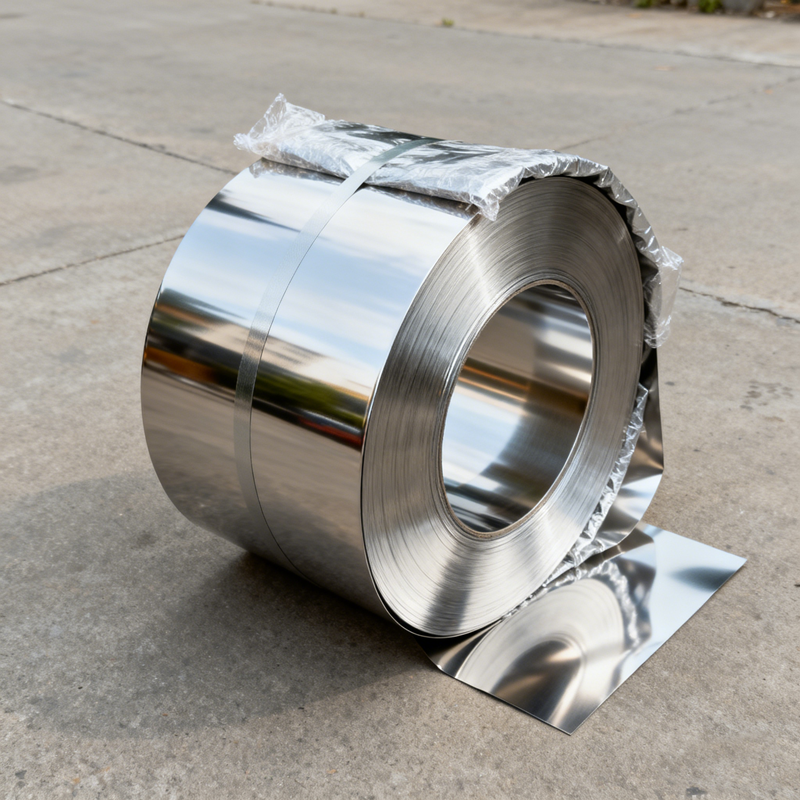
Selecting the right stainless steel coil grade is one of the most critical decisions in manufacturing and construction projects. The wrong choice can lead to premature corrosion, unexpected maintenance costs, and compromised structural integrity. Understanding how different grades perform under specific conditions ensures your project achieves the desired durability, cost efficiency, and functionality. This guide walks you through the essential factors that drive grade selection, from environmental exposure to operational requirements and budget constraints.
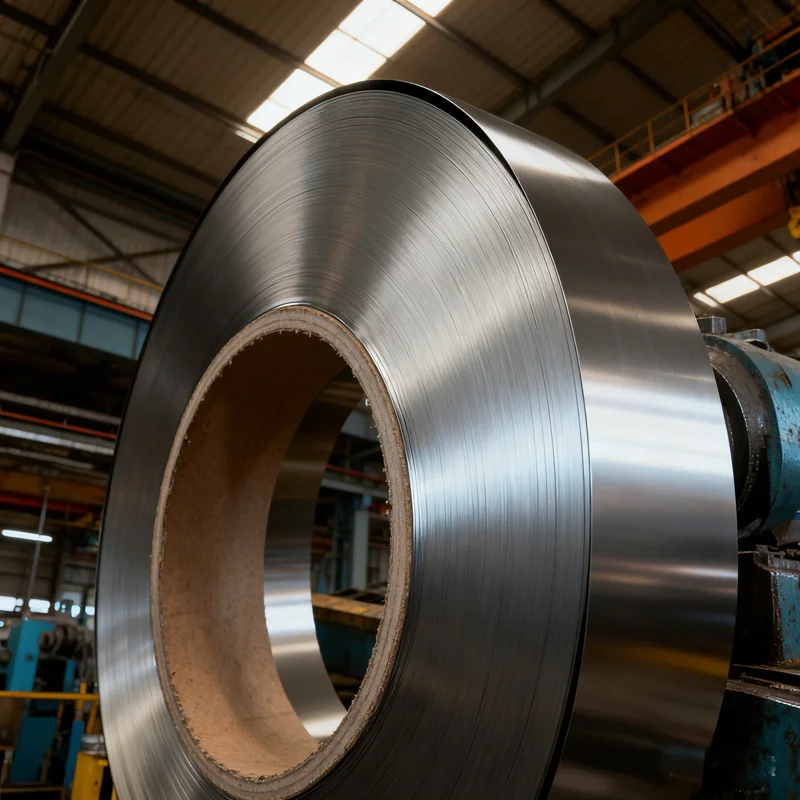
Stainless steel coil specifications vary widely across grades, each engineered to excel in particular environments and applications. Grade selection directly impacts material cost, processing difficulty, and long-term performance. Manufacturers, fabricators, and end-users must balance stainless steel coil applications with budget and technical requirements. By evaluating stainless steel coil price alongside grade capabilities, you can optimize material investment while meeting functional demands.
Understanding Stainless Steel Coil Specifications
Material Composition and Alloying Elements
Stainless steel coil specifications are defined primarily by chromium, nickel, molybdenum, and other alloying elements that enhance specific properties. Chromium provides base corrosion resistance by forming a passive oxide layer. Nickel increases toughness and ductility, making the material easier to fabricate. Molybdenum boosts resistance to pitting and crevice corrosion in harsh environments. Understanding these elements helps explain why certain stainless steel coil grades command higher stainless steel coil price points. Grade 304 contains 18% chromium and 8% nickel, making it versatile and economical. Grade 316 adds molybdenum for enhanced chloride resistance, justifying its premium cost in marine or heavily salted environments.
Mechanical and Corrosion Resistance Properties
Stainless steel coil specifications also include tensile strength, yield strength, and elongation values that determine how the material behaves under mechanical stress. Corrosion resistance ratings classify how each grade performs in different environments, from indoor industrial settings to offshore applications. Coils graded for high-temperature service maintain strength at elevated temperatures, critical for petrochemical or power generation stainless steel coil applications. Lower grades like 304 suit mild indoor conditions, while higher-spec grades like 904L or super duplex handle extreme offshore or chemical processing demands. Reviewing these specifications ensures material selection matches your operational environment and safety requirements.
Evaluating Applications and Environmental Factors
Industry-Specific Stainless Steel Coil Applications
Different industries rely on stainless steel coil grades suited to their unique operational challenges. Food and beverage processors typically use grade 304 for equipment and storage tanks due to its corrosion resistance and cost-effectiveness. Chemical and petrochemical facilities often require grade 316 or higher to withstand aggressive chemical exposure and saltwater spray. Pharmaceutical and biotech sectors demand ultra-pure grades to prevent contamination. Construction and architectural projects select grades balancing aesthetic finish with durability. Marine environments consistently drive demand for premium grades with superior chloride resistance. Identifying your industry's standard stainless steel coil applications narrows the field and prevents costly grade over- or under-specification.
Environmental Exposure and Corrosion Risks
Environmental conditions directly dictate which stainless steel coil grade will deliver adequate performance. Coastal regions with salt spray require grades with pitting resistance equivalent numbers exceeding 25, typically grade 316 or above. Inland industrial areas with acidic atmospheres benefit from grade 304, which handles most non-halide corrosive exposures. High-temperature service in furnaces or exhaust systems demands specially stabilized grades. Crevice-prone designs or tight fastener applications increase corrosion risk, favoring higher-grade stainless steel coil selections. Understanding the specific exposure profile prevents premature failure and extends asset life while controlling stainless steel coil price expenditure.
Balancing Grade Selection with Cost and Fabrication Considerations
Price Impact and Long-Term Value Analysis
Stainless steel coil price varies significantly by grade, with premium alloys like 316, 317, and super duplex commanding 30–80% premiums over grade 304. Initial procurement cost matters, but lifecycle cost analysis often reveals that investing in a higher-grade stainless steel coil delivers superior return on investment. A corroded component requiring early replacement or unplanned downtime costs far more than the upfront grade premium. Marine applications offer clear examples where grade 316 stainless steel coil price justifies itself through 15–20 year service life versus 5–7 years for grade 304 in the same environment. For less demanding applications, grade 304 remains the economical choice, maximizing budget efficiency without sacrificing essential durability.
Fabrication Ease and Processing Impact
Stainless steel coil specifications influence how easily material can be cut, bent, welded, and formed. Grade 304 offers superior weldability and formability, reducing labor costs and production time. Higher-grade alloys with greater molybdenum or niobium content require more careful heat control during welding and slower forming speeds, increasing processing expenses. Consider whether your fabrication partner has experience with the chosen stainless steel coil grade, as improper handling can create brittleness or sensitization. Balancing stainless steel coil applications, environmental demands, and fabrication capability ensures cost-effective delivery. Consulting with material suppliers about stainless steel coil specifications, applications, and price for your specific fabrication approach prevents costly rework or material rejection.
FAQ
What is the most popular stainless steel coil grade for general industrial use?
Grade 304 remains the most widely used stainless steel coil for general industrial, food processing, and architectural applications due to its excellent balance of corrosion resistance, weldability, stainless steel coil price affordability, and mechanical properties. It handles most indoor and low-chloride environments effectively while offering straightforward fabrication and reasonable stainless steel coil price points compared to higher-spec grades.
How do stainless steel coil applications differ between grade 316 and grade 304?
Grade 316 includes molybdenum, providing superior pitting and crevice corrosion resistance compared to grade 304, making it ideal for marine, offshore, and chemical processing stainless steel coil applications. Grade 304 performs well in milder indoor environments and food service. Grade 316 stainless steel coil price is typically 30–50% higher, justified when chloride exposure or aggressive chemicals are present. Choose grade 304 for cost savings in non-corrosive settings and grade 316 where durability in harsh environments justifies the premium.
Does stainless steel coil price correlate directly with grade quality and durability?
Not entirely. Stainless steel coil price reflects alloying cost, but choosing a higher-priced grade unnecessarily for mild applications wastes capital. Conversely, selecting a cheaper grade for severe stainless steel coil applications guarantees early failure and hidden costs. The best value emerges from matching stainless steel coil specifications and stainless steel coil applications to actual environmental and mechanical demands, ensuring price paid reflects justified durability and performance requirements.