
 EN
EN
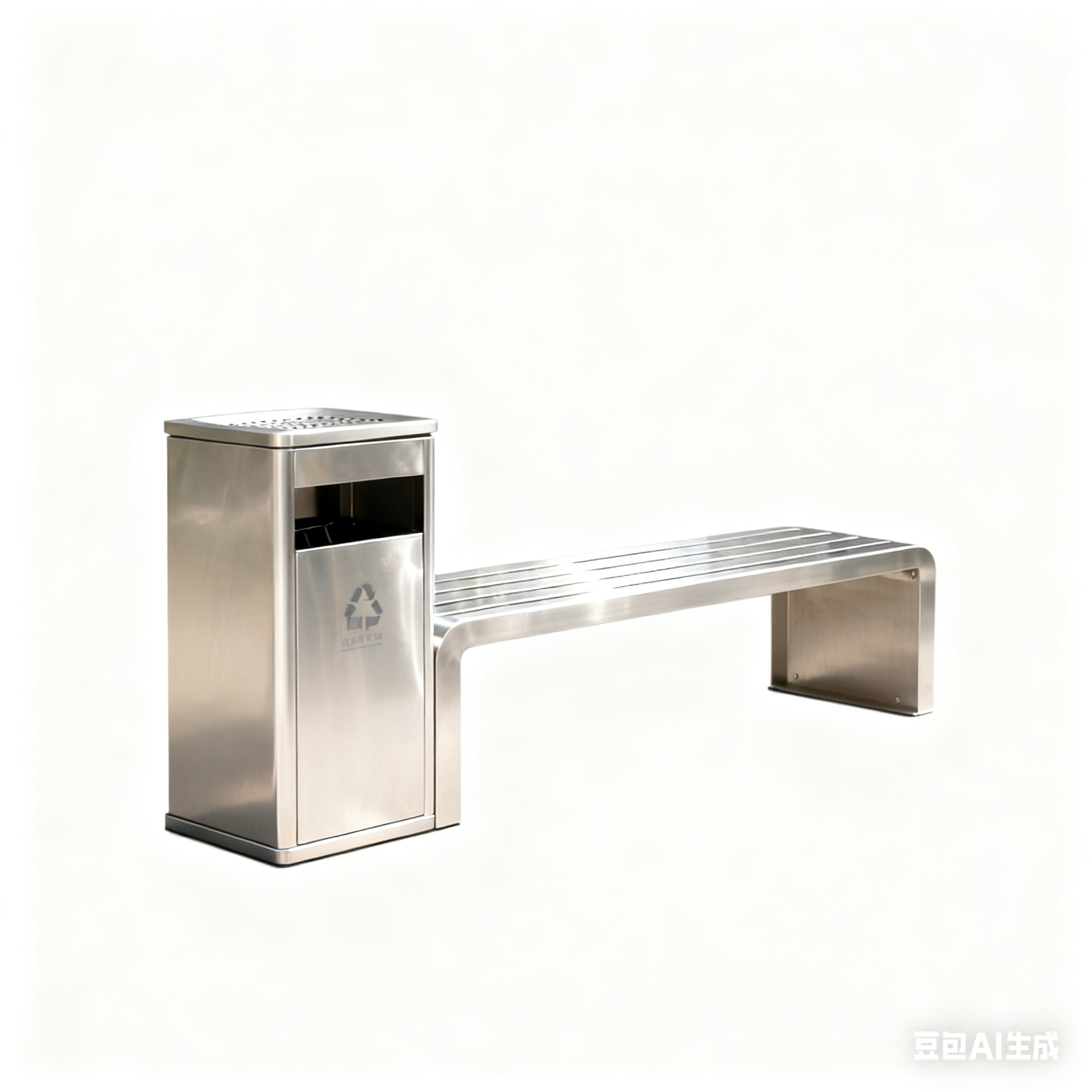
Modern households and commercial spaces increasingly prioritize functionality, durability, and aesthetic appeal when selecting waste management solutions. Among the various options available, stainless steel waste containers have emerged as the preferred choice for discerning consumers and businesses alike. The combination of superior material properties, timeless design, and practical benefits makes these receptacles an investment worth considering for any environment seeking both style and substance.
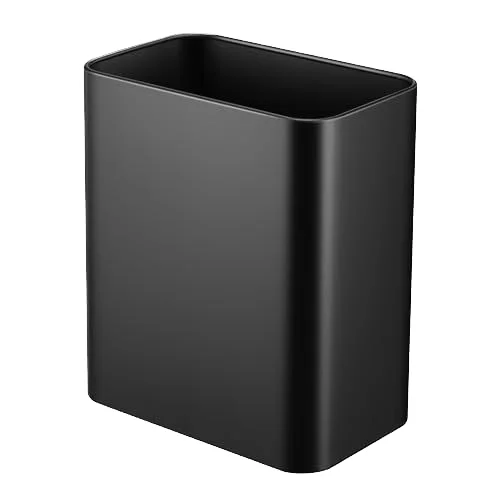
Superior Durability and Longevity
Corrosion Resistance Properties
Stainless steel contains chromium, which forms a protective oxide layer on the surface, preventing rust and corrosion even in humid environments. This natural barrier ensures that your waste container maintains its structural integrity and appearance for years, regardless of exposure to moisture, food acids, or cleaning chemicals. Unlike plastic alternatives that crack or metal variants that rust, stainless steel containers withstand daily use without deterioration.
The chromium content typically ranges from 10.5% to 30%, with higher-grade stainless steel offering enhanced protection against environmental factors. This composition makes stainless steel waste receptacles particularly suitable for kitchens, bathrooms, and outdoor applications where moisture exposure is frequent. The material's resistance to temperature fluctuations also prevents warping or structural damage that commonly affects other materials.
Impact and Wear Resistance
Commercial and residential environments subject waste containers to significant physical stress through daily use, accidental impacts, and frequent moving. Stainless steel's inherent strength provides exceptional resistance to dents, scratches, and structural damage that would compromise lesser materials. This durability translates into long-term cost savings, as replacement needs are dramatically reduced compared to plastic or painted metal alternatives.
The material's ability to maintain its shape under pressure ensures that lids fit properly throughout the container's lifespan, preserving odor control and pest prevention capabilities. Professional kitchens, healthcare facilities, and high-traffic commercial spaces particularly benefit from this robust construction, as the containers continue performing reliably despite intensive use patterns.
Hygiene and Maintenance Advantages
Non-Porous Surface Benefits
The smooth, non-porous surface of stainless steel prevents bacteria, mold, and odor-causing microorganisms from establishing colonies within the material structure. This characteristic is crucial for maintaining sanitary conditions, especially in food preparation areas, healthcare environments, and residential kitchens where hygiene standards are paramount. The surface can be thoroughly cleaned and sanitized without concern for hidden contaminants.
Unlike plastic containers that develop microscopic scratches harboring bacteria, or painted surfaces that chip and expose underlying materials, stainless steel maintains its hygienic properties indefinitely. This feature makes it the preferred choice for commercial kitchens, medical facilities, and food service establishments where health regulations demand the highest cleanliness standards.
Easy Cleaning and Sanitization
Maintenance of a stainless steel trash can requires minimal effort while delivering maximum results. Standard cleaning products, from mild detergents to powerful disinfectants, can be safely used without damaging the surface or altering its appearance. The material's resistance to staining means that even stubborn residues from food waste or spills can be removed completely.
The smooth surface allows for quick wiping and prevents waste particles from adhering permanently. This ease of maintenance encourages regular cleaning, contributing to overall hygiene and preventing the development of unpleasant odors. For busy commercial environments or households with active lifestyles, this low-maintenance characteristic represents a significant practical advantage.
Aesthetic Appeal and Design Versatility
Timeless Modern Appearance
Stainless steel waste containers offer a sophisticated, contemporary aesthetic that complements virtually any interior design scheme. The material's neutral metallic finish harmonizes with both modern minimalist decor and traditional design elements, making it a versatile choice for diverse environments. This design flexibility eliminates the need to replace waste containers when redecorating or renovating spaces.
The reflective properties of stainless steel create visual interest while maintaining an understated elegance that never appears outdated. Professional environments particularly benefit from this polished appearance, as it conveys attention to quality and detail that reflects positively on the organization's image. The material's ability to maintain its lustrous finish with proper care ensures long-term aesthetic value.
Integration with Various Environments
From residential kitchens to corporate offices, healthcare facilities to retail establishments, stainless steel waste containers integrate seamlessly into diverse settings. The material's professional appearance meets the demands of commercial environments while remaining appropriate for home use. This versatility makes it an ideal choice for multi-purpose spaces or areas where aesthetic consistency is important.
The availability of various finishes, from brushed to mirror-polished surfaces, allows for customization to match existing fixtures and appliances. Many manufacturers offer different shapes and sizes to accommodate specific spatial requirements while maintaining the material's inherent benefits. This design flexibility ensures that functionality never compromises aesthetic preferences.
Environmental and Sustainability Considerations
Recyclability and Environmental Impact
Stainless steel ranks among the most recyclable materials available, with recycling rates exceeding 90% in many regions. When a stainless steel waste container reaches the end of its extended lifespan, it can be completely recycled into new products without quality degradation. This circular lifecycle approach significantly reduces environmental impact compared to plastic alternatives that often end up in landfills.
The production of recycled stainless steel requires substantially less energy than manufacturing from raw materials, contributing to reduced carbon footprints. Organizations and individuals committed to sustainable practices find that choosing stainless steel waste containers aligns with their environmental values while providing superior functionality. The long lifespan of these containers further reduces environmental impact by minimizing replacement frequency.
Reduced Replacement Needs
The exceptional durability of stainless steel waste containers translates into decades of reliable service, dramatically reducing the need for replacements that contribute to waste streams. While the initial investment may exceed that of alternative materials, the long-term environmental benefits and cost savings become substantial over time. This durability factor is particularly important for organizations seeking to minimize their environmental footprint.
The material's resistance to degradation means that containers maintain their functionality and appearance without requiring frequent updates or repairs. This longevity characteristic supports sustainable consumption patterns by reducing the demand for new products and associated manufacturing resources. Forward-thinking consumers and businesses increasingly recognize this aspect as a crucial consideration in their purchasing decisions.
Cost-Effectiveness and Value Proposition
Long-Term Financial Benefits
While stainless steel waste containers typically command higher initial prices than plastic or painted metal alternatives, their superior longevity delivers exceptional value over time. The elimination of frequent replacements, reduced maintenance costs, and sustained performance create significant long-term savings that far exceed the initial investment difference.
Commercial establishments particularly benefit from this cost structure, as the containers continue performing reliably for decades without requiring replacement or extensive maintenance. The professional appearance also eliminates the need for frequent updates to maintain aesthetic standards, further contributing to cost savings. Healthcare facilities and food service operations find that the hygiene benefits reduce cleaning time and supply costs while ensuring compliance with health regulations.
Return on Investment Considerations
The total cost of ownership for stainless steel waste containers often proves lower than seemingly less expensive alternatives when calculated over realistic usage periods. The material's resistance to damage reduces repair and replacement expenses, while its low maintenance requirements minimize ongoing operational costs. These factors combine to create a compelling financial justification for the initial investment.
Professional environments benefit from additional intangible returns, including enhanced image and reduced downtime from container failures or maintenance issues. The reliability factor becomes particularly valuable in critical applications where waste management interruptions could impact operations or health standards. These considerations often justify the premium pricing for organizations focused on long-term operational efficiency.
FAQ
How long do stainless steel trash cans typically last
High-quality stainless steel waste containers can provide 15-25 years of reliable service in residential applications and 10-15 years in demanding commercial environments. The actual lifespan depends on usage intensity, maintenance practices, and environmental conditions. With proper care, many units continue functioning effectively for decades, making them an excellent long-term investment for both homes and businesses.
Are stainless steel trash cans safe for outdoor use
Stainless steel waste containers excel in outdoor applications due to their superior weather resistance and corrosion protection. The material withstands temperature extremes, UV exposure, rain, and humidity without deteriorating or losing functionality. Marine-grade stainless steel options provide even greater protection in coastal environments where salt exposure is a concern, ensuring reliable performance in challenging outdoor conditions.
What maintenance is required for stainless steel waste containers
Maintenance requirements are minimal and straightforward, typically involving regular cleaning with mild detergent and water. For enhanced appearance, periodic polishing with stainless steel cleaner removes fingerprints and maintains the lustrous finish. Avoid abrasive cleaners or steel wool that could scratch the surface. Most users find that weekly cleaning maintains optimal appearance and hygiene in residential settings, while commercial applications may require more frequent attention.
Can stainless steel trash cans develop odors
The non-porous surface of stainless steel prevents odor absorption, making these containers naturally resistant to persistent smells. Unlike plastic alternatives that can retain odors even after thorough cleaning, stainless steel can be completely sanitized to eliminate any traces of waste-related odors. Regular cleaning and proper waste bag usage ensure that the container remains odor-free throughout its service life, contributing to more pleasant environments.