
 EN
EN
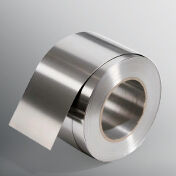
The manufacturing industry relies heavily on versatile materials that can withstand demanding environments while maintaining structural integrity. Among these materials, stainless steel coil stands as one of the most essential components in modern industrial applications. This rolled metal product combines exceptional corrosion resistance with remarkable durability, making it indispensable across numerous sectors from automotive manufacturing to architectural construction. Understanding the properties, production methods, and applications of this material helps engineers and procurement professionals make informed decisions for their projects.
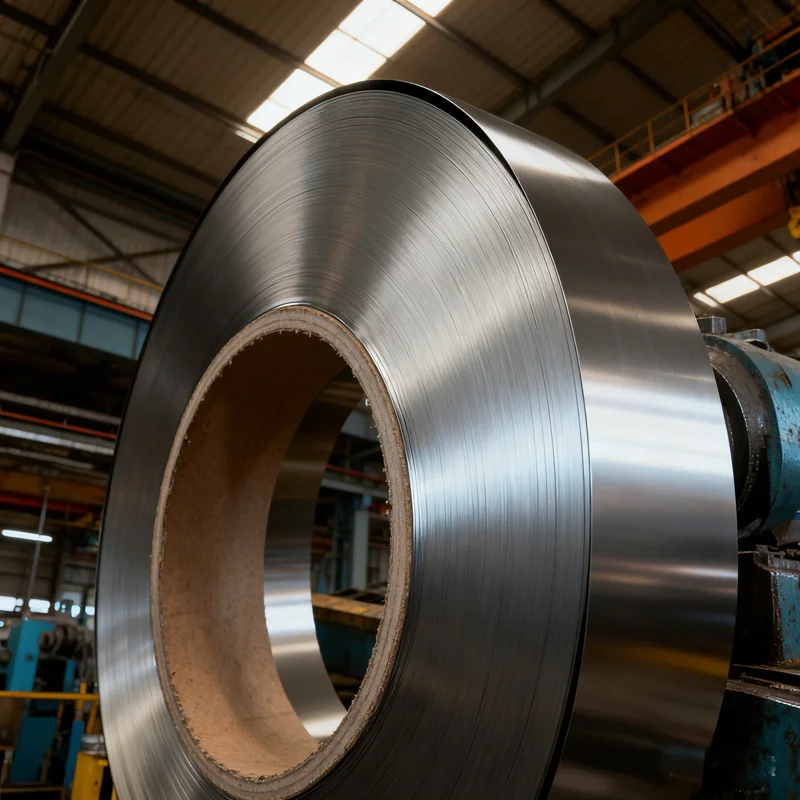
Understanding Stainless Steel Coil Composition and Properties
Fundamental Alloy Components
Stainless steel coil derives its exceptional properties from a carefully balanced combination of iron, chromium, nickel, and other alloying elements. The chromium content, typically ranging from 10.5% to 30%, creates a passive oxide layer on the surface that provides the material's signature corrosion resistance. Nickel additions, usually between 8% to 20%, enhance ductility and formability while improving resistance to acidic environments. Additional elements like molybdenum, titanium, and nitrogen are incorporated to achieve specific performance characteristics required for specialized applications.
The microstructure of stainless steel coil varies depending on the grade and heat treatment applied during manufacturing. Austenitic grades, such as 304 and 316, maintain a face-centered cubic crystal structure that provides excellent formability and weldability. Ferritic grades offer magnetic properties and enhanced stress corrosion cracking resistance, while martensitic variants provide higher strength levels through controlled cooling processes. Understanding these compositional differences enables engineers to select the most appropriate grade for their specific application requirements.
Mechanical and Physical Characteristics
The mechanical properties of stainless steel coil make it suitable for demanding structural applications. Tensile strengths typically range from 515 MPa to over 1000 MPa depending on the grade and temper condition. The material exhibits excellent elongation properties, often exceeding 40% in annealed conditions, which facilitates complex forming operations without cracking or failure. Yield strength values vary significantly across different grades, with austenitic types generally showing lower yield strengths but superior work hardening characteristics.
Temperature resistance represents another crucial advantage of stainless steel coil applications. Most austenitic grades maintain structural integrity at temperatures exceeding 800°C, while specialized high-temperature alloys can withstand continuous exposure to 1000°C or higher. The material's thermal expansion coefficient remains relatively stable across wide temperature ranges, making it ideal for applications involving thermal cycling. Additionally, the low magnetic permeability of austenitic grades makes them suitable for electronic and medical device applications where magnetic interference must be minimized.
Manufacturing Process and Production Methods
Primary Melting and Refining Operations
The production of stainless steel coil begins with sophisticated melting processes that ensure precise chemical composition control. Electric arc furnaces melt recycled stainless steel scrap along with virgin raw materials, reaching temperatures exceeding 1600°C to achieve complete dissolution of all alloying elements. Argon oxygen decarburization refining follows the initial melt, removing excess carbon and adjusting final chemistry to meet stringent specification requirements. Advanced ladle metallurgy techniques allow for fine-tuning of composition and temperature before casting operations commence.
Continuous casting technology transforms the refined liquid steel into solid slabs or billets that serve as feedstock for subsequent rolling operations. The casting process involves controlled cooling through water-cooled copper molds, creating uniform microstructures essential for consistent mechanical properties. Quality control measures during casting include real-time temperature monitoring, electromagnetic stirring to prevent segregation, and ultrasonic testing to detect internal defects. These processes ensure that the raw material meets the demanding standards required for high-quality coil production.
Hot Rolling and Cold Reduction Processes
Hot rolling operations reduce cast slabs to intermediate thicknesses while maintaining elevated temperatures between 1000°C and 1200°C. Multiple passes through progressively smaller roll gaps achieve the desired thickness reduction while ensuring uniform gauge control across the material width. Scale removal systems eliminate oxide formation between passes, preventing surface defects that could compromise final product quality. The hot rolling process also helps homogenize the microstructure and eliminate casting-related inhomogeneities that might affect subsequent processing steps.
Cold rolling follows hot rolling to achieve final thickness specifications and superior surface finishes. This process involves multiple passes through precision rolling mills at ambient temperature, work hardening the material and improving dimensional accuracy. Intermediate annealing treatments may be applied between cold rolling passes to restore ductility and prevent excessive work hardening that could lead to processing difficulties. The final cold rolling pass determines surface roughness and mechanical properties, with careful control of rolling parameters ensuring consistent quality across the entire coil length.
Surface Finishing and Quality Control Standards
Annealing and Pickling Operations
Solution annealing treatments restore the optimal microstructure and mechanical properties of cold-worked stainless steel coil. Continuous annealing lines heat the material to temperatures between 1000°C and 1100°C in controlled atmospheres to prevent oxidation and maintain surface quality. Rapid cooling through water quenching locks in the desired austenitic structure while preventing carbide precipitation that could compromise corrosion resistance. Temperature uniformity across the coil width and length ensures consistent mechanical properties throughout the finished product.
Pickling processes remove heat tint and oxide scales formed during annealing operations using mixed acid solutions containing nitric and hydrofluoric acids. Advanced pickling lines incorporate multiple treatment stages with precise concentration control and temperature management to achieve uniform surface conditions. Thorough rinsing and neutralization steps follow acid treatment to eliminate residual chemicals that could cause staining or corrosion during storage and handling. Surface inspection systems monitor the effectiveness of pickling operations and detect any remaining surface defects that require additional treatment.
Dimensional Accuracy and Testing Protocols
Precision slitting operations convert wide master coils into narrower widths according to customer specifications. Advanced slitting lines incorporate laser-guided positioning systems and carbide cutting wheels to achieve edge quality and dimensional accuracy within tight tolerances. Burr removal and edge conditioning processes ensure smooth edges that facilitate subsequent forming operations without material damage or operator safety concerns. Automated width measurement systems provide continuous monitoring to maintain specification compliance throughout the slitting process.
Comprehensive quality control testing validates mechanical properties, chemical composition, and surface characteristics of finished stainless steel coil products. Tensile testing confirms yield strength, ultimate tensile strength, and elongation values meet specification requirements for each production lot. Corrosion resistance evaluation through salt spray testing and pitting resistance equivalent number calculations ensures adequate performance in corrosive environments. Surface roughness measurements and visual inspection protocols identify any cosmetic defects that might affect end-use applications or customer satisfaction.
Industrial Applications and Market Sectors
Automotive and Transportation Industries
The automotive sector represents one of the largest consumers of stainless steel coil, utilizing the material in exhaust systems, fuel tanks, and structural components. Exhaust manifolds and catalytic converter housings benefit from the high-temperature resistance and corrosion immunity provided by specialized stainless grades. Fuel injection systems require the precision forming capabilities and chemical compatibility offered by austenitic stainless steel coil products. Advanced high-strength grades are increasingly used in safety-critical structural applications where weight reduction and crashworthiness are paramount concerns.
Railway and marine transportation applications demand materials capable of withstanding harsh environmental conditions while maintaining structural integrity over extended service lives. Rolling stock components, including car bodies and underframes, utilize stainless steel coil for its excellent fatigue resistance and low maintenance requirements. Marine applications benefit from the superior pitting and crevice corrosion resistance provided by molybdenum-bearing grades. The material's ability to maintain appearance and performance in salt spray environments makes it ideal for both functional and aesthetic applications in transportation infrastructure.
Architecture and Construction Applications
Modern architectural applications increasingly specify stainless steel coil for both structural and decorative purposes in commercial and residential construction projects. Roofing and cladding systems utilize the material's weather resistance and low thermal expansion to create durable building envelopes that require minimal maintenance over their design life. Interior applications include elevator panels, handrails, and decorative trim elements where hygiene and appearance retention are critical requirements. The material's recyclability and long service life contribute to sustainable construction practices and green building certification programs.
Structural applications in aggressive environments particularly benefit from the corrosion resistance and strength properties of stainless steel coil. Coastal construction projects specify marine-grade alloys to prevent chloride-induced corrosion that would compromise structural integrity. Chemical processing facilities require materials that resist both general and localized corrosion while maintaining mechanical properties at elevated temperatures. The predictable performance characteristics and extensive design data available for stainless steel grades facilitate confident engineering analysis and code compliance in structural applications.
Selection Criteria and Specification Guidelines
Grade Selection for Specific Applications
Proper grade selection requires careful consideration of environmental conditions, mechanical loading, and processing requirements specific to each application. Austenitic grades like 304 and 316 provide excellent general-purpose performance for most applications involving moderate corrosion exposure and standard forming operations. Duplex grades offer superior strength and stress corrosion cracking resistance for demanding structural applications in chloride environments. Ferritic grades provide cost-effective solutions where high strength and magnetic properties are acceptable trade-offs for reduced nickel content.
Temperature exposure significantly influences grade selection, with standard austenitic grades suitable for intermittent exposure to 800°C and specialized heat-resistant alloys required for continuous high-temperature service. Cryogenic applications benefit from the retained ductility and toughness of austenitic stainless steels at extremely low temperatures. Chemical compatibility considerations may require specialized grades with enhanced resistance to specific corrosive media, such as super-austenitic alloys for aggressive acid environments or lean duplex grades for mildly corrosive conditions.
Surface Finish and Dimensional Requirements
Surface finish specifications must align with both functional and aesthetic requirements of the intended application. Mill finishes provide cost-effective solutions for applications where surface appearance is not critical, while polished finishes offer enhanced corrosion resistance and cleanability for sanitary applications. Brushed or directional finishes help conceal minor surface imperfections while providing acceptable appearance for architectural applications. Specialized finishes like embossed or patterned surfaces may be specified for slip resistance or decorative purposes in specific applications.
Dimensional tolerances affect both material costs and processing requirements for downstream manufacturing operations. Tighter thickness tolerances may be necessary for precision forming operations or applications where consistent mechanical properties are critical. Width and length specifications should account for trimming allowances and handling considerations during subsequent processing steps. Edge condition requirements, including burr limitations and edge radius specifications, influence slitting and finishing operations that add cost and lead time to the procurement process.
FAQ
What are the main differences between various stainless steel coil grades?
The primary differences between stainless steel coil grades lie in their chemical composition, microstructure, and resulting properties. Austenitic grades like 304 and 316 contain higher nickel content and offer excellent corrosion resistance and formability. Ferritic grades have lower nickel content, are magnetic, and provide good corrosion resistance at lower cost. Duplex grades combine austenitic and ferritic structures for higher strength and superior stress corrosion cracking resistance. Martensitic grades can be hardened through heat treatment to achieve high strength levels but have lower corrosion resistance compared to other families.
How does the manufacturing process affect stainless steel coil quality?
Manufacturing process control directly impacts the quality and consistency of stainless steel coil products. Precise melting and refining operations ensure chemical composition uniformity and minimize impurities that could affect corrosion resistance. Controlled rolling parameters maintain dimensional accuracy and surface quality while achieving desired mechanical properties. Annealing treatments restore optimal microstructures and eliminate work hardening effects from cold rolling. Pickling and finishing operations remove surface contaminants and provide the specified surface condition required for end-use applications.
What factors should be considered when selecting stainless steel coil for a specific application?
Key selection factors include environmental conditions such as temperature, humidity, and chemical exposure that will affect corrosion performance. Mechanical requirements including strength, ductility, and fatigue resistance must be evaluated against the loading conditions expected in service. Processing considerations such as forming, welding, and machining requirements influence grade selection and surface finish specifications. Cost considerations should balance initial material price against lifecycle costs including maintenance, replacement frequency, and end-of-life recyclability value.
How can users ensure proper handling and storage of stainless steel coil?
Proper handling requires clean lifting equipment and protective barriers to prevent surface contamination from carbon steel contact that could cause corrosion staining. Storage areas should provide protection from moisture accumulation while allowing adequate ventilation to prevent condensation formation. Coil separation using appropriate materials prevents galvanic contact and surface damage during stacking operations. Regular inspection during storage helps identify any surface deterioration that might affect subsequent processing or end-use performance. Temperature control in storage areas prevents thermal cycling that could affect dimensional stability in precision applications.
Table of Contents
- Understanding Stainless Steel Coil Composition and Properties
- Manufacturing Process and Production Methods
- Surface Finishing and Quality Control Standards
- Industrial Applications and Market Sectors
- Selection Criteria and Specification Guidelines
-
FAQ
- What are the main differences between various stainless steel coil grades?
- How does the manufacturing process affect stainless steel coil quality?
- What factors should be considered when selecting stainless steel coil for a specific application?
- How can users ensure proper handling and storage of stainless steel coil?