
 EN
EN
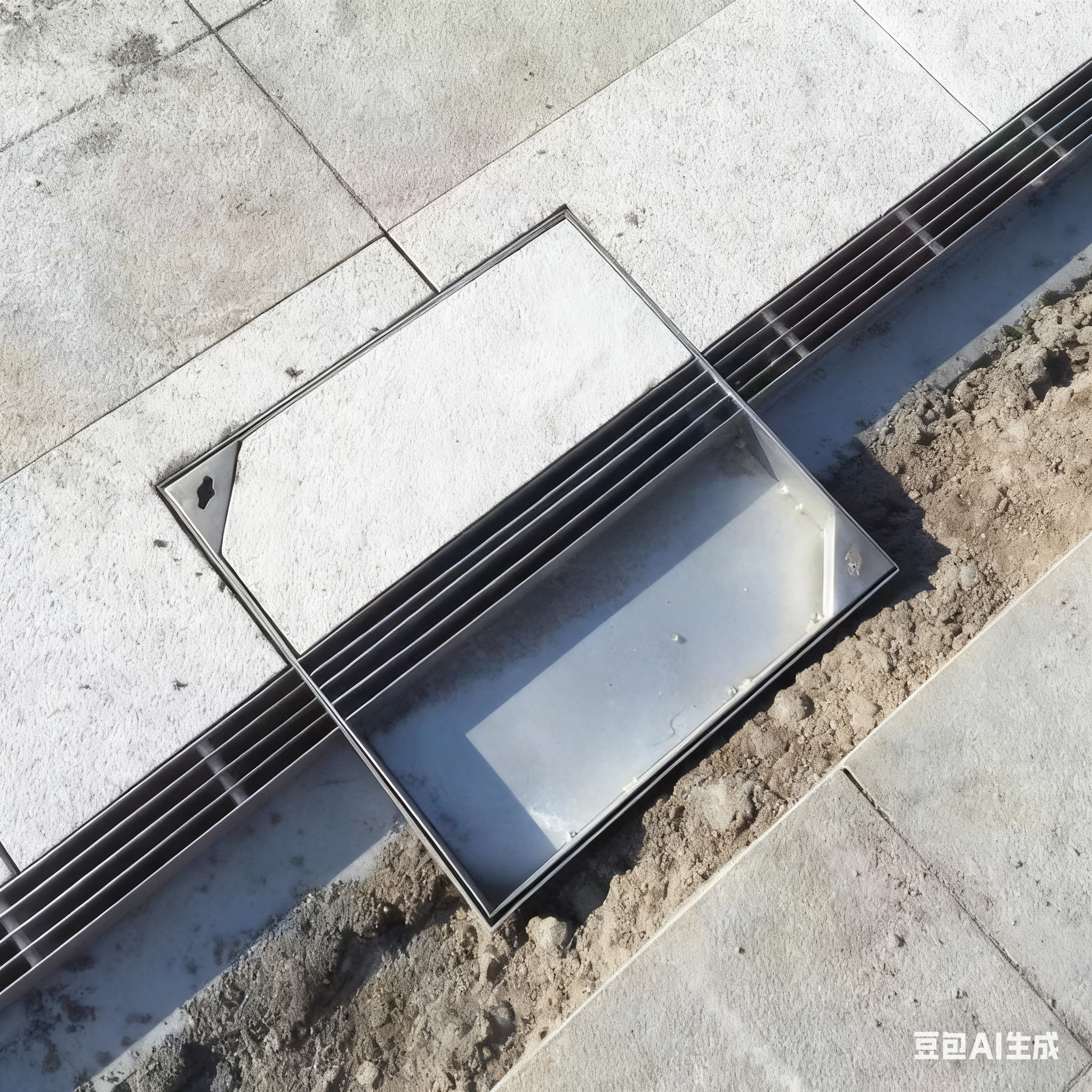
Urban infrastructure relies heavily on durable access solutions that can withstand decades of heavy traffic while maintaining their structural integrity. Among the various materials available for manhole covers, stainless steel has emerged as the premium choice for municipalities and contractors seeking long-term performance and minimal maintenance requirements. The selection of an appropriate stainless steel manhole cover involves careful consideration of load requirements, environmental conditions, and installation specifications to ensure optimal performance throughout its service life.
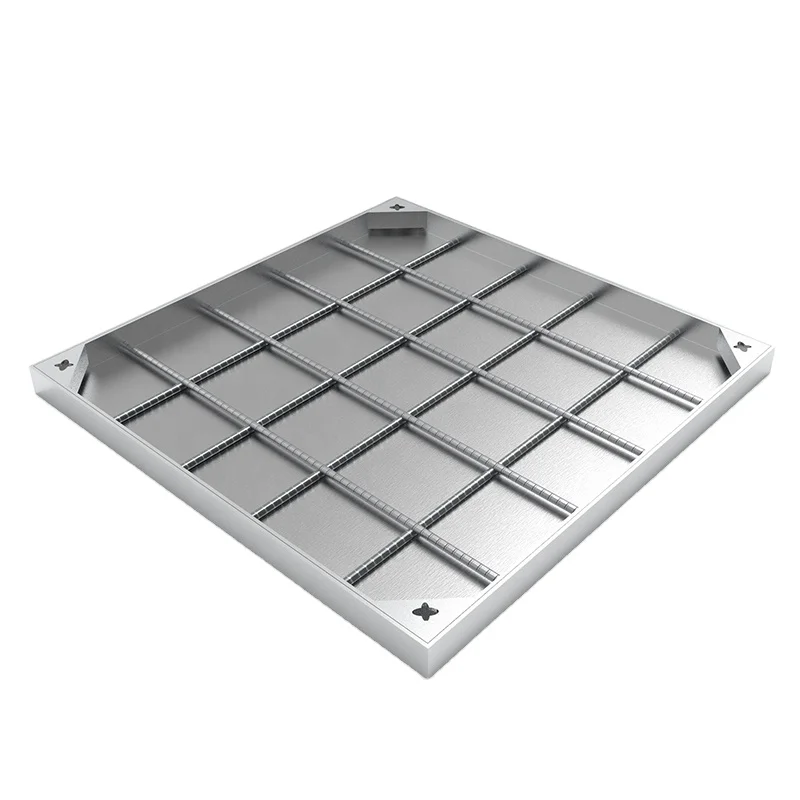
Material Properties and Durability Advantages
Corrosion Resistance in Harsh Environments
The inherent corrosion resistance of stainless steel makes it an exceptional choice for manhole covers exposed to various environmental challenges. Unlike traditional cast iron alternatives, stainless steel maintains its structural integrity when exposed to road salts, chemical runoff, and moisture variations throughout seasonal changes. This resistance extends the service life significantly, often reaching 50 years or more with minimal maintenance requirements.
Different grades of stainless steel offer varying levels of corrosion protection, with 316-grade steel providing superior performance in coastal areas where salt exposure is prevalent. The chromium content forms a passive oxide layer that self-repairs when damaged, ensuring continuous protection against rust and deterioration that commonly affects other materials.
Load-Bearing Capacity and Structural Performance
Modern stainless steel manhole covers are engineered to exceed standard load classifications, including Class A (pedestrian areas), Class B (light vehicle traffic), and Class D (heavy-duty applications). The material's high tensile strength and fatigue resistance make it suitable for high-traffic areas where repeated loading cycles occur daily.
The design flexibility of stainless steel allows manufacturers to optimize thickness distribution and reinforcement patterns, creating covers that meet specific load requirements while minimizing material usage. This engineering approach results in products that deliver exceptional performance-to-weight ratios compared to traditional alternatives.
Design Features and Installation Considerations
Seamless Integration and Aesthetic Appeal
Contemporary urban planning emphasizes the importance of infrastructure components that blend seamlessly with surrounding surfaces. A well-designed stainless steel manhole cover can be manufactured with concealed hinges and flush-mount designs that create clean, unobtrusive appearances in pedestrian areas and public spaces.
The surface finish options for stainless steel covers range from brushed textures that provide slip resistance to polished surfaces suitable for indoor applications. Custom patterning and texture applications can enhance both functionality and visual appeal while maintaining the material's inherent durability characteristics.
Security and Access Control Features
Security considerations play an increasingly important role in manhole cover selection, particularly in urban environments where unauthorized access poses safety and security risks. Stainless steel covers can incorporate various locking mechanisms, from simple lift-out designs to sophisticated keyed systems that prevent tampering while allowing authorized maintenance access.
The material's resistance to cutting and drilling makes stainless steel covers inherently more secure than softer materials. Additional security features such as tamper-evident seals and access logging systems can be integrated into the design to meet specific security requirements for critical infrastructure applications.
Application-Specific Selection Criteria
Traffic Classification and Load Requirements
Proper selection of a stainless steel manhole cover begins with accurate assessment of the intended application's load requirements. Pedestrian areas typically require Class A covers rated for 125 kN, while heavy vehicle traffic areas demand Class D covers capable of withstanding 400 kN loads without permanent deformation.
The frequency and type of traffic also influence material thickness and reinforcement requirements. High-frequency loading areas benefit from increased fatigue resistance through optimized grain structure and heat treatment processes that enhance the material's long-term performance characteristics.
Environmental and Chemical Exposure Factors
Environmental conditions significantly impact the performance and longevity of manhole covers, making material grade selection crucial for optimal results. Areas with high chloride exposure from road deicing operations require higher-grade stainless steel with enhanced pitting resistance.
Industrial environments may expose covers to specific chemicals that could affect certain stainless steel grades differently. Understanding the local environment's chemical exposure profile ensures selection of appropriate alloy compositions that will maintain performance throughout the expected service life.
Installation and Maintenance Best Practices
Proper Frame Integration and Sealing
Successful installation of stainless steel manhole covers requires careful attention to frame compatibility and sealing systems. The thermal expansion characteristics of stainless steel differ from cast iron, necessitating appropriate clearance calculations to prevent binding during temperature variations.
Sealing systems must accommodate both the material properties and the specific application requirements, particularly in areas where water infiltration could compromise underground infrastructure. Modern elastomeric seals provide reliable long-term performance when properly selected and installed according to manufacturer specifications.
Long-Term Maintenance Requirements
One of the primary advantages of stainless steel manhole covers is their minimal maintenance requirements compared to traditional materials. Regular inspection schedules can identify potential issues before they become problematic, typically focusing on seal integrity and locking mechanism functionality rather than material degradation.
Surface cleaning requirements are generally limited to removal of debris and occasional washing to maintain appearance. The material's resistance to staining and corrosion eliminates the need for protective coatings or regular refinishing that other materials require.
Cost Analysis and Value Proposition
Initial Investment Considerations
While the initial cost of a stainless steel manhole cover typically exceeds that of cast iron alternatives, the total cost of ownership often favors stainless steel when maintenance and replacement costs are considered over the product's service life. The extended durability and minimal maintenance requirements contribute to significant long-term savings.
Project budgeting should account for the reduced frequency of replacement and the elimination of maintenance-related traffic disruptions that can be costly in high-traffic areas. These indirect cost savings often justify the higher initial investment within the first decade of service.
Lifecycle Cost Benefits
The superior durability of stainless steel translates into reduced lifecycle costs through extended service intervals and minimal maintenance requirements. Traditional cast iron covers may require replacement every 15-20 years, while properly selected stainless steel covers can provide 50 years or more of reliable service.
Reduced maintenance frequency also contributes to improved safety records and lower liability exposure, as fewer maintenance interventions mean fewer opportunities for accidents or service disruptions. These factors contribute additional value beyond the direct material cost comparisons.
FAQ
What load rating should I select for my stainless steel manhole cover application?
Load rating selection depends on the specific traffic conditions where the cover will be installed. Class A covers are suitable for pedestrian areas and light vehicle access, while Class D covers are required for heavy truck traffic and industrial applications. Consult local building codes and traffic engineering standards to ensure compliance with minimum requirements for your specific location and application.
How does stainless steel performance compare to cast iron in freeze-thaw conditions?
Stainless steel demonstrates superior performance in freeze-thaw cycling due to its lower thermal expansion coefficient and resistance to crack propagation. Unlike cast iron, which can develop stress fractures from repeated thermal cycling, stainless steel maintains its structural integrity throughout temperature variations. This characteristic makes it particularly valuable in regions with significant seasonal temperature variations.
Can stainless steel manhole covers be customized for specific applications?
Yes, stainless steel manhole covers offer extensive customization options including size, shape, load rating, surface texture, and security features. Manufacturers can accommodate non-standard dimensions, integrate specific locking mechanisms, and apply custom surface treatments to meet unique application requirements. The material's workability allows for precise fabrication to match existing infrastructure or accommodate special installation constraints.
What maintenance is required to ensure long-term performance?
Stainless steel manhole covers require minimal maintenance compared to other materials. Regular inspection of sealing systems, cleaning of drainage channels, and verification of locking mechanism operation typically constitute the primary maintenance activities. The material itself does not require protective coatings or regular refinishing, significantly reducing long-term maintenance costs and service disruptions.
Table of Contents
- Material Properties and Durability Advantages
- Design Features and Installation Considerations
- Application-Specific Selection Criteria
- Installation and Maintenance Best Practices
- Cost Analysis and Value Proposition
-
FAQ
- What load rating should I select for my stainless steel manhole cover application?
- How does stainless steel performance compare to cast iron in freeze-thaw conditions?
- Can stainless steel manhole covers be customized for specific applications?
- What maintenance is required to ensure long-term performance?