
 EN
EN
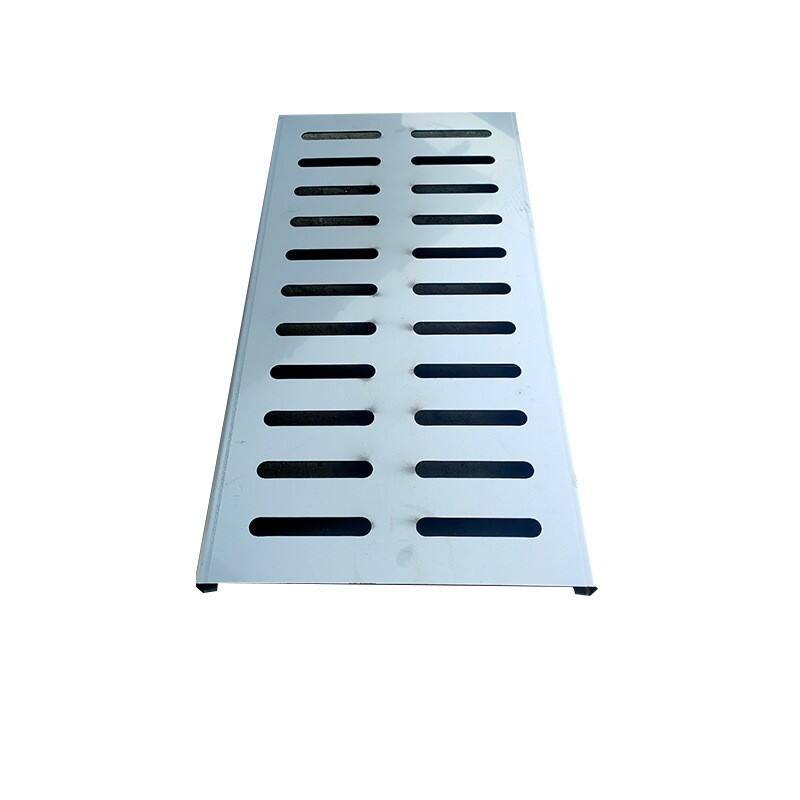
In industrial and commercial environments where heavy loads and constant traffic are the norm, selecting the right flooring and drainage solutions becomes critical for operational safety and efficiency. Stainless steel grating has emerged as the preferred choice for engineers and facility managers who demand superior performance under extreme conditions. This robust material combines exceptional strength characteristics with corrosion resistance properties that make it indispensable in high-load applications across various industries.
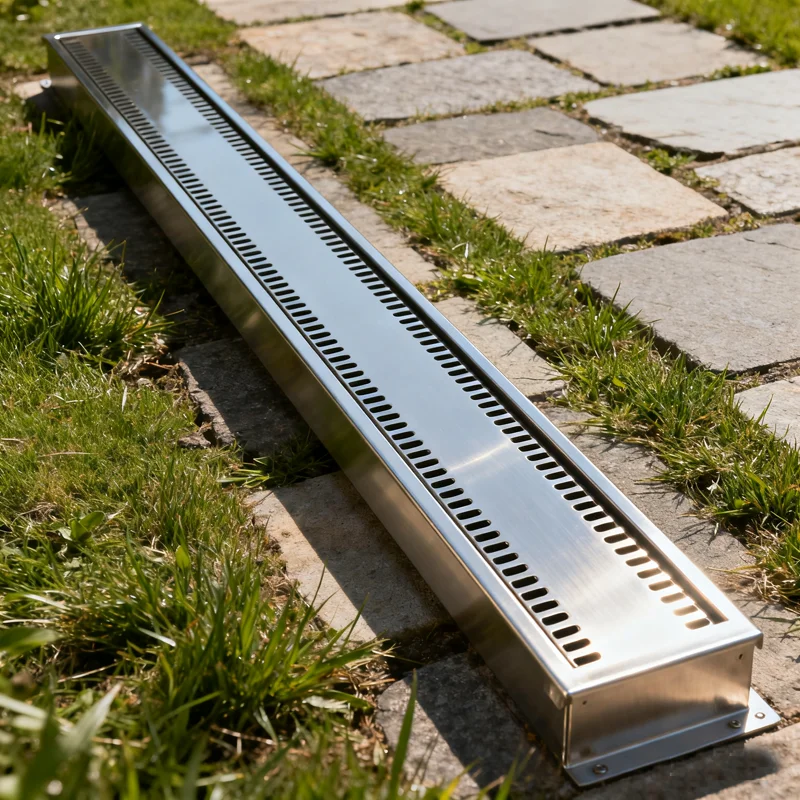
The engineering principles behind stainless steel grating design focus on distributing weight evenly across multiple load-bearing points while maintaining structural integrity under stress. Unlike traditional flooring materials that may crack or deform under pressure, stainless steel grating maintains its dimensional stability even when subjected to dynamic loads exceeding several thousand pounds per square foot. This reliability makes it essential for facilities handling heavy machinery, industrial equipment, and high-volume pedestrian traffic.
Structural Engineering Advantages
Load Distribution Mechanics
The inherent design of stainless steel grating creates an optimal load distribution network through its interconnected bar structure. Each bearing bar acts as a individual support beam while cross bars provide lateral stability and prevent deflection under concentrated loads. This engineering approach ensures that point loads are effectively transferred across the entire grating surface, reducing stress concentrations that could lead to material failure in conventional flooring systems.
Manufacturing processes for high-quality stainless steel grating involve precise welding techniques that create molecular bonds between intersecting bars. These welded connections form rigid joints capable of withstanding both static and dynamic loading conditions without compromising the overall structural integrity. The resulting grid pattern provides superior strength-to-weight ratios compared to solid steel plates of equivalent thickness.
Material Strength Properties
The metallurgical composition of stainless steel provides exceptional tensile strength and yield characteristics that exceed those of carbon steel and aluminum alternatives. Grade 304 and 316 stainless steel alloys commonly used in grating applications offer tensile strengths ranging from 75,000 to 85,000 pounds per square inch, ensuring reliable performance under extreme loading conditions.
Fatigue resistance represents another critical advantage of stainless steel grating in high-load environments. The material's ability to withstand repeated stress cycles without developing micro-cracks or structural weakening makes it ideal for applications involving continuous vibration, impact loading, or thermal expansion and contraction. This durability translates to extended service life and reduced maintenance requirements in demanding industrial settings.
Corrosion Resistance in Demanding Environments
Chemical Compatibility
High-load industrial environments often expose flooring materials to aggressive chemicals, cleaning agents, and corrosive substances that can rapidly degrade conventional materials. Stainless steel grating demonstrates exceptional resistance to a wide range of chemical exposures, including acids, alkalis, and organic solvents commonly found in manufacturing and processing facilities.
The chromium content in stainless steel forms a passive oxide layer that self-repairs when damaged, providing continuous protection against corrosion initiation. This passive layer remains stable across varying pH levels and temperature ranges, ensuring consistent performance in challenging chemical environments where other materials would require frequent replacement or protective coatings.
Environmental Durability
Outdoor and semi-outdoor high-load applications subject stainless steel grating to weather-related stresses including moisture, temperature fluctuations, and UV exposure. The material's inherent weather resistance eliminates concerns about rust formation, surface degradation, or structural weakening that plague ferrous metals in similar applications. This durability proves particularly valuable in loading docks, outdoor walkways, and equipment platforms exposed to the elements.
Salt spray and marine environments present additional challenges for structural materials, but stainless steel grating maintains its integrity even in coastal industrial facilities. The chloride resistance of higher-grade stainless steel alloys prevents pitting corrosion and stress corrosion cracking that can compromise load-bearing capacity in lesser materials.
Safety Performance Characteristics
Slip Resistance Properties
Worker safety in high-load environments requires flooring surfaces that maintain adequate traction even when wet or contaminated with industrial fluids. Stainless steel grating provides inherent slip resistance through its open grid design, which allows liquids to drain through the surface rather than creating hazardous puddles or slick conditions on solid flooring.
The serrated or diamond-pattern bearing bars available in many stainless steel grating configurations enhance surface friction and provide additional grip for foot traffic and wheeled equipment. These surface textures maintain their effectiveness over extended service periods without requiring special treatments or periodic renewal like applied slip-resistant coatings.
Fire Safety Compliance
Industrial facilities handling heavy loads often involve processes that present fire hazards, making material selection critical for emergency evacuation and fire suppression access. Stainless steel grating offers complete fire resistance with no combustible components or toxic gas emissions during exposure to high temperatures. This characteristic ensures that evacuation routes and emergency access platforms remain structurally sound during fire incidents.
The open design of stainless steel grating facilitates fire suppression system effectiveness by allowing sprinkler water and foam agents to reach lower levels without obstruction. This feature proves particularly important in multi-level industrial facilities where fire suppression coverage must penetrate through flooring systems to reach all areas effectively.
Installation and Maintenance Considerations
Installation Flexibility
The modular nature of stainless steel grating systems allows for flexible installation approaches that accommodate various structural configurations and load requirements. Standard panel sizes can be easily cut, welded, or mechanically fastened to create custom configurations that fit specific facility layouts without compromising structural performance.
Support spacing calculations for stainless steel grating installations depend on anticipated load conditions, with closer spacing required for heavier loads or dynamic loading applications. Engineering support from manufacturers helps ensure proper specification of both grating thickness and support requirements for specific high-load applications.
Long-term Maintenance
Maintenance requirements for stainless steel grating in high-load environments remain minimal compared to alternative flooring systems. Regular cleaning with standard industrial detergents maintains appearance and prevents accumulation of debris that could affect drainage performance, but no special protective treatments or periodic refinishing is required.
Inspection procedures for stainless steel grating focus on checking connection integrity at support points and verifying that drainage openings remain clear of obstructions. The material's resistance to fatigue and corrosion means that structural degradation occurs gradually over decades rather than years, allowing for predictable maintenance planning and replacement scheduling.
Economic Benefits and ROI
Lifecycle Cost Analysis
Initial investment costs for stainless steel grating typically exceed those of alternative materials, but lifecycle cost analysis consistently demonstrates superior economic returns through reduced maintenance, longer service life, and avoided replacement costs. Facilities operating under high-load conditions experience particularly favorable economics due to the material's resistance to wear and structural damage.
Operational benefits include reduced downtime for flooring repairs or replacements, elimination of coating or treatment renewal costs, and decreased liability exposure from slip-and-fall incidents. These factors combine to generate significant cost savings over the typical 20-30 year service life of properly installed stainless steel grating systems.
Performance Reliability
The predictable performance characteristics of stainless steel grating enable facility managers to plan maintenance schedules and budget allocations with greater accuracy. Unlike materials that may fail suddenly or require emergency replacement, stainless steel grating provides consistent service throughout its extended operational life.
Quality assurance programs from reputable manufacturers include load testing certification and material composition verification that guarantee performance specifications. This reliability reduces risk exposure for facility operators and provides confidence in long-term operational planning for critical infrastructure applications.
FAQ
What load capacities can stainless steel grating handle in industrial applications
Stainless steel grating can typically handle uniform loads ranging from 100 to 500 pounds per square foot depending on bar spacing, thickness, and support configuration. For concentrated loads, properly designed installations can support several thousand pounds at individual points. Load capacity calculations should always be verified by qualified engineers based on specific application requirements and safety factors appropriate for the intended use.
How does the cost of stainless steel grating compare to carbon steel alternatives
Initial material costs for stainless steel grating typically run 150-200% higher than carbon steel equivalents, but lifecycle costs often favor stainless steel due to eliminated coating maintenance, longer service life, and superior corrosion resistance. In high-load environments with aggressive conditions, the cost differential narrows significantly when factoring replacement frequency and operational downtime costs associated with carbon steel failure.
What maintenance procedures are required for stainless steel grating in heavy-duty applications
Maintenance requirements are minimal and typically involve periodic cleaning with standard industrial detergents, inspection of support connections, and clearing of drainage openings. No protective coatings or surface treatments are required. Annual inspections should verify structural integrity and check for any loose connections at support points. Heavy-duty applications may require more frequent cleaning to prevent debris accumulation that could affect drainage performance.
Can stainless steel grating be customized for specific load requirements and dimensions
Yes, stainless steel grating can be extensively customized through variations in bar thickness, spacing, overall dimensions, and support configurations to meet specific load requirements. Manufacturers typically offer engineering support to optimize designs for particular applications. Custom fabrication options include non-standard panel sizes, special cutouts for equipment penetrations, and integration with structural support systems to achieve required load capacities.
Table of Contents
- Structural Engineering Advantages
- Corrosion Resistance in Demanding Environments
- Safety Performance Characteristics
- Installation and Maintenance Considerations
- Economic Benefits and ROI
-
FAQ
- What load capacities can stainless steel grating handle in industrial applications
- How does the cost of stainless steel grating compare to carbon steel alternatives
- What maintenance procedures are required for stainless steel grating in heavy-duty applications
- Can stainless steel grating be customized for specific load requirements and dimensions