
 EN
EN
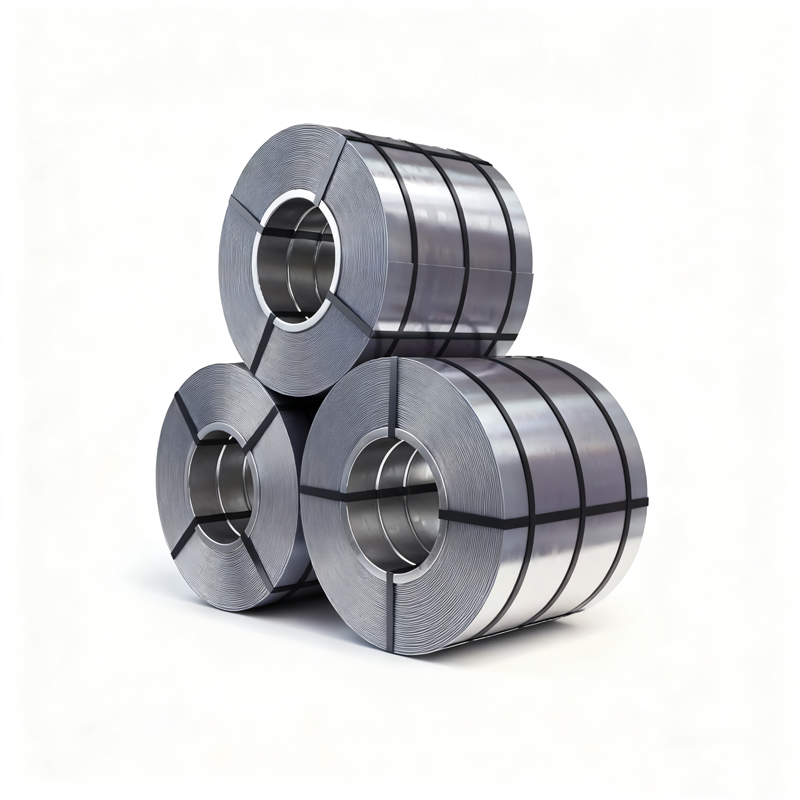
Manufacturing industries worldwide continuously seek materials that enhance production efficiency while maintaining superior quality standards. Among the most versatile and reliable materials available today, stainless steel coil stands as a cornerstone of modern manufacturing processes. This premium material offers exceptional durability, corrosion resistance, and formability that directly translate into improved operational efficiency across diverse industrial applications.
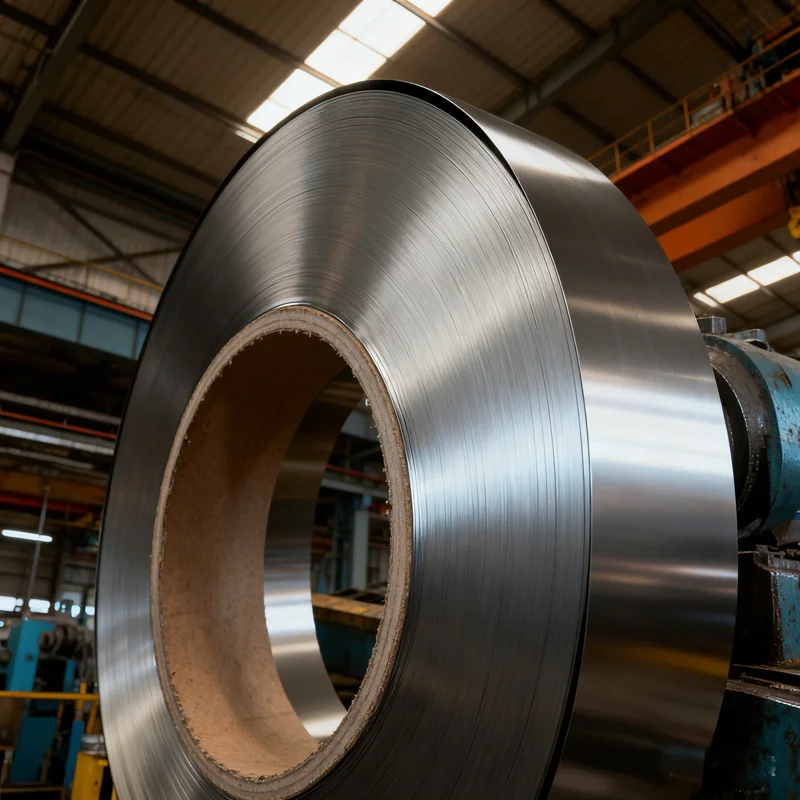
The strategic implementation of high-grade stainless steel materials in manufacturing operations creates measurable improvements in production timelines, quality control, and cost management. Industries ranging from automotive and aerospace to food processing and construction have discovered that incorporating premium stainless steel coil into their workflows results in significant competitive advantages. Understanding how this material transforms manufacturing efficiency requires examining its unique properties and practical applications across various industrial sectors.
Material Properties That Drive Manufacturing Excellence
Superior Corrosion Resistance and Longevity
The exceptional corrosion resistance of stainless steel coil fundamentally transforms manufacturing efficiency by eliminating frequent material replacements and reducing maintenance downtime. This inherent property stems from the chromium content that forms a protective oxide layer on the surface, preventing rust and deterioration even in challenging environmental conditions. Manufacturing facilities utilizing this material experience significantly reduced equipment failure rates and extended operational lifespans for their production components.
Industries operating in harsh environments particularly benefit from these corrosion-resistant properties. Chemical processing plants, marine equipment manufacturers, and food production facilities report substantial cost savings when implementing stainless steel coil solutions. The material maintains its structural integrity and appearance over extended periods, reducing the need for protective coatings and frequent inspections that typically consume valuable production time.
Exceptional Formability and Processing Characteristics
Manufacturing efficiency gains significant momentum through the superior formability characteristics inherent in quality stainless steel coil products. The material's ability to undergo complex forming operations without cracking or compromising structural integrity allows manufacturers to create intricate components in fewer processing steps. This streamlined approach reduces production time, minimizes material waste, and decreases the likelihood of defects that require costly rework procedures.
Advanced forming techniques such as deep drawing, stamping, and roll forming achieve optimal results when working with properly specified stainless steel materials. The consistent grain structure and controlled mechanical properties ensure predictable behavior during manufacturing processes, enabling precise quality control and reducing variability in finished products. This predictability allows production managers to optimize cycle times and maintain consistent output quality across large production runs.
Process Optimization Through Strategic Material Selection
Streamlined Production Workflows
Strategic selection of appropriate stainless steel coil grades enables manufacturers to consolidate multiple processing steps into more efficient workflows. The material's versatility allows for simultaneous forming, cutting, and finishing operations that would traditionally require separate production stages. This consolidation reduces handling time, minimizes work-in-process inventory, and accelerates overall production throughput while maintaining stringent quality standards.
Production planning becomes more straightforward when utilizing materials with consistent properties and predictable behavior. Manufacturing engineers can develop standardized procedures that optimize equipment utilization and reduce setup times between different product runs. The uniform characteristics of high-quality stainless steel coil enable batch processing strategies that maximize productivity while ensuring consistent dimensional accuracy and surface finish quality.
Quality Control Integration and Consistency
The implementation of premium stainless steel coil in manufacturing processes creates opportunities for enhanced quality control integration throughout production workflows. The material's consistent composition and mechanical properties enable real-time monitoring systems to detect variations more accurately, preventing defective products from advancing through subsequent processing stages. This early detection capability significantly reduces waste generation and rework requirements.
Quality assurance protocols benefit from the traceable characteristics inherent in certified stainless steel materials. Each coil typically includes comprehensive documentation detailing chemical composition, mechanical properties, and processing history, enabling manufacturers to maintain detailed quality records that support regulatory compliance and customer requirements. This documentation streamlines audit processes and provides valuable data for continuous improvement initiatives.
Cost-Effectiveness and Return on Investment Analysis
Operational Cost Reduction Strategies
Manufacturing facilities implementing high-grade stainless steel coil solutions consistently report substantial operational cost reductions through decreased maintenance requirements and extended equipment life cycles. The material's resistance to wear, corrosion, and fatigue translates directly into reduced replacement part expenses and fewer unscheduled production shutdowns. These savings compound over time, creating significant improvements in overall operational profitability.
Energy efficiency improvements also contribute to operational cost reductions when utilizing optimized stainless steel materials. The material's thermal properties enable more efficient heat transfer in applications such as heat exchangers and processing equipment, reducing energy consumption while maintaining optimal operating temperatures. Additionally, the smooth surface finish achievable with quality stainless steel reduces friction in moving components, further contributing to energy savings.
Long-term Investment Value and Lifecycle Benefits
The superior lifecycle performance of stainless steel coil creates compelling long-term investment value for manufacturing operations. While initial material costs may exceed those of alternative materials, the extended service life and reduced maintenance requirements generate substantial cost savings over the equipment's operational lifetime. This favorable cost structure improves return on investment calculations and supports capital expenditure justifications.
Resale value retention represents another significant financial advantage of stainless steel materials. Equipment manufactured with high-grade stainless steel typically maintains higher residual values compared to alternatives, providing additional financial benefits when facilities upgrade or reconfigure their production capabilities. This retained value supports asset management strategies and improves overall financial performance metrics for manufacturing organizations.
Industry-Specific Applications and Performance Benefits
Automotive Manufacturing Integration
The automotive industry has embraced stainless steel coil applications to meet increasingly demanding performance requirements while improving manufacturing efficiency. Exhaust systems, structural components, and decorative trim elements manufactured from stainless steel demonstrate superior durability and appearance retention compared to traditional materials. These performance advantages enable automotive manufacturers to offer extended warranties while reducing warranty claim expenses.
Lightweighting initiatives in automotive manufacturing benefit significantly from advanced stainless steel grades that provide superior strength-to-weight ratios. These materials enable the production of thinner components that maintain structural integrity while reducing overall vehicle weight. The resulting fuel efficiency improvements align with environmental regulations and consumer preferences, creating additional market advantages for manufacturers utilizing optimized stainless steel solutions.
Food Processing and Pharmaceutical Applications
Food processing and pharmaceutical manufacturing operations require materials that meet stringent hygiene and safety standards while maintaining operational efficiency. Stainless steel coil provides the ideal combination of corrosion resistance, cleanability, and durability necessary for these demanding applications. The non-porous surface prevents bacterial growth and facilitates thorough cleaning procedures, ensuring compliance with regulatory requirements.
Processing equipment manufactured from appropriate stainless steel grades demonstrates excellent resistance to cleaning chemicals and sterilization procedures commonly used in food and pharmaceutical facilities. This chemical resistance prevents material degradation that could contaminate products or compromise equipment performance. Manufacturing efficiency improvements result from reduced cleaning time requirements and extended intervals between equipment replacement cycles.
Implementation Best Practices and Considerations
Material Selection Criteria and Specifications
Successful implementation of stainless steel coil in manufacturing applications requires careful consideration of material specifications and environmental conditions. Grade selection must account for factors such as temperature exposure, chemical contact, mechanical stress levels, and appearance requirements. Consulting with materials specialists ensures optimal grade selection that maximizes performance while controlling costs.
Surface finish requirements significantly impact both manufacturing efficiency and final product performance. Different finish options provide varying levels of corrosion resistance, cleanability, and aesthetic appeal. Understanding the relationship between surface finish specifications and intended applications enables manufacturers to optimize material selection for specific production requirements while maintaining cost-effectiveness.
Process Integration and Equipment Considerations
Integrating stainless steel coil processing into existing manufacturing workflows requires careful evaluation of equipment capabilities and process parameters. Forming equipment must be properly configured to accommodate the material's strength characteristics while preventing surface damage or dimensional distortion. Investment in appropriate tooling and equipment modifications often proves necessary to achieve optimal processing results.
Training programs for production personnel ensure proper handling and processing techniques that maximize material performance while minimizing waste generation. Understanding the unique characteristics of stainless steel materials enables operators to optimize processing parameters and identify potential issues before they impact production quality. This knowledge transfer creates sustained improvements in manufacturing efficiency and product consistency.
FAQ
What factors determine the optimal grade of stainless steel coil for specific manufacturing applications
The selection of appropriate stainless steel coil grades depends on several critical factors including operating temperature ranges, chemical exposure conditions, mechanical stress requirements, and aesthetic specifications. Corrosive environments typically require higher chromium and nickel content grades such as 316 or 316L, while standard applications may utilize 304 grade materials. Manufacturing engineers should also consider formability requirements, weldability needs, and magnetic property specifications when determining optimal material grades for specific production applications.
How does stainless steel coil contribute to sustainable manufacturing practices
Stainless steel coil supports sustainable manufacturing initiatives through its exceptional recyclability and extended service life characteristics. The material can be recycled indefinitely without degradation of its fundamental properties, reducing raw material consumption and waste generation. Additionally, the longevity of stainless steel components reduces replacement frequency, minimizing environmental impact associated with manufacturing and transportation of replacement parts. Energy efficiency improvements in processing equipment further contribute to reduced environmental footprint.
What quality certifications should manufacturers require when sourcing stainless steel coil
Manufacturers should require comprehensive quality certifications including mill test certificates that document chemical composition, mechanical properties, and dimensional tolerances. ISO 9001 certification from suppliers ensures consistent quality management systems, while specific industry certifications such as ASTM, EN, or JIS standards provide additional assurance of material compliance. Third-party inspection certificates and traceability documentation enable comprehensive quality control and support regulatory compliance requirements in critical applications.
How can manufacturers optimize inventory management when implementing stainless steel coil solutions
Effective inventory management for stainless steel materials requires balancing cost optimization with production flexibility needs. Just-in-time delivery arrangements with qualified suppliers can reduce carrying costs while ensuring material availability. Implementing vendor-managed inventory programs allows suppliers to maintain optimal stock levels based on production forecasts and historical usage patterns. Additionally, standardizing on fewer material grades and specifications can simplify inventory management while maintaining design flexibility through strategic material selection.
Table of Contents
- Material Properties That Drive Manufacturing Excellence
- Process Optimization Through Strategic Material Selection
- Cost-Effectiveness and Return on Investment Analysis
- Industry-Specific Applications and Performance Benefits
- Implementation Best Practices and Considerations
-
FAQ
- What factors determine the optimal grade of stainless steel coil for specific manufacturing applications
- How does stainless steel coil contribute to sustainable manufacturing practices
- What quality certifications should manufacturers require when sourcing stainless steel coil
- How can manufacturers optimize inventory management when implementing stainless steel coil solutions