
 EN
EN
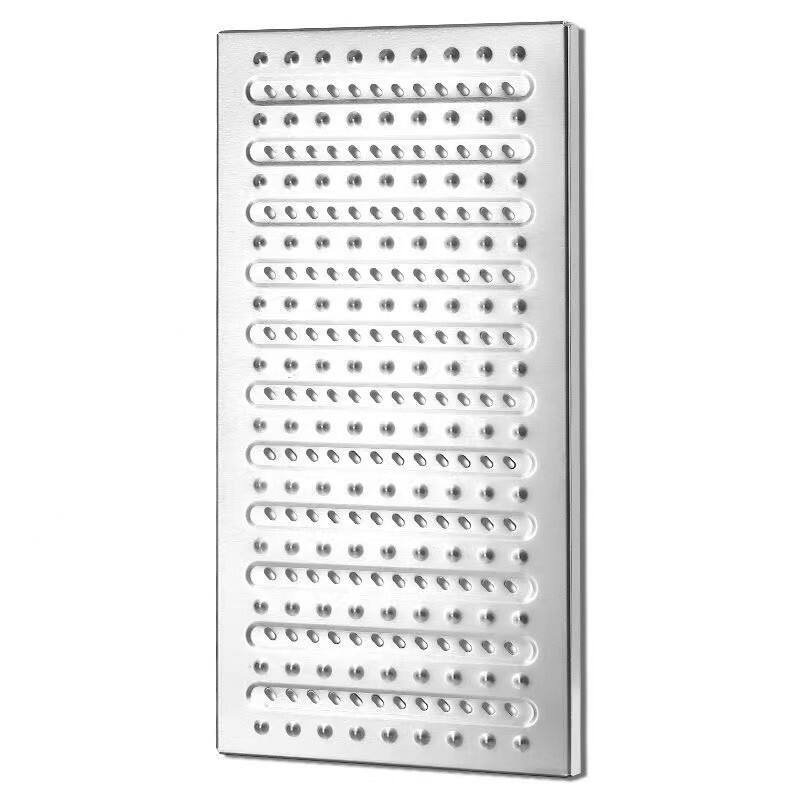
Modern infrastructure demands materials that deliver exceptional performance while maintaining safety standards and aesthetic appeal. In industrial, commercial, and residential applications, effective drainage solutions play a critical role in preventing water accumulation, structural damage, and safety hazards. Advanced metal building materials have revolutionized how architects and engineers approach these challenges, with innovative solutions offering superior durability and functionality across diverse environments.
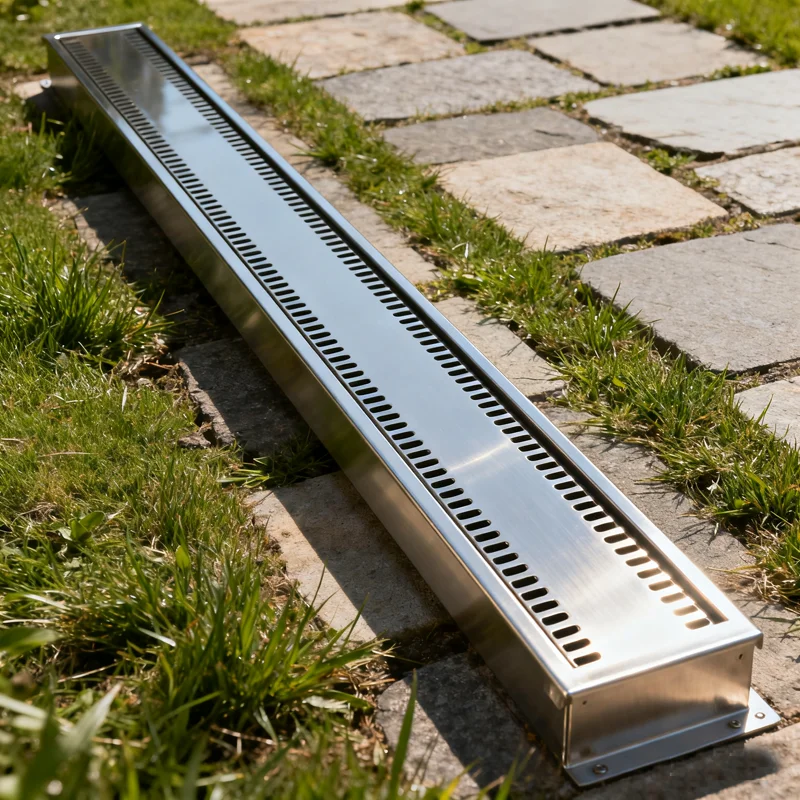
The construction industry has witnessed significant advancements in drainage technology, particularly in materials that combine strength, corrosion resistance, and long-term reliability. These developments have transformed traditional approaches to water management systems, offering solutions that not only address immediate drainage needs but also provide enhanced safety features for pedestrians and vehicles. Understanding where these applications prove most beneficial helps facility managers and designers make informed decisions about infrastructure investments.
Industrial Applications and Manufacturing Facilities
Heavy-Duty Manufacturing Environments
Manufacturing facilities face unique challenges regarding drainage and safety, particularly in areas where heavy machinery operates and chemical processes occur. The robust construction of premium drainage materials ensures reliable performance under extreme conditions, including exposure to industrial chemicals, high temperatures, and constant heavy traffic. These environments require solutions that maintain structural integrity while providing slip-resistant surfaces for worker safety.
In automotive manufacturing plants, for instance, drainage systems must handle coolants, oils, and cleaning solutions while supporting the weight of production equipment. The open-grid design allows liquids to flow freely while providing stable footing for workers and machinery. This dual functionality proves essential in maintaining production efficiency and workplace safety standards mandated by occupational health regulations.
Chemical Processing and Pharmaceutical Industries
Chemical processing facilities demand drainage solutions that resist corrosion from aggressive substances while maintaining hygienic standards. The non-porous surface characteristics of high-grade materials prevent contamination and facilitate thorough cleaning protocols required in pharmaceutical manufacturing. These properties become particularly important in clean room environments where contamination control directly impacts product quality and regulatory compliance.
The self-draining capabilities of properly designed grating systems eliminate standing water that could harbor bacteria or create slip hazards. This feature proves invaluable in pharmaceutical facilities where strict sanitation requirements must be maintained throughout production areas. Additionally, the load-bearing capacity supports heavy equipment while ensuring personnel safety during routine maintenance and cleaning operations.
Commercial and Public Infrastructure
Urban Drainage Systems and Street Applications
Urban environments present complex drainage challenges due to varying traffic loads, weather conditions, and maintenance requirements. Municipal engineers increasingly specify stainless steel grating for street drainage applications because of its exceptional durability and low maintenance requirements. The material's resistance to de-icing chemicals and road salt prevents premature deterioration that commonly affects traditional drainage materials.
Public safety considerations drive many municipal specifications, as pedestrian and vehicle traffic require reliable, non-slip surfaces year-round. The open design provides visual confirmation of proper drainage function while preventing debris accumulation that could lead to flooding during heavy rainfall events. This transparency in function helps maintenance crews identify potential issues before they become costly problems affecting public safety and infrastructure integrity.
Shopping Centers and Commercial Complexes
Retail environments prioritize both functionality and aesthetics, requiring drainage solutions that complement architectural design while ensuring customer safety. The sleek appearance of polished metal surfaces integrates seamlessly with modern commercial architecture, while the practical benefits address liability concerns related to slip-and-fall incidents. Property managers appreciate the long-term cost benefits of materials that maintain their appearance and performance over decades of use.
Loading dock areas in commercial facilities experience particularly demanding conditions, with frequent truck traffic and exposure to weather elements. The high load-bearing capacity and corrosion resistance ensure reliable performance in these critical areas where operational efficiency depends on consistent functionality. The ease of cleaning and maintenance also reduces operational costs while maintaining professional appearance standards expected in commercial environments.
Residential and Landscape Applications
Outdoor Living Spaces and Pool Areas
Residential applications increasingly incorporate professional-grade drainage solutions to enhance outdoor living experiences while protecting property investments. Pool deck drainage requires materials that withstand constant moisture exposure while providing safe walking surfaces for swimmers and guests. The chlorine resistance and non-slip properties make these materials ideal for aquatic environments where safety and durability are paramount concerns.
Patio and deck applications benefit from the aesthetic appeal of high-quality metal grating that complements contemporary outdoor design trends. The ability to handle seasonal weather variations without degradation ensures long-term performance that justifies initial investment costs. Homeowners appreciate the low maintenance requirements compared to traditional drainage materials that may require frequent replacement or repair.
Garden and Landscape Drainage
Landscape architects specify premium drainage materials for projects where both function and visual impact matter. Garden pathways and water feature applications require solutions that blend with natural environments while providing reliable water management. The neutral metallic finish coordinates with various landscape design styles, from modern minimalist to traditional garden settings.
Slope stabilization and erosion control applications benefit from the structural integrity of metal grating systems that can be integrated with vegetation for sustainable landscape solutions. The permeability allows natural water infiltration while preventing soil erosion, supporting environmental goals while addressing practical drainage needs. This dual benefit appeals to environmentally conscious property owners seeking sustainable infrastructure solutions.
Safety Features and Performance Advantages
Slip Resistance and Pedestrian Safety
Safety performance in drainage applications extends beyond basic water removal to encompass pedestrian protection and accident prevention. The textured surface patterns and open-grid design provide natural slip resistance that remains effective in wet conditions, addressing primary liability concerns for property owners and facility managers. Testing standards demonstrate superior performance compared to solid surface alternatives, particularly in high-traffic pedestrian areas.
The self-cleaning action of flowing water through grating openings prevents the accumulation of debris, algae, or other materials that could compromise traction. This automatic maintenance feature ensures consistent safety performance throughout varying weather conditions and seasonal changes. The visibility of water flow also provides visual confirmation that drainage systems are functioning properly, allowing for proactive maintenance when needed.
Load-Bearing Capacity and Structural Integrity
Engineering specifications for drainage grating must account for various load scenarios, from pedestrian traffic to heavy vehicle access. The structural design of quality metal grating systems provides exceptional load distribution while maintaining lightweight characteristics that simplify installation and reduce structural support requirements. This combination of strength and efficiency makes these solutions cost-effective for projects with varying load requirements.
Impact resistance proves particularly important in industrial settings where equipment movement or accidental impacts may occur. The resilient properties of properly manufactured grating prevent cracking or deformation that could create safety hazards or compromise drainage performance. This durability extends service life while maintaining safety standards throughout the operational period, providing reliable return on investment for infrastructure projects.
Maintenance and Long-Term Performance
Cleaning and Sanitization Requirements
Maintenance considerations significantly impact the total cost of ownership for drainage systems, making ease of cleaning a critical specification factor. The smooth, non-porous surface characteristics facilitate thorough cleaning using standard pressure washing or chemical sanitization methods required in food processing, healthcare, and pharmaceutical applications. The resistance to bacterial growth and chemical absorption ensures compliance with strict hygiene standards.
Routine maintenance procedures become simplified when drainage materials resist staining, corrosion, and biological growth. The ability to restore original appearance through basic cleaning eliminates the need for specialized treatments or frequent replacement that increases operational costs. This maintenance efficiency particularly benefits facilities with extensive drainage systems where labor costs for upkeep represent significant operational expenses.
Weather Resistance and Environmental Durability
Environmental exposure testing demonstrates superior performance of quality metal grating in various climate conditions, from extreme cold to intense UV radiation and salt air exposure. The material properties remain stable across temperature ranges that would cause expansion, contraction, or degradation in alternative materials. This stability ensures consistent performance and safety characteristics regardless of seasonal weather variations.
Coastal applications present particular challenges due to salt air corrosion that rapidly degrades inferior materials. The corrosion resistance of premium stainless steel grating makes it ideal for marine environments, boardwalks, and coastal commercial facilities where traditional materials fail prematurely. The investment in quality materials pays dividends through extended service life and reduced replacement costs in these demanding environments.
FAQ
What makes stainless steel grating superior to other drainage materials
Stainless steel grating offers exceptional corrosion resistance, high load-bearing capacity, and long-term durability that surpasses alternatives like plastic or galvanized steel. The material maintains structural integrity in harsh environments while providing superior slip resistance and aesthetic appeal. Additionally, the non-porous surface prevents bacterial growth and facilitates easy cleaning, making it ideal for applications requiring strict hygiene standards.
How does proper grating installation affect drainage performance
Correct installation ensures optimal water flow patterns while maintaining structural stability under various load conditions. Proper slope configuration and secure mounting prevent water pooling and eliminate safety hazards caused by loose or improperly aligned grating panels. Professional installation also ensures compliance with local building codes and safety regulations, protecting both property owners and users from potential liability issues.
What maintenance schedule is recommended for stainless steel drainage systems
Regular visual inspections should be conducted monthly to identify any debris accumulation or damage, with thorough cleaning performed quarterly or as needed based on usage patterns. High-traffic areas may require more frequent cleaning, while low-use applications might need attention only seasonally. The key is maintaining free water flow and ensuring all mounting hardware remains secure to preserve both drainage function and safety performance.
Can stainless steel grating handle extreme weather conditions
High-quality stainless steel grating maintains performance across extreme temperature ranges, from arctic conditions to desert heat, without warping, cracking, or losing structural integrity. The material's thermal expansion characteristics are predictable and manageable through proper installation techniques, while the corrosion resistance ensures reliable performance in coastal areas with salt air exposure or regions with harsh winter de-icing chemicals.