 EN
EN
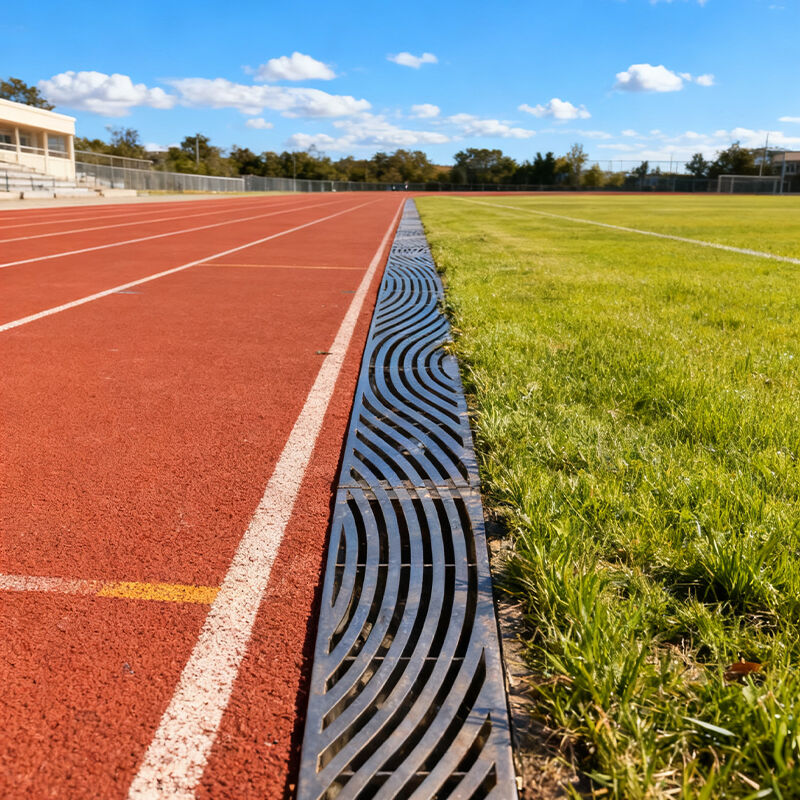
Water damage represents one of the most costly and devastating issues property owners face today. From residential foundations to commercial complexes, inadequate drainage systems can lead to structural deterioration, mold growth, and expensive repairs that could have been prevented with proper planning. A linear drainage ditch offers an engineered solution that effectively channels water away from critical areas, protecting investments and ensuring long-term structural integrity. These sophisticated drainage systems have revolutionized how architects, engineers, and construction professionals approach water management in modern building design.
Understanding Linear Drainage Systems
Basic Principles of Linear Drainage
Linear drainage systems operate on fundamental hydraulic principles that maximize water collection efficiency across extended surfaces. Unlike traditional point drains that collect water from a single location, a linear drainage ditch captures runoff along its entire length, creating a continuous collection channel. This design philosophy ensures that water never accumulates in problematic areas, instead flowing directly into the drainage system through strategically positioned slots or grates. The continuous nature of these systems eliminates dead zones where water might pool, significantly reducing the risk of overflow during heavy precipitation events.
The engineering behind linear drainage involves careful consideration of slope gradients, channel capacity, and flow velocities to ensure optimal performance. Modern systems incorporate advanced materials and manufacturing techniques that deliver superior durability while maintaining aesthetic appeal. Professional installers must calculate proper fall rates, typically between 1:100 and 1:200, to ensure consistent water movement without creating excessive flow speeds that could cause erosion or system damage.
Components and Construction Materials
Contemporary linear drainage systems consist of several integrated components working together to achieve maximum effectiveness. The main channel body, typically constructed from polymer concrete, stainless steel, or reinforced concrete, provides the structural foundation for the entire system. High-quality grating systems, available in various materials including galvanized steel, stainless steel, and composite materials, protect the channel while allowing water penetration. Advanced designs incorporate anti-slip surfaces and architectural finishes that complement surrounding surfaces.
Installation accessories such as end caps, outlet adapters, and inspection chambers ensure proper system integration and maintenance accessibility. Modern manufacturing processes enable precise dimensional tolerances and consistent quality across entire product lines, ensuring reliable performance and simplified installation procedures. These components work synergistically to create drainage solutions that meet both functional requirements and aesthetic expectations in demanding commercial and residential applications.
Water Damage Prevention Mechanisms
Surface Water Management
Effective surface water management represents the primary defense against water-related property damage, and linear drainage systems excel in this critical function. By intercepting water at the source before it can penetrate building envelopes or accumulate around foundations, these systems prevent the cascading failures that often result from inadequate drainage. The continuous collection capability of a linear drainage ditch ensures that even during intense rainfall events, water moves quickly away from vulnerable areas rather than seeking alternative pathways that could compromise structural integrity.
Strategic placement of linear drainage systems creates protective barriers around building perimeters, parking areas, and pedestrian zones. This proactive approach eliminates the hydrostatic pressure that can develop against foundation walls, preventing basement flooding and structural movement. Professional drainage designers understand that every gallon of water diverted represents potential damage avoided, making proper surface water management an essential investment in long-term property protection.
Preventing Foundation Issues
Foundation protection requires comprehensive water management strategies that address both surface runoff and subsurface moisture migration. Linear drainage systems provide the first line of defense by preventing water accumulation around foundation perimeters, where saturation could lead to hydrostatic pressure buildup and eventual structural compromise. By maintaining dry conditions around building foundations, these systems preserve soil stability and prevent the expansion and contraction cycles that cause foundation settlement and cracking.
The importance of foundation protection extends beyond immediate structural concerns to encompass interior air quality and energy efficiency considerations. Moisture intrusion through compromised foundations creates ideal conditions for mold growth and reduces insulation effectiveness, leading to increased heating and cooling costs. Professional installation of linear drainage systems creates a protective envelope that maintains optimal moisture levels while preserving the structural and environmental integrity of the building envelope.
Installation Applications and Benefits
Commercial and Industrial Applications
Commercial and industrial facilities face unique drainage challenges that require robust, reliable solutions capable of handling heavy traffic loads and aggressive environmental conditions. Linear drainage systems in these applications must accommodate frequent vehicle traffic, chemical exposure, and high-volume water events while maintaining operational efficiency. linear drainage ditch installations in loading docks, manufacturing floors, and warehouse facilities provide essential protection against water damage while supporting productivity and safety requirements.
The scalability of linear drainage systems makes them particularly suitable for large commercial projects where traditional drainage methods would require numerous individual drains and complex piping networks. Single linear channels can replace multiple point drains, simplifying installation and reducing long-term maintenance requirements. This efficiency translates into significant cost savings during both construction and operational phases, making linear drainage an attractive solution for budget-conscious facility managers and developers.
Residential Implementation
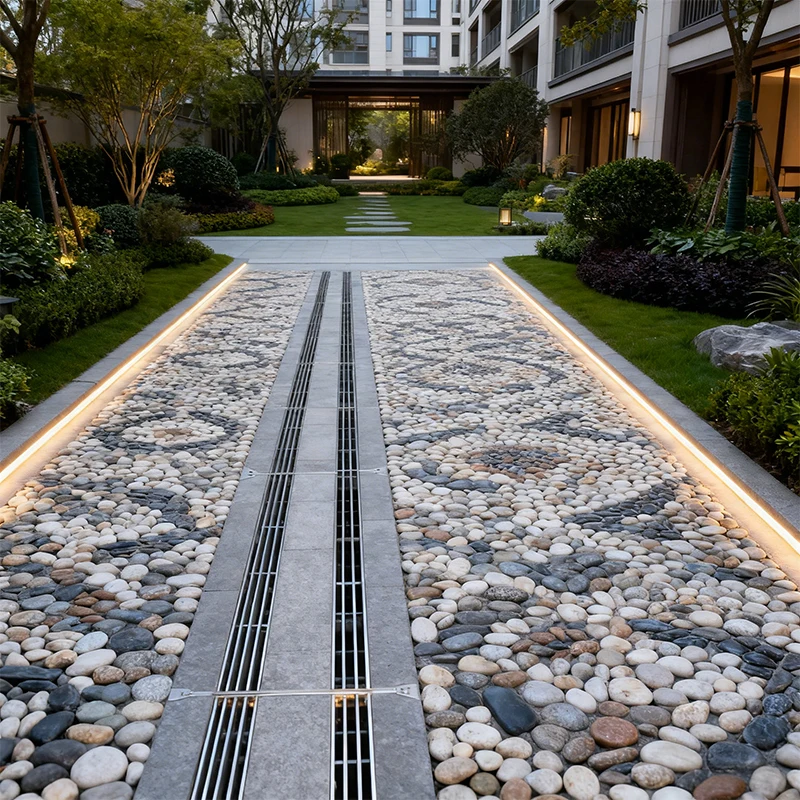
Residential applications of linear drainage systems offer homeowners sophisticated water management solutions that protect property values while enhancing outdoor living spaces. Modern suburban development often involves challenging topography and drainage conditions that require engineered solutions beyond traditional gutters and downspouts. Linear drainage systems provide elegant solutions for driveways, patios, pool decks, and landscaped areas where water accumulation could compromise both functionality and aesthetics.
The integration of linear drainage into residential design allows architects and landscape designers to create seamless outdoor environments that function beautifully in all weather conditions. These systems eliminate the puddles and standing water that can make outdoor spaces unusable after rain events, extending the practical use of expensive hardscaping investments. Homeowners increasingly recognize that proper drainage represents essential infrastructure rather than optional enhancement, driving demand for professional linear drainage installations.
Design Considerations and Best Practices
Hydraulic Calculations and Sizing
Proper hydraulic design forms the foundation of effective linear drainage system performance, requiring detailed analysis of rainfall patterns, catchment areas, and flow requirements. Professional engineers utilize sophisticated calculation methods to determine appropriate channel sizes, grating configurations, and outlet capacities that ensure adequate performance under design storm conditions. These calculations must account for local climate data, soil conditions, and regulatory requirements while providing adequate safety factors for extreme weather events.
The complexity of hydraulic design increases significantly in urban environments where existing infrastructure and space constraints limit drainage options. Linear drainage systems offer design flexibility that enables engineers to optimize performance within tight spatial constraints while meeting stringent flow capacity requirements. Advanced modeling software allows designers to simulate various scenarios and optimize system configurations before construction begins, reducing the risk of performance issues and ensuring regulatory compliance.
Integration with Existing Infrastructure
Successful linear drainage installations require careful coordination with existing utilities, structures, and drainage systems to ensure seamless integration and optimal performance. Professional installers must navigate complex underground utility networks while maintaining proper connections to storm sewer systems or alternative discharge points. This integration challenge requires detailed planning and coordination among multiple trades to avoid conflicts and ensure long-term system reliability.
The modular nature of modern linear drainage systems facilitates integration by providing standardized connection methods and dimensional compatibility with common construction materials and techniques. These standardization efforts reduce installation complexity while ensuring consistent performance across different project types and sizes. Experienced contractors understand that proper integration extends beyond mechanical connections to encompass aesthetic coordination and maintenance accessibility considerations.
Maintenance and Long-term Performance
Routine Maintenance Requirements
Effective maintenance programs ensure long-term performance and protect the significant investment represented by professional linear drainage installations. Regular inspection and cleaning schedules prevent debris accumulation that could compromise flow capacity and lead to system failures during critical storm events. Professional maintenance protocols typically include quarterly visual inspections, annual deep cleaning, and periodic flow testing to verify continued performance within design parameters.
The accessibility features incorporated into modern linear drainage designs facilitate efficient maintenance while minimizing disruption to normal operations. Removable grating systems allow quick access to channel interiors for cleaning and inspection, while strategic placement of inspection chambers provides access points for downstream piping systems. Property owners who implement proactive maintenance programs typically achieve decades of reliable service from their drainage investments while avoiding costly emergency repairs.
Performance Monitoring and Upgrades
Advanced linear drainage systems incorporate monitoring capabilities that enable real-time performance assessment and proactive maintenance scheduling. Smart sensors can detect flow rates, debris levels, and potential blockages before they compromise system performance, allowing maintenance teams to address issues during convenient scheduled intervals rather than emergency response situations. These monitoring systems provide valuable data for optimizing maintenance schedules and identifying potential system improvements.
Technology advances continue to enhance the capabilities and performance of linear drainage systems through improved materials, manufacturing techniques, and design methodologies. Property owners can often upgrade existing installations with enhanced grating systems, improved channel materials, or expanded capacity without complete system replacement. These upgrade options provide cost-effective methods for adapting to changing requirements while preserving the value of existing infrastructure investments.
FAQ
How much water can a linear drainage ditch handle compared to traditional drains
Linear drainage systems typically handle significantly more water volume than equivalent traditional point drains due to their continuous collection capability along the entire channel length. A standard 4-inch linear channel can manage flow rates equivalent to multiple point drains while providing more consistent performance across varying rainfall intensities. The exact capacity depends on channel dimensions, slope, and grating configuration, but professional installations commonly achieve flow rates of 50-200 gallons per minute per linear foot under design conditions.
What maintenance is required for linear drainage systems
Regular maintenance for linear drainage systems involves quarterly visual inspections to check for debris accumulation, annual deep cleaning of channels and outlets, and periodic testing of flow capacity to ensure continued performance. Most systems require simple maintenance procedures such as removing leaves and debris from grating surfaces and flushing channels with water to remove accumulated sediment. Professional maintenance services can provide comprehensive inspection and cleaning programs that extend system life while ensuring optimal performance during critical storm events.
Can linear drainage systems be installed in existing properties
Yes, linear drainage systems can be successfully retrofitted into existing properties, though installation complexity varies depending on site conditions and existing infrastructure. Retrofit installations typically require excavation to create proper channel placement and connections to existing drainage systems or new discharge points. Professional contractors can evaluate site conditions and develop installation plans that minimize disruption while achieving effective drainage performance. Many retrofit projects focus on problem areas where traditional drainage has proven inadequate.
What materials are best for different linear drainage applications
Material selection for linear drainage systems depends on specific application requirements including load capacity, chemical resistance, and aesthetic preferences. Stainless steel systems offer superior durability and corrosion resistance for demanding commercial and industrial applications, while polymer concrete provides excellent performance for most residential and light commercial uses. Cast iron grating delivers maximum strength for heavy traffic areas, while composite materials offer lightweight handling and corrosion resistance for specialized applications. Professional drainage designers select materials based on comprehensive analysis of site conditions and performance requirements.