
 EN
EN
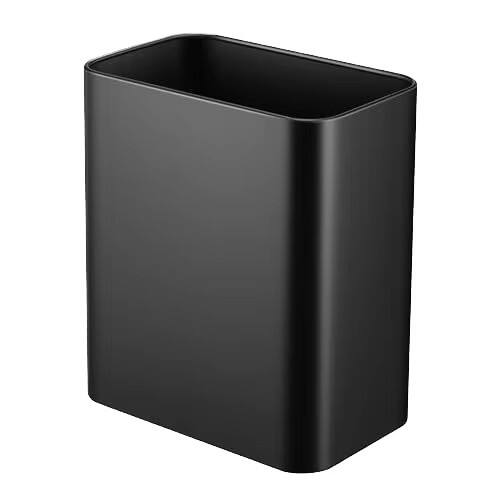
Modern households and commercial spaces increasingly rely on durable waste management solutions that combine functionality with aesthetic appeal. A stainless steel trash can represents the perfect intersection of durability, hygiene, and style, making it an essential component in various environments. These versatile receptacles have gained popularity across residential kitchens, professional offices, healthcare facilities, and outdoor spaces due to their exceptional performance characteristics. Understanding where these premium waste containers excel helps consumers make informed decisions about their waste management needs.
Kitchen Applications and Performance Excellence
Residential Kitchen Environments
Kitchen spaces demand waste containers that can withstand constant use while maintaining cleanliness standards. Stainless steel construction offers superior resistance to moisture, grease, and food particles that commonly accumulate in cooking areas. The non-porous surface prevents bacterial growth and eliminates odor absorption, crucial factors for maintaining kitchen hygiene. Professional chefs and home cooking enthusiasts prefer these containers because they complement modern appliance finishes while providing reliable performance.
Temperature fluctuations common in kitchen environments pose no challenge to stainless steel materials. Whether exposed to heat from cooking activities or cold from refrigeration units, these containers maintain structural integrity without warping or degrading. The smooth surface facilitates easy cleaning with standard kitchen disinfectants, supporting food safety protocols essential in meal preparation areas.
Commercial Kitchen Operations
Restaurant kitchens, cafeterias, and food service establishments require waste management solutions that meet stringent health department regulations. Stainless steel trash receptacles excel in these demanding environments due to their compliance with commercial sanitation standards. The material's resistance to corrosive cleaning chemicals ensures longevity despite frequent sanitization procedures required in professional food service.
High-volume waste generation in commercial kitchens necessitates containers that can handle substantial loads without structural compromise. The inherent strength of stainless steel construction supports heavy refuse loads while maintaining operational efficiency. Quick cleaning between service periods becomes possible due to the smooth, non-stick surface properties that prevent waste adhesion.
Office and Professional Workspace Integration
Corporate Office Environments
Modern office spaces emphasize clean, professional aesthetics that reflect company values and maintain employee productivity. A well-designed stainless steel trash can seamlessly integrates with contemporary office furniture and equipment finishes. The neutral metallic appearance complements various design schemes while providing practical waste disposal functionality that supports workplace efficiency.
Office environments generate diverse waste types including paper documents, food containers, and electronic components. Stainless steel containers handle this variety effectively while maintaining professional appearance standards expected in corporate settings. The durability factor proves economical for businesses seeking long-term waste management solutions that minimize replacement costs and maintenance requirements.
Reception and Client-Facing Areas
Client reception areas and public spaces within professional buildings require waste containers that maintain aesthetic appeal while providing functional service. Stainless steel options offer the sophistication necessary for spaces where first impressions matter significantly. The polished finish reflects quality standards that align with professional service expectations while ensuring practical waste disposal capabilities.
Frequent cleaning requirements in high-traffic professional areas become manageable with stainless steel construction. The surface resists fingerprints, water spots, and general wear that typically affects other materials in public spaces. This characteristic reduces maintenance frequency while ensuring consistent professional appearance throughout business operations.
Healthcare and Laboratory Applications
Medical Facility Requirements
Healthcare environments demand the highest standards for cleanliness and infection control, making stainless steel trash containers essential equipment. Medical facilities utilize these receptacles for general waste, contaminated materials, and specialized disposal needs that require strict adherence to safety protocols. The non-reactive nature of stainless steel prevents chemical interactions with medical waste or cleaning agents commonly used in healthcare settings.
Sterilization procedures in medical environments require containers that withstand aggressive cleaning protocols without degradation. Stainless steel construction maintains integrity through repeated exposure to disinfectants, steam cleaning, and other sanitization methods essential for healthcare operations. The seamless construction eliminates crevices where contaminants might accumulate, supporting infection prevention initiatives.
Laboratory and Research Environments
Scientific laboratories and research facilities require waste containers that meet specialized safety and contamination control requirements. Stainless steel properties make these containers suitable for chemical-resistant applications where other materials might react or degrade. Research environments often involve hazardous materials that demand containment solutions capable of maintaining safety standards throughout disposal processes.
Temperature stability becomes crucial in laboratory settings where extreme conditions may occur during experimental procedures. Stainless steel containers maintain structural integrity across wide temperature ranges, ensuring reliable performance regardless of environmental conditions. The chemical inertness prevents unwanted reactions that could compromise research results or create safety hazards.
Outdoor and High-Traffic Public Spaces
Parks and Recreational Areas
Outdoor recreational spaces require waste containers that withstand weather exposure while maintaining functionality and appearance. Stainless steel construction offers superior corrosion resistance against moisture, UV radiation, and temperature extremes commonly encountered in outdoor environments. Parks, playgrounds, and sporting venues benefit from containers that maintain structural integrity despite constant exposure to natural elements.
Vandalism resistance becomes important in public outdoor spaces where unsupervised access occurs regularly. Stainless steel containers provide robust construction that deters damage while maintaining service availability for legitimate users. The material's inherent strength supports heavy-duty applications while resisting impacts that might damage alternative container materials.
Transportation Hubs and Public Buildings
Airports, train stations, and government buildings experience heavy foot traffic that demands durable waste management solutions. Stainless steel containers handle high-volume usage while maintaining professional appearance standards expected in public facilities. The frequent cleaning requirements in these environments become manageable due to the material's resistance to wear and ease of maintenance.
Security considerations in transportation hubs require containers that allow easy inspection while maintaining structural integrity. Stainless steel construction provides transparency for security personnel while ensuring containers cannot be easily modified or compromised. The durability factor ensures long-term service despite intensive daily use patterns typical in public transportation facilities.
Specialized Industrial Applications
Manufacturing and Production Environments
Industrial manufacturing facilities require waste containers that withstand harsh conditions including chemical exposure, temperature extremes, and physical impacts. Stainless steel construction meets these demanding requirements while providing reliable service throughout production operations. The material's resistance to industrial cleaning chemicals ensures longevity despite aggressive maintenance protocols required in manufacturing environments.
Production efficiency depends partly on effective waste management that doesn't interrupt operational flow. Stainless steel containers provide dependable service that minimizes downtime for replacement or repairs common with less durable alternatives. The containers' ability to handle diverse waste types generated in manufacturing supports operational efficiency while maintaining workplace safety standards.
Clean Room and Controlled Environments
Pharmaceutical production, electronics manufacturing, and other controlled environments require waste containers that meet stringent contamination control standards. Stainless steel properties make these containers ideal for clean room applications where particle generation must be minimized. The smooth, non-shedding surface supports contamination prevention protocols essential in precision manufacturing operations.
Validation requirements in regulated industries demand containers that maintain consistent performance characteristics over extended periods. Stainless steel construction provides the reliability necessary for environments where documentation and compliance verification are mandatory. The material's stability ensures containers meet performance specifications throughout their operational lifetime, supporting regulatory compliance initiatives.
FAQ
What makes stainless steel trash cans suitable for kitchen use
Stainless steel trash cans excel in kitchens due to their non-porous surface that resists bacteria growth and odor absorption. The material withstands temperature fluctuations, moisture exposure, and frequent cleaning with kitchen disinfectants. The smooth surface prevents food particles from adhering while complementing modern appliance finishes for aesthetic consistency.
How do stainless steel containers perform in outdoor environments
Outdoor applications benefit from stainless steel's superior corrosion resistance against weather elements including moisture, UV radiation, and temperature extremes. The material maintains structural integrity despite constant exposure to natural conditions while resisting vandalism and impact damage common in public spaces. Regular maintenance requirements remain minimal compared to other container materials.
Are stainless steel trash cans appropriate for medical facilities
Medical environments specifically benefit from stainless steel containers due to their compliance with healthcare sanitation standards. The non-reactive material withstands aggressive sterilization procedures including disinfectants and steam cleaning without degradation. Seamless construction eliminates contamination accumulation points while supporting infection control protocols essential in healthcare settings.
What maintenance requirements apply to stainless steel waste containers
Maintenance involves regular cleaning with appropriate cleaners to maintain appearance and hygiene standards. The smooth surface facilitates easy cleaning while resisting stains, fingerprints, and general wear. Periodic inspection ensures structural integrity, though stainless steel construction typically provides years of reliable service with minimal maintenance requirements compared to alternative materials.