 EN
EN
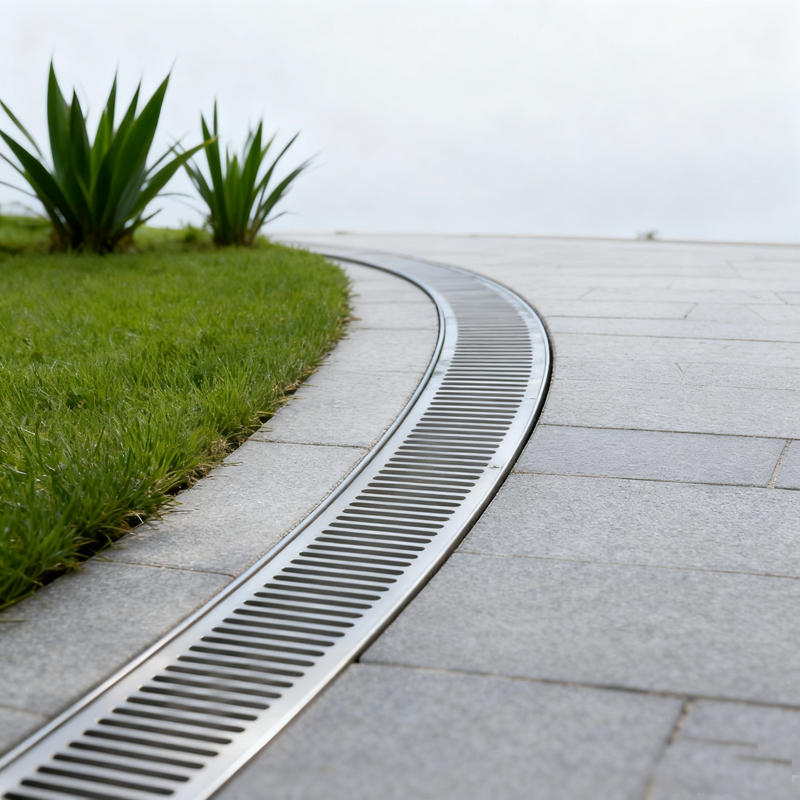
Construction projects across various industries require efficient water management systems to prevent structural damage, erosion, and safety hazards. Among the most versatile and effective solutions available today is the linear drainage ditch, a specialized drainage system that offers superior water collection and channeling capabilities. These innovative drainage solutions have become increasingly popular in modern construction due to their ability to handle large volumes of water while maintaining aesthetic appeal and structural integrity. The strategic implementation of linear drainage systems can significantly impact the longevity and functionality of construction projects, making them an essential consideration for architects, engineers, and contractors worldwide.
Understanding Linear Drainage Ditch Applications in Urban Development
Commercial and Retail Environments
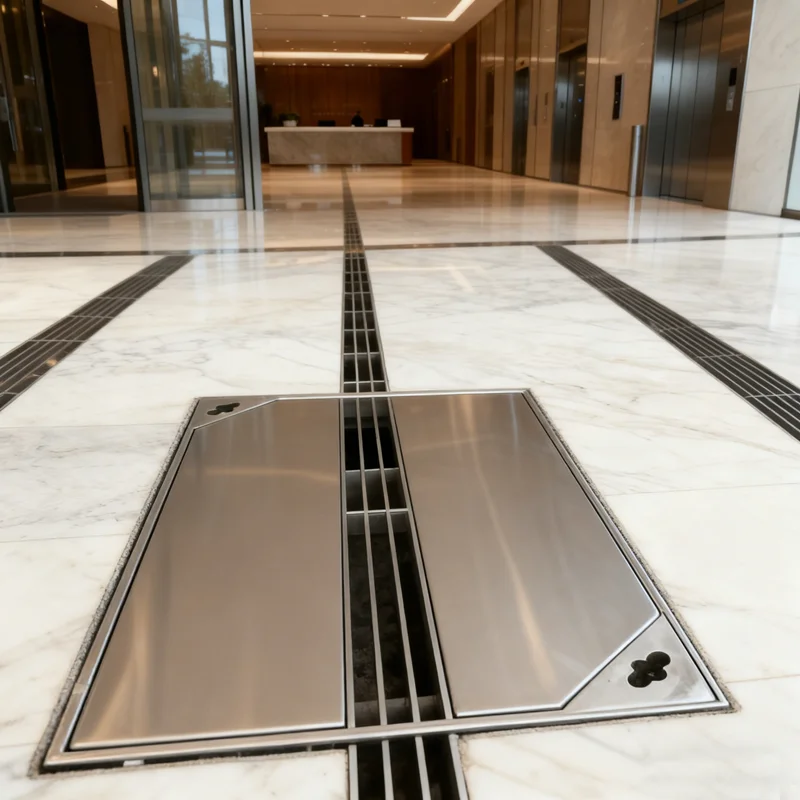
Commercial construction projects benefit tremendously from linear drainage ditch installations, particularly in high-traffic areas such as shopping centers, office complexes, and retail facilities. These environments require reliable water management systems that can handle both regular precipitation and occasional heavy rainfall without compromising pedestrian safety or building integrity. The linear drainage ditch design allows for seamless integration with architectural features while providing efficient water collection along walkways, entrances, and parking areas.
Shopping malls and retail complexes often incorporate linear drainage systems in their outdoor plazas and courtyards, where aesthetic considerations are equally important as functionality. The sleek profile of modern linear drainage ditch systems complements contemporary architectural designs while ensuring effective water management. These systems can be customized with various grating options and finishes to match the overall design theme of the commercial space.
Residential Construction Projects
Residential developments increasingly rely on linear drainage ditch solutions for both functional and aesthetic reasons. Modern housing projects, particularly those in areas prone to heavy rainfall or flooding, require sophisticated drainage infrastructure to protect property values and ensure resident safety. Linear drainage systems excel in residential applications due to their ability to blend seamlessly with landscape designs while providing superior water management capabilities.
Luxury residential developments often feature custom linear drainage ditch installations that complement high-end architectural features. These systems can be integrated into driveways, patios, pool areas, and garden pathways, providing effective drainage while maintaining the visual appeal of the residential environment. The versatility of linear drainage systems makes them ideal for various residential applications, from simple surface water management to complex stormwater collection networks.
Industrial and Infrastructure Applications
Manufacturing and Processing Facilities
Industrial construction projects present unique challenges for drainage system design, requiring solutions that can handle not only water but also various industrial fluids, chemicals, and wash-down processes. The linear drainage ditch has proven exceptionally effective in manufacturing environments where cleanliness, safety, and operational efficiency are paramount. These systems can be engineered with specialized materials and coatings to resist corrosion and chemical damage while maintaining optimal drainage performance.
Food processing facilities, pharmaceutical manufacturing plants, and chemical processing operations all benefit from the superior performance characteristics of linear drainage systems. The ability to customize channel widths, depths, and materials makes the linear drainage ditch ideal for applications requiring specific hygiene standards or chemical resistance. These installations often incorporate additional features such as sediment traps, grease interceptors, and specialized grating systems designed for industrial environments.
Transportation Infrastructure
Transportation infrastructure projects, including highways, bridges, tunnels, and airport facilities, rely heavily on effective drainage solutions to ensure safety and structural longevity. Linear drainage ditch systems excel in these applications due to their ability to handle large volumes of water quickly and efficiently. Highway construction projects often incorporate linear drainage along shoulders and medians to prevent water accumulation that could compromise road safety or structural integrity.
Airport construction projects frequently utilize linear drainage ditch installations in runway areas, taxiways, and terminal approaches where water management is critical for flight safety. The robust construction and high flow capacity of these systems make them ideal for handling the extreme weather conditions and heavy loads associated with aviation infrastructure. Bridge and tunnel projects also benefit from linear drainage solutions that can be integrated into structural elements while providing reliable water management capabilities.
Specialized Construction Environments
Healthcare and Educational Facilities
Healthcare construction projects require drainage solutions that meet strict hygiene and safety standards while providing reliable water management capabilities. The linear drainage ditch design offers significant advantages in hospital construction, where cleanliness, infection control, and operational efficiency are critical considerations. These systems can be specified with antimicrobial coatings and seamless construction details that facilitate thorough cleaning and disinfection procedures.
Educational facility construction projects, including universities, schools, and research facilities, often incorporate linear drainage systems in both interior and exterior applications. Laboratory buildings require specialized drainage solutions that can handle chemical spills and wash-down procedures while maintaining safety standards. The linear drainage ditch provides an ideal solution for these demanding applications, offering customizable materials and configurations to meet specific performance requirements.
Sports and Recreation Facilities
Sports facility construction presents unique drainage challenges, requiring systems that can handle both regular maintenance activities and extreme weather events. Athletic fields, stadiums, and recreational facilities benefit significantly from linear drainage ditch installations that provide efficient water removal while maintaining playing surface integrity. These systems can be designed to handle the specific drainage requirements of different sports surfaces, from natural grass fields to synthetic playing surfaces.
Swimming pool construction projects frequently utilize linear drainage systems for deck areas, changing facilities, and equipment rooms where water management is essential for safety and facility maintenance. The linear drainage ditch design allows for seamless integration with pool decking materials while providing effective drainage for both routine use and emergency situations. These installations can be customized with slip-resistant grating options and corrosion-resistant materials suitable for aquatic environments.
Environmental Considerations and Sustainability
Stormwater Management Integration
Modern construction projects increasingly emphasize sustainable stormwater management practices, and the linear drainage ditch plays a crucial role in these environmentally conscious designs. These systems can be integrated with green infrastructure elements such as bioretention areas, constructed wetlands, and permeable pavement systems to create comprehensive water management solutions. The ability to direct water to specific treatment areas makes linear drainage systems valuable components of sustainable construction practices.
LEED-certified construction projects often incorporate linear drainage ditch systems as part of their overall sustainability strategy. These installations can contribute to stormwater management credits while providing superior performance compared to traditional drainage solutions. The long service life and minimal maintenance requirements of quality linear drainage systems also support sustainable construction goals by reducing lifecycle environmental impacts and replacement frequency.
Material Selection and Environmental Impact
The environmental impact of linear drainage ditch installations can be minimized through careful material selection and design optimization. Modern systems utilize recycled materials, low-impact manufacturing processes, and durable construction techniques that extend service life while reducing environmental footprint. Stainless steel, polymer concrete, and recycled plastic components offer excellent performance characteristics while supporting sustainable construction practices.
Construction projects in environmentally sensitive areas benefit from linear drainage ditch systems designed with ecological considerations in mind. These installations can incorporate features that support local wildlife, prevent erosion, and protect water quality while maintaining superior drainage performance. The flexibility of linear drainage systems allows for customization that meets both performance requirements and environmental protection goals.
Installation and Design Considerations
Site-Specific Design Requirements
Successful linear drainage ditch implementation requires careful consideration of site-specific factors including soil conditions, climate patterns, traffic loads, and architectural requirements. Professional engineering analysis ensures that drainage systems are properly sized and configured to handle anticipated water volumes while integrating seamlessly with overall project design. The modular nature of linear drainage systems allows for customization that addresses unique site challenges and performance requirements.
Slope considerations play a critical role in linear drainage ditch effectiveness, requiring careful calculation of gradients and fall rates to ensure optimal water flow. Construction projects in challenging terrain may require specialized installation techniques and additional support structures to maintain proper system performance. The versatility of linear drainage systems allows for adaptation to various site conditions while maintaining reliable water management capabilities.
Integration with Existing Infrastructure
Retrofit and renovation projects often require linear drainage ditch systems that can integrate with existing infrastructure while providing improved performance characteristics. These applications may present unique challenges related to connection points, elevation matching, and structural considerations that require specialized engineering solutions. The adaptability of modern linear drainage systems makes them suitable for both new construction and renovation projects.
Coordination with other building systems, including electrical, plumbing, and HVAC installations, requires careful planning to ensure optimal linear drainage ditch performance. Professional design teams work to integrate drainage systems with overall building infrastructure while maintaining accessibility for maintenance and service activities. The compact profile and flexible configuration options of linear drainage systems facilitate integration with complex building systems.
FAQ
What are the primary advantages of using a linear drainage ditch in construction projects?
Linear drainage ditch systems offer several key advantages including superior water collection efficiency, aesthetic integration with architectural designs, reduced installation complexity compared to traditional point drains, and excellent load-bearing capabilities. These systems provide continuous water collection along their entire length, making them ideal for areas with high water volumes or where traditional drainage solutions would be inadequate. Additionally, the modular design allows for easy customization and future expansion if needed.
How do linear drainage ditch systems compare to traditional drainage methods in terms of maintenance requirements?
Linear drainage ditch systems typically require less maintenance than traditional drainage methods due to their continuous flow design and self-cleaning capabilities. The smooth channel surfaces and consistent gradients help prevent debris accumulation and blockages that commonly occur in traditional drain systems. Regular maintenance involves periodic cleaning of gratings and channel flushing, which can often be accomplished with standard facility maintenance procedures rather than specialized drainage service.
What factors should be considered when selecting materials for linear drainage ditch installations?
Material selection for linear drainage ditch systems should consider factors including chemical resistance, load requirements, environmental conditions, aesthetic preferences, and long-term durability. Stainless steel offers excellent corrosion resistance and strength for demanding applications, while polymer concrete provides chemical resistance and customization options. The specific application environment, including temperature extremes, chemical exposure, and traffic loads, will determine the most appropriate material selection for optimal performance and longevity.
Can linear drainage ditch systems be integrated with sustainable construction practices and green building certifications?
Yes, linear drainage ditch systems can significantly contribute to sustainable construction practices and green building certifications. These systems can be integrated with bioretention areas, constructed wetlands, and rainwater harvesting systems to create comprehensive sustainable water management solutions. Many linear drainage systems utilize recycled materials and are designed for long service life, reducing lifecycle environmental impact. Additionally, efficient stormwater management provided by these systems can contribute to LEED and other green building certification credits.
Table of Contents
- Understanding Linear Drainage Ditch Applications in Urban Development
- Industrial and Infrastructure Applications
- Specialized Construction Environments
- Environmental Considerations and Sustainability
- Installation and Design Considerations
-
FAQ
- What are the primary advantages of using a linear drainage ditch in construction projects?
- How do linear drainage ditch systems compare to traditional drainage methods in terms of maintenance requirements?
- What factors should be considered when selecting materials for linear drainage ditch installations?
- Can linear drainage ditch systems be integrated with sustainable construction practices and green building certifications?