
 EN
EN
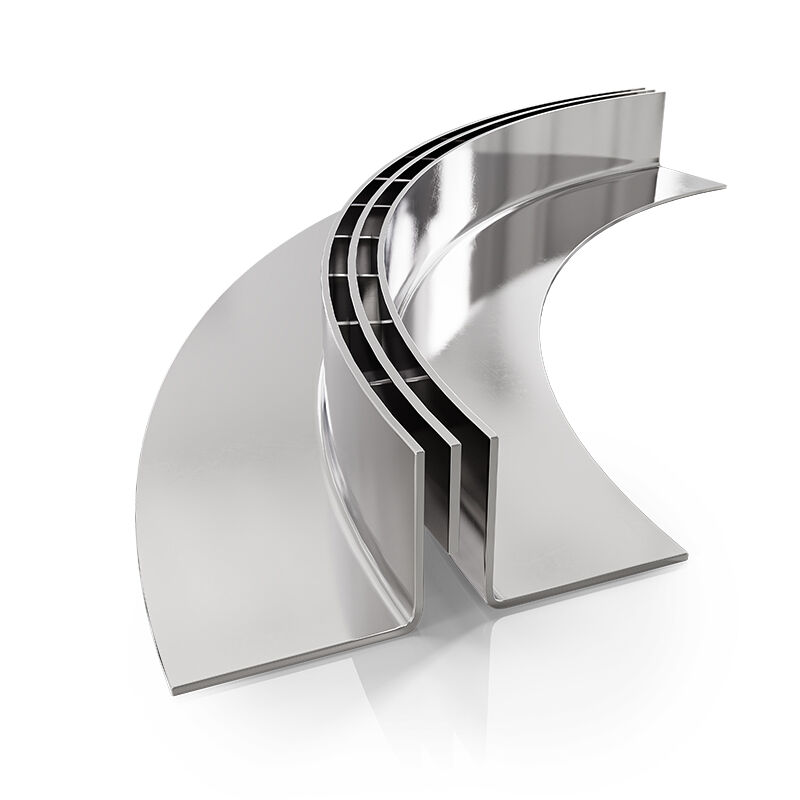
Modern urban infrastructure faces increasing challenges from unpredictable weather patterns and heavy rainfall events. Effective drainage systems have become critical components in protecting buildings, roadways, and landscaped areas from water damage. Among the various drainage solutions available today, the stainless steel rainwater grate stands out as a superior choice for both residential and commercial applications. These specialized drainage components combine durability, functionality, and aesthetic appeal to deliver exceptional performance in water management systems.
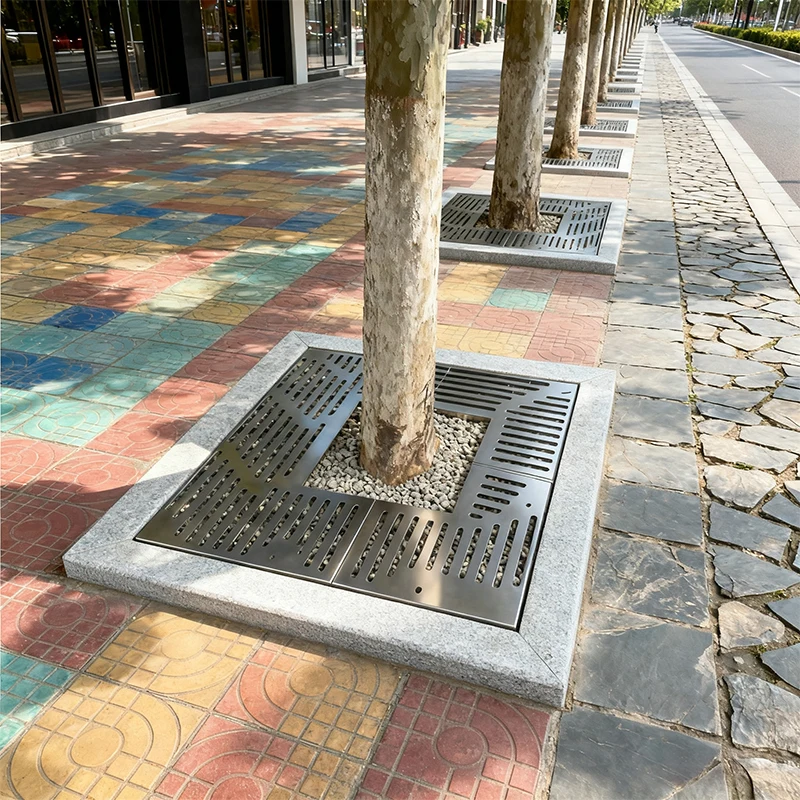
The engineering behind stainless steel rainwater grate systems reflects decades of advancement in materials science and hydraulic design. Unlike traditional drainage solutions that may corrode or deteriorate over time, stainless steel options provide long-term reliability in challenging environmental conditions. Property owners and facility managers increasingly recognize the value of investing in premium drainage infrastructure that minimizes maintenance requirements while maximizing water flow efficiency. Understanding the specific advantages and applications of these drainage components helps inform better decision-making for construction and renovation projects.
Material Properties and Construction Benefits
Corrosion Resistance and Longevity
The primary advantage of a stainless steel rainwater grate lies in its exceptional resistance to corrosion and environmental degradation. Stainless steel contains chromium, which forms a passive oxide layer on the surface that prevents rust formation even when exposed to moisture, chemicals, and varying pH levels. This characteristic makes stainless steel rainwater grate systems ideal for coastal environments where salt spray accelerates corrosion in other materials. The longevity of stainless steel components significantly reduces replacement costs and maintenance interventions over the lifespan of drainage infrastructure.
Manufacturing processes for stainless steel rainwater grate products utilize high-grade alloys specifically selected for outdoor applications. The most common grades include 304 and 316 stainless steel, with 316 offering enhanced corrosion resistance for marine or industrial environments. These materials maintain their structural integrity and appearance despite exposure to ultraviolet radiation, temperature fluctuations, and chemical contaminants commonly found in urban runoff. Professional installers and architects appreciate the predictable performance characteristics of stainless steel components in demanding applications.
Structural Strength and Load Capacity
Engineering specifications for stainless steel rainwater grate systems emphasize both water flow optimization and structural load-bearing capacity. The inherent strength of stainless steel allows manufacturers to create grate designs with larger open areas for improved drainage while maintaining sufficient support for pedestrian and vehicular traffic. Load distribution across the grate surface prevents deflection and ensures consistent performance under varying weight conditions. This combination of strength and drainage efficiency makes stainless steel rainwater grate solutions suitable for heavy-duty applications including parking garages, loading docks, and industrial facilities.
Advanced manufacturing techniques enable precise control over bar spacing, thickness, and surface treatments in stainless steel rainwater grate production. Computer-aided design software optimizes the relationship between open area percentage and structural requirements for specific applications. Quality control processes ensure dimensional accuracy and consistent material properties across production runs. These manufacturing standards contribute to reliable performance and simplified installation procedures for drainage contractors and maintenance personnel.
Hydraulic Performance and Flow Characteristics
Water Collection Efficiency
The hydraulic design of a stainless steel rainwater grate directly impacts its ability to capture and channel surface water into drainage systems. Bar orientation, spacing, and cross-sectional profiles influence flow patterns and debris screening capabilities. Properly designed stainless steel rainwater grate systems achieve high capture rates while preventing clogging from leaves, sediment, and other common urban debris. Hydraulic modeling software helps engineers optimize grate geometry for specific rainfall intensities and surface conditions.
Flow velocity considerations become particularly important in areas with steep grades or high-volume water collection requirements. The smooth surface finish of stainless steel components reduces friction losses and promotes efficient water transfer into subsurface drainage infrastructure. Beveled edges and tapered bar designs further enhance hydraulic performance by minimizing turbulence and energy losses at the grate interface. These design refinements contribute to improved overall drainage system capacity and reduced risk of surface flooding during storm events.
Debris Management and Maintenance
Effective debris management represents a critical aspect of stainless steel rainwater grate system performance. The non-porous surface of stainless steel resists bacterial growth and organic buildup that can compromise drainage efficiency in other materials. Regular cleaning procedures maintain optimal flow capacity and prevent biological contamination of collected rainwater. The chemical resistance of stainless steel allows use of various cleaning agents and disinfection methods without material degradation concerns.
Maintenance accessibility features built into stainless steel rainwater grate designs facilitate routine inspection and cleaning operations. Removable sections and lifting points enable facility maintenance staff to access underground drainage components for inspection and repair activities. The dimensional stability of stainless steel components ensures proper fit and sealing after maintenance interventions. Documentation of maintenance procedures and schedules helps optimize the long-term performance of stainless steel rainwater grate installations.
Installation Considerations and Best Practices
Foundation Requirements and Support Systems
Successful installation of a stainless steel rainwater grate system begins with proper foundation preparation and support structure design. Concrete frames and adjustment rings must provide uniform bearing surfaces and accommodate thermal expansion of stainless steel components. Proper elevation control ensures surface water flows efficiently toward drain inlets while maintaining accessibility compliance requirements. Professional installation teams use laser leveling equipment and precision measurement tools to achieve specified grades and alignments.
Anchoring systems for stainless steel rainwater grate installations utilize corrosion-resistant fasteners and sealants compatible with stainless steel materials. Galvanic corrosion prevention measures become essential when connecting stainless steel grates to dissimilar metals in drainage infrastructure. Isolation gaskets, dielectric unions, and appropriate fastener materials prevent electrochemical reactions that could compromise system integrity. These installation details significantly impact the long-term performance and maintenance requirements of stainless steel rainwater grate systems.
Integration with Existing Drainage Infrastructure
Retrofit applications for stainless steel rainwater grate systems often involve integration with existing concrete or cast iron drainage structures. Dimensional compatibility and connection methods require careful evaluation during project planning phases. Custom fabrication capabilities enable manufacturers to produce stainless steel rainwater grate components that match existing opening sizes and connection requirements. This flexibility allows property owners to upgrade drainage performance without extensive modification of existing infrastructure.
Transition details between stainless steel components and adjacent materials require attention to thermal movement, water sealing, and aesthetic considerations. Expansion joints and flexible sealants accommodate differential movement between materials with varying thermal expansion coefficients. Surface treatments and finish options for stainless steel rainwater grate products enable coordination with surrounding architectural elements and landscape features. Professional design services help optimize these integration details for specific project requirements.
Environmental Impact and Sustainability
Recyclability and Life Cycle Benefits
The environmental advantages of stainless steel rainwater grate systems extend beyond their operational performance to include end-of-life recyclability and resource conservation benefits. Stainless steel maintains its material properties through multiple recycling cycles, making it one of the most sustainable building materials available today. The long service life of stainless steel rainwater grate installations reduces the frequency of replacement activities and associated environmental impacts from manufacturing and transportation.
Life cycle assessment studies demonstrate the environmental benefits of specifying durable materials like stainless steel for infrastructure applications. Reduced maintenance requirements translate to lower energy consumption and reduced chemical usage over the operational lifespan of drainage systems. The inert nature of stainless steel prevents leaching of harmful substances into groundwater or surrounding soil conditions. These environmental considerations align with green building certification programs and sustainable development objectives.
Water Quality Protection
Water quality protection capabilities of stainless steel rainwater grate systems contribute to environmental stewardship and regulatory compliance objectives. The non-reactive surface of stainless steel components prevents contamination of collected rainwater with metallic ions or organic compounds that could impact downstream water treatment processes. This characteristic makes stainless steel rainwater grate systems particularly valuable for applications involving rainwater harvesting and reuse programs.
First flush diversion systems and water quality enhancement features can be integrated with stainless steel rainwater grate installations to improve the environmental performance of stormwater management systems. Advanced surface treatments and coatings provide additional functionality such as antimicrobial properties or enhanced debris screening capabilities. Research and development efforts continue to expand the environmental benefits available through innovative stainless steel rainwater grate technologies.
Cost Analysis and Economic Benefits
Initial Investment Considerations
The initial cost of stainless steel rainwater grate systems typically exceeds that of alternative materials such as cast iron or plastic components. However, comprehensive economic analysis must consider total cost of ownership including installation, maintenance, and replacement expenses over the expected service life. The superior durability and low maintenance requirements of stainless steel components often justify the higher initial investment through reduced long-term operating costs.
Project-specific factors influence the economic comparison between stainless steel rainwater grate options and alternative drainage solutions. Site conditions, accessibility for maintenance, aesthetic requirements, and performance specifications all impact the relative cost-effectiveness of different material choices. Professional cost estimating services help property owners evaluate these factors and make informed decisions based on project-specific priorities and constraints.
Return on Investment and Value Engineering
Value engineering analysis for stainless steel rainwater grate systems considers both quantifiable economic benefits and qualitative advantages such as reliability and aesthetic appeal. Reduced insurance premiums, lower maintenance costs, and improved property values contribute to positive return on investment calculations. The predictable performance characteristics of stainless steel components enable accurate long-term budgeting and reduce the risk of unexpected replacement expenses.
Asset management programs benefit from the documented performance history and standardized maintenance procedures available for stainless steel rainwater grate installations. Computerized maintenance management systems can track performance metrics and optimize maintenance schedules to maximize system reliability and cost-effectiveness. These management tools help facility owners realize the full economic potential of their drainage infrastructure investments.
FAQ
What makes stainless steel superior to other grate materials for rainwater drainage
Stainless steel rainwater grate systems offer superior corrosion resistance, structural strength, and longevity compared to cast iron, aluminum, or plastic alternatives. The chromium content in stainless steel forms a protective oxide layer that prevents rust formation even in harsh environmental conditions. This material choice eliminates the need for protective coatings or frequent replacement cycles, resulting in lower total cost of ownership. Additionally, stainless steel maintains its appearance and structural properties throughout its service life, providing consistent performance and aesthetic appeal.
How do I determine the appropriate size and spacing for my drainage application
Sizing requirements for stainless steel rainwater grate systems depend on expected water flow rates, debris loading, traffic conditions, and local building codes. Hydraulic calculations consider rainfall intensity, catchment area, and surface characteristics to determine required flow capacity. Bar spacing must balance drainage efficiency with debris screening and safety requirements. Professional drainage engineers use specialized software and industry standards to optimize grate specifications for specific applications and ensure compliance with applicable regulations.
What maintenance procedures are required for stainless steel drainage grates
Routine maintenance for stainless steel rainwater grate systems involves periodic cleaning to remove accumulated debris and inspection for damage or wear. The non-porous surface of stainless steel resists bacterial growth and simplifies cleaning procedures using standard pressure washing equipment. Annual inspections should verify proper drainage flow, structural integrity, and secure installation. Any damage to protective surface finishes should be addressed promptly to maintain corrosion resistance. Documentation of maintenance activities helps optimize cleaning schedules and identify potential system improvements.
Can stainless steel grates be customized for specific architectural requirements
Custom fabrication capabilities enable manufacturers to produce stainless steel rainwater grate components that meet specific dimensional, aesthetic, and performance requirements. Various surface finishes, bar patterns, and frame designs allow coordination with architectural elements and landscape features. CAD modeling and prototyping services help verify fit and function before full-scale production. Custom options include specialized shapes, integrated logos or patterns, and compatibility with existing drainage infrastructure. Professional design services ensure that custom solutions maintain structural integrity and hydraulic performance while meeting aesthetic objectives.
Table of Contents
- Material Properties and Construction Benefits
- Hydraulic Performance and Flow Characteristics
- Installation Considerations and Best Practices
- Environmental Impact and Sustainability
- Cost Analysis and Economic Benefits
-
FAQ
- What makes stainless steel superior to other grate materials for rainwater drainage
- How do I determine the appropriate size and spacing for my drainage application
- What maintenance procedures are required for stainless steel drainage grates
- Can stainless steel grates be customized for specific architectural requirements