
 EN
EN
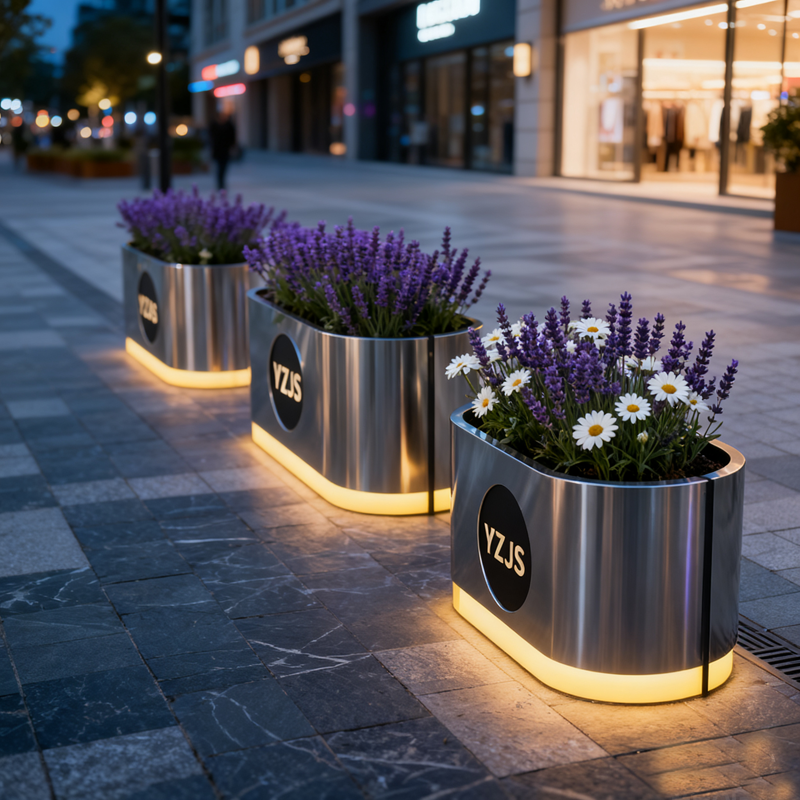
Modern urban landscapes demand planters that combine aesthetic appeal with exceptional durability, making the stainless steel flower box an increasingly popular choice among architects, landscape designers, and facility managers. These sophisticated containers offer unmatched resistance to weather extremes, corrosion, and daily wear while maintaining their polished appearance for decades. Unlike traditional materials that deteriorate over time, stainless steel planters provide a cost-effective solution for both indoor and outdoor applications where longevity and minimal maintenance are essential considerations.
Material Properties and Construction Excellence
Corrosion Resistance and Weather Performance
The fundamental advantage of any stainless steel flower box lies in its exceptional corrosion resistance properties. Stainless steel contains chromium, which forms a passive oxide layer on the surface that self-repairs when scratched or damaged. This natural protection mechanism ensures that planters maintain their structural integrity even when exposed to harsh environmental conditions including salt spray, acid rain, and extreme temperature fluctuations.
Commercial-grade stainless steel planters typically utilize 316L or 304 stainless steel alloys, each offering distinct advantages for specific applications. The 316L grade provides superior corrosion resistance in marine environments, while 304 grade offers excellent performance for most urban and suburban installations. Both materials demonstrate remarkable longevity, often lasting 25-50 years with minimal maintenance requirements.
Structural Integrity and Load-Bearing Capacity
Engineering considerations play a crucial role in stainless steel flower box design, particularly when supporting large root systems and substantial soil volumes. The material's high strength-to-weight ratio allows for lightweight construction without compromising structural integrity. Professional-grade planters incorporate reinforcement ribs and strategic thickness variations to handle soil pressure, root expansion, and thermal cycling without deformation.
Advanced manufacturing techniques such as laser cutting, precision welding, and hydraulic forming ensure consistent wall thickness and seamless joints. These construction methods eliminate potential failure points that commonly affect other materials, resulting in planters that maintain their shape and functionality throughout decades of service.
Design Versatility and Aesthetic Integration
Contemporary Architectural Compatibility
The sleek, minimalist appearance of a stainless steel flower box complements modern architectural styles ranging from industrial loft spaces to cutting-edge commercial developments. The material's neutral metallic finish provides an elegant backdrop for colorful plantings while seamlessly integrating with glass, concrete, and other contemporary building materials.
Customization options extend beyond basic rectangular forms to include curved profiles, integrated seating elements, and multi-tier configurations. Advanced fabrication capabilities allow designers to create unique shapes that respond to specific spatial requirements while maintaining the inherent durability benefits of stainless steel construction.
Surface Finishing and Treatment Options
Surface treatments significantly impact both the aesthetic appeal and performance characteristics of stainless steel planters. Standard finishes include brushed, polished, and bead-blasted surfaces, each offering distinct visual qualities and maintenance requirements. Brushed finishes effectively hide fingerprints and minor scratches, making them ideal for high-traffic areas where frequent handling occurs.
Specialized coatings and patina treatments can create unique color variations while preserving the underlying corrosion resistance properties. These finishing options allow a stainless steel flower box to complement specific design themes or brand identity requirements without compromising long-term performance.
Installation and Maintenance Considerations
Placement and Drainage Systems
Proper installation techniques maximize the performance and longevity of stainless steel flower box installations. Adequate drainage remains critical for plant health and planter durability, requiring carefully designed outlet systems that prevent water accumulation while maintaining structural integrity. Professional installations incorporate drainage layers, weep holes, and overflow provisions to manage water flow effectively.
Foundation considerations vary based on planter size and intended use, with larger installations requiring concrete pads or structural supports to distribute weight evenly. Proper anchoring systems prevent displacement during high winds while allowing for thermal expansion and contraction cycles that naturally occur with temperature variations.
Cleaning and Long-term Care
Maintenance requirements for stainless steel planters remain minimal compared to alternative materials, typically involving periodic cleaning with mild detergents and soft cloths. Regular removal of accumulated debris, salt deposits, and organic staining preserves the original appearance while preventing potential corrosion initiation points.
Seasonal maintenance protocols include inspection of drainage systems, assessment of soil conditions, and evaluation of any mechanical attachments or accessories. The inherent durability of stainless steel construction means that most maintenance activities focus on plant care rather than container preservation, representing significant cost savings over the planter's operational lifetime.
Environmental and Economic Benefits
Sustainability and Recyclability
Environmental considerations increasingly influence material selection decisions, making the stainless steel flower box an attractive option for sustainable landscape projects. Stainless steel contains significant recycled content and remains fully recyclable at the end of its service life, contributing to circular economy principles and reducing environmental impact.
The extended service life of stainless steel planters reduces replacement frequency and associated disposal costs compared to materials requiring periodic replacement. Life cycle assessments consistently demonstrate favorable environmental profiles for stainless steel applications, particularly when considering durability and end-of-life recyclability factors.
Total Cost of Ownership Analysis
While initial investment costs for stainless steel planters may exceed those of alternative materials, comprehensive cost analysis reveals significant long-term savings through reduced maintenance, replacement, and disposal expenses. Professional-grade installations often demonstrate payback periods of 5-10 years when considering total ownership costs.
Additional economic benefits include reduced labor costs for maintenance activities, eliminated replacement planning and procurement cycles, and enhanced property values through attractive, permanent landscaping installations. These factors make stainless steel flower box solutions particularly attractive for commercial properties where operational efficiency and appearance standards remain critical.
Application-Specific Advantages
Commercial and Municipal Installations
Commercial properties benefit significantly from stainless steel flower box installations due to their ability to withstand heavy use while maintaining professional appearances. Shopping centers, office complexes, and hospitality venues particularly value the vandal-resistant properties and minimal maintenance requirements that stainless steel construction provides.
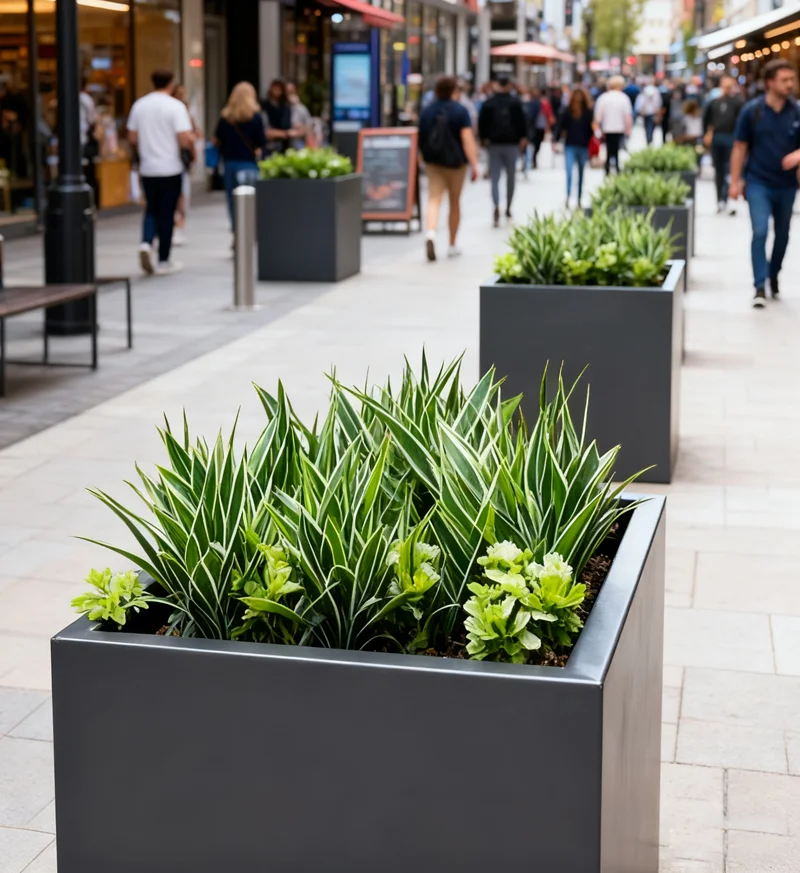
Municipal applications including streetscapes, public plazas, and transit stations require planters capable of withstanding harsh urban environments and continuous public interaction. Stainless steel planters excel in these demanding applications, providing reliable performance while supporting community beautification initiatives and urban green infrastructure goals.
Specialized Environment Applications
Healthcare facilities, food service establishments, and educational institutions often require planters that meet specific hygiene and safety standards. The non-porous surface of a stainless steel flower box prevents bacterial growth and allows for thorough sanitization using standard cleaning protocols, making these containers ideal for sensitive environments.
Coastal installations face particularly challenging environmental conditions including salt spray, high humidity, and extreme weather events. Stainless steel construction provides superior performance in marine environments where other materials quickly deteriorate, ensuring consistent appearance and functionality despite harsh exposure conditions.
FAQ
How long does a stainless steel flower box typically last in outdoor conditions
A properly manufactured stainless steel flower box can last 25-50 years or more in outdoor conditions with minimal maintenance. The exact lifespan depends on environmental factors such as proximity to salt water, air quality, and frequency of cleaning. Grade 316L stainless steel offers the longest service life in harsh environments, while Grade 304 provides excellent durability for most standard applications.
What maintenance is required for stainless steel planters
Stainless steel flower boxes require very little maintenance beyond periodic cleaning with mild soap and water to remove accumulated dirt, salt, or organic staining. Avoid abrasive cleaners or steel wool that could scratch the surface. Check drainage systems seasonally to ensure proper water flow, and inspect for any mechanical damage that might compromise performance.
Can stainless steel planters be customized for specific design requirements
Yes, stainless steel flower boxes can be extensively customized in terms of size, shape, surface finish, and integrated features. Manufacturing techniques allow for curved profiles, integrated seating, custom dimensions, and various surface treatments including brushed, polished, or colored finishes. Most professional manufacturers offer design consultation services to create planters that meet specific project requirements.
Are stainless steel planters suitable for all plant types
Stainless steel planters work well with most plant types when properly designed with adequate drainage and appropriate soil depth. The metal construction does not affect soil chemistry or plant health, and thermal properties help moderate soil temperature extremes. For very large trees or plants with aggressive root systems, ensure the planter is properly sized and reinforced to accommodate long-term growth requirements.