
 EN
EN
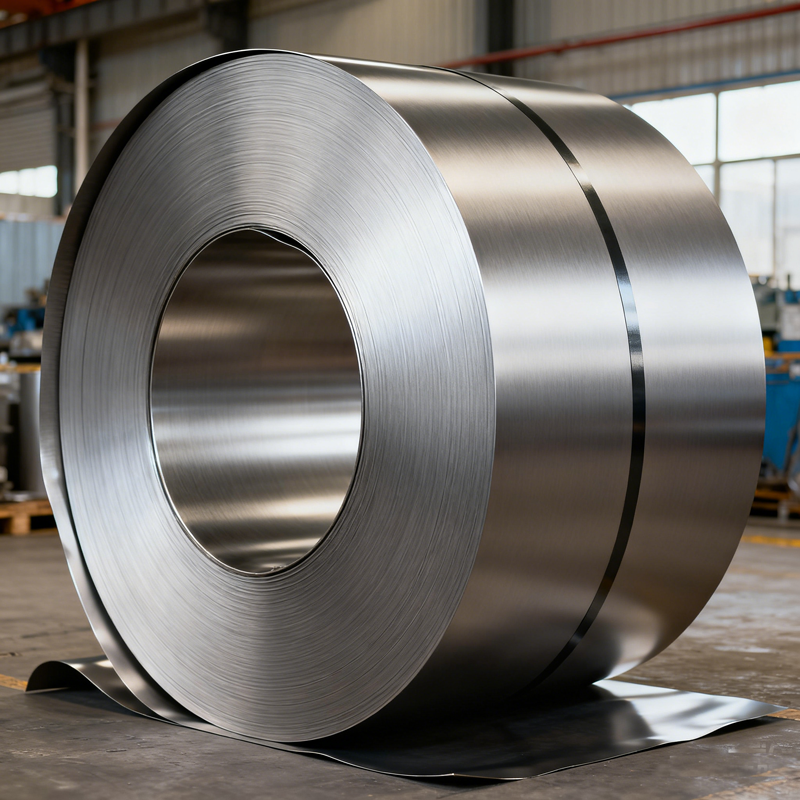
Manufacturing industries across the globe rely on premium materials to deliver exceptional performance and durability in their production processes. Among these materials, stainless steel coil stands out as a versatile solution that offers superior corrosion resistance, strength, and aesthetic appeal. The strategic selection of stainless steel coil for specific applications can significantly impact production efficiency, product quality, and long-term operational costs. Understanding where this material delivers optimal performance helps manufacturers make informed decisions that enhance their competitive advantage in demanding market conditions.
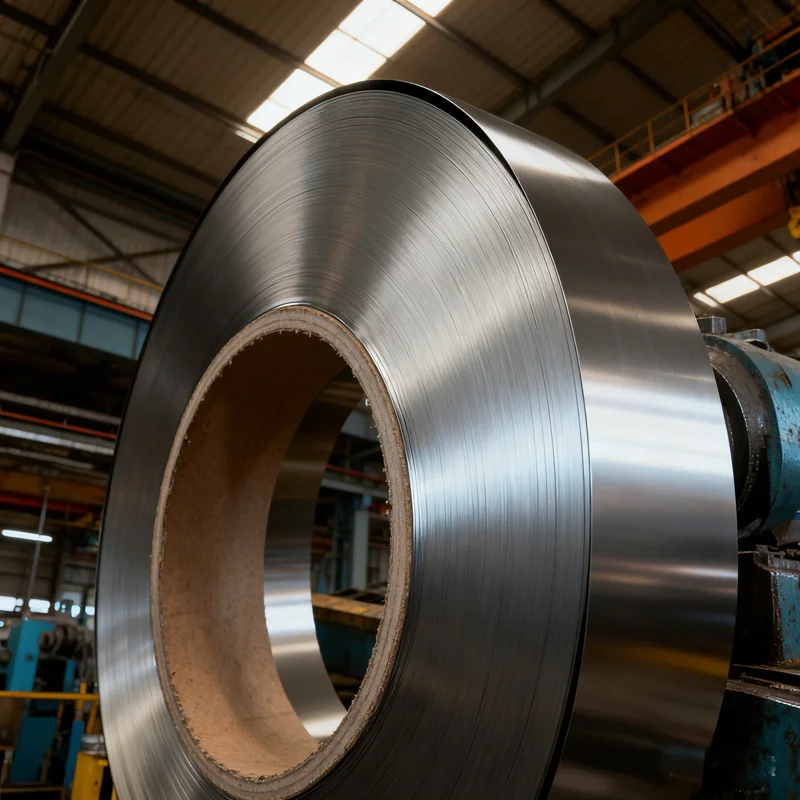
Automotive Manufacturing Excellence
Exhaust System Applications
The automotive industry extensively utilizes stainless steel coil in exhaust system manufacturing due to its exceptional heat resistance and corrosion protection properties. Modern vehicles require exhaust components that can withstand extreme temperatures while maintaining structural integrity over extended periods. Stainless steel coil provides the necessary durability to handle thermal cycling, chemical exposure from combustion byproducts, and environmental factors that would quickly degrade conventional materials.
Manufacturers process stainless steel coil through specialized forming techniques to create complex exhaust manifolds, catalytic converter housings, and muffler assemblies. The material's workability allows for precise shaping without compromising its protective oxide layer, ensuring consistent performance throughout the vehicle's operational lifetime. Advanced grade selections like 316Ti offer enhanced creep resistance for high-performance applications where standard austenitic grades might experience premature failure under sustained elevated temperatures.
Structural Component Production
Automotive structural applications benefit from stainless steel coil's superior strength-to-weight ratio and crash resistance characteristics. Door frames, pillar reinforcements, and safety cage components manufactured from properly selected stainless steel grades provide enhanced occupant protection while reducing overall vehicle weight. The material's inherent corrosion resistance eliminates the need for additional protective coatings, streamlining production processes and reducing manufacturing costs.
Progressive manufacturers implement sophisticated roll-forming operations to transform stainless steel coil into complex automotive profiles with tight dimensional tolerances. These processes leverage the material's excellent formability characteristics while maintaining the mechanical properties essential for structural integrity. The resulting components demonstrate superior fatigue resistance compared to conventional steel alternatives, contributing to improved vehicle reliability and reduced warranty claims.
Food Processing Industry Applications
Equipment Manufacturing Standards
Food processing facilities demand equipment that meets stringent hygiene standards while delivering reliable performance in challenging operational environments. Stainless steel coil serves as the foundation material for manufacturing conveyor systems, mixing tanks, heat exchangers, and processing vessels that require frequent cleaning with aggressive sanitizing chemicals. The non-porous surface characteristics of properly finished stainless steel prevent bacterial colonization and facilitate thorough decontamination procedures.
Manufacturing processes for food grade equipment utilize specialized welding techniques and surface finishing procedures to eliminate crevices and surface irregularities that could harbor contaminants. Stainless steel coil provides the necessary corrosion resistance to withstand repeated exposure to chlorine-based sanitizers, caustic cleaning solutions, and high-temperature steam sterilization cycles without degrading or releasing metallic ions into food products.
Packaging System Integration
Modern food packaging operations rely on stainless steel coil for manufacturing high-speed processing equipment that maintains product integrity while maximizing throughput efficiency. Filling machines, sealing systems, and quality control apparatus manufactured from premium stainless steel grades deliver consistent performance across millions of operational cycles. The material's dimensional stability ensures precise tolerances are maintained even under continuous operation conditions.
Advanced packaging lines utilize stainless steel coil components that integrate seamlessly with automated control systems and robotic handling equipment. The material's electromagnetic properties allow for effective integration with sensor systems and electronic monitoring devices without interference issues. This compatibility enables sophisticated quality control measures and real-time process optimization that enhances overall production efficiency while maintaining food safety standards.
Chemical Processing Environments
Reactor Vessel Construction
Chemical manufacturing operations require materials capable of withstanding aggressive chemical environments while maintaining structural integrity under pressure and temperature extremes. Stainless steel coil provides the foundation material for constructing reaction vessels, distillation columns, and heat transfer equipment that operate continuously in corrosive atmospheres. Advanced duplex and super-duplex grades offer enhanced resistance to chloride stress corrosion cracking and pitting corrosion in challenging chemical environments.
Manufacturing processes for chemical equipment utilize sophisticated fabrication techniques that preserve the corrosion-resistant properties of stainless steel coil throughout the construction process. Specialized heat treatment procedures and controlled cooling rates ensure optimal microstructure development and maximum corrosion resistance. Quality control measures include comprehensive testing protocols that verify material compliance with industry-specific performance requirements.
Pipeline and Transfer Systems
Chemical transfer systems manufactured from stainless steel coil deliver reliable performance in applications involving corrosive fluids, high-pressure conditions, and temperature variations. The material's excellent weldability enables construction of complex piping networks with minimal joints and connection points that could potentially fail under operational stress. Advanced welding procedures utilizing controlled atmosphere techniques preserve the material's corrosion resistance characteristics in heat-affected zones.
Process optimization in chemical facilities benefits from stainless steel coil components that maintain dimensional stability and surface smoothness throughout extended service periods. The material's resistance to erosion-corrosion phenomena ensures consistent flow characteristics and prevents contamination of chemical products with metallic particles. Regular inspection procedures and predictive maintenance protocols help maximize equipment service life while minimizing unplanned downtime.
Marine and Offshore Applications
Shipbuilding Excellence
Maritime construction projects utilize stainless steel coil for manufacturing critical components that must withstand continuous saltwater exposure while maintaining structural integrity in dynamic loading conditions. Deck fittings, railing systems, and ventilation equipment manufactured from marine-grade stainless steel provide exceptional durability and reduced maintenance requirements compared to conventional materials. The material's resistance to galvanic corrosion when properly isolated from dissimilar metals ensures long-term reliability in marine environments.
Advanced shipbuilding techniques incorporate stainless steel coil components that contribute to overall vessel weight reduction while enhancing corrosion resistance and aesthetic appeal. Specialized forming processes create complex curved sections and integrated assemblies that eliminate potential corrosion sites and reduce fabrication complexity. The material's excellent fatigue resistance characteristics provide enhanced durability under the cyclic loading conditions experienced in marine service.
Offshore Platform Construction
Offshore oil and gas platforms require materials capable of withstanding extreme environmental conditions including saltwater spray, temperature cycling, and mechanical stress from wave action. Stainless steel coil serves as the base material for manufacturing critical safety systems, process equipment, and structural components that must maintain reliability throughout extended service periods in harsh marine environments. The material's proven performance in offshore applications has established it as the preferred choice for safety-critical installations.
Manufacturing processes for offshore equipment utilize advanced quality control procedures that ensure consistent material properties and weld integrity throughout complex assemblies. Specialized surface treatments and passivation procedures enhance the natural corrosion resistance of stainless steel coil components while providing additional protection against localized corrosion phenomena. Regular inspection and maintenance protocols help identify potential issues before they compromise operational safety or environmental protection.
Energy Sector Performance
Power Generation Systems
Power generation facilities rely on stainless steel coil for manufacturing equipment that operates under extreme thermal and mechanical stress conditions. Steam turbine components, heat exchanger assemblies, and combustion system parts manufactured from high-performance stainless steel grades deliver exceptional reliability and efficiency in demanding operational environments. The material's ability to maintain mechanical properties at elevated temperatures makes it essential for modern power generation applications.
Advanced manufacturing techniques enable the production of precision components from stainless steel coil that meet strict dimensional tolerances and surface finish requirements. Specialized heat treatment processes optimize the material's creep resistance and thermal fatigue characteristics while maintaining the corrosion resistance essential for long-term service reliability. Quality assurance procedures include comprehensive testing protocols that verify compliance with industry performance standards.
Renewable Energy Applications
Solar energy systems and wind power installations utilize stainless steel coil components that provide reliable performance throughout extended operational periods with minimal maintenance requirements. Mounting systems, heat transfer equipment, and structural components manufactured from appropriate stainless steel grades resist environmental degradation while maintaining structural integrity under dynamic loading conditions. The material's recyclability aligns with sustainability objectives common in renewable energy projects.
Manufacturing processes for renewable energy equipment emphasize durability and environmental responsibility while delivering cost-effective solutions. Stainless steel coil provides the foundation material for components that must withstand decades of environmental exposure while maintaining performance characteristics. Advanced surface treatments and protective systems enhance the natural corrosion resistance of stainless steel while providing additional protection against specific environmental challenges.
FAQ
What factors determine the best stainless steel coil grade for specific production applications
The selection of appropriate stainless steel coil grades depends on several critical factors including operating temperature range, chemical exposure conditions, mechanical stress requirements, and environmental considerations. Applications involving high temperatures typically require grades with enhanced creep resistance and thermal stability, while corrosive environments demand materials with superior pitting and crevice corrosion resistance. Mechanical loading conditions influence the selection between austenitic, ferritic, or duplex grade families based on required strength and ductility characteristics.
How does stainless steel coil processing affect final component performance
Processing parameters significantly influence the final performance characteristics of components manufactured from stainless steel coil. Cold forming operations can increase strength through work hardening but may reduce corrosion resistance if excessive deformation induces martensite formation. Heat treatment procedures must be carefully controlled to optimize mechanical properties while preserving corrosion resistance characteristics. Surface finishing operations affect both aesthetic appearance and functional performance by influencing surface roughness and oxide layer development.
What quality control measures ensure consistent stainless steel coil performance
Comprehensive quality control programs include chemical composition verification, mechanical property testing, surface quality inspection, and dimensional tolerance confirmation. Advanced testing methods such as ferrite number measurement, intergranular corrosion testing, and non-destructive evaluation help identify potential performance issues before components enter service. Traceability systems track material history from production through final application to enable rapid identification and resolution of any quality concerns that may arise during service.
How do manufacturers optimize stainless steel coil utilization for cost-effective production
Cost optimization strategies include material selection based on actual performance requirements rather than over-specification, efficient nesting patterns that minimize waste during cutting operations, and process optimization that reduces secondary operations. Manufacturers often implement just-in-time inventory management systems that reduce carrying costs while ensuring material availability for production schedules. Value engineering approaches examine the total cost of ownership including maintenance and replacement considerations rather than focusing solely on initial material costs.
Table of Contents
- Automotive Manufacturing Excellence
- Food Processing Industry Applications
- Chemical Processing Environments
- Marine and Offshore Applications
- Energy Sector Performance
-
FAQ
- What factors determine the best stainless steel coil grade for specific production applications
- How does stainless steel coil processing affect final component performance
- What quality control measures ensure consistent stainless steel coil performance
- How do manufacturers optimize stainless steel coil utilization for cost-effective production