
 EN
EN
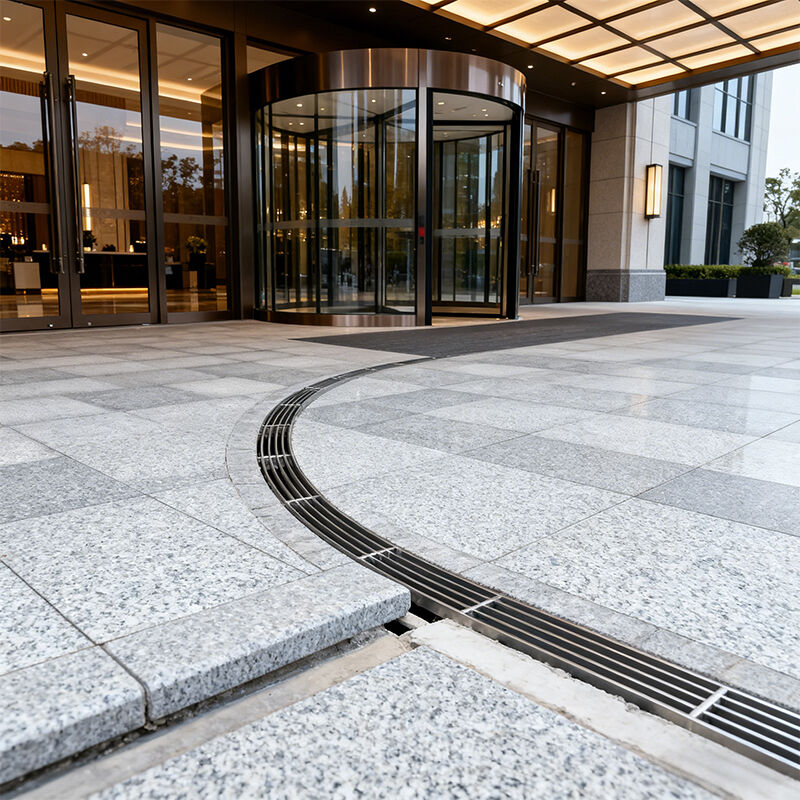
Modern urban infrastructure demands durable, efficient drainage solutions that can withstand environmental challenges while maintaining aesthetic appeal. When selecting drainage components for commercial, residential, or municipal applications, the choice between materials significantly impacts long-term performance and maintenance costs. A stainless steel rainwater grate represents the pinnacle of drainage technology, offering superior durability and functionality compared to traditional plastic alternatives.
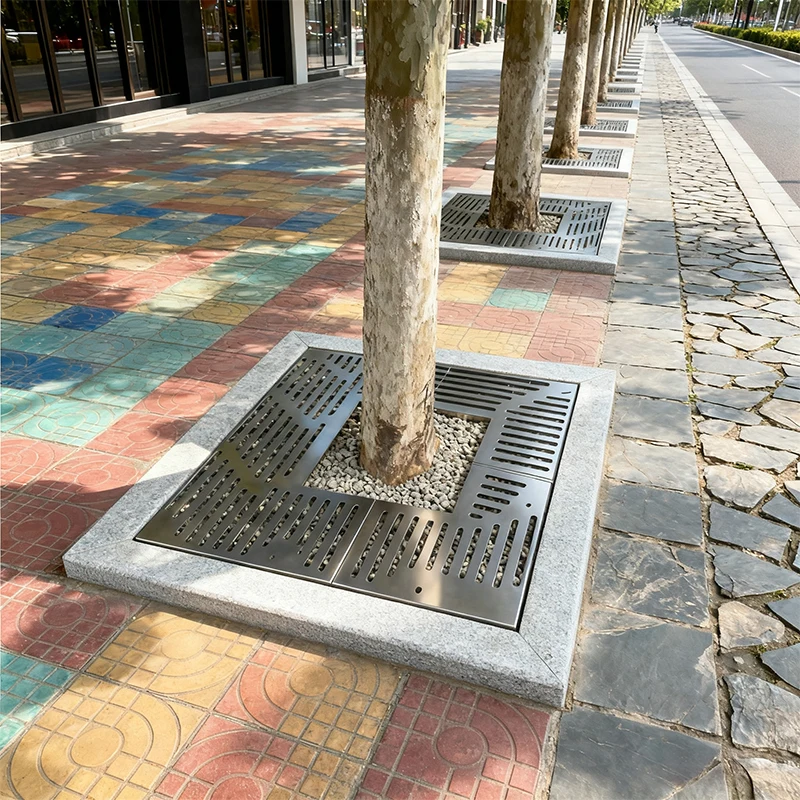
The fundamental differences between stainless steel and plastic drainage solutions extend beyond mere material composition. These distinctions affect everything from installation requirements to decades-long performance characteristics. Understanding these variations helps property managers, architects, and engineers make informed decisions that balance initial investment with lifecycle value. The superior properties of stainless steel create compelling advantages in demanding environments where reliability cannot be compromised.
Material Durability and Longevity Comparison
Corrosion Resistance Properties
Stainless steel's chromium content creates a passive oxide layer that naturally protects against corrosion, making it exceptionally suitable for water drainage applications. This inherent resistance means that a stainless steel rainwater grate maintains its structural integrity even when exposed to acidic rainwater, de-icing salts, or industrial pollutants commonly found in urban runoff. The material's molecular structure prevents rust formation, ensuring decades of reliable service without degradation.
Plastic materials, while initially resistant to moisture, gradually break down under ultraviolet radiation and temperature fluctuations. Chemical exposure from various contaminants in stormwater can cause plastic to become brittle, leading to cracking and eventual failure. The polymer chains in plastic weaken over time, particularly when subjected to freeze-thaw cycles common in temperate climates.
Load-Bearing Capacity Differences
The structural strength of stainless steel far exceeds that of plastic materials, making it capable of supporting substantial loads without deformation. This superior load-bearing capacity becomes critical in areas with vehicular traffic, heavy foot traffic, or where maintenance equipment must cross drainage areas. Steel's high tensile strength ensures that grates maintain their shape and functionality under stress.
Plastic grates often suffer from creep deformation, where continuous loading causes gradual shape changes that compromise drainage efficiency. Temperature variations exacerbate this issue, as plastic expansion and contraction cycles can create gaps or warping that affects water flow patterns. The limited load capacity of plastic solutions restricts their application in high-traffic environments.
Environmental Performance Under Extreme Conditions
Temperature Tolerance Range
Stainless steel maintains its mechanical properties across an extensive temperature range, from arctic conditions to extreme heat. This thermal stability ensures consistent performance regardless of climate variations or seasonal changes. The material's low thermal expansion coefficient means minimal dimensional changes that could affect drainage patterns or create installation gaps.
Extreme temperature fluctuations cause significant expansion and contraction in plastic materials, potentially creating gaps in the drainage system or causing binding against surrounding structures. Cold temperatures make plastic brittle and susceptible to impact damage, while high temperatures can cause softening and deformation. These thermal limitations restrict plastic grate effectiveness in regions with variable climates.
UV Radiation and Weather Resistance
Prolonged exposure to ultraviolet radiation has minimal impact on stainless steel, preserving both appearance and structural properties over decades of outdoor service. The material's surface finish can be selected to provide optimal performance characteristics, from highly polished surfaces that facilitate cleaning to textured finishes that enhance slip resistance. Weather exposure actually improves stainless steel's corrosion resistance through passive layer development.
Plastic materials degrade significantly under UV exposure, experiencing color changes, surface chalking, and progressive weakening of molecular bonds. Even UV-stabilized plastics eventually succumb to photodegradation, requiring replacement much sooner than steel alternatives. The aesthetic deterioration of plastic affects the overall appearance of installations, creating maintenance and replacement costs.
Installation and Maintenance Considerations
Installation Flexibility and Requirements
The precision manufacturing possible with stainless steel allows for exact dimensional tolerances and custom configurations to meet specific project requirements. Professional fabrication techniques enable complex shapes and integrated features that enhance functionality. Installation procedures for steel grates typically require standard construction tools and techniques familiar to most contractors.
While plastic grates may appear easier to handle due to lower weight, their dimensional instability and limited customization options can complicate installation. Temperature-dependent expansion requires careful gap planning, and the material's flexibility may necessitate additional support structures. Cutting or modifying plastic grates on-site often results in rough edges that compromise appearance and may create stress concentration points.
Long-term Maintenance Requirements
Maintenance of stainless steel rainwater grate systems primarily involves periodic cleaning to remove debris and maintain optimal drainage flow. The material's smooth surface characteristics facilitate easy cleaning with standard pressure washing or manual debris removal. Stainless steel's resistance to biological growth reduces the frequency of deep cleaning requirements.
Plastic grate maintenance becomes increasingly challenging as the material ages and surface texture changes. Weathered plastic surfaces become more porous, harboring bacteria and organic growth that requires chemical treatment. The gradual degradation of plastic necessitates more frequent inspection and eventual replacement, increasing long-term maintenance costs significantly.
Economic Analysis and Lifecycle Value
Initial Investment Comparison
The upfront cost of stainless steel drainage solutions typically exceeds that of plastic alternatives, creating an initial budget consideration for project planners. However, this investment differential must be evaluated against the extended service life and reduced maintenance requirements of steel systems. Quality stainless steel grates often provide service lives measured in decades rather than years.
Plastic grates present lower initial costs but require more frequent replacement cycles that accumulate significant expenses over time. The replacement process involves not only material costs but also labor, disposal fees, and potential disruption to facility operations. These recurring expenses often exceed the initial savings within the first decade of service.
Total Cost of Ownership Analysis
Comprehensive lifecycle cost analysis reveals the economic advantages of stainless steel investment when evaluated over realistic service periods. The combination of extended service life, minimal maintenance requirements, and retained salvage value creates compelling financial justification. Professional cost modeling typically demonstrates payback periods of five to seven years for steel upgrades.
The total ownership cost of plastic systems includes frequent replacement cycles, increased maintenance labor, and potential liability from premature failures. Environmental disposal costs for plastic materials continue rising, adding to the lifecycle expense burden. These factors make plastic solutions more expensive over extended evaluation periods despite lower initial purchase prices.
Applications and Industry-Specific Benefits
Commercial and Industrial Settings
Commercial facilities benefit from the professional appearance and reliable performance of stainless steel drainage systems. The material's ability to withstand heavy traffic loads and resist damage from cleaning chemicals makes it ideal for retail centers, office complexes, and manufacturing facilities. Stainless steel's compatibility with food service environments adds versatility for mixed-use developments.
Industrial applications particularly benefit from stainless steel's chemical resistance and mechanical strength. Process facilities dealing with corrosive materials or high-temperature operations find plastic inadequate for their demanding requirements. The reliability of steel systems reduces maintenance downtime and operational disruptions critical in industrial settings.
Municipal and Public Infrastructure
Municipal drainage projects require solutions that provide decades of reliable service with minimal maintenance burden on public works departments. Stainless steel grates meet these requirements while maintaining aesthetic standards important in public spaces. The material's vandal resistance and security characteristics provide additional benefits in urban environments.
Public safety considerations favor stainless steel due to its predictable performance characteristics and resistance to sudden failure modes. The slip-resistant surface options available in steel provide better pedestrian safety than smooth plastic surfaces that become slippery when wet. These safety benefits reduce municipal liability exposure significantly.
Environmental Impact and Sustainability
Recyclability and Environmental Footprint
Stainless steel ranks among the most recyclable materials available, with recycling rates exceeding ninety percent in most developed markets. End-of-life steel grates retain significant material value and can be completely reprocessed into new products without quality degradation. This recyclability supports circular economy principles and reduces environmental impact.
Plastic recycling faces significant challenges including contamination, degradation during reprocessing, and limited end-use markets for recycled drainage products. Most plastic grates ultimately enter waste streams rather than productive recycling loops. The environmental persistence of plastic materials creates long-term ecological concerns not associated with steel products.
Manufacturing and Production Considerations
Modern stainless steel production incorporates substantial recycled content, reducing the environmental impact of new installations. Energy-efficient manufacturing processes and improved alloy formulations continue reducing the carbon footprint associated with steel production. Local manufacturing capabilities for steel grates often reduce transportation-related emissions.
Plastic production relies heavily on petroleum-based feedstocks and energy-intensive polymerization processes. The shorter service life of plastic products amplifies their environmental impact through repeated manufacturing cycles. Transportation costs for frequent replacements add to the overall environmental burden of plastic drainage systems.
FAQ
What makes stainless steel grates more expensive initially than plastic alternatives
The higher initial cost of stainless steel rainwater grates reflects the superior material properties, precision manufacturing processes, and extended service life built into these products. Raw material costs for stainless steel exceed those of plastic, and the fabrication processes require specialized equipment and skilled labor. However, this investment provides decades of reliable service that typically justifies the premium through reduced lifecycle costs.
How long can I expect a stainless steel rainwater grate to last compared to plastic
Quality stainless steel grates typically provide twenty to thirty years of reliable service under normal conditions, with many installations exceeding forty years. Plastic grates generally require replacement every five to ten years depending on environmental conditions and usage patterns. The extended service life of steel makes it more economical over time despite higher upfront costs.
Are there any maintenance differences between steel and plastic drainage grates
Stainless steel grates require minimal maintenance beyond periodic debris removal and occasional pressure washing to maintain optimal performance. The material's smooth, non-porous surface resists biological growth and facilitates easy cleaning. Plastic grates require more frequent cleaning as they age, and their changing surface texture makes maintenance progressively more difficult over time.
Can stainless steel grates handle the same load requirements as plastic in pedestrian areas
Stainless steel grates significantly exceed the load-bearing capacity of plastic alternatives, making them suitable for both pedestrian and vehicular applications. Steel's superior strength allows for lighter, more open designs that actually improve drainage flow while supporting greater loads. Plastic grates are limited to light-duty pedestrian applications and may deform under concentrated loads or temperature variations.
Table of Contents
- Material Durability and Longevity Comparison
- Environmental Performance Under Extreme Conditions
- Installation and Maintenance Considerations
- Economic Analysis and Lifecycle Value
- Applications and Industry-Specific Benefits
- Environmental Impact and Sustainability
-
FAQ
- What makes stainless steel grates more expensive initially than plastic alternatives
- How long can I expect a stainless steel rainwater grate to last compared to plastic
- Are there any maintenance differences between steel and plastic drainage grates
- Can stainless steel grates handle the same load requirements as plastic in pedestrian areas