
 EN
EN
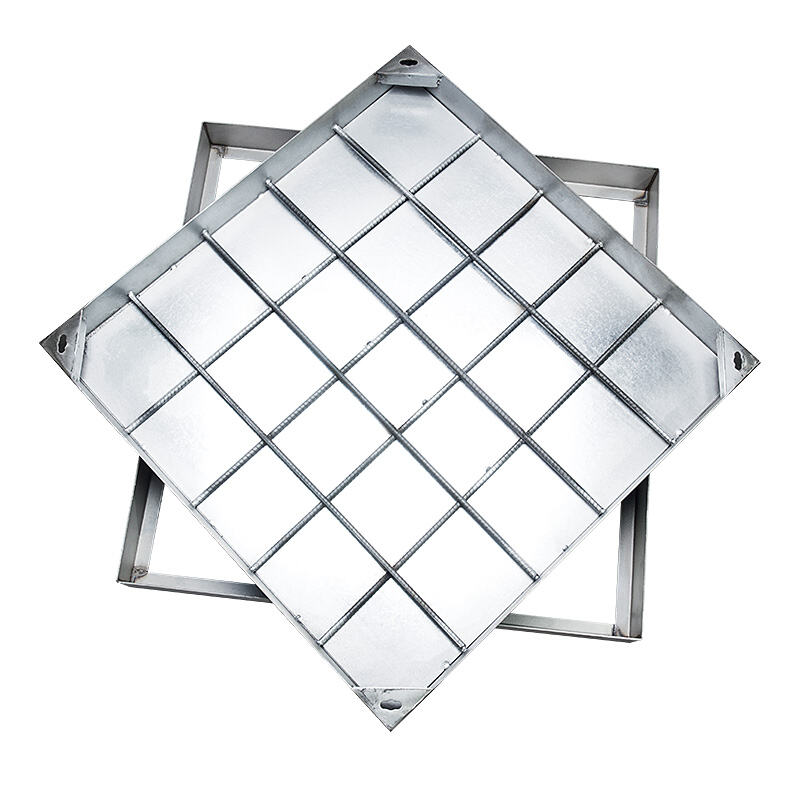
Industrial infrastructure relies heavily on access points that provide both safety and durability while maintaining seamless integration with surrounding surfaces. The stainless steel manhole cover has emerged as a critical component in modern infrastructure design, offering superior performance characteristics that make it an ideal choice for demanding applications. These covers combine the inherent strength of steel with corrosion resistance properties that ensure long-term reliability in various environmental conditions. Understanding where these specialized access covers deliver the most value helps engineers and facility managers make informed decisions about infrastructure investments.
Commercial Food Processing Facilities
Hygiene Critical Environments
Food processing plants demand the highest standards of cleanliness and contamination prevention. A stainless steel manhole cover provides the non-porous surface essential for maintaining sanitary conditions in these environments. The smooth finish prevents bacterial growth and allows for thorough cleaning with industrial-grade sanitizers. Unlike traditional cast iron covers, stainless steel options resist staining and maintain their appearance even after repeated exposure to cleaning chemicals and high-pressure washing systems.
The seamless construction typical of quality stainless steel covers eliminates crevices where contaminants might accumulate. This characteristic makes them particularly valuable in meat processing facilities, dairy operations, and beverage production environments where regulatory compliance requires demonstrable cleanliness protocols. The ability to withstand temperature extremes also makes these covers suitable for areas where hot washdown procedures are standard practice.
Chemical Resistance Properties
Food processing operations often involve exposure to various acids, bases, and cleaning agents that can rapidly degrade inferior materials. The stainless steel manhole cover demonstrates exceptional resistance to these chemical environments, maintaining structural integrity and surface quality over extended periods. This resistance translates to reduced maintenance costs and fewer replacement cycles, making them economically advantageous despite higher initial investment requirements.
Processing facilities that handle acidic products like citrus juices or vinegar-based items particularly benefit from stainless steel's inert properties. The covers maintain their protective function without introducing metallic contamination that could affect product quality or flavor profiles. This chemical stability also extends to resistance against salt solutions and brines commonly used in food preservation processes.
Marine and Coastal Infrastructure
Salt Water Corrosion Resistance
Coastal facilities face unique challenges from salt spray and high humidity conditions that rapidly corrode traditional materials. The stainless steel manhole cover provides exceptional performance in these harsh environments, resisting the electrochemical processes that cause pitting and structural failure in other metal covers. Marine terminals, port facilities, and coastal treatment plants rely on this corrosion resistance to maintain operational integrity.
The chromium content in stainless steel forms a passive oxide layer that self-heals when damaged, providing continuous protection against salt-induced corrosion. This property is particularly valuable in tidal zones where covers experience alternating wet and dry cycles that accelerate corrosion in susceptible materials. Shipyards and offshore platforms also utilize these covers to ensure reliable access to critical systems in environments where replacement operations are complex and costly.
Marine Grade Specifications
Marine applications often require specialized grades of stainless steel that exceed standard commercial specifications. The stainless steel manhole cover designed for marine use typically incorporates higher nickel and molybdenum content to enhance resistance to chloride-induced stress corrosion cracking. These enhanced alloys maintain their protective properties even under the extreme conditions found in splash zones and areas with direct seawater contact.
Installation in marine environments also benefits from the non-magnetic properties of certain stainless steel grades, preventing interference with navigational equipment and sensitive electronics. The dimensional stability of these covers ensures proper fit and function despite temperature fluctuations and thermal cycling common in marine applications.
Pharmaceutical and Laboratory Settings
Contamination Prevention Standards
Pharmaceutical manufacturing requires absolute control over environmental contamination to ensure product purity and regulatory compliance. The stainless steel manhole cover meets stringent cleanroom standards while providing necessary access to utility systems beneath production floors. The non-shedding properties of properly finished stainless steel prevent particulate contamination that could compromise pharmaceutical products.
These facilities often require validation of all materials in contact with the production environment, and stainless steel covers can provide the necessary documentation and certification for FDA and other regulatory requirements. The ability to maintain surface integrity under sterilization procedures, including steam cleaning and chemical disinfection, makes these covers essential components in pharmaceutical infrastructure.
Research Laboratory Applications
Research facilities handling sensitive materials or conducting precision measurements require infrastructure components that won't introduce contamination or interfere with experimental procedures. The stainless steel manhole cover provides the chemical inertness necessary for laboratories working with reactive compounds or trace analysis applications. The stable composition ensures that covers won't leach materials that could affect sensitive analytical instruments or compromise research results.
Laboratory environments also benefit from the ease of decontamination that stainless steel covers provide. In facilities working with hazardous materials or biological agents, the ability to thoroughly clean and sterilize access points becomes a critical safety requirement. The smooth, non-porous surface facilitates effective decontamination protocols while maintaining structural integrity under repeated cleaning cycles.
High-Traffic Urban Applications
Pedestrian and Vehicle Load Capacity
Urban infrastructure demands access covers capable of withstanding constant loading from pedestrians and vehicles while maintaining safety and appearance standards. The stainless steel manhole cover provides superior load distribution characteristics compared to traditional materials, reducing stress concentrations that can lead to premature failure. The inherent strength of stainless steel allows for thinner profile designs that still meet or exceed load rating requirements.
High-traffic applications particularly benefit from the wear resistance of stainless steel surfaces, which maintain their slip-resistant properties over extended service periods. Unlike painted or coated covers that may become slippery when surface treatments wear away, stainless steel maintains consistent traction characteristics throughout its service life. This reliability is crucial in pedestrian areas where slip hazards could result in liability issues.
Aesthetic Integration Benefits
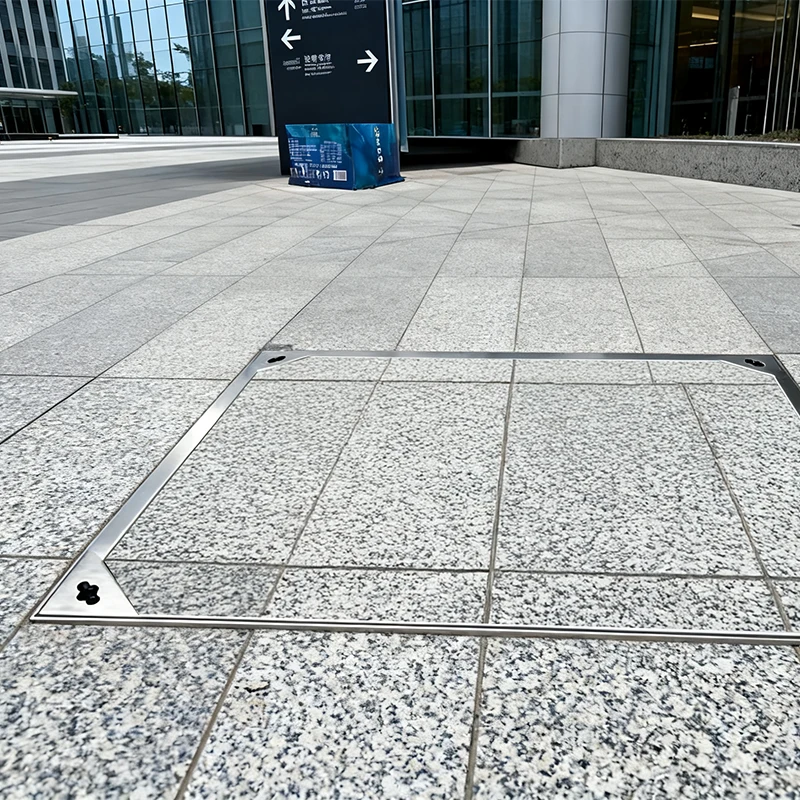
Modern urban design increasingly emphasizes visual continuity and architectural integration of infrastructure elements. The stainless steel manhole cover can be finished to complement surrounding materials while maintaining its functional properties. Brushed, polished, or textured finishes allow these covers to blend seamlessly with contemporary architectural themes while providing the durability required for urban service conditions.
The color stability of stainless steel eliminates the need for periodic repainting or refinishing that other materials require to maintain appearance standards. This characteristic is particularly valuable in historic districts or high-visibility areas where maintaining consistent aesthetics is important for property values and community standards. The ability to incorporate custom patterns or logos through laser etching also provides opportunities for branding or wayfinding applications.
Industrial Wastewater Treatment
Chemical Process Environments
Wastewater treatment facilities expose infrastructure components to aggressive chemical environments that quickly degrade standard materials. The stainless steel manhole cover demonstrates exceptional performance in these conditions, resisting attack from acids, bases, and organic solvents commonly found in industrial wastewater streams. Treatment plants handling industrial discharge particularly benefit from the chemical inertness that prevents cover degradation and potential contamination of treatment processes.
The resistance to hydrogen sulfide and other corrosive gases generated during biological treatment processes makes stainless steel covers essential for maintaining access point integrity. These covers maintain their structural properties even when exposed to the acidic conditions that develop in sewer systems and collection points. The longevity provided by this resistance translates to reduced maintenance requirements and improved system reliability.
Biological Treatment Applications
Biological wastewater treatment systems create unique challenges through the production of biofilms and organic acids that can rapidly degrade susceptible materials. The stainless steel manhole cover resists biological attack while providing the smooth surface necessary to prevent biofilm accumulation. This resistance is particularly important in areas where covers might be submerged or exposed to splashing from aeration systems.
The non-toxic nature of stainless steel ensures that covers won't leach materials that could inhibit biological treatment processes or harm beneficial microorganisms. This compatibility is crucial in advanced treatment systems where maintaining optimal biological activity is essential for meeting discharge requirements. The ability to withstand cleaning procedures necessary for maintaining treatment efficiency also makes these covers valuable components in modern treatment facilities.
FAQ
What makes stainless steel manhole covers superior to traditional cast iron options
Stainless steel manhole covers offer significant advantages over cast iron through superior corrosion resistance, lighter weight for easier handling, and enhanced aesthetic appeal. The corrosion resistance eliminates the rust and deterioration issues common with cast iron, particularly in aggressive environments. Additionally, stainless steel covers can be manufactured with more precise tolerances and smoother surfaces that improve safety and reduce noise when trafficked by vehicles.
How do you determine the appropriate grade of stainless steel for specific applications
Grade selection depends on environmental conditions, chemical exposure, and performance requirements. Grade 304 stainless steel works well for most general applications, while Grade 316 provides enhanced corrosion resistance for marine or chemical environments. Specialized applications may require super-duplex or other high-performance alloys. Consulting with materials engineers helps ensure optimal grade selection for specific service conditions and regulatory requirements.
What maintenance procedures are required for stainless steel manhole covers
Maintenance requirements for stainless steel manhole covers are minimal compared to other materials. Regular inspection for proper fit and gasket condition is recommended, along with periodic cleaning to maintain appearance and slip resistance. In harsh environments, more frequent cleaning may be necessary to remove accumulated contaminants. The covers should be inspected for any damage that might compromise their load-bearing capacity or sealing properties.
Can stainless steel manhole covers be customized for specific installation requirements
Yes, stainless steel manhole covers can be extensively customized to meet specific dimensional, load rating, and aesthetic requirements. Custom sizing, hole patterns, surface textures, and frame configurations are readily achievable through modern manufacturing techniques. Laser cutting and machining capabilities allow for precise fitting to existing infrastructure while maintaining the performance characteristics required for demanding applications.
Table of Contents
- Commercial Food Processing Facilities
- Marine and Coastal Infrastructure
- Pharmaceutical and Laboratory Settings
- High-Traffic Urban Applications
- Industrial Wastewater Treatment
-
FAQ
- What makes stainless steel manhole covers superior to traditional cast iron options
- How do you determine the appropriate grade of stainless steel for specific applications
- What maintenance procedures are required for stainless steel manhole covers
- Can stainless steel manhole covers be customized for specific installation requirements