
 EN
EN
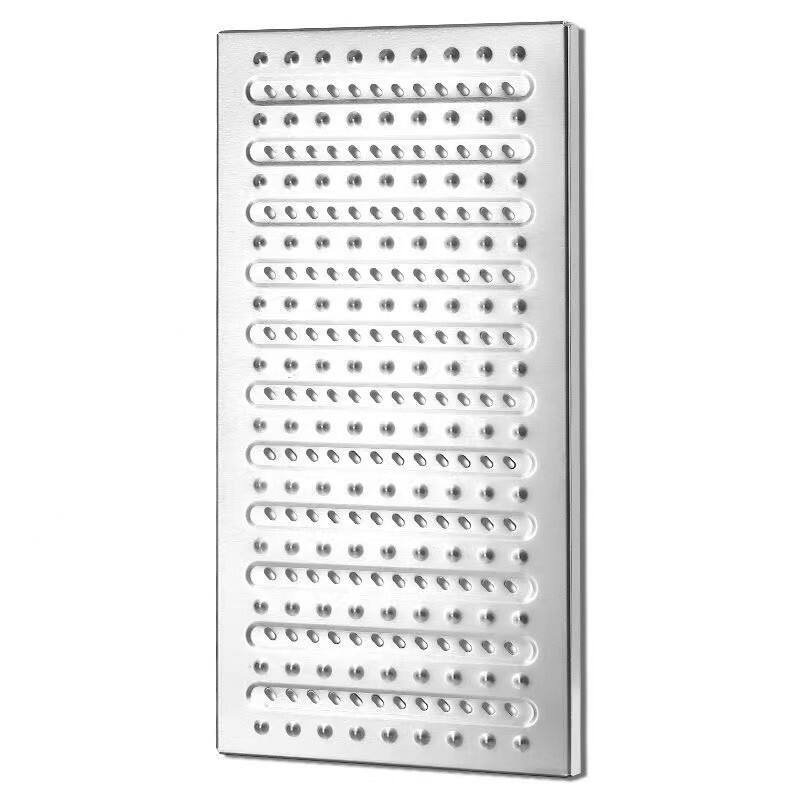
Industrial applications demand materials that can withstand harsh environments while maintaining structural integrity and safety standards. Among the various flooring and drainage solutions available, stainless steel grating has emerged as a preferred choice for engineers and facility managers across multiple industries. This versatile material combines exceptional durability, corrosion resistance, and load-bearing capacity to meet the rigorous demands of modern industrial operations.
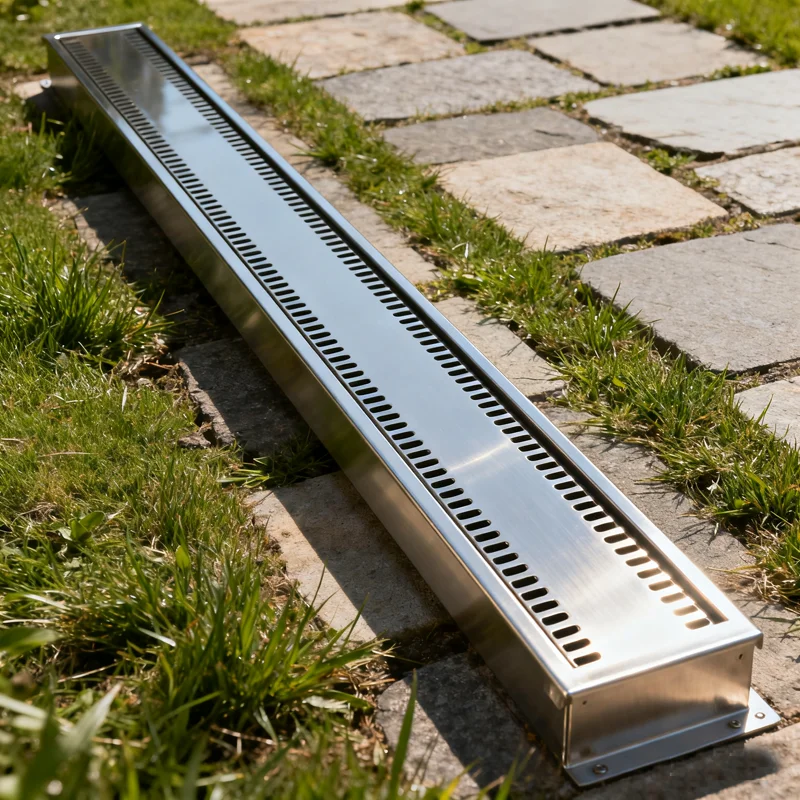
The selection of appropriate grating materials significantly impacts operational efficiency, maintenance costs, and workplace safety. Stainless steel grating offers unique advantages that make it particularly well-suited for environments where traditional materials may fail or require frequent replacement. Understanding these benefits enables industrial decision-makers to make informed choices that optimize both performance and cost-effectiveness.
Superior Corrosion Resistance Properties
Chemical Environment Protection
Stainless steel grating demonstrates exceptional resistance to chemical corrosion, making it ideal for facilities handling aggressive substances. The chromium content in stainless steel forms a passive oxide layer that naturally protects against rust and chemical degradation. This protective barrier remains stable even when exposed to acids, alkalis, and other corrosive compounds commonly found in industrial environments.
Manufacturing plants processing chemicals, pharmaceuticals, or food products benefit significantly from this corrosion resistance. Unlike carbon steel alternatives that require protective coatings and frequent maintenance, stainless steel grating maintains its structural integrity without additional surface treatments. This inherent protection reduces long-term operational costs and ensures consistent performance across varying chemical exposure levels.
Marine and Moisture Resistance
Coastal industrial facilities and applications involving high humidity levels require materials capable of withstanding constant moisture exposure. Stainless steel grating excels in these environments due to its resistance to saltwater corrosion and humidity-related deterioration. The material maintains its strength and appearance even in marine environments where conventional materials would rapidly degrade.
Offshore platforms, shipyards, and waterfront processing facilities rely on stainless steel grating for walkways, drainage systems, and equipment platforms. The material's ability to resist pitting and crevice corrosion ensures long-term reliability in these challenging conditions. Regular maintenance requirements are minimal, contributing to reduced operational downtime and maintenance costs.
Structural Strength and Load Capacity
High Load-Bearing Performance
Industrial environments often require flooring systems capable of supporting heavy equipment, machinery, and high foot traffic. Stainless steel grating provides exceptional load-bearing capacity while maintaining a relatively lightweight profile. The material's high strength-to-weight ratio allows for efficient structural designs that minimize supporting framework requirements.
Manufacturing facilities housing heavy machinery benefit from the distributed load characteristics of stainless steel grating. The open design allows for effective load distribution across the supporting structure while providing adequate drainage and ventilation. This combination of strength and functionality makes it an ideal choice for industrial platforms, mezzanines, and equipment access areas.
Fatigue Resistance and Durability
Repeated loading cycles in industrial applications can cause material fatigue and eventual failure in conventional flooring systems. Stainless steel grating exhibits superior fatigue resistance, maintaining structural integrity even under continuous cyclic loading conditions. This property is particularly valuable in facilities with constant equipment operation and personnel movement.
The material's durability translates to extended service life and reduced replacement frequency. Industrial facilities can expect decades of reliable performance from properly installed stainless steel grating systems. This longevity provides significant economic advantages through reduced lifecycle costs and improved return on investment.
Safety and Compliance Features
Non-Slip Surface Characteristics
Workplace safety remains a primary concern in industrial environments, particularly in areas prone to wet or slippery conditions. Stainless steel grating incorporates anti-slip surface treatments and structural designs that enhance traction and reduce accident risk. The serrated or diamond-pattern surfaces provide superior grip even when wet or contaminated with industrial fluids.
The open design of stainless steel grating allows liquids and debris to drain through, preventing accumulation on walking surfaces. This self-draining characteristic significantly reduces slip hazards compared to solid flooring materials. Safety managers appreciate the reduced liability exposure and improved worker confidence that comes with reliable anti-slip surfaces.
Fire Safety and Heat Resistance
Industrial facilities must comply with strict fire safety regulations and building codes. Stainless steel grating provides excellent fire resistance characteristics, maintaining structural integrity at elevated temperatures where other materials might fail. The non-combustible nature of stainless steel contributes to overall facility fire safety ratings.
High-temperature industrial processes benefit from stainless steel grating's thermal stability and heat resistance. The material can withstand temperature fluctuations without warping or degrading, making it suitable for applications near furnaces, boilers, and other heat-generating equipment. This thermal stability ensures consistent performance and safety in demanding thermal environments.
Maintenance and Operational Benefits
Easy Cleaning and Sanitization
Hygiene requirements in food processing, pharmaceutical, and healthcare facilities demand materials that support effective cleaning and sanitization procedures. Stainless steel grating's smooth, non-porous surface resists bacterial growth and facilitates thorough cleaning with standard industrial cleaning agents. The open design allows cleaning solutions to reach all surfaces and drain completely.
The material's resistance to cleaning chemicals and high-pressure washing makes maintenance procedures straightforward and efficient. Facility managers can implement aggressive cleaning protocols without concern for material degradation or surface damage. This compatibility with sanitation requirements helps maintain compliance with industry regulations and quality standards.
Reduced Maintenance Requirements
Traditional flooring materials often require regular painting, coating renewal, and structural repairs to maintain performance and appearance. Stainless steel grating eliminates many of these maintenance requirements through its inherent corrosion resistance and durability. The material maintains its appearance and functionality with minimal intervention, reducing maintenance labor and material costs.
Predictable maintenance schedules and reduced unexpected failures contribute to improved operational planning and budget control. Facility managers can allocate maintenance resources more effectively when using stainless steel grating systems that provide reliable, long-term performance. This predictability supports better maintenance planning and resource allocation strategies.
Environmental and Sustainability Considerations
Recyclability and Environmental Impact
Sustainability considerations increasingly influence industrial material selection decisions. Stainless steel grating offers excellent recyclability characteristics, with the material retaining its properties through multiple recycling cycles. At the end of its service life, stainless steel grating can be completely recycled without quality loss, contributing to circular economy principles.
The long service life of stainless steel grating reduces the frequency of material replacement and associated environmental impacts. Manufacturing facilities pursuing green building certifications and environmental sustainability goals benefit from the material's low lifecycle environmental footprint. This sustainability aspect aligns with corporate environmental responsibility initiatives and regulatory compliance requirements.
Energy Efficiency Benefits
The open design of stainless steel grating promotes natural ventilation and air circulation, potentially reducing mechanical ventilation requirements in industrial facilities. This characteristic can contribute to energy savings and improved indoor air quality. The material's thermal properties also support efficient heat distribution in applications requiring temperature control.
Facilities utilizing stainless steel grating for elevated platforms and walkways benefit from improved lighting penetration to lower levels. This light transmission can reduce artificial lighting requirements and associated energy consumption. The combination of ventilation and lighting benefits contributes to overall facility energy efficiency improvements.
Cost Analysis and Economic Value
Initial Investment Considerations
While stainless steel grating may require higher initial capital investment compared to alternative materials, the total cost of ownership typically favors stainless steel over the system lifecycle. The material's durability, reduced maintenance requirements, and extended service life contribute to superior economic value when evaluated on a lifecycle cost basis.
Industrial facilities planning long-term operations benefit from the stable, predictable costs associated with stainless steel grating installations. The material's resistance to unexpected failures and maintenance requirements supports more accurate budget forecasting and financial planning. This cost predictability provides valuable advantages for facilities management and capital planning processes.
Return on Investment Factors
The economic benefits of stainless steel grating extend beyond direct material and maintenance cost savings. Improved workplace safety reduces insurance costs and potential liability exposure. Enhanced operational reliability minimizes production disruptions and associated revenue losses. These indirect benefits contribute significantly to the overall return on investment for stainless steel grating installations.
Facilities experiencing frequent downtime due to flooring system failures or maintenance requirements can achieve substantial productivity improvements through stainless steel grating implementation. The material's reliability and minimal maintenance requirements allow operations to continue uninterrupted, maximizing equipment utilization and production efficiency. These operational benefits often justify the initial investment through improved facility performance.
Application-Specific Advantages
Food Processing and Pharmaceutical Industries
Food processing and pharmaceutical facilities require materials that meet strict sanitary standards and regulatory requirements. Stainless steel grating provides the hygienic characteristics necessary for these applications while maintaining structural performance under frequent cleaning and sanitization procedures. The material's non-reactive properties prevent contamination and ensure product quality.
Regulatory compliance in these industries often mandates specific material characteristics that stainless steel grating readily meets. FDA approval and other regulatory certifications support the material's use in critical applications where contamination control is paramount. Facility managers in these industries rely on stainless steel grating to maintain compliance while providing safe, durable flooring solutions.
Chemical Processing and Industrial Manufacturing
Chemical processing facilities face unique challenges from aggressive chemical exposure and high-temperature operations. Stainless steel grating's chemical resistance and thermal stability make it particularly well-suited for these demanding environments. The material maintains performance characteristics even when exposed to harsh industrial chemicals and elevated temperatures.
Manufacturing facilities processing metals, textiles, and other industrial materials benefit from stainless steel grating's ability to withstand contamination and abuse. The material's durability ensures continued operation even in environments with heavy machinery, frequent impact, and exposure to industrial fluids. This reliability supports continuous production operations and minimizes unexpected maintenance interruptions.
FAQ
What makes stainless steel grating more expensive initially but cost-effective long-term?
Stainless steel grating requires higher initial investment due to premium raw materials and manufacturing processes. However, the total lifecycle cost proves more economical because the material requires minimal maintenance, resists corrosion without protective coatings, and provides decades of service life. The elimination of painting, frequent repairs, and premature replacement more than compensates for the higher upfront cost through reduced operational expenses and improved reliability.
How does stainless steel grating perform in extreme temperature environments?
Stainless steel grating maintains structural integrity and performance characteristics across a wide temperature range, from cryogenic applications to high-heat industrial processes. The material's thermal stability prevents warping, cracking, or degradation that commonly affects other materials under temperature stress. This thermal resilience makes it suitable for applications near furnaces, freezers, outdoor installations, and other temperature-extreme environments.
What safety certifications and compliance standards does stainless steel grating meet?
Stainless steel grating meets various international safety and building standards, including OSHA requirements for industrial flooring, ADA compliance for accessibility, and specific industry standards for food processing and pharmaceutical applications. The material's fire resistance ratings, load capacity specifications, and anti-slip characteristics are documented and certified by recognized testing organizations. These certifications ensure compliance with regulatory requirements and support facility safety programs.
Can stainless steel grating be customized for specific industrial applications?
Yes, stainless steel grating can be extensively customized to meet specific application requirements. Manufacturers can adjust bar spacing, surface treatments, load ratings, and dimensional specifications to match particular use cases. Custom fabrication includes special shapes, cutouts for equipment, integrated drainage features, and various surface textures. This customization capability allows engineers to optimize the material for specific performance requirements while maintaining the inherent benefits of stainless steel construction.
Table of Contents
- Superior Corrosion Resistance Properties
- Structural Strength and Load Capacity
- Safety and Compliance Features
- Maintenance and Operational Benefits
- Environmental and Sustainability Considerations
- Cost Analysis and Economic Value
- Application-Specific Advantages
-
FAQ
- What makes stainless steel grating more expensive initially but cost-effective long-term?
- How does stainless steel grating perform in extreme temperature environments?
- What safety certifications and compliance standards does stainless steel grating meet?
- Can stainless steel grating be customized for specific industrial applications?