
 EN
EN
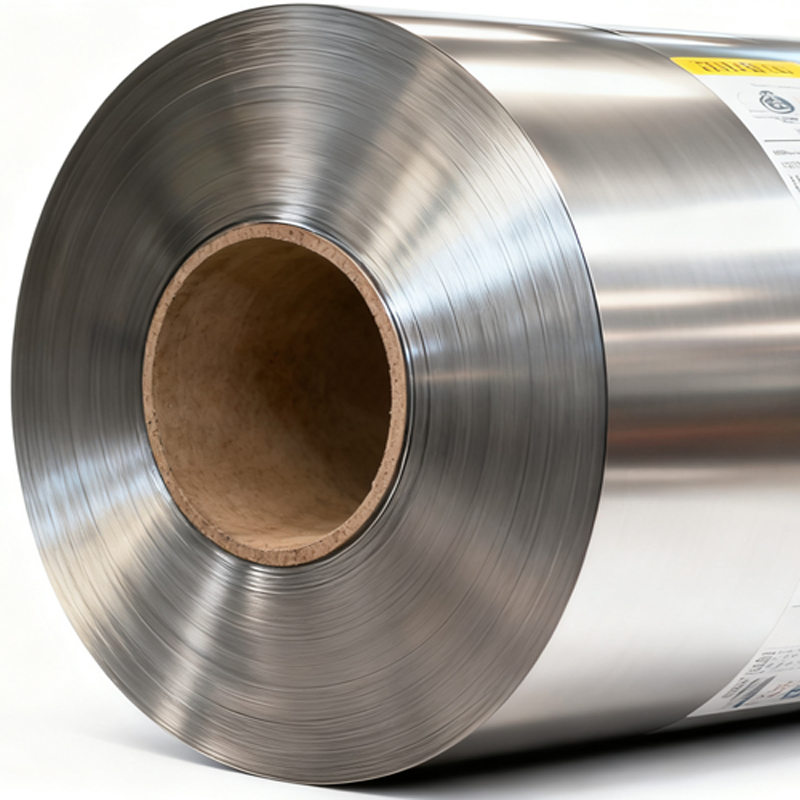
Modern manufacturing and industrial applications increasingly rely on materials that deliver exceptional safety and performance characteristics. Stainless steel has emerged as the premier choice for countless applications due to its unique combination of corrosion resistance, durability, and hygienic properties. From medical devices to food processing equipment, this versatile alloy continues to revolutionize how industries approach safety standards and operational efficiency. Understanding the fundamental properties that make stainless steel so effective helps explain why it has become indispensable across numerous sectors.
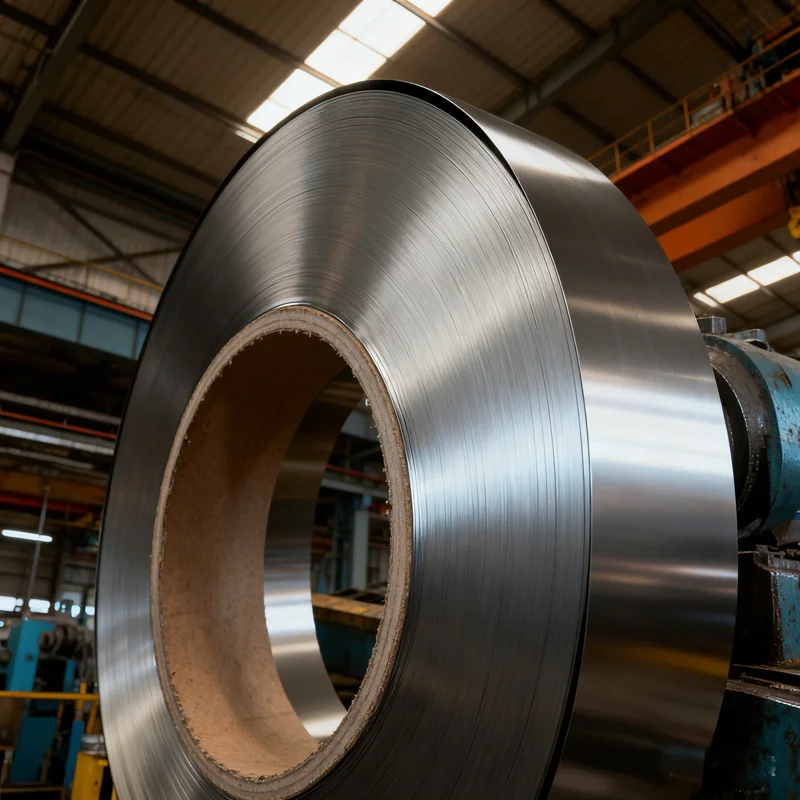
Corrosion Resistance and Longevity Benefits
Chemical Composition Advantages
The exceptional corrosion resistance of stainless steel stems from its carefully engineered chemical composition, particularly the presence of chromium content exceeding 10.5%. This chromium forms a protective passive oxide layer on the surface that naturally regenerates when damaged, providing continuous protection against environmental factors. The addition of nickel, molybdenum, and other alloying elements further enhances this protective capability, making stainless steel suitable for harsh chemical environments and extreme weather conditions.
Different grades of stainless steel offer varying levels of corrosion resistance depending on their specific applications. Austenitic grades like 304 and 316 provide excellent general corrosion resistance, while specialized grades such as 2205 duplex stainless steel offer superior resistance to chloride-induced stress corrosion cracking. This versatility allows engineers and designers to select the optimal grade for specific environmental challenges, ensuring maximum safety and performance throughout the product lifecycle.
Extended Service Life Performance
The superior longevity of stainless steel components significantly impacts both safety and economic performance in industrial applications. Unlike carbon steel or other materials that may deteriorate rapidly under challenging conditions, stainless steel maintains its structural integrity and appearance over decades of service. This extended service life reduces the frequency of maintenance interventions and component replacements, minimizing downtime and associated safety risks.
Regular maintenance requirements for stainless steel systems are substantially lower compared to alternative materials, resulting in reduced exposure of maintenance personnel to potentially hazardous environments. The material's resistance to fatigue and stress corrosion cracking ensures that critical safety systems remain reliable throughout their intended service life, providing consistent protection for both equipment and personnel.
Hygienic Properties and Food Safety Applications
Surface Characteristics and Cleanability
The smooth, non-porous surface of stainless steel creates an ideal environment for maintaining strict hygienic standards in food processing and pharmaceutical manufacturing. This surface characteristic prevents the accumulation of bacteria, dirt, and other contaminants that could compromise product safety or quality. The ability to achieve mirror-like finishes through mechanical polishing further enhances these hygienic properties by eliminating microscopic surface irregularities where contaminants might otherwise accumulate.
Cleaning and sanitization procedures for stainless steel equipment are significantly more effective than those for other materials. The material's resistance to chemical cleaning agents allows for aggressive sanitization protocols without concern for material degradation. Steam sterilization, caustic cleaning solutions, and high-pressure washing systems can be safely employed without compromising the integrity of stainless steel components, ensuring thorough decontamination between production cycles.
Regulatory Compliance and Standards
Stainless steel grades used in food contact applications must comply with stringent regulatory standards established by organizations such as the FDA, USDA, and various international food safety authorities. These regulations specify acceptable alloying elements and surface finishes to ensure that no harmful substances migrate from the steel into food products. The inherent chemical stability of stainless steel makes it naturally compliant with these requirements, providing manufacturers with confidence in their food safety programs.
Documentation and traceability requirements for food-grade stainless steel are thoroughly established throughout the supply chain, from raw material production to final fabrication. This comprehensive tracking system ensures that all components meet the necessary safety standards and can be quickly identified in the event of quality issues. The standardization of stainless steel grades and properties facilitates consistent performance across different suppliers and geographic regions, simplifying global food safety management.
Mechanical Strength and Structural Integrity
Load-Bearing Capabilities
The exceptional mechanical properties of stainless steel enable its use in critical load-bearing applications where safety depends on reliable structural performance. High tensile strength, excellent fatigue resistance, and superior impact toughness make stainless steel ideal for pressure vessels, structural supports, and safety-critical components in industrial facilities. These mechanical properties remain stable across a wide temperature range, ensuring consistent performance in both cryogenic and elevated temperature applications.
Work hardening characteristics of austenitic stainless steel grades provide additional safety margins in applications subject to unexpected overloads or impact forces. This strain hardening effect increases the material's strength at the point of maximum stress, helping prevent catastrophic failures and providing warning signs of impending structural problems. The ductile nature of stainless steel also allows for significant deformation before fracture, giving operators time to respond to developing safety issues.
Temperature Performance Range
Stainless steel maintains its essential safety and performance characteristics across an extraordinarily wide temperature range, from cryogenic applications below -200°C to high-temperature service exceeding 800°C. This temperature stability is crucial for safety systems that must function reliably under extreme conditions, such as fire suppression systems, nuclear power plants, and aerospace applications. The material's low thermal expansion coefficient helps maintain dimensional stability and reduces thermal stress in constrained assemblies.
Thermal conductivity properties of stainless steel provide controlled heat transfer characteristics that can be advantageous in safety applications. While lower than copper or aluminum, the thermal conductivity is sufficient for heat exchanger applications while preventing rapid heat transfer that might create safety hazards in personnel contact areas. This balanced thermal behavior contributes to safer operating environments and more predictable thermal management in complex systems.
Fire Resistance and Safety Performance
High Temperature Behavior
The fire resistance properties of stainless steel make it an excellent choice for applications where fire safety is a primary concern. Unlike many other materials that may lose structural integrity or emit toxic fumes when exposed to high temperatures, stainless steel maintains its strength and does not contribute to fire propagation. The material's high melting point and excellent oxidation resistance at elevated temperatures ensure that structural elements remain intact during fire events, providing crucial time for evacuation and fire suppression activities.
Stainless steel components do not require additional fire protection coatings in many applications, simplifying design and reducing maintenance requirements while maintaining safety performance. The material's behavior during fire exposure is well-documented and predictable, allowing engineers to accurately model fire scenarios and design appropriate safety systems. This predictable high-temperature performance is particularly valuable in petrochemical facilities, power plants, and other industrial settings where fire safety is paramount.
Smoke and Toxic Gas Considerations
During fire exposure, stainless steel does not decompose or emit toxic gases that could endanger personnel or complicate evacuation procedures. This characteristic is particularly important in enclosed spaces such as marine vessels, aircraft, and underground facilities where toxic gas accumulation poses significant safety risks. The absence of organic coatings or treatments on stainless steel surfaces eliminates potential sources of toxic combustion products that might be present with other materials.
Fire safety systems fabricated from stainless steel, including sprinkler systems, fire doors, and emergency ventilation components, maintain their functionality throughout fire events. The material's resistance to thermal shock and rapid temperature changes ensures that these critical safety systems continue operating when they are most needed, potentially saving lives and minimizing property damage during emergency situations.
Environmental Impact and Sustainability
Recyclability and Lifecycle Benefits
The environmental safety profile of stainless steel is enhanced by its complete recyclability and minimal environmental impact throughout its lifecycle. Stainless steel contains no toxic elements that could leach into soil or groundwater, making it safe for use in environmental applications such as water treatment facilities and renewable energy systems. The material's long service life reduces the frequency of replacement and associated environmental impacts from manufacturing and transportation activities.
End-of-life recycling of stainless steel components recovers virtually all of the material's value while maintaining the same performance characteristics in new applications. This closed-loop recyclability reduces demand for virgin raw materials and minimizes waste generation, contributing to more sustainable industrial practices. The magnetic separation properties of many stainless steel grades facilitate efficient recycling processes, further enhancing their environmental credentials.
Reduced Maintenance Chemical Usage
The excellent corrosion resistance of stainless steel significantly reduces the need for protective coatings, paints, and chemical treatments that might pose environmental or safety risks. Traditional carbon steel structures require regular application of protective coatings containing volatile organic compounds and heavy metals, which can create health hazards during application and maintenance activities. Stainless steel eliminates these risks while providing superior long-term performance.
Water treatment and chemical processing applications benefit from the chemical inertness of stainless steel, which does not contribute metallic ions or other contaminants to process streams. This characteristic is essential for pharmaceutical manufacturing, food processing, and environmental remediation applications where product purity and environmental protection are critical safety requirements. The material's compatibility with a wide range of cleaning and sanitizing chemicals simplifies safety protocols while maintaining effectiveness.
FAQ
How does stainless steel prevent bacterial growth in food applications
Stainless steel prevents bacterial growth through its smooth, non-porous surface that eliminates hiding places for microorganisms. The chromium oxide layer on the surface is naturally antimicrobial and prevents bacteria from adhering and multiplying. Additionally, the material's compatibility with high-temperature sterilization and aggressive cleaning chemicals ensures complete elimination of potential contaminants between production cycles.
What makes stainless steel safer than other metals in corrosive environments
The self-healing passive oxide layer formed by chromium in stainless steel provides continuous protection against corrosion, unlike protective coatings on other metals that can be damaged or worn away. This natural protection prevents the formation of rust and corrosion products that could contaminate processes or create safety hazards. The material maintains its structural integrity even when exposed to acids, bases, and salt water that would rapidly degrade carbon steel or aluminum.
How does the fire resistance of stainless steel improve safety in industrial settings
Stainless steel maintains its structural strength at high temperatures and does not emit toxic gases when heated, making it ideal for fire safety applications. The material does not require additional fire protection coatings and continues to function during fire events, ensuring that critical safety systems like sprinkler networks and emergency exits remain operational. Its high melting point and oxidation resistance provide valuable time for evacuation and fire suppression activities.
Why is stainless steel considered environmentally safe compared to other industrial materials
Stainless steel is completely recyclable without loss of properties and contains no toxic elements that could harm the environment. Its long service life reduces replacement frequency and associated environmental impacts, while its corrosion resistance eliminates the need for protective coatings containing harmful chemicals. The material's inert nature prevents leaching of contaminants into soil or water systems, making it safe for environmental and water treatment applications.
Table of Contents
- Corrosion Resistance and Longevity Benefits
- Hygienic Properties and Food Safety Applications
- Mechanical Strength and Structural Integrity
- Fire Resistance and Safety Performance
- Environmental Impact and Sustainability
-
FAQ
- How does stainless steel prevent bacterial growth in food applications
- What makes stainless steel safer than other metals in corrosive environments
- How does the fire resistance of stainless steel improve safety in industrial settings
- Why is stainless steel considered environmentally safe compared to other industrial materials