
 EN
EN
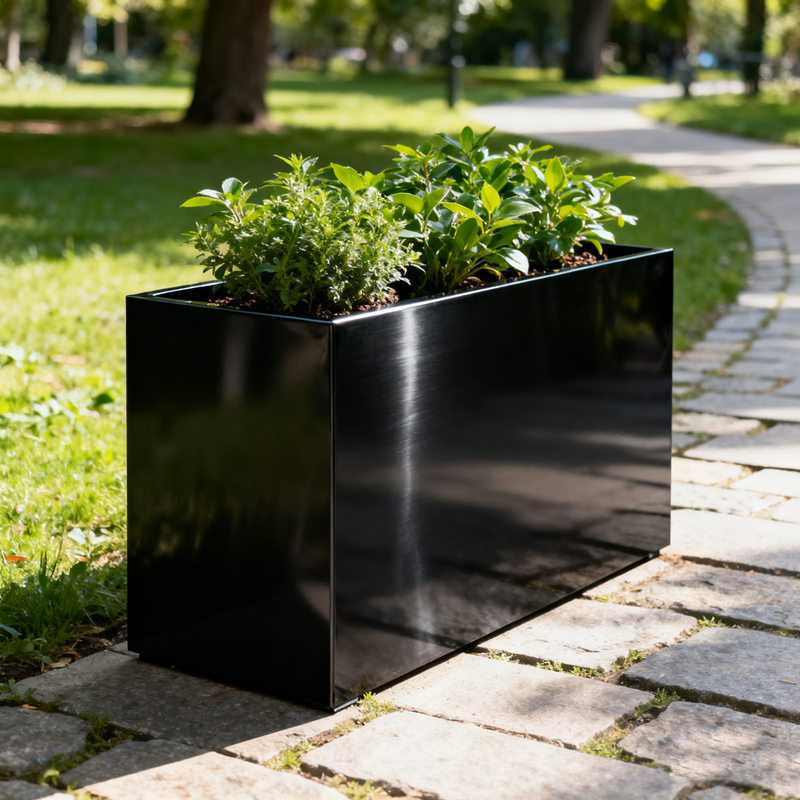
শহুরে পরিবেশগুলি কংক্রিটের দৃশ্যে প্রাকৃতিক সবুজ সমন্বয় করার ক্ষেত্রে উল্লেখযোগ্য চ্যালেঞ্জের মুখোমুখি হয়। একটি বাইরের ফুলের বাক্স শহরের জড় ভূভাগকে জীবন্ত, প্রাণবন্ত স্থানে রূপান্তরিত করার জন্য সবচেয়ে ব্যবহারিক এবং দৃশ্যগতভাবে প্রভাবশালী সমাধানগুলির মধ্যে একটি। এটি যেখানেই স্থাপন করা হোক না কেন—বিল্ডিংয়ের বাহ্যিক দেয়ালে, ফুটপাথের ধারে বা বাণিজ্যিক দোকানের সামনে—একটি বাইরের ফুলের বাক্স শহুরে জীবনের গুণগত মানের প্রতি অবদান রাখে এমন সৌন্দর্য ও কার্যকরী পরিবেশগত সুবিধা উভয়ই প্রদান করে।
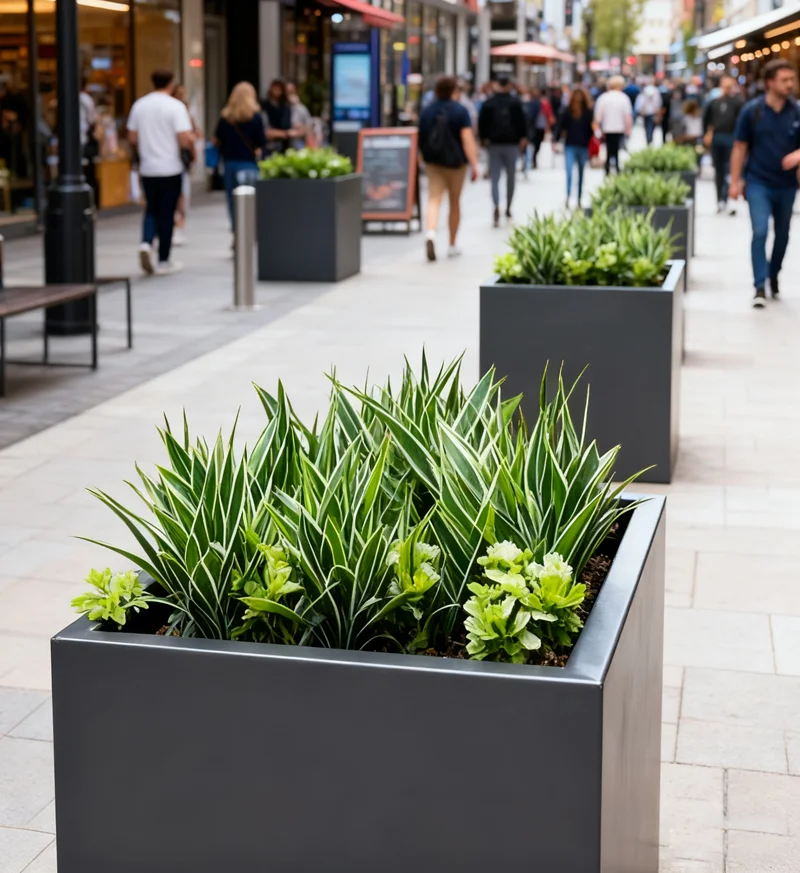
বাইরের ফুলের বাক্সের কার্যকারিতা শুধুমাত্র সরল সজ্জা অতিক্রম করে। এই গাছের টবগুলি একটি সূক্ষ্ম-পরিবেশ তৈরি করে যা জীববৈচিত্র্যকে সমর্থন করে, শহরী তাপমাত্রা হ্রাস করে, বায়ুর মান উন্নত করে এবং প্রকৃতির সঙ্গে সম্প্রদায়ের সংযোগ দৃঢ় করে। যেসব শহরে জমির অভাবে ঐতিহ্যগত বাগান করার সুযোগ সীমিত, সেখানে বাইরের ফুলের বাক্স সর্বজনীন ও ব্যক্তিগত স্থানে উদ্যান বিদ্যাকে অন্তর্ভুক্ত করার একটি সহজলভ্য উপায় প্রদান করে। এই সমাধানটি কেন এত কার্যকর তা বুঝতে পারলে সম্পত্তি ব্যবস্থাপক, শহর পরিকল্পনাকারী এবং ব্যবসায়িক প্রতিষ্ঠানগুলি সবুজ স্থানে বিনিয়োগ সংক্রান্ত সঠিক সিদ্ধান্ত নিতে পারে।
পরিবেশগত প্রভাব এবং বায়ুর মান উন্নয়নের সুবিধা
কৌশলগত গাছ লাগানোর মাধ্যমে শহরী বায়ুর মান উন্নয়ন
বাইরের ফুলের বাক্সটি কার্বন ডাইঅক্সাইড শোষণ করে এবং অক্সিজেন মুক্ত করে এমন গাছপালা সমর্থন করে, যার ফলে এটি একটি প্রাকৃতিক বায়ু পরিষ্কারক হিসেবে কাজ করে। ভবনের বাহ্যিক দেয়াল এবং রাস্তার স্তরে স্থাপিত এই ধরনের ফুলের বাক্সগুলিকে কৌশলগতভাবে বসানো হলে, একাধিক বাইরের ফুলের বাক্স একত্রিত হয়ে শহুরে অঞ্চলের স্থানীয় বায়ু মানের উন্নতি ঘটায়। বাইরের ফুলের বাক্সের মধ্যে রাখা গাছপালাগুলি বাতাসে ভাসমান ধূলিকণা ও দূষণকারী পদার্থগুলিও আটকায়, যার ফলে বাসিন্দা ও পথচারীদের শ্বাসের মাধ্যমে গ্রহণ করা কণাকৃত দূষণের পরিমাণ কমে। এই পরিবেশগত কাজটি ঘনবসতিপূর্ণ শহরগুলিতে আরও বেশি গুরুত্বপূর্ণ হয়ে ওঠে, যেখানে সাধারণ গাছগুলি স্থানের সীমাবদ্ধতার কারণে সীমিত।
বাইরের ফুল বাক্সের মধ্যে নির্দিষ্ট গাছের নির্বাচন তার বায়ু পরিশোধন ক্ষমতা নির্ধারণ করে। স্থানীয় প্রজাতি এবং ফুল ফোটানো গাছগুলি শহুরে সূক্ষ্মজলবায়ুতে ভালোভাবে বেঁচে থাকে এবং উচ্চমানের বায়ু মান প্রদান করে। গবেষণা দেখায় যে, একাধিক বাইরের ফুল বাক্স স্থাপনের মাধ্যমে বিস্তৃত গাছ লাগানো একক ল্যান্ডস্কেপিং প্রচেষ্টার চেয়ে ভালো ফলাফল দেয়, যা একটি নেটওয়ার্ক প্রভাব সৃষ্টি করে যা সামগ্রিকভাবে প্রতিবেশের বায়ুর গুণগত মান উন্নত করে। এটি শহুরে বায়ু দূষণের সমস্যা মোকাবেলার জন্য একটি দক্ষ ও স্কেলযোগ্য কৌশল হিসেবে বাইরের ফুল বাক্সকে প্রতিষ্ঠিত করে।
আর্বন হিট আইল্যান্ড মিটিগেশন
শহরগুলি ব্যাপক কঠিন পৃষ্ঠের এবং সীমিত উদ্ভিদ আচ্ছাদনের কারণে আশপাশের গ্রামীণ এলাকার তুলনায় উল্লেখযোগ্যভাবে উচ্চ তাপমাত্রা অনুভব করে। একটি বাইরের ফুলের বাক্স বাষ্পীভবন-সংক্রমণ (এভাপোট্রান্সপিরেশন) চালু করে, যা উদ্ভিদের দ্বারা আশেপাশের বাতাসকে শীতল করার জন্য আর্দ্রতা নির্গত করার প্রক্রিয়া। যখন একটি বাইরের ফুলের বাক্স ভবনের প্রবেশদ্বারে, রাস্তার স্তরের এলাকায় বা ছাদে স্থাপন করা হয়, তখন একাধিক স্থাপনের সমন্বিত শীতলীকরণ প্রভাব পরিবেশগত তাপমাত্রা উল্লেখযোগ্যভাবে কমাতে পারে। এই শীতলীকরণ সুবিধা সংলগ্ন ভবনগুলির শীতলীকরণ খরচ সরাসরি কমায় এবং গরম মাসগুলিতে পথচারীদের আরাম বৃদ্ধি করে।
বাইরের ফুলের বাক্সের স্থাপন কৌশলটি তাপ হ্রাসের সম্ভাবনাকে সর্বাধিক করে। দক্ষিণ দিকে মুখ করে থাকা দেয়াল, ফুটপাথের প্রান্ত এবং ভবনের কোণগুলি বাইরের ফুলের বাক্স স্থাপনের জন্য সবচেয়ে উপযুক্ত, কারণ এই অঞ্চলগুলিতে সৌর তাপ সবচেয়ে বেশি জমা হয়। শহুরে করিডর বরাবর কৌশলগতভাবে স্থাপিত একটি বাইরের ফুলের বাক্স শীতল সূক্ষ্মজলবায়ু সৃষ্টি করে যা পথচারীদের অভিজ্ঞতাকে উন্নত করে এবং শহর পরিষেবার শীতলীকরণ ব্যবস্থার ওপর চাপ কমায়। এই ব্যবহারিক সুবিধাটি জলবায়ু অভিযোজন কৌশল বাস্তবায়নকারী শহরগুলির জন্য বাইরের ফুলের বাক্সকে বিশেষভাবে মূল্যবান করে তোলে।
দৃশ্যগত রূপান্তর ও সম্প্রদায় সংযোগ
নির্মিত পরিবেশের দৃশ্যগত উন্নয়ন
শহুরে একঘেয়েমি—যা ধূসর কংক্রিট, কাচ এবং ধাতুর পৃষ্ঠতল দ্বারা চিহ্নিত—মানসিক সুস্থতা এবং সম্প্রদায়ের পরিচয়কে দমন করে। একটি বাইরের ফুলের বাক্স রং, টেক্সচার এবং জৈব আকৃতি যোগ করে যা কঠিন স্থাপত্য উপাদানগুলিকে উল্লেখযোগ্যভাবে মানবিক করে তোলে। ভালোভাবে রক্ষণাবেক্ষণ করা একটি বাইরের ফুলের বাক্সের দৃশ্যমান প্রভাব ব্যক্তিগত ইনস্টলেশনের বাইরেও প্রসারিত হয়, কারণ সমন্বিত গাছপালা সুসংহত শহুরে সৌন্দর্য তৈরি করে যা সম্প্রদায়ের বিনিয়োগ এবং যত্নের প্রতীক। বাণিজ্যিক অঞ্চলগুলি উল্লেখযোগ্যভাবে উপকৃত হয় যখন একটি বাইরের ফুলের বাক্স দোকানের সামনে দেখা যায়, যা আমন্ত্রণ জানানো পরিবেশের প্রতীক হিসেবে কাজ করে এবং গ্রাহক এবং পদচারীদের আকর্ষণ করে।
বাইরের ফুলের বাক্সের মধ্যে মৌসুমি ফুলের আবর্তন বছরের পূর্ববর্তী সময়ে গতিশীল দৃশ্যমান আকর্ষণ প্রদান করে। বসন্তকালীন বাল্ব, গ্রীষ্মকালীন বার্ষিক গাছ, শরৎকালীন পাতাওয়ালা গাছ এবং শীতকালীন সদাহরিত গাছগুলি প্রতি তিন মাস অন্তর বাইরের ফুলের বাক্সের চেহারা পরিবর্তন করতে পারে, যা দৃশ্যগত ক্লান্তি রোধ করে এবং প্রতিবেশের আকর্ষণ বজায় রাখে। বাইরের ফুলের বাক্সটি উদ্ভিদবিদ্যার অভিব্যক্তির একটি ক্যানভাস হিসেবে কাজ করে, যা সম্পত্তি ব্যবস্থাপক এবং সম্প্রদায়ভিত্তিক গোষ্ঠীগুলিকে স্থানীয় সংস্কৃতি প্রতিফলিত করতে, মৌসুমি অনুষ্ঠান উদযাপন করতে বা স্থানীয় পরাগায়নকারী প্রজাতির সমর্থন করতে সক্ষম করে। এই দৃশ্যমান নমনীয়তা বাইরের ফুলের বাক্সকে অবিরাম পরিবেশগত গল্প বলার একটি অর্থনৈতিক সরঞ্জাম করে তোলে।
সামাজিক সংযোগ এবং মানসিক স্বাস্থ্য
ব্যাপক গবেষণা নিশ্চিত করেছে যে সবুজ পরিবেশের কাছাকাছি থাকা চাপ কমায়, মনের অবস্থা উন্নত করে এবং মানসিক স্বাস্থ্যের ফলাফল উন্নত করে। একটি বহিরঙ্গন ফুলের বাক্স প্রকৃতিকে রাস্তার স্তরে নিয়ে আসে, যেখানে বাসিন্দা ও কর্মীরা প্রতিদিন এর সম্মুখীন হন, এবং এতে ধারাবাহিকভাবে ইতিবাচক মনোবৈজ্ঞানিক মিথস্ক্রিয়া সৃষ্টি হয়। বাসিন্দা এলাকার ব্লকগুলিতে বহিরঙ্গন ফুলের বাক্স স্থাপন করলে প্রতিবেশীদের মধ্যে সামাজিক সংহতি বৃদ্ধি পায়, কারণ সম্প্রদায়ের সদস্যরা গাছপালা সম্পর্কে আলোচনা করেন, বাগান সংক্রান্ত পরামর্শ শেয়ার করেন এবং ভাগ করে নেওয়া স্থানগুলির প্রতি যৌথ গর্ব অনুভব করেন। এই সামাজিক সক্রিয়করণ একটি সাধারণ ফুলের বাক্সকে শুধুমাত্র একটি গাছ রোপণের পাত্র থেকে সম্প্রদায় গঠনের একটি প্রেরকে পরিণত করে।
বাইরের ফুলের বাক্স থেকে মানসিক স্বাস্থ্যের সুবিধা কার্যক্ষেত্রেও প্রসারিত হয়। যেসব ভবনের ল্যান্ডস্কেপিং পরিকল্পনায় বাইরের ফুলের বাক্স রয়েছে, সেই ভবনে কাজ করা কর্মচারীরা উন্নত মনোযোগ, কম উদ্বেগ এবং উচ্চতর চাকরি-সন্তুষ্টির কথা জানান। বাণিজ্যিক সম্পত্তির ক্ষেত্রে, বাইরের ফুলের বাক্স একটি খরচ-কার্যকর কর্মচারী স্বাস্থ্য বিনিয়োগ যা পরিমাপযোগ্য উৎপাদনশীলতা বৃদ্ধি ঘটায়। শহুরে বাসিন্দারা ক্রমবর্ধমানভাবে সবুজ অবকাঠামো দৃশ্যমান এমন সম্পত্তি ও এলাকা খুঁজছেন, যার ফলে বাইরের ফুলের বাক্স একটি স্পষ্ট সম্পত্তি যা সম্পত্তির মূল্য বৃদ্ধি এবং ভাড়াটিয়াদের ধরে রাখার সমর্থন করে।
ব্যবহারিক বাস্তবায়ন এবং টেকসইতা
একত্রীকরণ এবং ইনস্টলেশনের লম্বা পরিসর
পারম্পরিক ল্যান্ডস্কেপিংয়ের বিপরীতে যা ব্যাপক মাটি প্রস্তুতি এবং স্থায়ী ভূ-পৃষ্ঠ স্থানের প্রয়োজন হয়, একটি বহিরঙ্গন ফুলের বাক্স স্থাপনের ক্ষেত্রে অসাধারণ নমনীয়তা প্রদান করে। একটি বহিরঙ্গন ফুলের বাক্স উল্লম্ব পৃষ্ঠ, ছাদ, বারান্দা বা সংকীর্ণ ফুটপাথের পটির মতো জায়গায় স্থাপন করা যায় যেখানে ঐতিহ্যগত বাগান করা অসম্ভব। এই সামঞ্জস্যপূর্ণতা একটি বহিরঙ্গন ফুলের বাক্সকে প্রতিষ্ঠিত এলাকার রিট্রোফিট প্রকল্পের জন্য বিশেষভাবে মূল্যবান করে তোলে, যেখানে ভূ-পৃষ্ঠের সবুজ স্থান ইতিমধ্যে হার্ডস্কেপ অবকাঠামোর জন্য বরাদ্দ করা হয়েছে। বহিরঙ্গন ফুলের বাক্স সিস্টেমের মডুলার প্রকৃতি বাজেট এবং রক্ষণাবেক্ষণের ক্ষমতা অনুযায়ী ধাপে ধাপে সম্প্রসারণের অনুমতি দেয়।
বাইরের ফুলের বাক্সের সহজ ইনস্টলেশন ব্যবস্থার কারণে ছোট শহরপালিকা এবং সম্প্রদায়ভিত্তিক সংস্থাগুলি বিশেষজ্ঞ ঠিকাদারদের প্রয়োজন ছাড়াই সবুজ স্থান প্রকল্পগুলি হাতে নিতে পারে। বাইরের ফুলের বাক্সটি স্ট্যান্ডার্ড সরঞ্জাম ব্যবহার করে সুযোগ-সুবিধা দলগুলি দ্বারা মাউন্ট করা যায়, যা ঐতিহ্যগত ল্যান্ডস্কেপিং ইনস্টলেশনের তুলনায় প্রকল্পের খরচ কমিয়ে দেয়। এই সহজ প্রবেশযোগ্যতা শহুরে সবুজায়ন প্রচেষ্টাকে গণতান্ত্রিক করে তোলে, যার ফলে বিভিন্ন পক্ষ পরিবেশগত উন্নয়ন প্রচেষ্টায় অংশগ্রহণ করতে পারে। বাইরের ফুলের বাক্স স্থাপনের স্কেলযোগ্যতা বিস্তৃত ও সাশ্রয়ী পদক্ষেপের মাধ্যমে বড় আকারের প্রভাব অর্জনকে সম্ভব করে তোলে।
রক্ষণাবেক্ষণ এবং দীর্ঘমেয়াদী টেকসইতা
বাইরের ফুলের বাক্সটি সাধারণত মাটির স্তরের বাগানের তুলনায় কম রক্ষণাবেক্ষণ প্রয়োজন করে, কারণ মাটির গুণগত মান সঠিকভাবে নিয়ন্ত্রণ করা যায় এবং উচ্চতা বৃদ্ধির মাধ্যমে পোকামাকড় নিয়ন্ত্রণ সহজ হয়ে যায়। বাইরের ফুলের বাক্সের জন্য জল দেওয়ার প্রয়োজন ড্রিপ সেচ ব্যবস্থার মাধ্যমে স্বয়ংক্রিয়ভাবে করা যেতে পারে, যা শ্রম খরচ কমায় এবং গাছগুলির সুস্থতা নিশ্চিত করে। এই দক্ষ রক্ষণাবেক্ষণ পদ্ধতি দীর্ঘমেয়াদী প্রোগ্রামের জন্য বাইরের ফুলের বাক্সটিকে আর্থিকভাবে টিকে থাকা সম্ভব করে তোলে, যার পরিচালন খরচ পূর্বানুমানযোগ্য হওয়ায় বহুবছর ধরে প্রতিশ্রুতি পালন সমর্থন করে। ভবন ব্যবস্থাপকরা বাইরের ফুলের বাক্সটি পছন্দ করেন, কারণ দৃশ্যমান গাছের সুস্থতা সম্পত্তির রক্ষণাবেক্ষণের মানের উপর ইতিবাচক প্রভাব ফেলে।
বাইরের ফুলের বাক্সে মৌসুমি সমন্বয়গুলি পরিচালনা করা যায় এমন রক্ষণাবেক্ষণের পদ্ধতি প্রতিনিধিত্ব করে যা স্বেচ্ছাসেবী শ্রম বা সম্প্রদায়ের সদস্যদের জড়িত করতে পারে। বাইরের ফুলের বাক্স ডিজাইনটি আবহাওয়ার প্রতিরোধী এবং শহরী দূষণের প্রতি প্রতিরোধী টেকসই উপকরণের উপর গুরুত্ব দিয়ে তৈরি করা উচিত। স্টেইনলেস স্টিল এবং পাউডার-কোটেড ধাতব নির্মাণ নিশ্চিত করে যে একটি বহিরঙ্গন ফুলের বাক্স একাধিক ঋতু ধরে কাঠামোগত অখণ্ডতা বজায় রাখবে এবং প্রতিস্থাপনের প্রয়োজন হবে না। এই টেকসইতা বিনিয়োগের ফেরত সর্বাধিক করে এবং উপকরণের বর্জ্যের কারণে দীর্ঘমেয়াদী পরিবেশগত প্রভাব কমিয়ে দেয়।
প্রায়শই জিজ্ঞাসিত প্রশ্নাবলী
বহিরঙ্গন ফুলের বাক্সটি সম্পত্তির মূল্য কীভাবে বৃদ্ধি করে?
বাইরের ফুলের বাক্স দৃশ্যমানভাবে সম্পত্তির বিনিয়োগ এবং সম্প্রদায়ের যত্নের সংকেত দেয়, যা সম্ভাব্য ক্রেতা ও ভাড়াটেদের জন্য এলাকাগুলিকে আকর্ষক করে তোলে। ভালোভাবে রক্ষণাবেক্ষণ করা বাইরের ফুলের বাক্স স্থাপন সহ সম্পত্তিগুলি বাজারে উচ্চতর মূল্য পায়, কারণ সবুজ সৌন্দর্য এবং মনস্তাত্ত্বিক সুবিধাগুলি ক্রমশ বাঞ্ছনীয় সুবিধা হিসেবে স্বীকৃতি পাচ্ছে। বাইরের ফুলের বাক্স দিয়ে সজ্জিত বাণিজ্যিক সম্পত্তিগুলিতে গ্রাহকদের চলাচল এবং খরচ বৃদ্ধি পায়, কারণ ক্রেতারা এমন সম্পত্তিগুলিকে উচ্চমানের পরিবেশ হিসেবে ধরে নেন। বাইরের ফুলের বাক্স স্থাপনের তুলনামূলকভাবে অল্প খরচ থেকে আকর্ষণীয়তা ও বাজার অবস্থানের উন্নতির মাধ্যমে পরিমাপযোগ্য রিটার্ন পাওয়া যায়।
বাইরের ফুলের বাক্সে কোন ধরনের গাছ সবচেয়ে ভালো কাজ করে?
বাইরের ফুলের বাক্সটি স্থানীয় জলবায়ু, সূর্যের আলোর প্রকাশ এবং উপলব্ধ জলের সাথে মিলে যাওয়া গাছের বাছাইয়ের সাথে সর্বোত্তমভাবে কাজ করে। স্থানীয় প্রজাতির গাছগুলি বাইরের ফুলের বাক্সে ভালোভাবে বেড়ে ওঠে এবং একইসাথে এলাকার পরাগায়নকারী প্রাণীদের জনসংখ্যাকে সমর্থন করে এবং কম ঘনঘন রক্ষণাবেক্ষণের প্রয়োজন হয়। শুষ্কতা-সহনশীল গাছের প্রজাতিগুলি সূর্যের আলোয় ভরা ভবনের বাইরের দেয়ালে লাগানো বাইরের ফুলের বাক্সে চমৎকার ফল দেয়, অন্যদিকে ছায়া-সহনশীল হোস্টা এবং ফার্নগুলি উত্তর দিকের মুখ করে স্থাপিত বাইরের ফুলের বাক্সের জন্য উপযুক্ত। বাইরের ফুলের বাক্সের জন্য ঋতুভিত্তিক আবর্তন কৌশল বছরের সমস্ত সময়ে গাছের বিশেষ বৃদ্ধির মৌসুমের প্রয়োজনীয়তা মেনে চলার পাশাপাশি দৃশ্যগত প্রভাব সর্বোচ্চ করে।
একটি বাইরের ফুলের বাক্স টেকসই শহুরে কৃষিকে সমর্থন করতে পারে?
একটি বাইরের ফুলের বাক্সকে উৎপাদনশীল চাষের জন্য অভিযোজিত করা যেতে পারে, যা শহরী পরিবেশে মূলিকা, লেটুস, চেরি টমেটো এবং অন্যান্য কমপ্যাক্ট খাদ্যযোগ্য গাছের সমর্থন করে। এই দ্বৈত-উদ্দেশ্যমূলক পদ্ধতিটি একটি বাইরের ফুলের বাক্সকে খাদ্য নিরাপত্তা উদ্যোগ এবং স্থানীয় খাদ্য উৎপাদন সম্পর্কে সম্প্রদায়ের শিক্ষার জন্য মূল্যবান করে তোলে। খাদ্যযোগ্য গাছের জন্য উৎসর্গীকৃত একটি বাইরের ফুলের বাক্সের জন্য শুধুমাত্র সজাবহুল গাছের চেয়ে বেশি ঘন ঘন জল দেওয়া এবং পুষ্টি ব্যবস্থাপনা প্রয়োজন, কিন্তু অধ্যবসায়ী সম্প্রদায়ের জন্য এটি অর্জনযোগ্য থাকে। এই কার্যকারিতা একটি বাইরের ফুলের বাক্সের মূল্য প্রস্তাবকে শুধুমাত্র সৌন্দর্যের বাইরে প্র্যাকটিক্যাল পুষ্টিগত এবং শিক্ষামূলক প্রয়োগের দিকে প্রসারিত করে।