Applicazioni versatile in diversi settori industriali
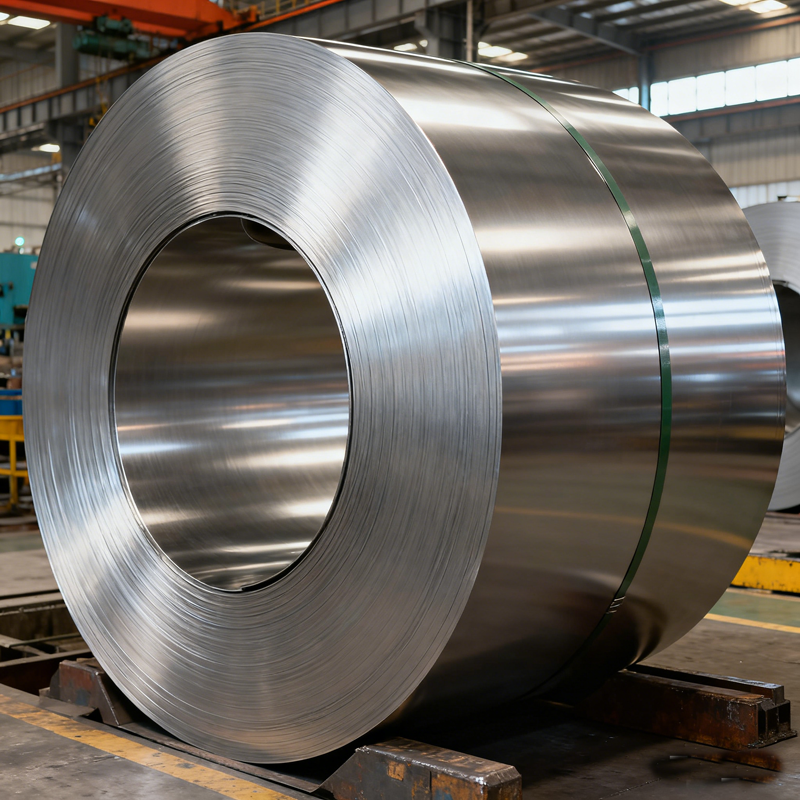
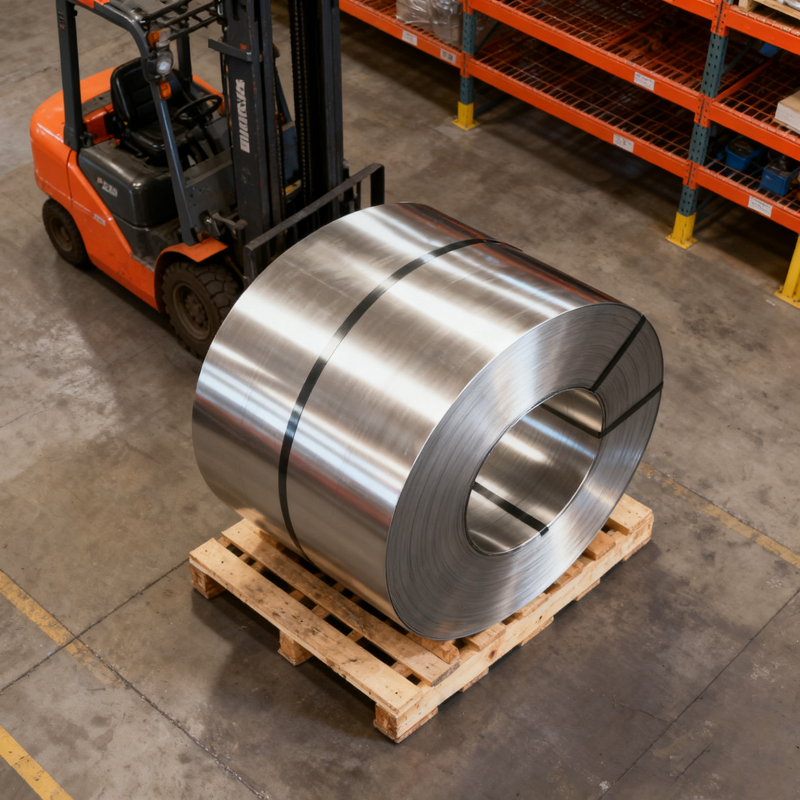
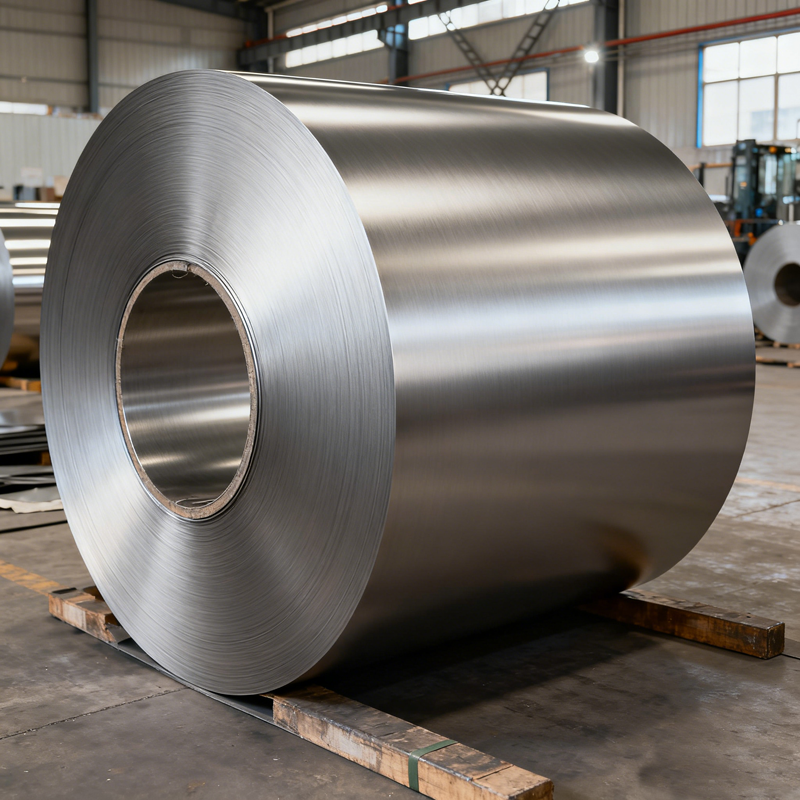
La notevole versatilità della bobina in acciaio inossidabile laminata a caldo in stock ne consente l'impiego con successo in un'ampia gamma di settori e applicazioni, dimostrando un'adattabilità che la rende una scelta di materiale estremamente preziosa per le più svariate sfide ingegneristiche. I produttori automobilistici utilizzano la bobina in acciaio inossidabile laminata a caldo in stock per i sistemi di scarico, dove la resistenza alle alte temperature e la protezione contro la corrosione garantiscono prestazioni affidabili anche in condizioni operative estreme. Il rapporto resistenza/peso del materiale supporta le iniziative di leggerezza, mantenendo al contempo l'integrità strutturale richiesta per applicazioni critiche ai fini della sicurezza. Nel settore delle costruzioni, la bobina in acciaio inossidabile laminata a caldo in stock è impiegata per elementi architettonici, sistemi di copertura e componenti strutturali, nei quali l'aspetto estetico si combina con esigenze funzionali di prestazione. La capacità del materiale di conservare inalterato il proprio aspetto per decenni lo rende ideale per facciate edilizie ed elementi decorativi che devono resistere all'azione degli agenti atmosferici pur mantenendo il proprio appeal visivo. I produttori di attrezzature per la lavorazione alimentare scelgono la bobina in acciaio inossidabile laminata a caldo in stock per serbatoi, nastri trasportatori e macchinari di processo, dove gli standard igienici richiedono superfici non reattive, resistenti alla proliferazione batterica e facilmente sanificabili. Gli impianti chimici fanno affidamento sulla resistenza chimica del materiale per reattori, tubazioni e serbatoi di stoccaggio, che devono gestire in modo sicuro e affidabile sostanze corrosive. Nel settore energetico, le applicazioni includono scambiatori di calore, recipienti a pressione e componenti per turbine, dove cicli termici e ambienti corrosivi mettono alla prova i limiti prestazionali del materiale. Le applicazioni marine traggono vantaggio dall'eccezionale resistenza all'acqua salata, rendendo la bobina in acciaio inossidabile laminata a caldo in stock essenziale per la cantieristica navale, le piattaforme offshore e i progetti di infrastrutture costiere. La produzione di dispositivi medici sfrutta la biocompatibilità e la resistenza alla sterilizzazione del materiale per strumenti chirurgici e componenti impiantabili, che richiedono assoluta affidabilità e sicurezza. Nel settore dei trasporti, la bobina in acciaio inossidabile laminata a caldo in stock è utilizzata per la costruzione di carrozzerie ferroviarie, telai di autocarri e rimorchi, dove durata e ridotte esigenze di manutenzione offrono vantaggi operativi. Le proprietà elettriche del materiale lo rendono adatto a involucri e componenti elettronici, nei quali compatibilità elettromagnetica e resistenza alla corrosione si combinano per garantire un funzionamento affidabile anche in ambienti particolarmente gravosi.

 EN
EN