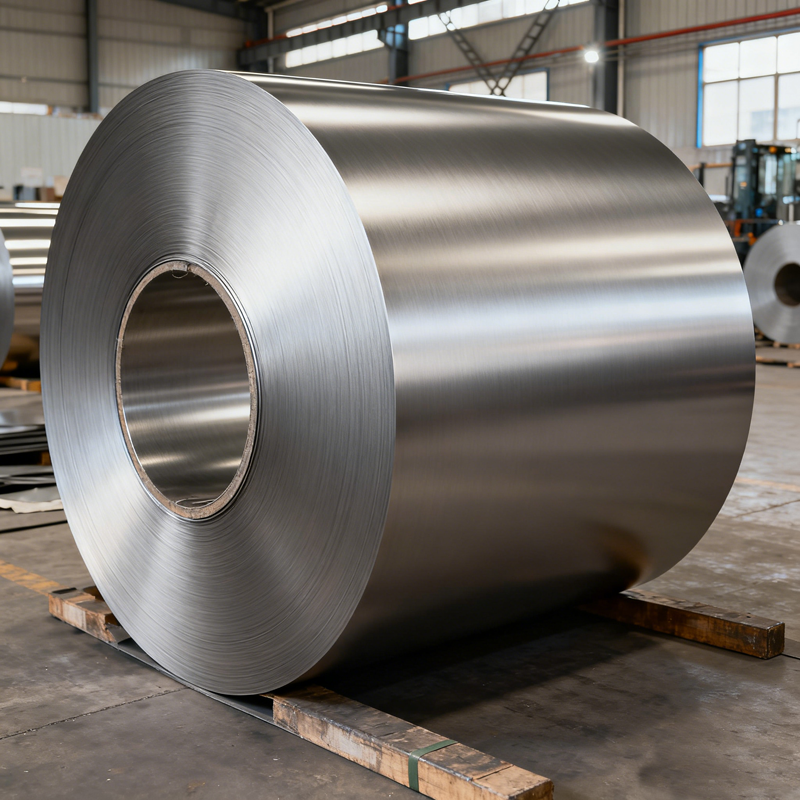


stainless steel flat rolled coil
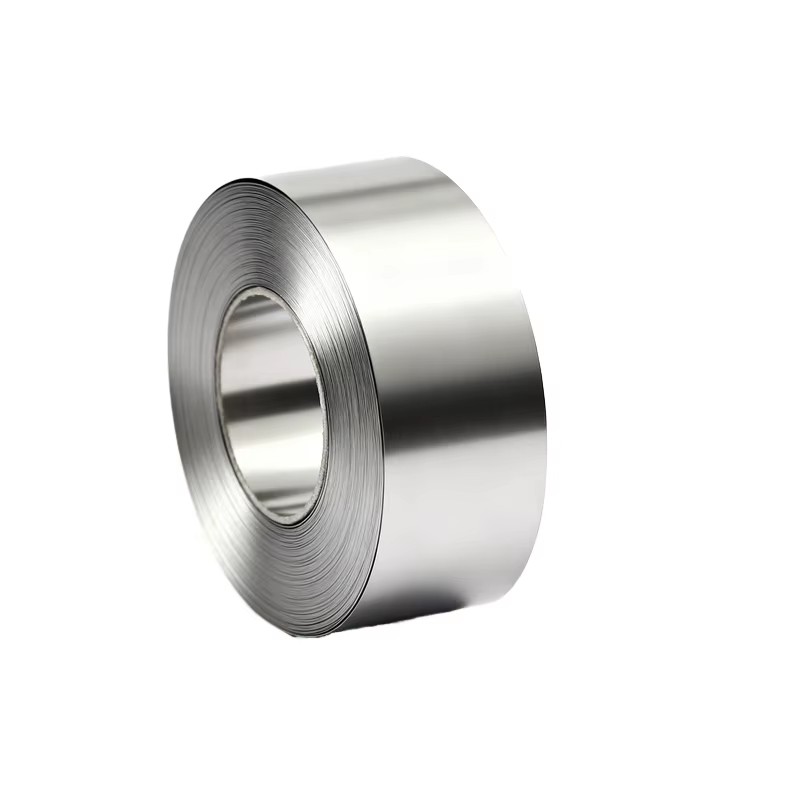
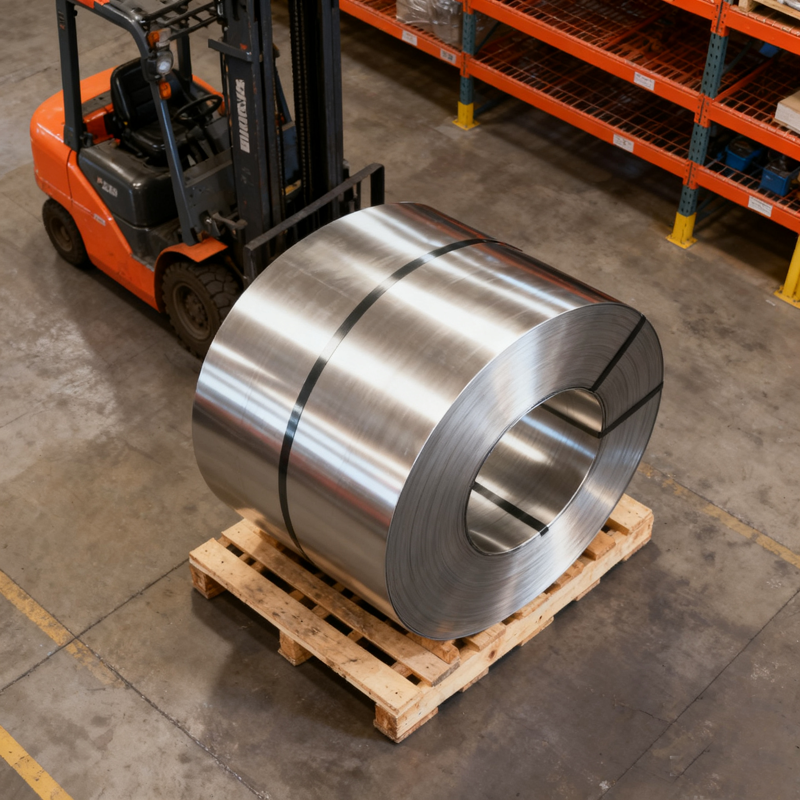
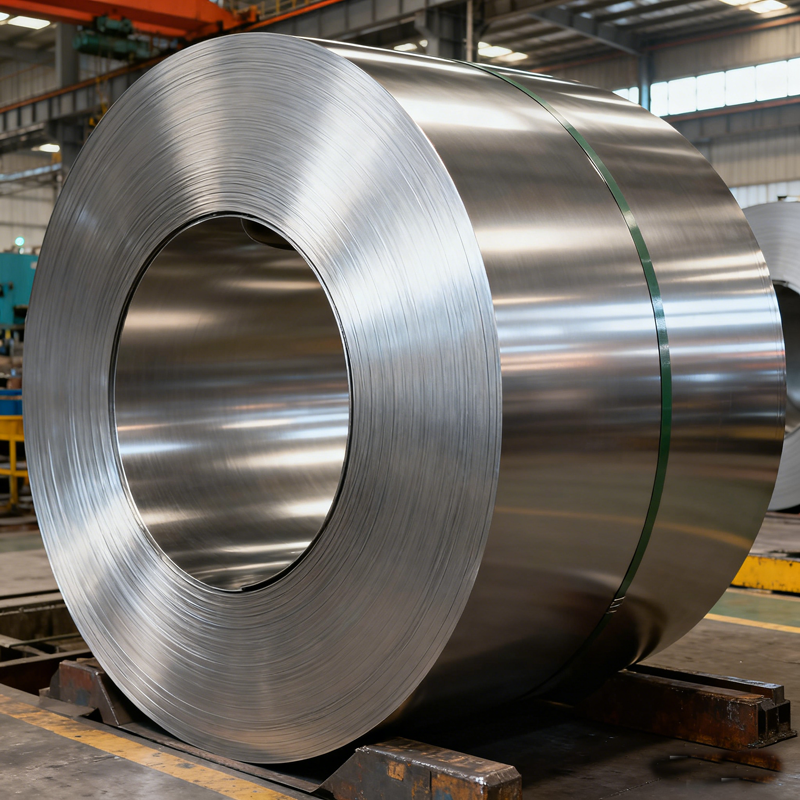
Stainless steel flat rolled coil represents a fundamental form of processed steel that serves as the backbone for countless manufacturing applications across diverse industries. This product consists of stainless steel that has been mechanically processed through rolling mills to achieve uniform thickness, width, and surface finish characteristics. The flat rolling process transforms raw stainless steel into continuous sheets that are wound into coils for efficient storage, transportation, and subsequent processing. These coils typically range from narrow strips to wide sheets, accommodating various manufacturing requirements and end-use applications. The primary function of stainless steel flat rolled coil involves serving as raw material for further fabrication processes, including cutting, forming, welding, and finishing operations. Manufacturers utilize these coils to create components for automotive parts, kitchen appliances, architectural elements, medical devices, and industrial equipment. The technological features of stainless steel flat rolled coil include precise dimensional control, consistent mechanical properties, and superior surface quality achieved through advanced rolling techniques. Modern production facilities employ sophisticated rolling mills equipped with computerized thickness control systems, ensuring dimensional accuracy within tight tolerances. The surface finish options range from mill finish to highly polished surfaces, depending on specific application requirements. Temperature control during the rolling process prevents grain structure alterations that could compromise material properties. Quality control measures include continuous monitoring of chemical composition, mechanical properties, and surface characteristics throughout the production cycle. Applications for stainless steel flat rolled coil span numerous sectors, including food processing equipment, pharmaceutical manufacturing, chemical processing plants, marine environments, and construction projects. The versatility of this product format enables manufacturers to efficiently produce large quantities of components while maintaining consistent quality standards and reducing material waste through optimized cutting patterns.