Premium Stainless Steel Flat Rolled Coil - Superior Corrosion Resistance & Manufacturing Efficiency

All Categories

Get a Free Quote

Our representative will contact you soon.
Email
Name
Company Name
Message
0/1000

stainless steel flat rolled coil

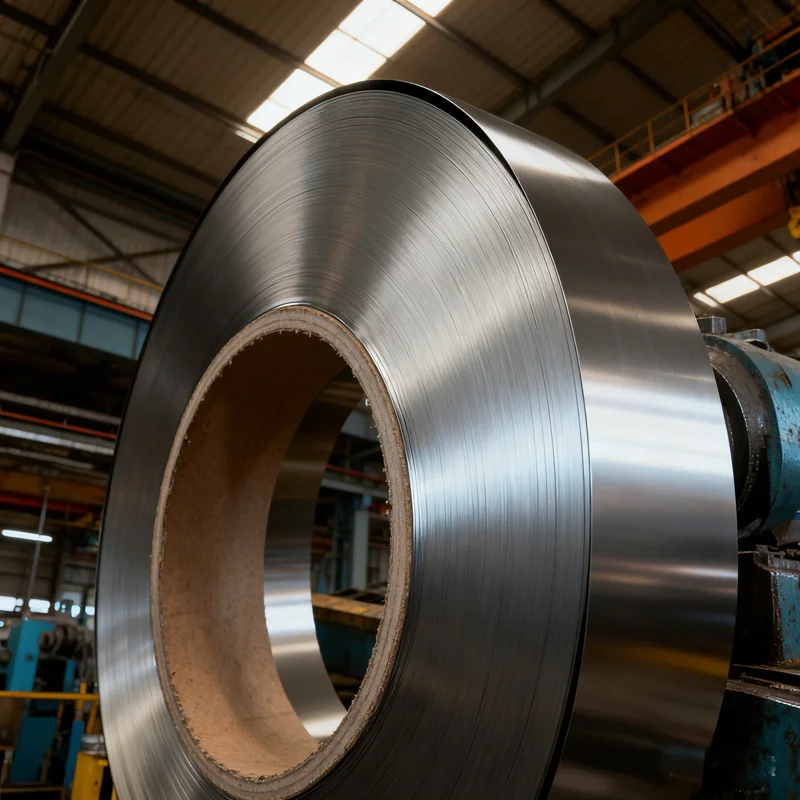
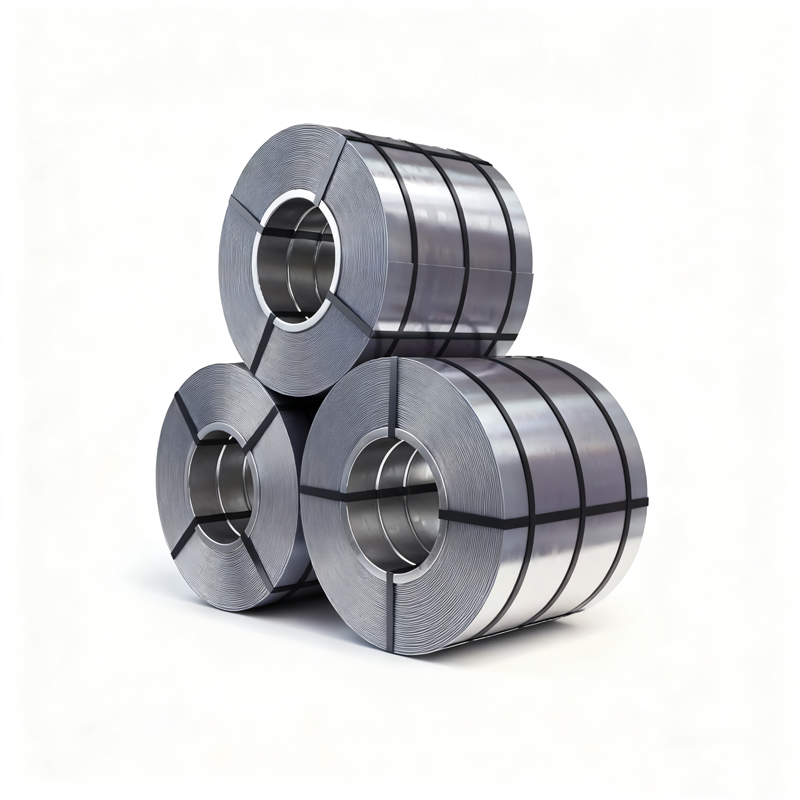
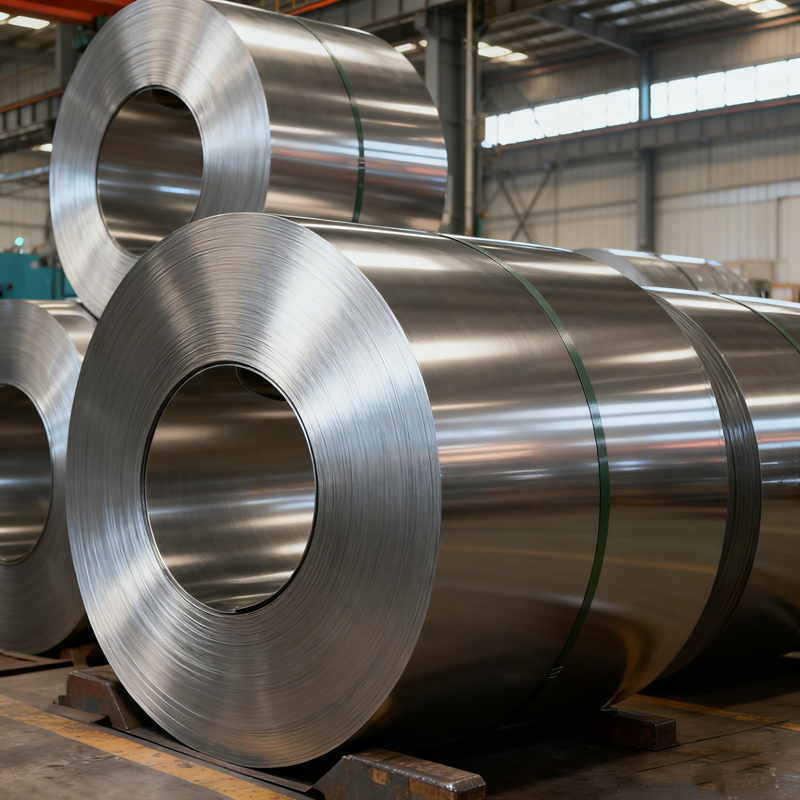
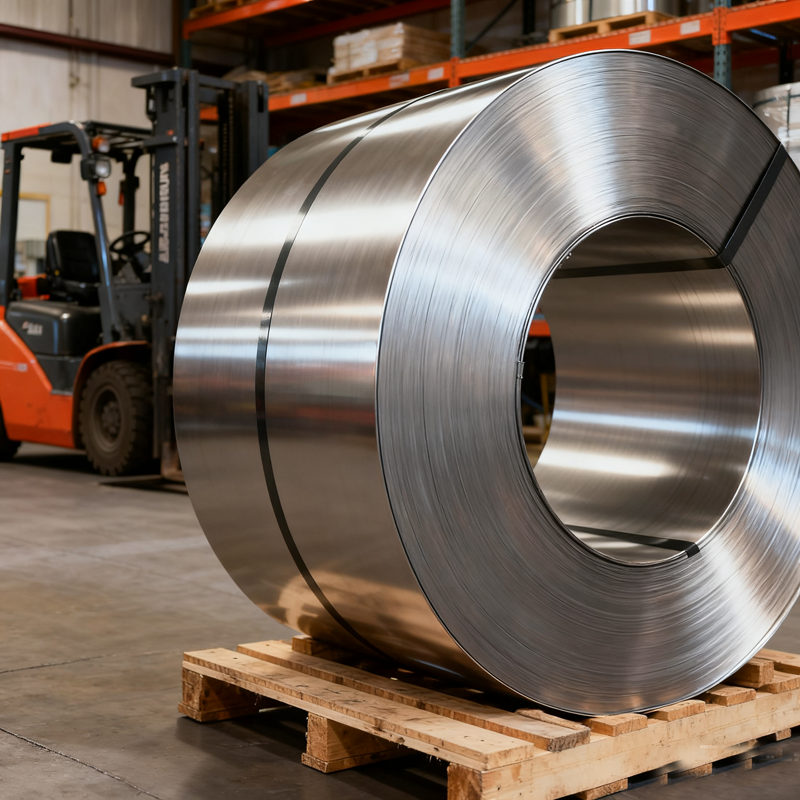
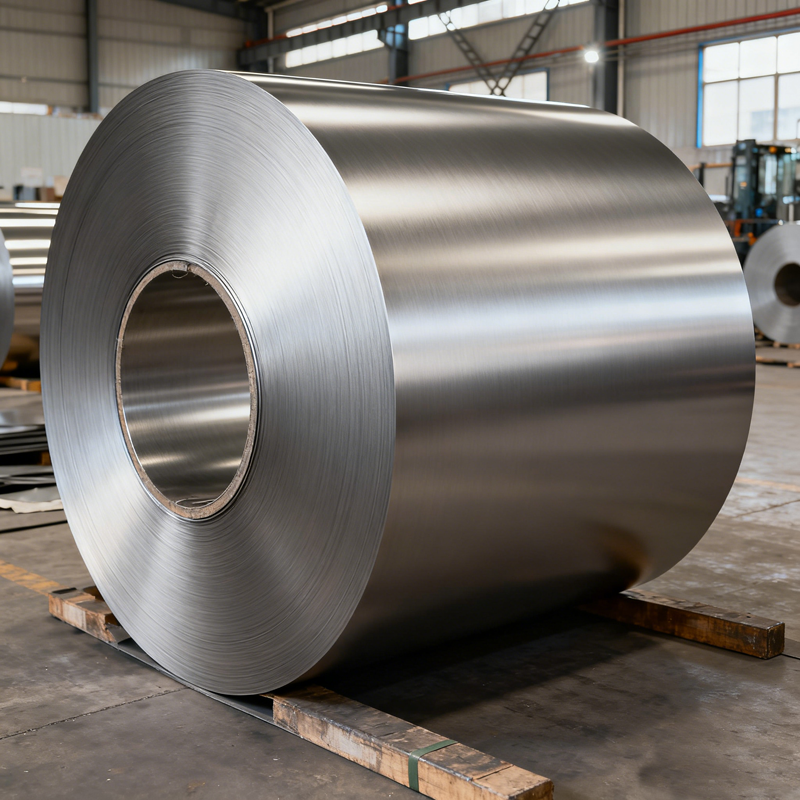
Stainless steel flat rolled coil represents a fundamental form of processed steel that serves as the backbone for countless manufacturing applications across diverse industries. This product consists of stainless steel that has been mechanically processed through rolling mills to achieve uniform thickness, width, and surface finish characteristics. The flat rolling process transforms raw stainless steel into continuous sheets that are wound into coils for efficient storage, transportation, and subsequent processing. These coils typically range from narrow strips to wide sheets, accommodating various manufacturing requirements and end-use applications. The primary function of stainless steel flat rolled coil involves serving as raw material for further fabrication processes, including cutting, forming, welding, and finishing operations. Manufacturers utilize these coils to create components for automotive parts, kitchen appliances, architectural elements, medical devices, and industrial equipment. The technological features of stainless steel flat rolled coil include precise dimensional control, consistent mechanical properties, and superior surface quality achieved through advanced rolling techniques. Modern production facilities employ sophisticated rolling mills equipped with computerized thickness control systems, ensuring dimensional accuracy within tight tolerances. The surface finish options range from mill finish to highly polished surfaces, depending on specific application requirements. Temperature control during the rolling process prevents grain structure alterations that could compromise material properties. Quality control measures include continuous monitoring of chemical composition, mechanical properties, and surface characteristics throughout the production cycle. Applications for stainless steel flat rolled coil span numerous sectors, including food processing equipment, pharmaceutical manufacturing, chemical processing plants, marine environments, and construction projects. The versatility of this product format enables manufacturers to efficiently produce large quantities of components while maintaining consistent quality standards and reducing material waste through optimized cutting patterns.

New Product Recommendations

Stainless steel flat rolled coil offers numerous practical benefits that make it an excellent choice for manufacturers and fabricators across various industries. The uniform thickness achieved through precision rolling processes ensures consistent material properties throughout the entire coil length, eliminating thickness variations that could compromise product quality or performance. This consistency reduces material waste and improves manufacturing efficiency by enabling predictable forming and machining operations. The coil format provides significant cost advantages through bulk purchasing and reduced handling requirements compared to individual sheets or plates. Transportation costs decrease substantially when materials are shipped in coil form, as more material can be loaded per shipment while maintaining optimal weight distribution. Storage efficiency improves dramatically with coiled materials, as they require less warehouse space and can be stored vertically or horizontally depending on facility constraints. Processing advantages include continuous feeding capabilities for high-volume manufacturing operations, reducing production interruptions and labor costs associated with frequent material loading. The smooth, controlled surface finish achieved during flat rolling eliminates surface defects that could require additional processing steps, saving time and reducing production costs. Stainless steel flat rolled coil maintains excellent corrosion resistance properties throughout the rolling process, ensuring long-term durability in challenging environments without requiring additional protective coatings. The material flexibility allows for various forming operations, including deep drawing, bending, and roll forming, without cracking or surface damage. Quality consistency remains superior compared to alternative material formats, as the continuous production process maintains uniform chemical composition and mechanical properties. Lead times for stainless steel flat rolled coil typically remain shorter than specialty products, enabling faster project completion and reduced inventory carrying costs. The standardized dimensions available in coil form accommodate most common manufacturing requirements while providing flexibility for custom sizing when needed. Environmental benefits include reduced packaging materials and lower transportation emissions per unit of material delivered, supporting sustainable manufacturing practices and corporate environmental goals.

Latest News

How Can Stainless Steel Coil Improve Manufacturing Efficiency?

25

Dec

How Can Stainless Steel Coil Improve Manufacturing Efficiency?

Manufacturing industries worldwide continuously seek materials that enhance production efficiency while maintaining superior quality standards. Among the most versatile and reliable materials available today, stainless steel coil stands as a cornerst...
View More
Why Is Stainless Steel Grating Ideal for High-Load Environments?

17

Dec

Why Is Stainless Steel Grating Ideal for High-Load Environments?

In industrial and commercial environments where heavy loads and constant traffic are the norm, selecting the right flooring and drainage solutions becomes critical for operational safety and efficiency. Stainless steel grating has emerged as the pref...
View More
How Do Stainless Steel Rainwater Grates Improve Drainage Efficiency?

11

Feb

How Do Stainless Steel Rainwater Grates Improve Drainage Efficiency?

Modern urban infrastructure faces increasing challenges from unpredictable weather patterns and heavy rainfall events. Effective drainage systems have become critical components in protecting buildings, roadways, and landscaped areas from water damag...
View More
When Should You Replace Stainless Steel Grating?

25

Feb

When Should You Replace Stainless Steel Grating?

Industrial facilities and commercial buildings rely heavily on durable drainage solutions, with stainless steel grating serving as a critical component in maintaining proper water management systems. Understanding when to replace these essential elem...
View More

Get a Free Quote

Our representative will contact you soon.
Email
Name
Company Name
Message
0/1000

stainless steel flat rolled coil

Superior Corrosion Resistance and Longevity

Superior Corrosion Resistance and Longevity

The exceptional corrosion resistance of stainless steel flat rolled coil stands as its most significant advantage, providing unmatched durability in demanding environments where traditional materials would fail rapidly. This superior resistance stems from the chromium content within the stainless steel composition, which forms a passive oxide layer that self-heals when damaged, continuously protecting the underlying material from environmental attacks. Unlike carbon steel or aluminum alternatives, stainless steel flat rolled coil maintains structural integrity when exposed to moisture, chemicals, salt spray, and temperature fluctuations without requiring additional protective coatings or frequent maintenance interventions. This characteristic proves invaluable in marine applications, food processing facilities, chemical plants, and outdoor architectural installations where material failure could result in safety hazards or expensive replacement costs. The longevity benefit extends beyond mere corrosion resistance, encompassing resistance to stress corrosion cracking, pitting, and crevice corrosion that commonly affect other metallic materials. Manufacturing facilities utilizing stainless steel flat rolled coil experience significantly reduced maintenance schedules, lower replacement costs, and improved operational reliability compared to facilities using conventional materials. The economic impact becomes particularly evident in lifecycle cost analyses, where initial material costs are offset by extended service life and reduced maintenance requirements. Industries such as pharmaceuticals, biotechnology, and food production rely heavily on this corrosion resistance to maintain sanitary conditions and prevent contamination risks that could compromise product quality or consumer safety. The material's ability to withstand cleaning chemicals and sterilization procedures without degradation ensures consistent performance throughout extended service periods. Environmental benefits include reduced material consumption over time, lower disposal requirements, and decreased environmental impact from protective coating applications that would be necessary with alternative materials.
Exceptional Formability and Manufacturing Versatility

Exceptional Formability and Manufacturing Versatility

Stainless steel flat rolled coil exhibits remarkable formability characteristics that enable manufacturers to create complex shapes and configurations without compromising material integrity or surface quality. The controlled rolling process optimizes grain structure and mechanical properties, resulting in excellent ductility that accommodates deep drawing operations, tight radius bending, and intricate forming procedures commonly required in modern manufacturing applications. This formability advantage allows designers greater creative freedom when developing products, enabling the creation of seamless components that would be impossible or prohibitively expensive to manufacture using alternative materials or joining methods. The uniform thickness and consistent mechanical properties throughout the coil ensure predictable forming behavior, reducing scrap rates and improving manufacturing efficiency during high-volume production runs. Advanced stainless steel grades available in flat rolled coil format offer tailored properties for specific applications, including enhanced formability for deep drawing operations or increased strength for structural applications. The material's work-hardening characteristics provide additional strength in formed areas while maintaining ductility in unstressed regions, optimizing component performance without requiring heat treatment or additional processing steps. Manufacturing versatility extends to welding operations, where stainless steel flat rolled coil demonstrates excellent weldability with minimal heat-affected zone effects, enabling the fabrication of large assemblies without structural concerns. The clean, smooth surface finish achieved during rolling eliminates pre-forming cleaning requirements and ensures consistent appearance in visible applications. Roll forming operations benefit significantly from the consistent material properties, enabling continuous production of profiles and structural shapes with tight dimensional tolerances. Manufacturers appreciate the material's ability to maintain surface quality during forming operations, eliminating secondary finishing requirements that increase production costs and lead times. The combination of strength and formability makes stainless steel flat rolled coil ideal for applications requiring both structural integrity and aesthetic appeal, such as architectural panels, automotive trim components, and decorative hardware applications.
Cost-Effective Processing and Supply Chain Efficiency

Cost-Effective Processing and Supply Chain Efficiency

Stainless steel flat rolled coil delivers substantial economic benefits through optimized processing capabilities and streamlined supply chain management that reduce overall project costs while improving delivery schedules. The coil format enables continuous processing operations that significantly increase manufacturing throughput compared to individual sheet handling, reducing labor costs and improving production efficiency in high-volume applications. Automated feeding systems can process stainless steel flat rolled coil continuously for extended periods without operator intervention, minimizing labor requirements and ensuring consistent production rates throughout manufacturing cycles. The standardized coil dimensions and packaging reduce handling costs throughout the supply chain, from production facilities to end-users, while minimizing material damage risks during transportation and storage operations. Inventory management becomes more efficient with coiled materials, as fewer individual items require tracking and storage space utilization improves dramatically compared to equivalent quantities of individual sheets or plates. Just-in-time delivery capabilities are enhanced with stainless steel flat rolled coil, as suppliers can maintain larger inventories in smaller spaces and respond quickly to customer requirements without extensive lead times. The material yield advantages become apparent during cutting operations, where optimized nesting software can maximize material utilization and minimize waste generation, directly impacting project profitability. Processing equipment designed for coil handling operates more efficiently than sheet-fed alternatives, requiring less maintenance and providing higher uptime percentages that improve overall equipment effectiveness. Quality control processes benefit from the continuous nature of coil production, as sampling and testing procedures can monitor larger material quantities more effectively than individual piece inspection methods. The reduced packaging requirements for coiled materials contribute to lower shipping costs and reduced environmental impact from packaging waste disposal. Standardization benefits extend to tooling and equipment requirements, where manufacturers can optimize their facilities for coil processing without requiring extensive equipment modifications for different material formats. The predictable supply chain performance associated with stainless steel flat rolled coil enables better project planning and resource allocation, reducing the risk of production delays due to material availability issues.

Get a Free Quote

Our representative will contact you soon.
Email
Name
Company Name
Message
0/1000